Mold and Mildew Inspection: Telling Them Apart Correctly
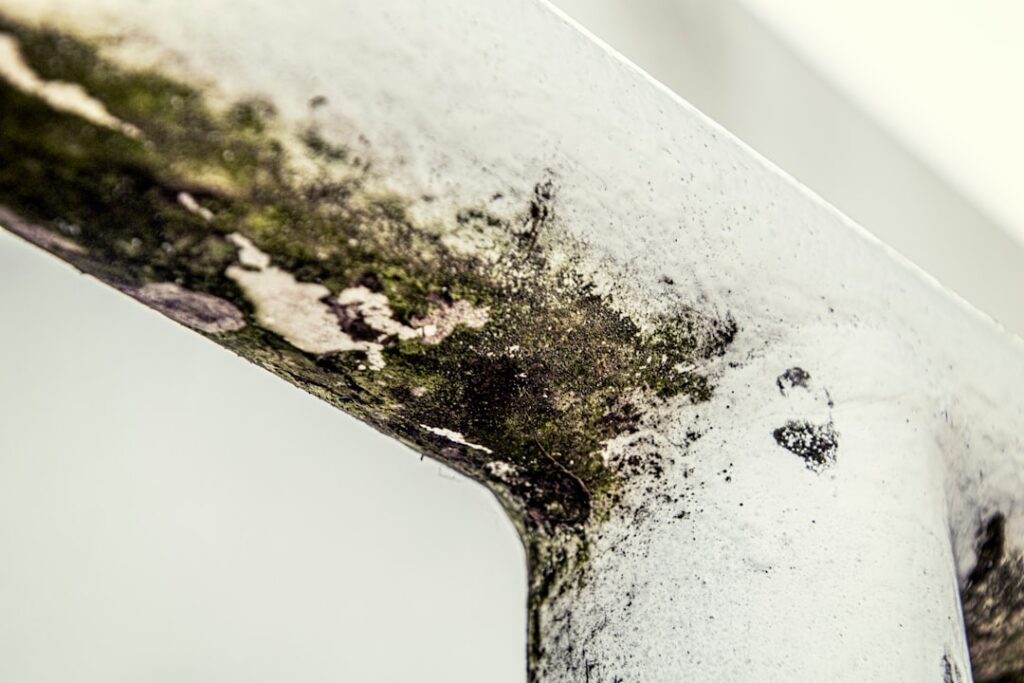
Mold and mildew get used interchangeably in casual conversation, but inspection workflow treats them differently because the underlying causes and remediation responses diverge. Mildew typically refers to surface fungal growth on damp but otherwise clean materials — bathroom grout, shower curtains, exterior siding. Mold, in inspection parlance, often implies deeper colonization on cellulose-rich materials with sustained moisture problems. Knowing which one a home has shapes both the testing protocol and the cleanup. This guide summarizes EPA and CDC guidance current as of 2026 and is general information; consult your physician for symptom evaluation and a credentialed assessor for testing decisions.
Is this mold, asbestos, or water damage? Get a free instant screen
Upload a clear photo of the suspect area. You'll get an instant AI screening opinion and what to do next. This is screening guidance, not a professional determination.
Screening guidance only. AI can be wrong. Confirm asbestos, mold type, or lead with lab testing or a licensed professional before acting.
Mildew vs Mold: The Working Definitions
Scientifically, “mildew” is not a distinct fungal kingdom — many of what homeowners call mildew are actually mold species (Aspergillus, Cladosporium, etc.) growing in conditions that limit their depth. The functional distinction inspectors use is practical: mildew is surface growth that wipes off cleanly, sits on non-porous or semi-porous substrates, and indicates a moisture management issue without structural compromise. Mold typically implies deeper colonization, often into porous materials (paper-faced drywall, framing lumber, fiberglass insulation paper, ceiling tile), and signals more serious moisture failure.
This distinction is not always clean. Surface growth that looks like mildew can hide deeper colonization in the substrate beneath. Inspectors use moisture meters, thermal imaging, and sometimes lift the corner of a material to confirm whether the growth is purely surface or extends into the substrate.
What a Mold and Mildew Inspection Actually Includes
A typical inspection runs in five phases. The pre-inspection interview captures water-event history, ventilation patterns, symptom timing, and recent renovation work. Visual and olfactory walkthrough documents staining, discoloration, paint failures, and odors with time-stamped photographs. Moisture mapping uses pin and pinless meters at multiple points (drywall, framing, baseboard, subfloor) to identify wet zones. Thermal imaging with a FLIR or Seek camera locates cool spots that often correlate with hidden moisture. Targeted sampling — surface tape lift, swab, air sample, or wall cavity sample — confirms findings where the visual and instrumental evidence warrants.
The inspector documents conditions room by room, noting RH, temperature, dew point, and HVAC operation. The deliverable is a written report with photographs, moisture maps, sample results, and prioritized recommendations.
Where Mildew Typically Shows Up
Five locations dominate. Bathroom grout and tile (poor exhaust ventilation, water spray on surfaces). Shower curtains and bath mats (moisture without drying time). Exterior siding on shaded north walls (chronic dampness from rain and dew). Window sills and frames (condensation in winter). Refrigerator door seals and washing machine gaskets (constant moisture from cycles). These locations almost universally have a moisture-management explanation: failing exhaust fans, caulking gaps, drainage failures, or simply lack of drying time.
Surface mildew rarely indicates a structural problem. Cleaning with detergent and water, often followed by an EPA-registered mildew-control product, addresses most cases. Improving ventilation and drying time prevents recurrence.
Where Mold (Deeper Colonization) Typically Shows Up
Five locations dominate. Drywall behind plumbing fixtures (slow leaks). Subfloor under bathrooms (wax-ring failures, supply-line drips). Wall cavities adjacent to exterior penetrations (failed flashing, ice-dam infiltration). Ceiling tiles below upstairs bathrooms or roof leaks. Basement and crawl-space framing where seepage or condensation has soaked materials over time.
These locations typically require non-invasive screening (thermal imaging plus moisture mapping) followed by targeted invasive sampling (borescope plus wall-cavity air sample) to confirm the extent of colonization. Cleanup involves containment, controlled removal of affected porous materials, HEPA cleaning, drying verification, and post-remediation clearance per IICRC S520. Layered diagnostic detail sits at the mold inspection hub.
How Inspectors Distinguish the Two
Three indicators separate surface mildew from deeper mold during inspection. Substrate type — non-porous (tile, sealed metal, glass) or semi-porous (sealed wood, painted drywall in good condition) usually limits mold to surface mildew, while bare cellulose (paper-faced drywall, fibrous insulation paper, exposed framing) supports deeper colonization. Moisture meter readings — surface mildew typically corresponds to localized surface moisture from spray or condensation, while deeper mold tracks with sustained elevated readings deeper into the substrate. Visual depth — mildew wipes off cleanly with detergent, while mold leaves staining and material damage that does not clean off and may continue beneath the surface.
Inspectors who confirm the difference take a sample. A tape lift on suspect mildew identifies the genus and helps confirm whether the situation matches expectations. If the genus is consistent with surface ambient growth (Cladosporium, common Aspergillus species) and the substrate is non-porous, the assessment leans toward mildew with a moisture-management fix. If the genus includes Stachybotrys or Chaetomium, or if the substrate is porous and the moisture readings are high, the assessment leans toward deeper mold needing remediation.
Treatment Differences
Mildew treatment is typically homeowner-DIY territory. EPA recommends cleaning small areas (under ten square feet on non-porous surfaces) with detergent and water, wearing N95 respirators and gloves. EPA-registered mildew-control products work for ongoing prevention. Bleach is not always recommended on porous materials because it does not penetrate well and can damage surfaces; for non-porous surfaces, dilute bleach or commercial mildew remover is acceptable.
Mold treatment on porous materials over ten square feet typically warrants professional remediation under IICRC S520. The procedure involves containment with 6-mil polyethylene barriers, negative-pressure HEPA-filtered air machines, controlled removal of affected porous materials, HEPA vacuuming and cleaning of remaining surfaces, drying verification, and third-party post-remediation clearance. The technical procedure does not change based on what the homeowner calls the growth — it changes based on substrate and extent.
Cost Structure for Mold and Mildew Inspection
A standard residential inspection that covers both mildew and mold typically runs $400 to $900 for a single-family home, including thermal imaging, moisture mapping, and three to five samples sent to an AIHA-LAP accredited lab. Single-room mildew confirmation with one tape lift sample runs $150 to $300. Whole-house mold investigations with extensive sampling, wall-cavity samples, and detailed reports can reach $1,200 to $2,500.
Beware bundled “free” inspections from remediation contractors. The inspection is priced into the cleanup quote, and the conflict undermines results regardless of technician competence.
Front Range Considerations
Colorado’s dry climate generally limits mildew prevalence compared to humid coastal regions, but specific microclimates within homes still support growth. Bathrooms with poor exhaust ventilation, basements with seasonal seepage, swamp-cooler-served homes during summer humidification cycles, and ice-dam-affected eaves during freeze-thaw winters all produce locally elevated moisture. Inspectors familiar with Front Range climate patterns identify the actual source rather than over-treating ambient conditions. Cross-reference broader moisture-management guidance in how to detect mold in your home.
What a Mildew-Only Finding Means in a Real-Estate Inspection
During pre-purchase inspections, surface mildew in bathrooms is common and usually not a deal-breaker. Buyers and agents should distinguish between cosmetic surface mildew (cleanable with detergent, often improved with a fan upgrade) and deeper mold finding (requiring professional remediation and follow-up clearance). Sellers often address surface mildew before listing; buyers should verify whether the cleaned area still tracks dry with a moisture meter and whether any underlying ventilation issue has been corrected.
When DIY Cleanup Is Appropriate
EPA’s published guidance is consistent: homeowners can clean mold or mildew on non-porous surfaces under ten square feet using detergent and water with proper PPE (N95 respirator, gloves, eye protection). Beyond that area, on porous materials, or in cases involving HVAC systems or known sensitization in occupants, professional remediation under IICRC S520 is appropriate. Do not aggressively brush, sand, or use leaf blowers in any area with visible mold — those approaches aerosolize spores and spread contamination.
Five Vetting Questions for an Inspector
Will the inspector use thermal imaging and moisture mapping during the visit, or just visual inspection? Will the report distinguish between surface mildew and deeper colonization based on substrate evidence? Will sampling be sent to an AIHA-LAP accredited lab? Will the report include a same-day outdoor control if air sampling is included? Will the firm also offer remediation, and if so, how is the conflict managed? Reasonable answers to all five filter the field substantially.
Documentation to Keep Long Term
Five documents matter. The inspection report with photographs of findings. Moisture meter readings at suspect locations. Any lab analysis with chain-of-custody. The lab’s AIHA-LAP accreditation page (if sampling was included). The inspector’s credential certificate. Save them as PDFs in a single folder. Colorado seller-disclosure law requires sellers to disclose known material defects, which can include past mildew or mold findings even when fully resolved. Clean records make disclosure routine rather than complicated, and they also serve as baseline data if any future remediation clearance is needed.
The Practical Bottom Line
For most Front Range homes, mildew is a maintenance issue and mold is an event-driven structural concern. Surface mildew responds to ventilation upgrades, drying-time adjustments, and routine cleaning with detergent. Deeper mold requires moisture-source diagnosis, professional remediation under IICRC S520 for areas over ten square feet on porous materials, and third-party post-remediation clearance. A credible mold and mildew inspection identifies which category applies, documents the evidence with instruments and photographs, and recommends the appropriate response without bundling assessment with remediation services. Skip free inspections that come with immediate remediation quotes — the conflict structure undermines the result regardless of technician competence.
References
- EPA Brief Guide to Mold, Moisture and Your Home — U.S. Environmental Protection Agency
- CDC About Mold in the Home — Centers for Disease Control and Prevention
- EPA Mold Cleanup in Your Home — U.S. Environmental Protection Agency
- InterNACHI Mold Inspection Standards — International Association of Certified Home Inspectors
Front Range homeowners debating whether their situation is mildew or active mold can save time by speaking with a vetted local inspector before scheduling lab work. Reach out through our contact page for a connection.