Mold Mildew Inspection: What a Visual Check Covers
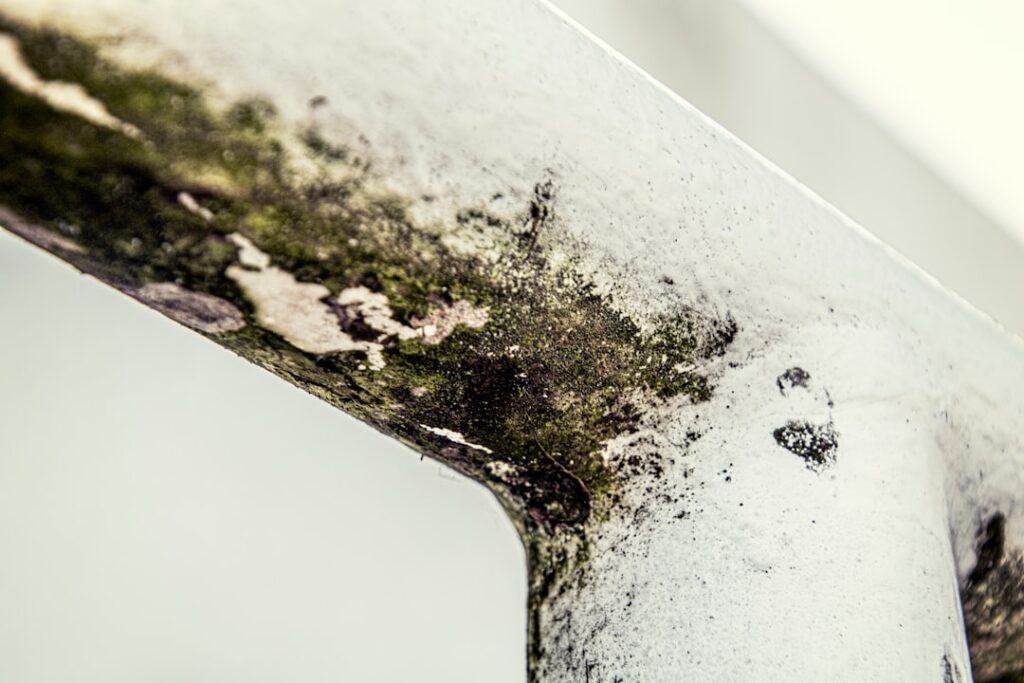
A mold mildew inspection is the structured walk-through that comes before any lab testing. The inspector hunts for visible growth, traces moisture pathways, and documents the conditions that let mold take hold. This matters because mold is almost never a standalone problem: it is a symptom of water that should not be there. This guide summarizes EPA and CDC guidance current as of 2026 and is informational only — consult your physician about health symptoms and a certified professional for testing and remediation decisions. Homeowners across the Front Range, from Denver basements to El Paso County crawlspaces, deal with the same root cause: moisture meeting an organic surface.
Part of our Mold Testing & Inspection guide — start there for the full picture →
Is this mold, asbestos, or water damage? Get a free instant screen
Upload a clear photo of the suspect area. You'll get an instant AI screening opinion and what to do next. This is screening guidance, not a professional determination.
Screening guidance only. AI can be wrong. Confirm asbestos, mold type, or lead with lab testing or a licensed professional before acting.
What a Mold and Mildew Inspection Actually Covers
The core of an inspection is observation, not sampling. A qualified inspector starts with a room-by-room visual survey, looking for discoloration on drywall, ceilings, baseboards, window frames, and around plumbing penetrations. Mildew tends to sit on the surface as a flat, powdery film, while deeper mold colonies push into porous materials. The inspector notes color, texture, and pattern, because growth that radiates from a single point often points to a hidden leak behind it.
Beyond the eyes, the inspection relies on instruments. A moisture meter reads the dampness of building materials without cutting into them, flagging walls that look dry but hold trapped water. Many inspectors carry a thermal camera to spot temperature differences that hint at moisture behind a surface, and a hygrometer to record indoor relative humidity. The EPA notes that indoor humidity above roughly 60 percent encourages mold growth, so those readings frame the whole report.
A thorough inspection also covers the places homeowners rarely check: the underside of sinks, the back of HVAC closets, attic sheathing, and the rim joist in a basement. Inspectors look at the building’s drainage, grading, and gutter discharge because exterior water management drives most interior mold problems. The output is a written report describing what was found, where moisture is elevated, and what the likely source is.
Inspection vs Testing: Two Different Jobs
People often use “inspection” and “testing” as if they mean the same thing. They do not. An inspection answers “is there a moisture and mold problem, and where?” Testing answers “what species is present and at what concentration?” The CDC and EPA both take the position that if you can see or smell mold, sampling is usually unnecessary — the cleanup is the same regardless of the species.
Testing has a real role in specific situations: confirming whether a cleanup was successful, settling a dispute between a buyer and seller, or investigating occupant health complaints when no visible growth is found. Air sampling measures airborne spore counts and compares indoor to outdoor baselines, while surface or tape-lift samples identify what is growing on a given spot. These methods carry cost and interpretation challenges, which is why a competent inspection comes first. For the broader picture of how detection and lab work fit together, our overview of how mold inspection and testing work together walks through the sequence.
When Sampling Adds Value
Air sampling is most defensible when growth is suspected behind walls but not visible, or when a sensitive occupant reports symptoms with no obvious source. Post-remediation verification is the other strong case: a clearance test after cleanup gives documented evidence the work succeeded. Outside those scenarios, paying for testing on obvious visible mold rarely changes the action plan.
How to Tell Mold From Mildew
Mildew is technically a type of mold, but homeowners use the word for the thin, surface-level growth that shows up on shower tile, grout, and damp fabric. It is usually gray, white, or light brown and wipes away with cleaning. What people call “mold” is the thicker, often darker or fuzzy growth that has rooted into a porous material like drywall paper or wood.
The practical distinction is depth. Surface mildew on a non-porous tile responds to routine cleaning and better ventilation. Growth that has penetrated drywall or framing cannot be fully cleaned off — the material itself becomes the food source and often has to be removed. An inspection helps draw that line by combining what is visible with moisture readings of the material underneath. If the wall behind a stain reads wet, the problem is bigger than the surface suggests.
Common Moisture Sources Inspectors Trace
Mold needs water, so the inspection is really a moisture investigation. The usual culprits fall into a few categories. Plumbing leaks under sinks, behind toilets, and at supply-line connections cause slow, hidden saturation. Roof and flashing failures let water travel along framing far from the actual entry point. Basement and foundation moisture, common in Colorado homes with below-grade living space, wicks through concrete and accumulates where airflow is poor.
Condensation is the quieter source. Cold surfaces in winter, single-pane windows, uninsulated ductwork, and bathrooms without working exhaust fans all collect water from humid indoor air. Inspectors pay attention to ventilation because a bathroom that vents into an attic instead of outdoors dumps moisture exactly where it causes damage. Identifying the source is non-negotiable: cleaning visible mold without fixing the water guarantees it returns.
What to Expect During the Appointment
A residential inspection typically runs one to three hours depending on the size of the home and how many problem areas exist. The inspector should ask about the home’s history first: past leaks, flooding, recent roof or plumbing work, and any musty odors occupants have noticed. That conversation directs the search.
Expect the inspector to move methodically through every level, including the attic and crawlspace where access allows. They will photograph findings, take moisture and humidity readings, and may recommend opening a wall cavity if instruments suggest hidden growth. A good report ranks findings by severity and ties each one to a moisture source and a recommended fix. If you are comparing providers, the same vetting logic applies whether you need an inspection or a referral to a remediation contractor — start with the mold inspection and testing hub for a plain-language overview of the whole process.
How Inspectors Use Their Instruments
The tools an inspector carries each answer a specific question, and understanding what they do clarifies why the report says what it says. A pin-type moisture meter pushes two small probes into a material and measures electrical resistance, which changes with moisture content; a pinless meter reads through the surface without leaving marks. Inspectors compare a suspect area against a known-dry reference area in the same material, because the meaningful signal is the difference, not an absolute number. A wall reading much wetter than its dry neighbor flags trapped moisture even when the surface looks clean.
Thermal cameras do not see mold or moisture directly. They map surface temperature, and wet materials tend to read cooler because evaporation pulls heat away. An inspector uses the camera to find anomalies worth probing with the moisture meter, not as proof on its own. Hygrometers record the room’s relative humidity and temperature, which together indicate how close surfaces are to the dew point where condensation forms. Read together, these instruments turn a visual hunch into documented evidence, which is what separates a professional inspection from a casual look.
How to Prepare Your Home for the Inspection
A few simple steps help the inspector work efficiently and produce a more complete report. Clear access to likely problem areas: move stored boxes away from basement walls, clear the space under sinks, and make sure the attic hatch and crawlspace entry are reachable. The inspector cannot evaluate what they cannot get to, and limited access becomes a noted limitation in the report rather than a finding.
Write down the home’s water history before the appointment. Note any past leaks, flooding, roof or plumbing repairs, and where you have noticed musty odors or seen previous growth, along with roughly when each occurred. Mention any recent changes such as a new bathroom fan or a finished basement. This context directs the search toward the areas most likely to hold hidden moisture and saves time the inspector would otherwise spend hunting blind. The more accurate the history, the more targeted and useful the findings.
Reading and Acting on the Inspection Report
A useful report does more than list spots of growth. It ties each finding to a probable moisture source, ranks issues by severity, and recommends a course of action. When you receive it, read the moisture and humidity readings alongside the visual findings, because a dry surface stain is a very different problem from a stain over a wall that reads saturated. The report’s value is in helping you prioritize: which items need prompt attention, which can be monitored, and which require a specialist.
Act on the moisture source first, then the visible growth. A report that recommends fixing a leaking supply line and improving bathroom ventilation is pointing at the root cause; cleaning the mold without those fixes only resets the clock. If the report recommends remediation beyond a homeowner’s scope, use it as the scope document when getting quotes, so contractors bid against the same defined work. Keeping the report on file also helps at resale, documenting that a past issue was identified and addressed.
When to Call a Professional
Homeowners can handle small, surface mildew on hard, non-porous surfaces. The EPA’s general guidance is that visible mold covering less than about 10 square feet is reasonable for a homeowner to clean, provided the moisture source is fixed. Beyond that, professional involvement makes sense, especially when growth spans a large area, recurs after cleaning, follows sewage or contaminated water, or sits inside HVAC systems. An inspector who finds elevated moisture but no visible growth may still recommend opening a wall cavity, because hidden colonies behind drywall are common where water has been trapped for weeks.
Professional inspection is also worth it before a home purchase, after any significant water event, or when occupants have unexplained respiratory symptoms that improve away from the house. The inspection itself does not fix anything, but it gives you an accurate map of the problem so that remediation money is spent where it counts rather than on guesswork. For Front Range buyers especially, bundling a mold-focused inspection with radon testing during the purchase contingency period is a practical way to understand a home’s full moisture and air-quality picture before closing.
Choosing a Qualified Mold Inspector
Because mold inspection is not licensed in every state, the burden of vetting falls on the homeowner, and the criteria matter. Look for an inspector who carries relevant credentials and follows a recognized standard of practice, who uses calibrated moisture meters and ideally thermal imaging, and who provides a written report rather than a verbal summary. Membership in a trade association signals adherence to a code of ethics, which is particularly important given the potential conflict of interest when the same company both inspects and sells remediation.
Independence is the key consideration. An inspector who only inspects, and does not also bid the remediation work, has no financial incentive to inflate findings. If a company offers both, ask how they manage that conflict, and consider getting the assessment from one party and the cleanup from another. Ask for a sample report, confirm what instruments they use, and check that they evaluate the moisture source rather than simply cataloging visible growth. The best inspectors frame their job as finding the water problem behind the mold, not just confirming that mold exists.
What Happens After the Inspection
The inspection is a starting point, not an endpoint. Once you have the report, the next steps follow its findings. If the inspector identified a moisture source and limited surface growth, you may be able to address both yourself within the EPA’s general do-it-yourself limits. If the report points to extensive growth, saturated materials, or hidden colonies behind walls, the next step is obtaining remediation quotes using the report as the scope document.
Keep the report on file regardless of outcome. It documents the home’s condition at a point in time, which matters for insurance, for resale disclosure, and for verifying later that an addressed problem stayed fixed. If remediation follows, a post-remediation inspection or clearance check confirms the work succeeded and the area is dry. This bookend — inspect, remediate, verify — is how a mold problem gets genuinely resolved rather than temporarily hidden. Treating the inspection report as a living record of the home’s moisture history serves you well beyond the immediate concern.
More Questions About Mold and Mildew Inspections
Is a mold inspection worth it before buying a house?
A mold inspection is often worth it before buying a house when the standard home inspection notes water stains, a musty smell, a damp basement or crawl space, or past flooding, because remediation can cost far more than the inspection.
Most standard home inspections note visible mold-like growth but do not include moisture mapping or sampling. Scheduling a mold assessment within the inspection contingency period gives the buyer time to negotiate repairs or credits. Older homes, homes vacant for months and homes with finished basements are frequent candidates.
Can a home inspector do a mold inspection?
Some home inspectors offer mold inspection as an add-on service, but a standard home inspection is a visual review of the house and typically reports only obvious signs of mold or moisture.
Training and licensing for mold work vary by state; a few states license mold assessors, while many do not. Ask what the add-on includes: moisture meter readings, an infrared scan, sampling, an outdoor comparison sample and a written report. Credentials such as those from ACAC or similar bodies indicate specific mold assessment training.
Does a mold inspector check the attic and crawl space?
A thorough mold inspection includes the attic and crawl space when they are safely accessible, because these spaces often hold the moisture problems that lead to mold elsewhere in the house.
In attics, inspectors look for dark staining on roof sheathing, frost or condensation marks, blocked soffit vents and bathroom fans venting into the attic. In crawl spaces, they check for standing water, missing or torn vapor barriers, damp insulation and growth on joists. Confirm before booking whether these areas are included in the quoted price.
Do renters need a landlord’s permission for a mold inspection?
Renters can usually hire a mold inspector for their own unit, but it is wise to notify the landlord in writing first, and access to common areas, walls or crawl spaces requires the landlord’s permission.
Reporting the problem in writing and allowing the landlord time to respond is often required before tenants can use remedies under state law. Some cities have housing code inspectors who check for mold and moisture at no cost. Photos, dated notes and the inspection report help document conditions.
References
- EPA guidance on mold cleanup in the home — U.S. Environmental Protection Agency
- CDC overview of mold and health — Centers for Disease Control and Prevention
- A Brief Guide to Mold, Moisture and Your Home — U.S. Environmental Protection Agency
Frequently asked questions
Is a mold inspection the same as a mold test?
No. An inspection is a visual and moisture-mapping survey that finds where mold and water problems are. A test takes air or surface samples to identify species and spore counts. Most situations need only the inspection because cleanup is the same regardless of species.
Do I need testing if I can already see mold?
Usually not. The EPA and CDC note that visible mold should simply be cleaned and the moisture source fixed. Testing is most useful for hidden growth, dispute resolution, or confirming a cleanup worked.
How long does a mold and mildew inspection take?
A typical home inspection runs one to three hours, depending on the size of the property and how many problem areas the inspector investigates, including attic and crawlspace access.
What moisture level encourages mold growth?
Indoor relative humidity above roughly 60 percent and wet building materials both favor growth. Inspectors record humidity and material moisture readings to identify at-risk areas.
Can a mold inspection find mold inside walls without cutting?
A mold inspection can often detect signs of mold inside walls without cutting, using moisture meters, infrared cameras and sometimes wall-cavity air samples taken through a small hole. These tools point to likely problem areas, but confirming growth on hidden surfaces can still require opening the wall.
Should the mold inspector also do the cleanup?
Many experts recommend hiring a mold inspector who does not perform remediation, to avoid a conflict of interest in recommending work. Some states with mold licensing require this separation. An independent assessor can also perform post-remediation verification to confirm the job was done properly.
What should a mold inspection report include?
A mold inspection report should include the areas inspected, photos, moisture readings with locations, any sampling results with an outdoor comparison, the likely moisture source, and practical recommendations. Vague reports that only list spore counts without explaining causes or next steps offer limited value.
Front Range homeowners who want a clear read on a moisture or mold concern before buying or remediating can connect with a vetted local inspector through our contact page.