Mold Inspection and Testing: The Complete Guide
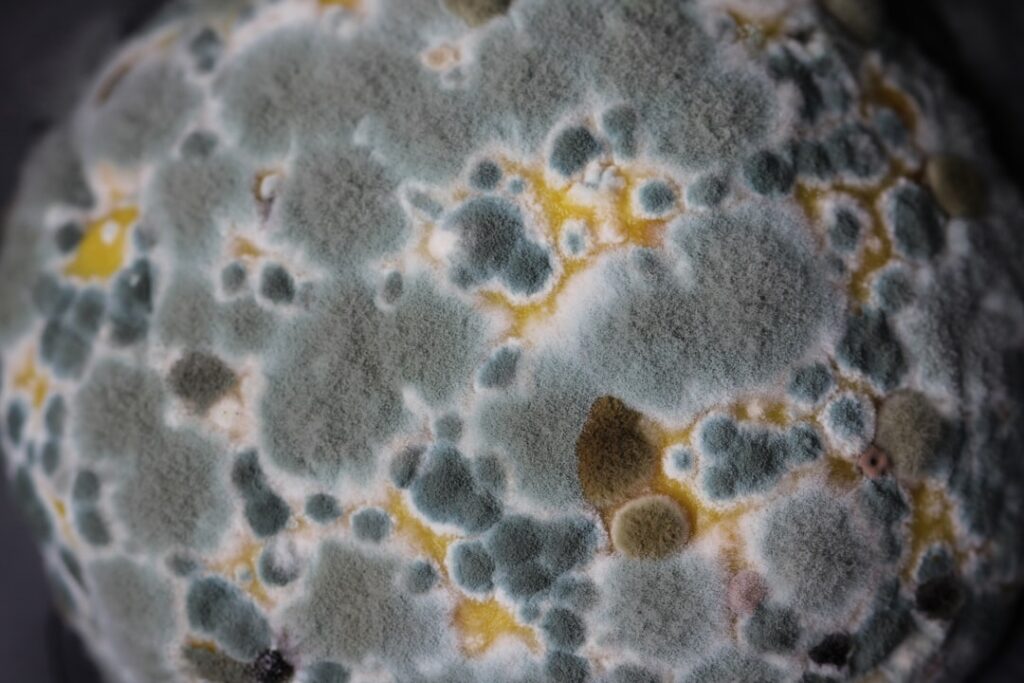
Mold inspection and testing are often treated as one service, but they answer different questions and use different methods. An inspection looks for where mold and moisture are; testing measures what is in the air or on a surface. Understanding the distinction helps homeowners spend wisely, avoid unnecessary lab work, and know when a professional is genuinely worth hiring. This guide summarizes EPA, CDC, and trade-association guidance current as of 2026 and is general information, not medical advice or a substitute for a certified mold professional.
Part of our Mold Testing & Inspection guide — start there for the full picture →
Is this mold, asbestos, or water damage? Get a free instant screen
Upload a clear photo of the suspect area. You'll get an instant AI screening opinion and what to do next. This is screening guidance, not a professional determination.
Screening guidance only. AI can be wrong. Confirm asbestos, mold type, or lead with lab testing or a licensed professional before acting.
Inspection vs. Testing: The Core Difference
A mold inspection is a physical, visual, and moisture-based evaluation of a building to find existing growth and the water conditions that cause it. Mold testing is the collection of samples, from air or surfaces, sent to a laboratory to identify and quantify mold. The two are complementary: inspection locates the problem, testing characterizes it.
An important framing comes from public-health agencies. The EPA and CDC both note that sampling is usually not necessary to decide whether to clean up mold, because if you can see or smell mold, it should be removed regardless of type. Visual inspection, in other words, often answers the only question that matters for action. Testing earns its cost in specific situations, covered below, rather than as a routine first step.
What a Mold Inspection Finds
A thorough inspection combines a careful visual survey with moisture detection, because mold and water travel together. It is the diagnostic backbone of any mold problem.
Visual Survey
The inspector examines the likely trouble spots, such as bathrooms, basements, crawl spaces, attics, around plumbing, behind appliances, and along exterior walls, for visible growth, staining, and water damage. Recognizing what mold looks like across colors and textures is part of the skill; our guide on what mold in a house looks like covers the visual basics, and a persistent musty odor with no visible growth prompts a deeper search.
Moisture Mapping
This is what separates a real inspection from a glance. Using moisture meters and sometimes thermal imaging, the inspector maps where materials are damp behind and beneath surfaces, often revealing that the wet area extends far past the visible stain. Moisture mapping points to the source, a leak, condensation, or below-grade intrusion, which is the thing that actually has to be fixed.
What Mold Testing Finds
Testing collects samples for laboratory analysis to identify mold types and estimate concentrations. It answers questions a visual inspection cannot, but it also has real limits, since there are no federal standards for acceptable indoor mold levels, so results require expert interpretation.
Air Sampling
Air samples capture spores from the indoor air, usually compared against an outdoor control sample taken the same day. Because outdoor air always contains spores, the comparison, not an absolute number, is what gives the result meaning. Air sampling can detect elevated spore counts that suggest hidden growth even when nothing is visible.
Surface Sampling
Surface samples, taken by swab, tape lift, or bulk material, identify whether a visible substance is actually mold and what type it is. This confirms an ambiguous patch or documents a specific colony, but it does not measure airborne exposure.
The Lab and Its Accreditation
Sample quality only matters if the lab is credible. Reputable analysis comes from laboratories accredited for environmental microbiology, such as those participating in AIHA’s laboratory accreditation programs or NVLAP-accredited facilities. Accreditation indicates the lab follows validated methods and quality controls, which is what makes a result defensible.
When Testing Is Actually Worth It
Given that visible mold should simply be removed, testing makes sense in a narrower set of cases. It is useful when a musty odor or health concern exists but no growth is visible, and air sampling can help locate hidden mold. It helps verify a remediation succeeded, through post-remediation clearance testing that compares conditions to a baseline. It supports disputes, insurance claims, or real-estate transactions where documentation matters. And it can confirm whether an ambiguous substance is mold at all.
Testing is generally not worth it as a routine check when mold is already visible, since the action, removal and a moisture fix, is the same regardless of the lab result. The EPA’s position is that money is usually better spent fixing the problem than sampling it.
When to Hire a Professional
Many small mold situations are within a homeowner’s reach, but several signals call for a professional inspector or remediator. Growth larger than about ten square feet, per EPA guidance, warrants professional remediation with containment and air management. Mold from flooding or sewage, mold inside HVAC systems, hidden growth requiring demolition to reach, recurring mold that returns after cleaning, and any case where occupants have health concerns all favor professional involvement.
A qualified professional brings moisture-mapping tools, knowledge of where mold hides, access to accredited labs, and the experience to interpret results that have no federal benchmark. Trade associations such as ASHI and InterNACHI offer ways to verify credentials and standards of practice. For locating and screening a local pro, see our guide to vetting mold testing services near you, which covers the questions worth asking before hiring.
What to Expect During the Process
A typical engagement starts with the inspection: a walkthrough, a visual survey of high-risk areas, and moisture mapping to find dampness and trace its source. If testing is warranted, the inspector collects air or surface samples, including outdoor controls for air sampling, and submits them to an accredited lab. A written report follows, describing what was found, where, the likely moisture source, any lab results with interpretation, and recommended next steps.
From there, the path is removal and moisture correction. Hard surfaces are cleaned and kept; porous materials that absorbed mold are typically removed and replaced, per EPA guidance. The work ends only when the area is visibly clean, fully dry, free of musty odor, and the moisture source is fixed, with the CDC’s target of 30 to 50 percent indoor humidity maintained afterward. People with asthma, allergies, or weakened immune systems should stay clear during disturbance and consult a physician about symptoms. For the broader collection of related homeowner guides, the mold inspection and testing hub ties the topics together.
How to Read a Mold Inspection or Testing Report
A written report is the deliverable that turns an inspection and any testing into action, and knowing how to read one prevents both panic and false reassurance. A solid report has several parts. The findings section describes what was observed and where, including visible growth, water staining, and odor, with locations specific enough to act on. The moisture section reports where materials were found damp and identifies or hypothesizes the source, which is the part that drives the actual fix.
If sampling was performed, the lab results section presents the data, usually spore types and counts for air samples, compared against the outdoor control. This is where interpretation matters most, because there are no federal numeric limits for indoor mold, so a result is meaningful only in comparison and in context. A reputable report explains what the numbers suggest rather than leaving a homeowner staring at raw counts. Finally, the recommendations section lays out next steps, from cleaning specific surfaces to removing porous materials to correcting the moisture source.
Red flags in a report include alarming language without supporting evidence, a push toward extensive remediation from a company that also sells that remediation, or results presented without an outdoor comparison. A trustworthy report ties every recommendation to a documented finding, and any homeowner should expect that level of evidence before acting on it.
Inspection and Testing in a Real-Estate Transaction
Mold inspection and testing take on a particular shape during a home purchase or sale, where documentation and timing matter more than in routine homeownership. A general home inspection may note visible mold or moisture but typically is not a specialized mold assessment, so buyers concerned about mold often arrange a dedicated inspection within their inspection contingency window.
In this context, testing is more commonly justified than in everyday situations, because it documents conditions at a moment in time for negotiation, disclosure, or peace of mind. Air sampling can support a concern that something is growing out of sight, and surface sampling can confirm whether a suspicious patch is mold. The results may inform repair requests, price negotiations, or a decision to walk away. Because there are no federal mold standards, the value lies in documentation and in identifying moisture problems the seller may need to address, not in a pass-fail number.
For Front Range buyers, a mold assessment is most worthwhile on homes with basements, a history of water issues, or visible staining and musty odors. Pairing it with a clear understanding of what inspection versus testing each provides keeps the spending sensible before committing to lab work.
Limits of Mold Testing Homeowners Should Understand
Testing can sound authoritative, and homeowners sometimes treat lab numbers as a definitive verdict, but the method has real limits that shape how much weight a result should carry. The most fundamental limit is that there are no federal standards for acceptable indoor mold levels, so no test can return a simple pass or fail. A spore count means something only in comparison, typically against an outdoor control sample taken the same day, and in the context of what the inspection found.
Air sampling captures a snapshot in time. Spore levels fluctuate with activity, weather, and ventilation, so a single sample reflects one moment, not a steady state. A sample taken on a still day may differ from one taken when the HVAC system is running and stirring up settled spores. This variability is why interpretation by an experienced professional matters more than the raw number, and why a single surprising result should be read cautiously.
Surface sampling confirms whether a substance is mold and what type, but it does not measure exposure or quantify how much is in the air. Both methods identify what is present without establishing health risk, since the relationship between specific spore counts and symptoms is not well defined, a point both the EPA and CDC make. Testing also cannot, by itself, locate hidden growth; it can suggest that something is growing out of sight, but the inspection’s moisture mapping is what finds where.
The practical conclusion is that testing is a useful tool for specific questions, confirming an ambiguous substance, supporting documentation, or verifying a remediation, rather than a routine measurement that decides whether a home is safe. For most homeowners, visible mold should simply be removed and the moisture fixed, with the inspection doing the diagnostic work and testing reserved for the narrower cases where its data genuinely changes the decision.
References
- Mold and Health — U.S. Environmental Protection Agency
- About Mold and Your Health — Centers for Disease Control and Prevention
- Mold Cleanup in Your Home — U.S. Environmental Protection Agency
- Mold Inspection Standards — International Association of Certified Home Inspectors
Frequently asked questions
What is the difference between mold inspection and mold testing?
Inspection is a physical, visual, and moisture-based evaluation that finds where mold and water are. Testing collects air or surface samples for lab analysis to identify mold types and concentrations. Inspection locates the problem; testing characterizes it, and the two are complementary.
Do I need mold testing if I can already see mold?
Usually no. The EPA and CDC note that visible mold should be removed regardless of type, so testing rarely changes the action. Testing is most useful for hidden mold, post-remediation verification, disputes, or confirming an ambiguous substance.
What makes a mold lab result trustworthy?
The analyzing laboratory should be accredited for environmental microbiology, such as AIHA-accredited or NVLAP-accredited facilities. Accreditation means the lab follows validated methods and quality controls. Because there are no federal limits for indoor mold, results also require expert interpretation.
When should I hire a mold professional?
Hire a professional for growth larger than about ten square feet, mold from flooding or sewage, mold in HVAC systems, hidden or recurring growth, or any situation involving occupant health concerns. Professionals bring moisture-mapping tools and access to accredited labs.
For a thorough mold inspection and testing assessment, Front Range homeowners can reach out through our contact page to be matched with a vetted, qualified local inspector.