Does KILZ Kill Black Mold? What Primer Can and Can’t Do
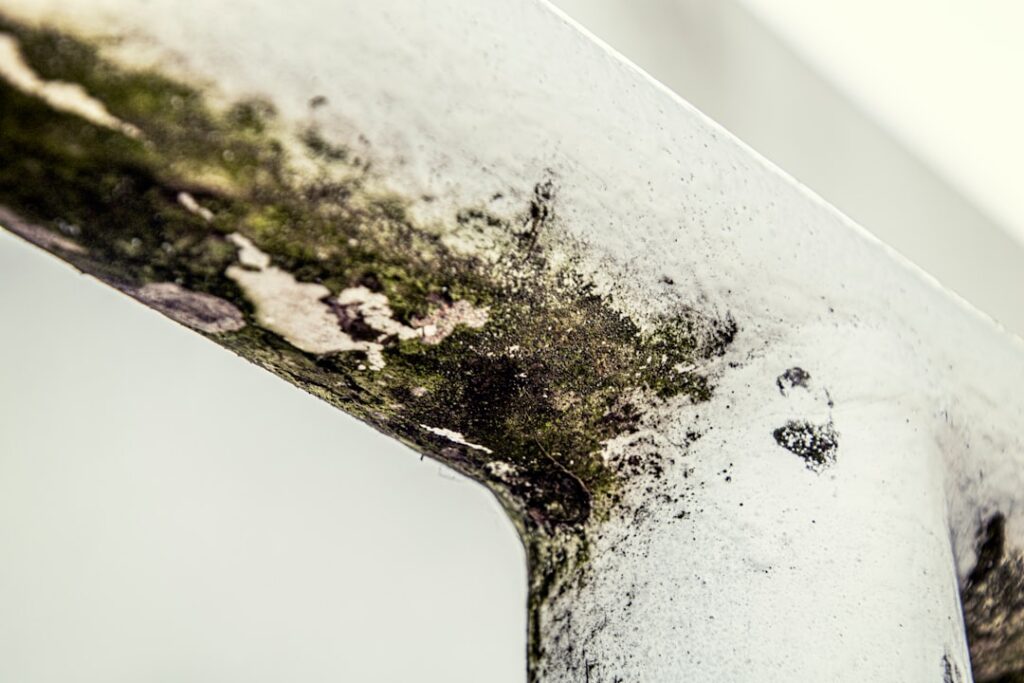
A dark patch of mold on a bathroom ceiling or bedroom wall leads a lot of homeowners straight to the paint aisle, and the question they ask is usually some version of does KILZ kill black mold. The short answer is that a primer is not a mold treatment. KILZ and similar stain-blocking primers are designed to seal stains and odors so a topcoat looks clean, and some mold-resistant paints and primers include ingredients meant to resist new growth on the paint film itself. Neither of those things removes mold that is already growing. This guide explains what primer does, why the EPA says not to paint over moldy surfaces, the correct order of work, how primer compares with sprays, cleaners and drywall replacement, and when the wall itself has to go. It summarizes EPA guidance current as of 2026; consult a physician about health symptoms and a qualified professional for large or recurring problems.
Part of our Black Mold & Your Health guide — start there for the full picture →
Is this mold, asbestos, or water damage? Get a free instant screen
Upload a clear photo of the suspect area. You'll get an instant AI screening opinion and what to do next. This is screening guidance, not a professional determination.
Screening guidance only. AI can be wrong. Confirm asbestos, mold type, or lead with lab testing or a licensed professional before acting.
Does KILZ Kill Black Mold? The Short Answer
No primer should be relied on to kill and remove an existing mold colony. A standard stain-blocking primer is formulated to stop stains, water marks, smoke residue and odors from bleeding through a new coat of paint. It covers. It does not clean.
Some products sold as “mold-resistant” or “mildew-resistant” paints and primers contain mildewcides. These are intended to help the dried paint film resist new mold and mildew growth on its surface. That is a different job from killing a colony that is already rooted in the material underneath. Product formulations and label claims vary by line and change over time, so the only reliable way to know what a particular can claims is to read its current label and technical data sheet. This guide does not quote specific KILZ label text, and you should not rely on a summary of it either.
What the EPA does say is direct. In both its Brief Guide to Mold, Moisture and Your Home and its Mold Cleanup in Your Home page, the EPA instructs: do not paint or caulk moldy surfaces. Clean up the mold and dry the surfaces before painting. Paint applied over moldy surfaces is likely to peel.
So primer has a role, but it comes last, after the moisture is fixed and the mold is gone. For the wider context on black mold questions, see our black mold hub and the mold inspection pillar.
A note on the term “black mold”
The EPA’s mold course points out that “black mold” is not a species or specific kind of mold, and neither is “toxic mold.” Many molds can look dark. The color tells you little about the type and nothing about how to clean it. The same cleanup approach applies to dark growth as to any other color.
Why Painting Over Mold Fails
There are several reasons primer over mold tends to end badly, and they reinforce each other.
The moisture source is still there
The EPA’s course on mold states that moisture is the most important factor influencing mold growth indoors, and that moisture control is the key to mold control. Mold on a wall means that wall has been damp. Paint does not change the humidity in the room, the temperature of a cold exterior wall, or a slow leak behind a shower. If the conditions that grew the mold are unchanged, growth usually continues, and the new coating gives it something fresh to grow on or behind.
Paint over mold is likely to peel
The EPA says plainly that paint applied over moldy surfaces is likely to peel. Mold and the residue it leaves interfere with adhesion. A primer that cannot bond properly will lift, bubble or flake, often in exactly the spot you were trying to hide.
Covered mold is still there
Painting hides the stain but leaves the colony in place. The EPA notes that dead mold may still cause allergic reactions in some people, so it is not enough to simply kill mold; it must also be removed. Even if an additive did reduce surface activity, the material is still in the wall.
Porous materials may not be cleanable at all
Drywall paper, ceiling tiles and carpet are porous. The EPA explains that mold can grow on or fill in the empty spaces and crevices of porous materials, so it may be difficult or impossible to remove completely. Sealing a primer over moldy drywall paper does not address growth inside the paper or on the back of the board.
The Correct Order: Fix, Clean or Remove, Dry, Then Prime
Primer has a legitimate place in mold repair. It just belongs at the end of the sequence. Here is the order that lines up with EPA guidance.
Step 1: Find and fix the moisture
Repair the leak, improve ventilation, or lower indoor humidity. The EPA recommends keeping indoor humidity below 60 percent, ideally between 30 and 50 percent, venting bathrooms and dryers outdoors, and acting quickly when condensation appears on walls, windows or pipes. On the Colorado Front Range, cold exterior walls in winter and bathrooms without effective exhaust fans are common culprits.
Step 2: Size up the job
The EPA says that if the moldy area is less than about 10 square feet, roughly a 3 ft. by 3 ft. patch, most homeowners can handle it themselves. Larger areas, significant water damage, or contamination from sewage call for professional help. Do not run the heating and cooling system if you suspect it is contaminated.
Step 3: Clean hard surfaces, remove porous ones
For hard, non-porous surfaces, the EPA’s guidance is to scrub mold off with detergent and water and dry completely. For porous materials that are moldy, removal is often the only dependable option. Wear an N-95 respirator, gloves and non-vented goggles as the EPA recommends. Our guide to dealing with black mold on drywall walks through the decision in detail.
Step 4: Dry thoroughly
The EPA tells homeowners to dry surfaces before painting. Give cleaned or rebuilt areas time to dry, using fans and a dehumidifier. A moisture meter can confirm framing and drywall are back to normal readings before anything gets sealed in.
Step 5: Prime and paint
Now a stain-blocking primer is useful. It covers any residual shadow from cleaning, seals odors, and gives the topcoat a uniform base. In bathrooms and other damp rooms, a primer or paint marketed as mold- or mildew-resistant can be a sensible choice for the new finish, as long as the label claims match what you need. Our guide to stain-blocking primer compares oil-based, shellac and water-based options.
Reading the Label: What Mold Claims Actually Mean
Paint and primer cans make a range of claims, and the wording matters.
- “Stain-blocking” or “stain-sealing.” The product is meant to stop discoloration from bleeding through paint. It says nothing about killing mold.
- “Mold-resistant” or “mildew-resistant.” Typically means the dried film contains ingredients to resist growth on the coating. It is about the paint surface, not the material beneath.
- “Kills mold” or disinfection claims. Products that claim to kill microorganisms are pesticides under federal law and generally need EPA registration for those claims, which is why such products carry an EPA registration number on the label. If a can does not carry that number, treat any kill language with caution and check the exact wording and directions.
Even a product with registered antimicrobial claims does not override the EPA’s cleanup guidance. Its directions will usually require a clean surface, and the instruction not to paint over moldy surfaces still applies. A label is a set of instructions for using the product, not a promise that it solves a moisture problem.
A practical approach: read the label and the product’s technical data sheet before buying, follow the surface preparation section to the letter, and be wary of any marketing that suggests skipping cleanup.
Primer vs. Sprays vs. Cleaners vs. Replacement
Homeowners usually weigh several options at once. The table below summarizes what each one realistically does.
| Option | What it does | What it does not do | Best use |
|---|---|---|---|
| Stain-blocking primer | Seals stains and odors so paint covers evenly | Does not remove existing mold or fix moisture | Final step after cleanup and drying |
| Mold-resistant paint or primer | Helps the new paint film resist future growth, per label claims | Does not treat mold already in the wall | New finish in bathrooms and damp rooms |
| Mold removal spray | Cleans or treats surface growth, depending on product | Cannot reach growth inside porous drywall or wall cavities | Small surface areas on hard or sealed surfaces |
| Detergent and water | Physically removes mold from hard surfaces, as EPA recommends | Will not restore porous materials with deep growth | Tile, sealed wood, semi-gloss paint, fixtures |
| Bleach or disinfectants | Can kill surface organisms | EPA does not recommend biocides as routine practice; dead mold must still be removed | Specific cases by professional judgment |
| Drywall replacement | Removes contaminated porous material entirely | Does not fix the moisture source on its own | Stained-through, soft or recurring growth |
Sprays
Mold sprays range from detergent-based cleaners to registered disinfectants. On a sealed or hard surface they can help remove light growth. On bare or flat-painted drywall, spraying a liquid onto paper can push moisture deeper. Our review of mold removal spray for drywall covers which formulations suit which surfaces.
Household cleaners
Lysol, bleach, vinegar and hydrogen peroxide come up constantly. Each has limits on porous materials, and the EPA’s mold course states that biocides such as chlorine bleach are not recommended as a routine practice during mold cleanup. Never mix bleach with ammonia-containing products. Our comparisons cover each option: does Lysol kill black mold, does bleach kill black mold, vinegar and hydrogen peroxide.
The bigger picture
None of these products solves the underlying problem on its own. The EPA frames it as a two-part job: clean up the mold and fix the moisture problem. Our overview of how to kill black mold puts the options in that context.
When Drywall Needs Replacing Instead of Priming
Primer is the wrong tool whenever the wall material itself is compromised. Signs that a section of drywall should be cut out rather than cleaned and painted include:
- Staining that soaks through the paper face, or returns within days of cleaning.
- Soft, crumbling or sagging drywall.
- Bubbling or peeling paint over a damp area.
- Growth visible on the back of the board through an inspection cut.
- A wall that was wet for an extended period from a leak or flood.
Replacement means cutting out the affected area plus a margin, inspecting the framing and insulation behind it, drying the cavity, fixing the water source, then installing new drywall. At that point, priming the new board is routine finishing work. For a full walk-through, see our black mold removal guide.
If the affected area is larger than about 10 square feet, or if the mold followed a plumbing leak inside the wall, a professional assessment is the safer route. Opening walls can release spores, and containment matters.
Choosing a Primer After Cleanup
Once the surface is clean, dry and sound, the choice of primer is about the finish and the room, not about mold treatment. Stain-blocking primers generally fall into three families, and manufacturers, including KILZ, sell products in more than one of them.
Oil-based (alkyd) primers
Oil-based stain blockers have a long track record on water stains, smoke damage and tannin bleed. They tend to have stronger odor and longer cure times, and cleanup requires solvents. They are a common pick when a shadow from old water staining keeps ghosting through latex paint. Ventilate well and follow the label’s temperature and recoat guidance.
Shellac-based primers
Shellac primers dry quickly and are often chosen for severe odors and stubborn stains. They can be brittle on surfaces that flex and are typically less suited to areas with frequent temperature swings or high humidity unless the label says otherwise. Odor during application is strong, so airflow matters.
Water-based (latex or acrylic) primers
Water-based stain blockers have lower odor and easy cleanup, which makes them practical for bedrooms and occupied spaces. They tend to handle light stains well and heavier stains less consistently, which is why some products are marketed as enhanced stain blockers. Several water-based lines are also sold with mold- or mildew-resistant claims for bathrooms and kitchens.
Matching the primer to the room
- Bathrooms and laundry rooms: a primer and topcoat with mildew-resistant claims, plus a working exhaust fan, is a sensible pairing. The fan does more than the paint.
- Exterior walls with past condensation mold: any good stain blocker over properly cleaned or replaced drywall, combined with humidity control and better air circulation.
- Ceilings below a repaired leak: a stain blocker suited to water stains, applied only after the area has been checked dry with a moisture meter.
- New drywall after replacement: a standard drywall primer is often enough unless staining from adjacent areas needs to be blocked.
Whatever you choose, follow the label’s surface preparation steps. Most stain blockers expect a surface that is clean, dry and free of loose material, which is another way of saying the mold has to be gone first.
Front Range Patterns: Where Primer Gets Misused
A few situations come up repeatedly in Colorado homes, and each one tempts people to reach for primer too early.
Bathroom ceilings
Dark speckling on a bathroom ceiling, especially above the shower, is common in homes where the exhaust fan is undersized, noisy enough that nobody runs it, or vents into the attic instead of outdoors. Priming the ceiling hides the speckles for a few months. Fixing the fan, running it during and after showers, and cleaning the surface addresses the cause. If the ceiling drywall is stained through or sagging, replacement comes before any primer.
Cold exterior corners in winter
Front Range winters chill exterior corners, closets and the wall behind headboards. When indoor humidity rises from cooking, showers or a humidifier, condensation forms on those surfaces and mold follows. Painting the corner does nothing about the temperature difference. Lowering humidity toward the EPA’s 30 to 50 percent range, moving furniture away from the wall and checking insulation are the durable fixes.
Finished basements
Basement drywall near the floor or against foundation walls can grow mold from moisture moving through concrete or from a past water event. A coat of primer over that growth traps it against a damp substrate. Grading, gutters, downspout extensions and removal of affected drywall come first.
Pre-listing touch-ups
Fresh paint in one small area of an otherwise worn room can be innocent, but it is also a classic sign that something was covered. Buyers should mention it to their home inspector, who can look for moisture with a meter and note any concerns.
What to Do If Mold Was Already Painted Over
This happens often, especially in homes that changed hands. Previous owners or flippers sometimes prime and paint over mold before listing. Signs include paint that bubbles or peels in a localized patch, a dark shadow bleeding through fresh paint, or a musty smell in a room that looks freshly finished.
If you suspect it:
- Check the room’s humidity with a hygrometer, and look for leak sources above or behind the area.
- Gently scrape a small spot of loose paint and look at the surface underneath.
- If mold is present under the paint, treat it as a moldy surface: remove the paint and growth from hard surfaces, or cut out affected drywall.
- For large areas, or where you suspect growth inside the wall, bring in an inspector to trace the moisture.
The EPA notes that sampling is usually unnecessary when mold is visible. If the question is whether hidden growth exists behind a painted surface, a professional inspection that looks for moisture tends to be more useful than a consumer test kit.
Health Considerations and Who Should Do the Work
The EPA notes that molds can cause allergic reactions and irritation, and its mold course points out that dead mold can still be allergenic. People with asthma, mold allergies, weakened immune systems or chronic lung conditions should avoid the work area. If anyone in the home has symptoms that seem to track with a moldy room, that is a conversation for a physician.
For small surface jobs, a careful homeowner with the right protective equipment can usually follow the EPA’s guidance. For larger areas, sewage-related water damage, suspected HVAC contamination, or mold inside walls, a remediation professional is the better fit. In either case, the primer is the last coat, not the first fix.
More Questions About KILZ and Black Mold
How long should mold-damaged areas dry before priming?
Mold-damaged areas should be completely dry before priming, which commonly takes at least 24 to 48 hours after cleaning and often longer for wood or masonry.
The safest way to know is to measure with a moisture meter and compare readings with nearby dry areas. Running fans and a dehumidifier speeds drying. Priming over damp material traps moisture, which can lead to peeling, staining and new growth. If the area stays damp after several days, there may still be an active leak or condensation problem that needs fixing first.
Can KILZ be used on a moldy bathroom ceiling?
KILZ or a similar stain-blocking primer can be used on a bathroom ceiling after the mold has been cleaned off and the surface is fully dry, but it will not solve the cause.
Bathroom ceiling mold usually comes from poor ventilation. Without an exhaust fan vented outdoors and used during and after showers, mold often returns even on fresh paint. After priming, a bathroom-rated paint with mildew resistance helps. Ceiling drywall that is sagging, soft or stained through should be replaced instead of primed.
Is there a paint that kills black mold?
No paint reliably kills existing black mold; mold-resistant paints and primers contain additives that help resist new growth on the paint film, but they do not remove mold already present.
Existing mold should be cleaned from hard surfaces or removed with porous materials before painting, and the moisture problem must be fixed. Mold-resistant coatings are useful in bathrooms, laundry rooms and basements as a preventive measure. Reading product labels carefully helps, because claims usually apply only to the dried paint film.
Does painting over mold hurt a home sale?
Painting over mold can hurt a home sale if a buyer or inspector discovers it later, because it can look like the seller concealed a known problem.
Fresh paint over stains often draws extra attention from inspectors, who may use moisture meters or thermal cameras in the area. Many states require sellers to disclose known mold or water damage. The better approach is to fix the moisture source, remove or clean the mold properly, keep documentation and disclose as required.
References
- A Brief Guide to Mold, Moisture and Your Home — U.S. Environmental Protection Agency
- Mold Cleanup in Your Home — U.S. Environmental Protection Agency
- Mold Course Chapter 1: Introduction to Molds — U.S. Environmental Protection Agency
Frequently asked questions
Does KILZ kill black mold?
A stain-blocking primer is designed to seal stains and odors, not to remove an existing mold colony. Some mold-resistant paints contain mildewcides that help the paint film resist new growth, but the EPA says not to paint or caulk moldy surfaces. Clean or remove the mold and dry the area first.
Can you paint over mold with primer?
The EPA advises against it. Clean up the mold and dry the surfaces before painting, because paint applied over moldy surfaces is likely to peel and the moisture source and mold remain.
When should moldy drywall be replaced instead of primed?
Replace drywall when the stain soaks through the paper, the board is soft or crumbling, growth returns after cleaning, or the wall was wet for a long time. Mold in porous materials may be impossible to remove completely.
Is mold-resistant paint worth using after cleanup?
In bathrooms and other damp rooms it can be a reasonable finish, provided the label claims match your needs. It helps the new paint film resist growth but does not replace fixing humidity and leaks.
Does the color black mean the mold is more dangerous?
No. The EPA notes that black mold is not a species, and color does not identify a mold. Any indoor mold should be cleaned up and its moisture source fixed.
How many coats of KILZ are needed over mold stains?
One coat of stain-blocking primer is often enough over cleaned mold stains, but heavy stains may need two. The surface must be clean and fully dry. Stains that bleed through repeatedly may indicate ongoing moisture.
Is KILZ safe to use indoors?
Many primers are safe for indoor use with ventilation, but oil-based and shellac-based primers have strong fumes. Water-based primers usually have lower odor. Follow the label, open windows and use a fan to ventilate during and after application.
Can KILZ be used on moldy wood?
Stain-blocking primer can be used on wood after mold is cleaned and the wood is fully dry and sound. Soft, rotten or deeply stained wood should be replaced. Primer does not fix the moisture problem that caused the mold.
Found fresh paint hiding mold in a home you just bought? Get in touch and we can help you find a Front Range inspector to trace the moisture behind it.
Mold removal & cleanup picks
For a small, contained patch (under ~10 sq ft) these EPA-friendly removers handle surface mold. Larger or recurring growth warrants a professional assessment first.
| Product | Why | Buy |
|---|---|---|
 RMR-86 Instant Mold Stain Remover | Fast-acting on stains; ventilate and wear PPE. | Amazon — $29.99 |
 Concrobium Mold Control | No-bleach formula that also helps prevent regrowth. | Amazon — $11.26 |
 Mold Armor Mold & Mildew Remover | Widely stocked bathroom/surface remover. | Amazon — $22.98 |