Does Hydrogen Peroxide Kill Black Mold? The Honest Answer
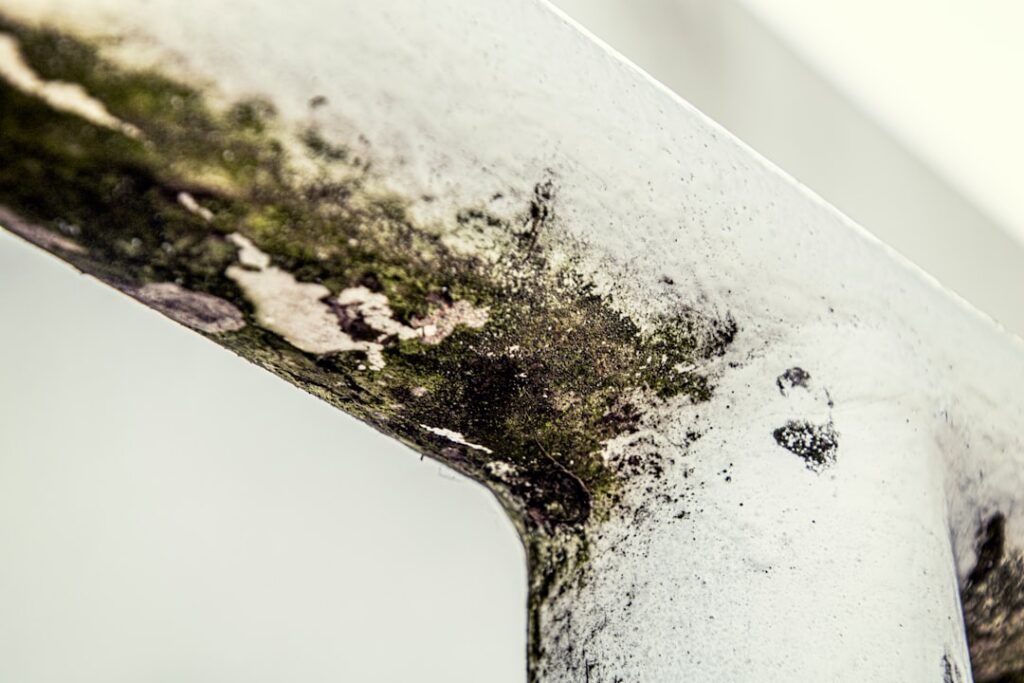
Among the household products people reach for against mold, hydrogen peroxide is one of the most common, and the question of whether hydrogen peroxide kills black mold comes up whenever a homeowner wants a cheaper, less harsh alternative to bleach. The short answer is yes, it can kill many molds on the right surfaces, with some real advantages and clear limits. Understanding both keeps you from expecting more than it delivers. This guide summarizes EPA and CDC guidance current as of 2026; it is not medical advice, and anyone experiencing symptoms should consult a physician while a certified professional handles significant contamination.
Part of our Black Mold & Your Health guide — start there for the full picture →
Is this mold, asbestos, or water damage? Get a free instant screen
Upload a clear photo of the suspect area. You'll get an instant AI screening opinion and what to do next. This is screening guidance, not a professional determination.
Screening guidance only. AI can be wrong. Confirm asbestos, mold type, or lead with lab testing or a licensed professional before acting.
Does Hydrogen Peroxide Kill Black Mold?
Yes. Hydrogen peroxide is an oxidizer that breaks down the cell structure of many fungi, so standard 3 percent household hydrogen peroxide, the kind sold in brown bottles at any pharmacy, can kill mold on contact when applied directly and left to work. It is antifungal as well as antibacterial, which is why it appears in many cleaning routines.
Hydrogen peroxide also has practical appeal beyond effectiveness: it is cheap, sold everywhere, leaves no lingering chemical residue, and breaks down into water and oxygen, which makes it friendlier to use around a home than harsher products. Those qualities are why it earns a spot in so many cleaning routines, even though it is not uniquely powerful against mold.
A few caveats matter. “Black mold” is a colloquial term, and the EPA and CDC both stress that color does not identify the species or its risk, so no product is a guaranteed kill for one specific organism. More importantly, killing mold and removing it are two different steps; a dead colony still needs to be physically wiped or scrubbed away, and dead spores can still trigger reactions. The mold inspection and testing hub explains why moisture control, not the choice of killer, determines whether mold stays gone.
How to Use Hydrogen Peroxide on Mold
The technique is simple but the details affect results. Use it straight, not diluted, for mold work.
Step by Step
Pour 3 percent hydrogen peroxide into a spray bottle and saturate the moldy surface. Let it sit for about 10 to 15 minutes so it can penetrate and react. Scrub the area with a brush or cloth to lift the dead growth, then wipe clean and dry the surface thoroughly. Repeat on stubborn spots.
Keep It in a Dark Container
Hydrogen peroxide breaks down in light, which is why it comes in opaque bottles. Use it from its original container or a dark spray bottle, and replace it if it has been open and exposed for a long time, since degraded peroxide loses potency.
Test First on Finished Surfaces
Peroxide can lighten or bleach some materials. Test an inconspicuous spot on colored grout, fabric, or finished wood before treating a visible area, and wait a few minutes to see whether the color changes before committing to the whole surface.
Higher Concentrations and a Word of Caution
Stronger hydrogen peroxide is sold for various uses, but for household mold the standard 3 percent solution is what most guidance refers to and is the safest to handle. Higher concentrations are more aggressive oxidizers, can cause skin and eye burns, and are more likely to bleach or damage surfaces, so they offer little advantage for routine surface mold and carry more risk. Stick with 3 percent, wear gloves and eye protection, work in a ventilated area, and store the bottle away from heat and light so it retains its strength.
Which Surfaces Suit Hydrogen Peroxide?
Hydrogen peroxide works best on non-porous and semi-porous surfaces where it can sit on the growth: tile, glass, sinks, countertops, and hard plastic. It also performs reasonably on grout and some hard surfaces. On porous materials like drywall paper, carpet, and bare wood, it kills surface growth but cannot reach mold that has rooted deep, and adding liquid to porous material can feed regrowth.
For comparison, white vinegar penetrates porous wood somewhat better, while peroxide has the edge in lightening stains and disinfecting hard surfaces. Many homeowners keep both on hand. Our broader look at black mold killer sprays compares peroxide, vinegar, and commercial products by surface. Whatever the product, the EPA’s guidance stands: porous material with embedded mold is usually removed rather than cleaned.
Hydrogen Peroxide Versus Bleach
Both kill mold, but they differ in important ways. Hydrogen peroxide produces no toxic fumes, breaks down into water and oxygen, and is safer to use in enclosed spaces, though it can lighten colored materials. Chlorine bleach is a strong disinfectant but gives off harsh fumes, is water-based so it struggles to penetrate porous surfaces, and must never be mixed with ammonia or acids because the reaction releases dangerous gases.
A critical safety note: do not mix hydrogen peroxide and vinegar in the same container, which can form peracetic acid; applying one and then the other in sequence with rinsing is different from combining them. For everyday surface mold, many people prefer peroxide for its lower fume profile, while reserving bleach for specific non-porous disinfection needs.
Surfaces Where Peroxide Shines and Where It Struggles
To get the most from hydrogen peroxide, match it to the right material. It performs best where it can sit on top of the growth and oxidize it: glazed tile, glass shower doors, porcelain sinks and tubs, sealed countertops, hard plastics, and metal fixtures. On these non-porous surfaces it both kills the mold and helps lighten the staining, and the residue rinses cleanly. Grout and other semi-porous surfaces respond reasonably well, especially with a longer dwell time and scrubbing.
Where it struggles is the same place every spray struggles: deeply porous materials that have absorbed mold below the surface. On drywall paper, carpet, upholstery, and bare wood, peroxide kills what it contacts but cannot reach the colony rooted in the fibers, and the added moisture can even encourage regrowth if the material does not dry quickly. For those materials, the EPA’s guidance to remove and replace heavily contaminated porous items applies, and no amount of spraying substitutes for that. Knowing this distinction saves homeowners from repeatedly treating a moldy drywall patch that ultimately needs to be cut out, while reserving peroxide for the hard-surface jobs where it genuinely excels.
Health Considerations
The CDC and EPA describe consistent indoor mold effects regardless of species: nasal congestion, coughing, wheezing, and eye, throat, or skin irritation, with stronger reactions in people who have asthma, mold allergies, or weakened immune systems. Killing mold with peroxide does not eliminate the health relevance of the exposure, because dead mold and its fragments can still provoke reactions, which is why physical removal and moisture control follow the kill step.
Use hydrogen peroxide in a ventilated space and wear gloves and eye protection, since it can irritate skin and eyes at higher concentrations. Anyone with persistent respiratory symptoms should consult a physician rather than rely on cleaning alone, and large or recurring growth should prompt professional assessment rather than repeated home treatment.
Why Killing Mold and Removing Mold Are Different
A point that trips up many homeowners is the difference between killing mold and removing it, and it matters for health. Hydrogen peroxide and other antifungal products kill the living colony, but a dead colony is still physically present on the surface, and dead mold and its fragments can still trigger allergic and respiratory reactions. The EPA’s guidance reflects this: the goal is to remove mold, not merely to kill it, which is why every effective routine ends with physically wiping, scrubbing, or vacuuming away the residue.
This is also why simply spraying a surface and walking away is not a real cleanup. The spray may sterilize the spot, but the mold body, and its allergenic proteins, remain until removed. After applying peroxide and letting it work, scrub the area and wipe it clean, ideally finishing with a HEPA vacuum if you have one to capture loosened spores. For people sensitive to mold, this removal step is more important than the kill step, since their reactions are to the mold material itself, alive or dead. Treating the kill as the finish line, rather than the midpoint, is a common reason home treatments disappoint.
Hydrogen Peroxide Versus Vinegar and Baking Soda
Homeowners often choose among a few pantry-grade options, and each has a niche. Hydrogen peroxide oxidizes mold, disinfects well, and lightens staining, making it strong on hard, non-porous surfaces like tile, glass, and sinks. White vinegar is acidic, penetrates porous surfaces such as wood and grout somewhat better, and kills many common molds, though it does not bleach out stains. Baking soda is mild, deodorizes, and works as a gentle abrasive in a paste, which makes it a useful scrubbing partner rather than a standalone killer.
Many effective routines combine them in sequence rather than mixing them in one container. A baking soda paste scrubbed in, followed by a peroxide or vinegar treatment, covers both physical removal and killing. The one combination to avoid mixing directly is hydrogen peroxide and vinegar in the same bottle, which can form peracetic acid; applying one, rinsing, and then the other is fine, but storing them combined is not. None of these is a magic bullet, and all of them depend on physically removing the dead growth and fixing the moisture to keep mold from returning.
What Hydrogen Peroxide Cannot Do
It helps to be clear about the limits, because over-reliance on any spray is a common mistake. Hydrogen peroxide cannot reach mold rooted deep inside porous materials, so it will not save moldy drywall paper, saturated carpet padding, or rotted wood, which the EPA advises removing rather than treating. It cannot fix the moisture source, meaning the same spot will regrow if the leak or humidity remains. And it does not eliminate the health relevance of mold, since dead spores and fragments can still trigger reactions, which is why physical removal follows the kill step.
It also is not a tool for large contamination. Spraying a 30-square-foot wall or a moldy crawlspace with peroxide is neither effective nor safe, and those situations call for proper containment and, often, professional remediation. Used within its strengths, surface mold on hard materials, small areas, as one step in a clean-dry-control routine, hydrogen peroxide is genuinely useful. Expecting it to substitute for finding and fixing the water is where homeowners end up spraying the same spot indefinitely.
When to Call a Professional
Hydrogen peroxide is fine for small surface jobs, but call a professional when the moldy area exceeds about 10 square feet, when mold has penetrated porous materials or grown inside walls, when it follows sewage or floodwater, when it recurs despite cleaning, or when household members have asthma, allergies, or compromised immunity. No spray fixes a hidden leak, and repeatedly treating the same spot usually means the moisture source remains.
A qualified inspector can find the water source, define the contaminated area, and recommend whether cleaning or removal is appropriate before you spend weekends spraying. That assessment ties any treatment to the moisture fix that actually keeps mold from coming back.
References
- Mold Cleanup in Your Home — U.S. Environmental Protection Agency
- About Mold and Health — Centers for Disease Control and Prevention
- Mold and Indoor Air Quality — National Institute of Environmental Health Sciences
Frequently asked questions
Does hydrogen peroxide kill black mold?
Yes. Standard 3 percent household hydrogen peroxide is an oxidizer that kills many molds on contact when applied directly and left to sit for 10 to 15 minutes. Color does not identify the species, so no product is a guaranteed kill for one specific organism, and dead mold still needs to be wiped away.
What concentration of hydrogen peroxide kills mold?
Standard 3 percent household hydrogen peroxide, used undiluted, is effective for mold cleanup. Use it from a dark or original container since peroxide breaks down in light, and replace any that has been open and exposed for a long time.
Is hydrogen peroxide better than bleach for mold?
Each has trade-offs. Peroxide produces no toxic fumes, breaks down into water and oxygen, and is safer in enclosed spaces, though it can lighten colored materials. Bleach is a strong disinfectant but has harsh fumes and penetrates porous surfaces poorly.
Can hydrogen peroxide be used on drywall and wood?
It kills surface mold on these porous materials but cannot reach growth rooted deep inside, and added liquid can feed regrowth. Drywall and wood with embedded mold are usually removed rather than cleaned, per EPA guidance.
If you find yourself spraying the same mold spot again and again in a Front Range home, reach out through our contact page to connect with a vetted inspector who can find the moisture source behind it.
Mold removal & cleanup picks
For a small, contained patch (under ~10 sq ft) these EPA-friendly removers handle surface mold. Larger or recurring growth warrants a professional assessment first.
| Product | Why | Buy |
|---|---|---|
 RMR-86 Instant Mold Stain Remover RMR-86 Instant Mold Stain Remover | Fast-acting on stains; ventilate and wear PPE. | Amazon — $29.99 |
 Concrobium Mold Control Concrobium Mold Control | No-bleach formula that also helps prevent regrowth. | Amazon — $11.26 |
 Mold Armor Mold & Mildew Remover Mold Armor Mold & Mildew Remover | Widely stocked bathroom/surface remover. | Amazon — $22.98 |