Hydrogen Peroxide Mold Removal: What Works and What Doesn’t
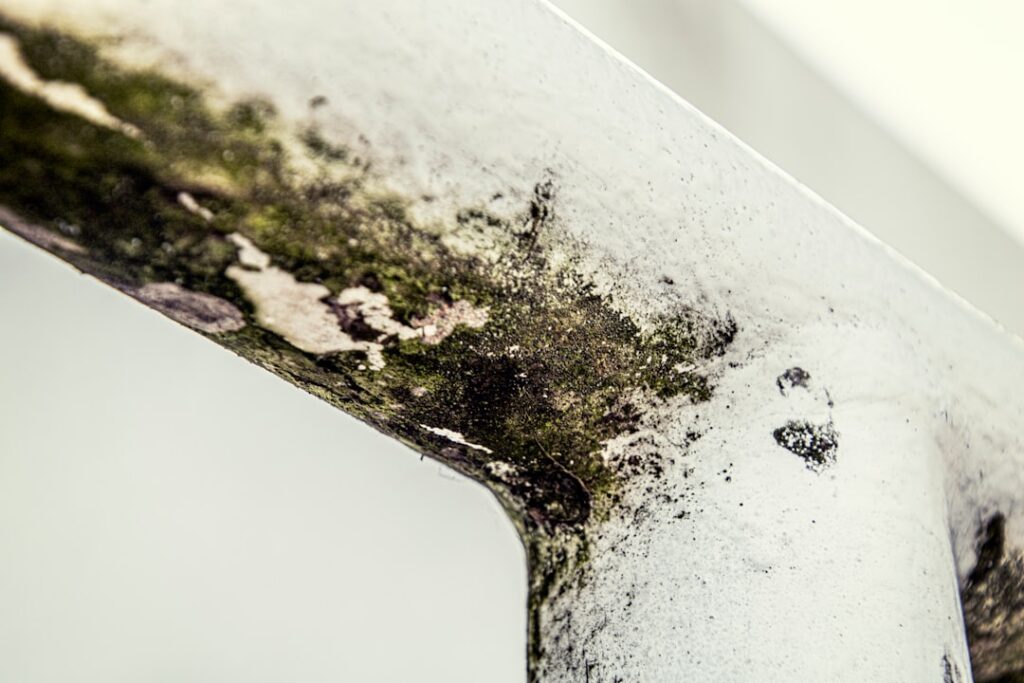
The brown bottle of 3% hydrogen peroxide under the bathroom sink gets recommended for mold more often than almost any other household product. It is cheap, it does not smell like bleach, and it fizzes reassuringly when it hits organic material. Those qualities make it a popular choice for a small patch of mold on grout, a window track or a painted sill. What peroxide cannot do is reach mold that has grown into soft materials, stop mold from returning to a surface that stays damp, or make mold harmless just by killing it. This guide explains how homeowners typically use household peroxide, how long they leave it on, where it is likely to cause bleaching or other damage, how it compares with bleach and plain detergent, and when a spray bottle is no longer the right tool. It summarizes EPA and CDC guidance current as of 2026, avoids product brands, and is general information rather than medical or professional remediation advice.
Part of our Mold Removal & Remediation guide — start there for the full picture →
Is this mold, asbestos, or water damage? Get a free instant screen
Upload a clear photo of the suspect area. You'll get an instant AI screening opinion and what to do next. This is screening guidance, not a professional determination.
Screening guidance only. AI can be wrong. Confirm asbestos, mold type, or lead with lab testing or a licensed professional before acting.
What Hydrogen Peroxide Does on a Moldy Surface
Household hydrogen peroxide is typically sold as a 3% solution in water. It is an oxidizer, which means it reacts with organic material it touches. The bubbling seen on a moldy surface is the peroxide breaking down as it contacts that material. Fizzing alone does not prove that all growth is gone.
Peroxide is often described as a “mold killer,” and that framing is where expectations go wrong. Federal guidance does not treat killing as the main goal of mold cleanup. In its Brief Guide to mold, moisture and the home, EPA states that dead mold may still cause allergic reactions in some people, so it is not enough to simply kill the mold; it must also be removed (EPA, A Brief Guide to Mold, Moisture and Your Home). A wall that has been sprayed with peroxide and left alone still carries the spores and fragments that cause trouble for sensitive people.
The useful role for peroxide, then, is as one step in a cleaning routine rather than the whole routine. It can help loosen growth and lighten some staining on hard surfaces, but scrubbing, wiping away the residue and drying the area are what actually remove the mold. Without those steps, peroxide is closer to a cosmetic treatment than a fix.
Why the concentration matters
Stronger peroxide products exist for industrial, pool and hair-care uses. Higher concentrations are more aggressive on skin, eyes and finishes, and they are not something a homeowner needs for small mold jobs. The common household approach uses the standard 3% drugstore bottle undiluted. Diluting it further is generally counterproductive, and moving up to a higher strength adds risk without addressing the real problem, which is moisture. When a product label gives instructions, those instructions take priority over any general advice, including this guide.
How Homeowners Typically Use 3% Peroxide on Mold
The routine most people follow is simple, and it works best on small areas of growth on non-porous or sealed surfaces. EPA’s own cleanup guidance tells homeowners to scrub mold off hard surfaces with detergent and water and dry completely (EPA, Mold Cleanup in Your Home). Peroxide fits into that framework as an optional pretreatment, not a substitute for scrubbing.
- Confirm the size. EPA says that if the moldy area is less than about 10 square feet, roughly a 3 ft by 3 ft patch, in most cases a homeowner can handle the job. Larger areas call for a different approach, covered below.
- Find the water first. Look for the leak, condensation or humidity problem that let the mold grow. Cleaning before the source is fixed usually means cleaning again within weeks.
- Put on protection. Gloves, goggles and an N-95 respirator, as described in the safety section.
- Spot test. Apply a small amount to a hidden area of the same material and wait to see whether it lightens, dulls or spots the finish.
- Apply and wait. Spray or wipe the 3% solution onto the growth until it is wet. Many people leave it for roughly 10 minutes, until the fizzing slows. This contact time is a common practice rather than a federal standard, and labels on commercial peroxide cleaners may specify something different.
- Scrub. Use a stiff brush or non-scratch pad to physically break up and loosen the growth.
- Wipe and rinse. Remove the loosened material with a damp cloth, then wipe again with clean water. Bag used cloths and pads.
- Dry completely. EPA guidance stresses that drying water-damaged items within 24 to 48 hours helps prevent mold growth. A fan or dehumidifier speeds the process.
For a broader walk-through that covers bagging debris, protecting other rooms and checking results, see the DIY mold remediation guide. The same principles apply no matter which cleaner is in the bottle.
Contact time and repeated applications
Peroxide breaks down fairly quickly once exposed to light, air and organic material, which is why it is sold in opaque bottles. An old bottle that has been open for a long time may have lost much of its strength and may barely fizz. Some homeowners apply a second coat to stubborn spots after scrubbing. That is reasonable on hard surfaces, but if staining persists after two rounds, the stain may be permanent discoloration rather than live growth. EPA notes that mold may cause staining and cosmetic damage, and it may not be possible to clean an item so that its original appearance is restored.
Bleaching, Fading and Surface Damage
Hydrogen peroxide is a bleaching agent. That is the reason it is used to lighten hair and whiten some laundry, and it is the reason it can cause trouble on household surfaces. Effects vary by material and finish, so the cautions below are general rather than guaranteed outcomes.
- Fabrics and carpet. Colored cotton, wool, silk and many synthetic dyes can fade or spot when peroxide sits on them. A light-colored blotch on a dark rug is a common result. For clothing, curtains and upholstery, the mold on fabric guide covers laundering and when to discard.
- Wood finishes. Peroxide can lighten bare wood and may dull or haze some clear finishes. On a stained floor or a piece of furniture, it can leave a lighter patch that is more noticeable than the original mold spot.
- Natural stone. Some stone surfaces react poorly to oxidizers and acids. Testing in a hidden spot first is the safe default.
- Painted walls. Gloss and semi-gloss paint often tolerate peroxide well. Flat paint can show lighter, chalky patches after scrubbing with any liquid.
The practical takeaway is to treat peroxide like a mild bleach. Spot test, keep contact time reasonable, rinse after scrubbing and never pour it onto materials with dyes or finishes that matter without testing first.
Where Peroxide Fits: A Surface-by-Surface Table
The material decides more than the cleaner does. EPA’s cleanup guidance says absorbent or porous materials, such as ceiling tiles and carpet, may have to be thrown away if they become moldy, because mold can grow on or fill in the empty spaces and crevices of porous materials and may be difficult or impossible to remove completely. The table below applies that principle to common household surfaces.
| Surface | Peroxide suitable? | Notes |
|---|---|---|
| Glazed ceramic tile | Yes | Good candidate. Scrub, rinse and dry. Fix ventilation if it returns. |
| Grout | Usually | Can lighten surface staining. Deep stains in old grout may need regrouting. |
| Glass and window tracks | Yes | Wipe, scrub corners and dry. Condensation is usually the cause. |
| Sealed countertops | Usually | Spot test first, especially on stone. |
| Gloss or semi-gloss paint | Usually | Test first. Flat paint may show lighter patches. |
| Hard plastics and fiberglass | Yes | Tubs, shower surrounds and bins clean up well with scrubbing. |
| Bare or finished wood | With caution | May lighten wood or dull finish. Surface growth only; check for softness. |
| Drywall (paper face) | Light surface only | Growth that has stained through or softened the paper usually means removal. |
| Carpet and padding | No | Risk of bleaching; mold in padding cannot be reached. Often discarded. |
| Ceiling tiles and insulation | No | Porous. EPA notes these may have to be thrown away. |
| Colored fabrics | No | Likely to fade or spot. Launder or consult a specialist. |
Wood deserves a closer look because it sits between hard and soft materials. Surface growth on sound, dry wood can often be cleaned, while dark growth that has penetrated or comes with softness is a different problem. The guide to black mold versus mildew on wood explains how to tell surface mildew from deeper growth before choosing a cleaner.
Peroxide vs. Bleach vs. Detergent
Homeowners usually choose between three common options: hydrogen peroxide, chlorine bleach and ordinary detergent. Each has a place, and none of them solves the moisture problem behind the mold.
Chlorine bleach
CDC’s mold page says mold can be removed from hard surfaces with household products, soap and water, or a bleach solution of no more than 1 cup of household laundry bleach in 1 gallon of water, and warns never to mix bleach with ammonia or other cleaners because it will produce a poisonous gas (CDC, Mold). Bleach lightens stains strongly and has harsh fumes. It also has the same limitation as peroxide on porous materials. The full picture, including when bleach is a poor fit, is in the guide to bleach on mold.
Detergent and water
Detergent is the option EPA names first in its cleanup tips. It does not need to kill mold to work; it lifts mold so scrubbing and wiping can carry it away. That fits EPA’s emphasis on removal. The guide to whether soap kills mold covers how detergent removes growth physically and why that is usually enough on hard surfaces.
Hydrogen peroxide
Peroxide sits between the two. It is milder in odor than bleach and many people find it more pleasant to use indoors. It can lighten some staining, which detergent alone may not. It also bleaches dyes, so it is not a safe choice on colored fabrics or carpet. Like bleach, it is a chemical that kills organisms, which brings EPA’s guidance on biocides into play.
What EPA says about biocides
EPA defines biocides as substances that can destroy living organisms. It states that using a chemical or biocide that kills organisms such as mold, with chlorine bleach given as the example, is not recommended as a routine practice during mold cleanup, while noting there may be instances where professional judgment indicates its use, such as when immune-compromised individuals are present. EPA adds that in most cases it is not possible or desirable to sterilize an area, since a background level of mold spores will remain, and those spores will not grow if the moisture problem has been resolved. EPA’s wording names bleach specifically; applying the same logic to peroxide is a reasonable reading, since peroxide is used for the same purpose of killing growth.
For a side-by-side look at vinegar, quaternary cleaners, encapsulants and other sprays, see the comparison of sprays that kill mold.
Safety: Ventilation, Mixing and Protective Gear
Household peroxide is mild compared with many cleaners, but it is still a chemical that can irritate eyes and skin, and mold cleanup itself carries exposure risks regardless of the product.
Do not mix it with other products
A common internet tip suggests spraying vinegar and peroxide one after the other. Combining them in the same container is a different matter: as a general chemistry point, mixing the two can form peracetic acid, a corrosive compound that can irritate skin, eyes and lungs. The safer habit is to keep each product in its own container and rinse a surface with water before switching cleaners. EPA’s own caution focuses on bleach, warning never to mix chlorine bleach solution with other cleaning solutions or detergents that contain ammonia because toxic fumes could be produced.
Ventilation
EPA advises that anyone choosing to use disinfectants or biocides should always ventilate the area and exhaust the air to the outdoors. A window fan blowing outward keeps fumes and disturbed spores moving away from the person cleaning. CDC’s mold page similarly advises opening windows and doors to provide fresh air.
Gloves, goggles and a respirator
EPA’s Brief Guide lists gloves, goggles and an N-95 respirator for mold cleanup. It recommends long gloves that extend to the middle of the forearm; ordinary household rubber gloves may be used with water and mild detergent, while gloves made from natural rubber, neoprene, nitrile, polyurethane or PVC are recommended when using a disinfectant, biocide or strong cleaning solution. EPA recommends goggles that do not have ventilation holes, and suggests an N-95 respirator to limit exposure to airborne mold. Peroxide splashed into the eyes is painful, so goggles matter even for small jobs. The respirator for mold guide explains fit and the difference between mask types.
CDC notes that people with asthma or who are allergic to mold may have severe reactions, and that immune-compromised people and people with chronic lung disease may get infections in their lungs from mold. Anyone in those groups is usually better off not doing the scrubbing at all.
When Peroxide Is Not the Answer
Peroxide is a tool for small areas of surface growth. Several situations call for a different plan.
- More than about 10 square feet. EPA says that if there has been a lot of water damage, or mold growth covers more than 10 square feet, homeowners should consult its guide for larger remediation, Mold Remediation in Schools and Commercial Buildings, which it says also applies to other building types.
- Sewage or contaminated water. EPA advises calling a professional with experience cleaning buildings damaged by contaminated water.
- HVAC involvement. EPA warns not to run the HVAC system if it is known or suspected to be contaminated with mold, because it could spread mold through the building.
- Porous materials. Moldy carpet, padding, insulation and ceiling tiles generally need to be removed rather than sprayed.
- Mold that keeps returning. Repeated regrowth points to an unresolved moisture source, often hidden behind a wall or under a floor.
- Health concerns. EPA advises consulting a health professional before starting cleanup if there are health concerns.
EPA also warns against painting or caulking over moldy surfaces. It says to clean up the mold and dry the surfaces before painting, because paint applied over moldy surfaces is likely to peel.
Hidden mold
EPA lists possible locations of hidden mold including inside walls around leaking or condensing pipes, the surface of walls behind furniture, inside ductwork, and in roof materials above ceiling tiles. It cautions that investigating hidden mold requires care when it involves disturbing potential growth sites, giving the example that removing wallpaper can release a massive amount of spores, and suggests considering an experienced professional. Blue or gray-green patches that spread across painted walls are a common sign of a wall problem rather than a surface one; the guide on getting rid of blue mold on walls covers how to approach them.
Moisture Control Matters More Than the Cleaner
Every mold cleanup comes back to water. EPA’s Brief Guide states that the key to mold control is moisture control, and that if mold is a problem in a home, the mold should be cleaned up promptly and the water problem fixed. Peroxide, bleach and detergent all fail the same way when a surface stays damp: the mold returns.
EPA’s moisture tips include several that apply directly to the places peroxide gets used:
- Keep indoor humidity below 60 percent, ideally between 30 and 50 percent relative humidity.
- Vent moisture-producing appliances such as clothes dryers to the outside.
- Use exhaust fans or open windows when showering, cooking or running the dishwasher.
- Act quickly to dry condensation on windows, walls or pipes, and reduce the moisture source.
- Dry wet or damp materials within 24 to 48 hours of a leak or spill.
EPA’s cleanup page notes that in bathrooms where mold keeps reappearing, increasing ventilation and cleaning more frequently will usually prevent mold from recurring or keep it to a minimum. That is a reminder that peroxide in a shower is maintenance, not a cure.
Colorado’s Front Range is mostly dry, which can make indoor mold seem surprising. In practice, the growth shows up where water is concentrated: bathrooms without working fans, windows that collect condensation in cold snaps, basements with plumbing leaks and attics with roof or ventilation issues. Fixing those sources does more than any cleaner. The general guide to getting rid of mold walks through finding and fixing them.
A Realistic Plan for Using Peroxide
Hydrogen peroxide mold removal works best as part of a short, practical sequence:
- Find and fix the moisture source, or at least know what it is.
- Decide whether the material can be cleaned or needs to be removed.
- Confirm the area is under about 10 square feet and there are no health or contamination red flags.
- Gear up with gloves, unvented goggles and an N-95 respirator, and ventilate to the outdoors.
- Spot test, apply 3% peroxide, wait, scrub, wipe and rinse.
- Dry the area completely and keep it dry.
- Check back over the following weeks for regrowth, odor or new staining.
EPA’s checklist for whether cleanup is finished starts with having completely fixed the water or moisture problem, and includes completed mold removal, no visible mold or moldy odors, and a follow-up visit shortly after cleanup showing no signs of water damage or mold growth. If those conditions are not met, the job is not done, no matter how clean the surface looks after the peroxide dries.
For more on cleaning methods and remediation planning, the mold removal hub gathers related guides, and the main mold inspection section covers finding hidden moisture and deciding when an inspection is worth it.
References
- U.S. EPA, A Brief Guide to Mold, Moisture and Your Home
- U.S. EPA, Mold Cleanup in Your Home
- CDC, Mold
Frequently asked questions
Does hydrogen peroxide kill mold?
Household 3% peroxide can kill mold on contact on hard surfaces, but EPA notes that dead mold may still cause allergic reactions, so it must be removed, not just killed. Scrubbing, wiping and drying are what actually clean the surface.
How long should hydrogen peroxide sit on mold?
Many homeowners leave 3% peroxide on for about 10 minutes, until the fizzing slows, then scrub and wipe. This is a common practice rather than a federal standard, and product labels take priority.
Will hydrogen peroxide bleach carpet or fabric?
It can. Peroxide is a bleaching agent and may fade or spot dyed fabrics, carpet and some wood finishes. Spot test in a hidden area, and avoid it on colored textiles.
Is it safe to mix hydrogen peroxide and vinegar?
Mixing them in the same container is not recommended, since the combination can form a corrosive acid that irritates skin, eyes and lungs. Use one product at a time and rinse between cleaners.
Can hydrogen peroxide remove mold from drywall?
Only light surface growth on sound, painted drywall. If mold has stained through the paper or the drywall is soft, EPA notes that porous materials may need to be removed because mold can grow into them.
Peroxide cleaned it, but the spot came back? Reach out to a Front Range inspector to track down the moisture that keeps feeding it.
Mold removal & cleanup picks
For a small, contained patch (under ~10 sq ft) these EPA-friendly removers handle surface mold. Larger or recurring growth warrants a professional assessment first.
| Product | Why | Buy |
|---|---|---|
 RMR-86 Instant Mold Stain Remover RMR-86 Instant Mold Stain Remover | Fast-acting on stains; ventilate and wear PPE. | Amazon — $29.99 |
 Concrobium Mold Control Concrobium Mold Control | No-bleach formula that also helps prevent regrowth. | Amazon — $11.26 |
 Mold Armor Mold & Mildew Remover Mold Armor Mold & Mildew Remover | Widely stocked bathroom/surface remover. | Amazon — $22.98 |