Respirator for Mold: How to Choose the Right Mask
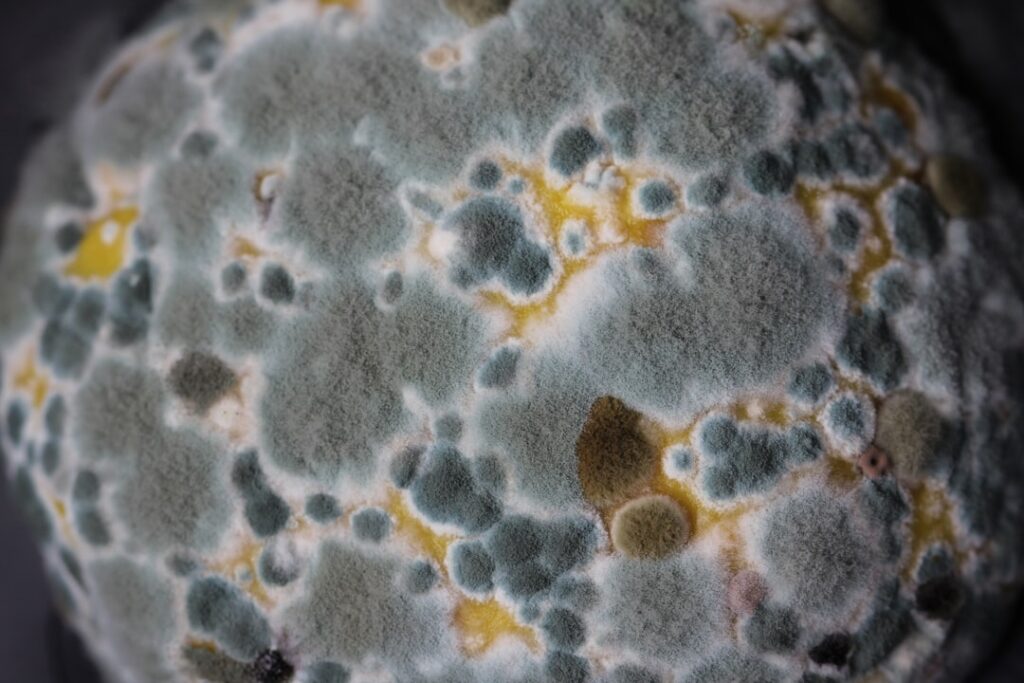
Disturbing mold during cleanup sends a burst of spores into the air, and breathing those spores is the main way mold affects health. That makes a properly chosen and well-fitted respirator for mold the most important piece of protective equipment for any cleanup task, from wiping a windowsill to demolishing moldy drywall. A surgical mask or a bandana does not qualify; respiratory protection has to filter fine particles and seal to your face. This guide summarizes EPA, CDC, and OSHA guidance current as of 2026; consult your physician about symptoms and a certified professional for larger remediation decisions.
Is this mold, asbestos, or water damage? Get a free instant screen
Upload a clear photo of the suspect area. You'll get an instant AI screening opinion and what to do next. This is screening guidance, not a professional determination.
Screening guidance only. AI can be wrong. Confirm asbestos, mold type, or lead with lab testing or a licensed professional before acting.
What respirator do you need for mold?
For most small, do-it-yourself mold cleanups on hard surfaces, the EPA recommends at minimum an N95 respirator. The “N95” rating means the device filters at least 95 percent of airborne particles and is not resistant to oil-based aerosols, which is fine for mold spores. The key word is respirator, not mask: a genuine N95 is NIOSH-approved, forms a seal against the face, and has two straps. A single-strap dust mask or a cloth face covering does not provide reliable protection against spores.
For larger or dustier jobs, the EPA and OSHA point toward more protective options: a half-face elastomeric respirator fitted with P100 (HEPA-equivalent) cartridges filters 99.97 percent of particles and is reusable. A full-face respirator adds eye protection, which matters because spores irritate the eyes. The right choice scales with the size of the job and your sensitivity. Anyone weighing whether a job is even safe to attempt at home should review the size thresholds in our overview of how to clean mold on walls before buying equipment.
N95 versus P100 versus half-face respirators
Choosing among the options comes down to job size, comfort, and whether you want a reusable device.
N95 disposable respirator
The N95 is inexpensive, widely available, and adequate for small cleanups of less than about 10 square feet on hard surfaces. It is disposable, so a new one is used each session and discarded if it becomes damp, clogged, or soiled. The trade-off is fit: an N95 only protects if it seals around the nose and mouth, which is difficult over facial hair.
Half-face elastomeric respirator with P100 cartridges
For bigger jobs, demolition of moldy materials, or repeated exposure, a half-face respirator with magenta-banded P100 particulate filters offers a better seal and far higher filtration. The rubber facepiece is reusable, the cartridges swap out, and the device is more comfortable for extended work. It covers nose and mouth but not the eyes, so pair it with sealed goggles.
Full-face respirator
A full-face respirator combines P100 filtration with integrated eye protection and the best seal of the three. It is the most expensive option and overkill for a small bathroom patch, but it is the right call for extensive contamination, attic or crawl-space work where you will be in the dust for hours, or when a sensitive individual must do the work. For context on heavier jobs that may justify this level of protection, our guide to attic mold remediation describes the conditions that warrant full protective gear.
How to use a mold respirator correctly
A respirator only works if it seals and is worn the entire time you are disturbing mold. Put it on before you start, and keep it on until the dust settles and you have left the contaminated area. Removing it mid-job to “take a break” in the same room defeats its purpose, since spores remain airborne for a while after disturbance.
Fit is everything. Position the device over the nose and mouth, secure both straps, and mold the metal nose clip to your face. Perform a quick seal check: cover the filter surface and inhale gently; the facepiece should pull in slightly and hold. If air leaks around the edges, adjust the straps or try a different size. Facial hair breaks the seal, so a clean-shaven face is necessary for reliable protection with any tight-fitting respirator. OSHA’s respiratory protection standard emphasizes fit testing for workplace use, and the same fit principles apply at home.
Pair the respirator with the rest of a basic protective kit: nitrile or rubber gloves that extend up the forearm, eye protection if your respirator does not include it, and clothing you can wash or discard. Ventilate the work area, contain it with plastic sheeting for larger jobs, and avoid dry-scrubbing or sanding, which sends far more spores airborne than damp methods.
When a respirator is not enough
Personal protective equipment manages exposure during a job that is appropriate for a homeowner to handle. It does not make every job safe to do yourself. The EPA recommends professional remediation when the mold-affected area exceeds about 10 square feet, when growth follows sewage or floodwater contamination, when mold is inside HVAC systems, or when occupants have asthma or compromised immunity.
A respirator also does nothing to fix the moisture source or to contain spores that spread to clean parts of the home during demolition. Professionals combine respiratory protection with negative-air containment, HEPA filtration, and moisture repair, a system a single mask cannot replicate. If a job is large enough that you are considering a half-face or full-face respirator, that same scale is often a signal to get a professional assessment first.
Matching the respirator to the job
The right choice scales with the size, dustiness, and duration of the task, and thinking through a few common scenarios makes the decision concrete. Wiping a small patch of mold off bathroom tile or a windowsill, a job that takes minutes on a hard surface, is well within the range of a properly fitted N95. The exposure is brief and the surface is non-porous, so you are not generating large clouds of spores. Pair the N95 with gloves and ventilation and the job is reasonable for a homeowner.
Pulling moldy carpet, cutting out a section of moldy drywall, or working in an attic or crawl space for an hour or more is a different proposition. These tasks disturb porous materials, release sustained clouds of spores, and often add irritating fibers or dust. They justify a half-face respirator with P100 cartridges, which seals better, filters more, and stays comfortable over a longer session. When the work is extensive, dusty, or involves a sensitive worker, the full-face respirator that also protects the eyes becomes the better tool. The principle is simple: the more material you disturb and the longer you breathe the air, the more protection you need, and stepping up a level is always safer than stepping down.
It is worth repeating that the respirator protects the person doing the work, not the rest of the household. Disturbing mold sends spores drifting beyond the immediate work area, so containment with plastic sheeting and keeping other occupants and pets out of the space matter as much as the mask. A respirator and containment work together; neither substitutes for the other.
Other protective equipment to pair with a respirator
A respirator is the centerpiece of mold protection, but it works best as part of a small kit. Gloves are essential, and the choice of material matters: for general cleaning with mild detergents, household rubber or nitrile gloves are fine, while longer gloves that extend to the mid-forearm keep spores and cleaning solutions off the skin during messier work. Eye protection is necessary whenever your respirator does not include it, because spores irritate the eyes and a half-face respirator leaves them exposed; choose goggles that seal rather than open safety glasses.
Disposable coveralls or clothing you can wash separately keep spores from riding through the house on your shirt. For larger jobs, disposable booties prevent tracking contaminated material into clean rooms. After any mold work, the EPA’s general guidance is to remove protective clothing in or near the work area, bag disposable items, and wash reusable clothing promptly. Skin that contacts mold should be washed, and a shower after a dusty removal job is sensible. None of this gear is expensive, and assembled together it turns a potentially hazardous exposure into a controlled, low-risk task. The respirator does the heavy lifting on the air you breathe, but the surrounding equipment closes the other routes of exposure.
Care, storage, and replacement
Disposable N95 respirators are single-session items in dusty conditions; discard one when it is damp, dirty, damaged, or hard to breathe through. Do not try to wash or reuse a soiled N95. Reusable elastomeric respirators last for years with care: wipe the facepiece after each use, store it in a sealed bag away from dust and sunlight, and replace particulate filters when breathing becomes noticeably harder or per the manufacturer’s schedule.
Keep filters sealed until needed so they do not load up with ambient dust. Inspect straps, valves, and the facepiece seal before each use, and replace any cracked or stretched components. A respirator stored properly between jobs stays ready for the next cleanup, and a few dollars of replacement filters is far cheaper than a respiratory flare-up from a poor seal. Match the device to the task, keep it sealed and clean, and it will do its job every time you reach for it.
Common mistakes that defeat a mold respirator
Even people who buy the right respirator often undermine its protection through avoidable errors, so it is worth naming the most common ones. The first is wearing the device over facial hair. Any tight-fitting respirator, whether an N95 or an elastomeric half-face, depends on a seal against bare skin, and even a day or two of stubble breaks that seal enough to let unfiltered air in around the edges. A clean-shaven face where the respirator contacts the skin is not a suggestion but a requirement for the device to work as rated.
The second mistake is skipping the seal check. People put on a respirator, assume it fits, and start work without confirming the facepiece actually holds a seal, when a ten-second check, covering the filter and inhaling to feel the facepiece pull in, would catch a leak. The third is removing the respirator too early, taking it off inside the work area to talk or rest while spores are still suspended in the air. The fourth is reusing a disposable N95 that has become damp, clogged, or soiled, which both reduces filtration and can harbor contamination. The fifth is treating the respirator as a substitute for containment and ventilation; the mask protects the wearer, but spores still spread to the rest of the home unless the area is sealed off. Avoiding these five errors costs nothing and is the difference between a respirator that protects you and one that gives a false sense of safety while letting spores through. Get the fit right, check the seal, keep it on, replace it when spent, and contain the work, and the device will do exactly what it is designed to do.
A final word on expectations: a respirator manages exposure, but it does not authorize you to take on a job that exceeds a homeowner’s scope. The EPA’s size and condition thresholds, areas under about 10 square feet, clean-water sources, and occupants without respiratory vulnerabilities, define when do-it-yourself work with a respirator is reasonable. Wearing a half-face or full-face respirator to tackle a large or contaminated job does not make that job safe to do without containment, moisture repair, and the spore-control measures a professional brings. The mask is one layer of protection, not a license to skip the others. Used within its proper scope, on a job appropriately sized for a homeowner, the right respirator is the most important safety investment you can make for a few dollars; pushed beyond that scope, it can give false confidence on a job that should have gone to a professional.
References
- Mold Cleanup in Your Home — U.S. Environmental Protection Agency
- Respiratory Protection Standard — Occupational Safety and Health Administration
- NIOSH-Approved Respirators — Centers for Disease Control and Prevention
If the mold you are facing seems larger than a quick wipe-down, or you are not sure whether it is safe to tackle yourself, our mold inspection hub can help you gauge the scope, and Front Range homeowners can connect with a vetted inspector through our contact page.