Asbestos Removal Mask: Respirator Basics Explained
People researching an asbestos removal mask are usually about to make a decision the equipment cannot rescue: whether to disturb asbestos at all. The short answer from health agencies is that respiratory protection is essential, but it is one layer of a controlled process, not a green light for do-it-yourself abatement. This guide summarizes EPA, CDC, and OSHA guidance current as of 2026; it is not medical advice. Below, the mask options are explained honestly, alongside the reason regulators steer homeowners away from removing asbestos themselves.
Part of our Asbestos in the Home guide — start there for the full picture →
Is this mold, asbestos, or water damage? Get a free instant screen
Upload a clear photo of the suspect area. You'll get an instant AI screening opinion and what to do next. This is screening guidance, not a professional determination.
Screening guidance only. AI can be wrong. Confirm asbestos, mold type, or lead with lab testing or a licensed professional before acting.
What an Asbestos Removal Mask Needs to Do
Asbestos fibers are microscopic, far smaller than the dust an ordinary mask is built to stop. A mask that merely keeps out sawdust or pollen will not protect against airborne asbestos. The respirator has to filter particles in the micron range with high efficiency and form a tight seal against the face so contaminated air cannot leak around the edges. Both filtration and fit have to be right; either one failing defeats the protection.
That is why a simple paper dust mask or a cloth covering offers essentially no protection against asbestos. OSHA’s respiratory protection standards treat asbestos work as requiring specific, fit-tested respirators selected for the exposure level. The mask is part of a system that also includes containment, wetting, and proper disposal, covered in the broader pre-1978 housing hazard guide.
N95 Versus N100 and P100
The letter-number ratings describe how well a filter removes airborne particles. The number is the efficiency: 95 means the filter captures at least 95 percent of test particles, while 100 captures at least 99.97 percent. The letter describes oil resistance, where N means not oil-resistant and P means oil-proof. For asbestos, the higher filtration ratings are what matter.
An N95 is the familiar protection many people own, and it is inadequate for asbestos. The accepted choice is a respirator with an N100 or P100 filter, which captures nearly all particles in the relevant size range. P100 filters, often sold as the magenta-colored cartridges, are common on half-face and full-face respirators used in abatement. The jump from 95 to 100 percent efficiency sounds small but is decisive for a fiber as hazardous as asbestos.
Half-Face Versus Full-Face Respirators
A half-face respirator covers the nose and mouth and accepts replaceable P100 cartridges. A full-face respirator adds eye protection and a better seal, and it is generally specified for higher-exposure asbestos work. Powered air-purifying respirators (PAPRs) go further still, supplying filtered air under slight positive pressure. The right level depends on the airborne fiber concentration, which is precisely the kind of judgment a trained abatement professional makes and a homeowner usually cannot.
Fit Is as Important as the Filter
A top-rated filter is useless if air leaks around the mask. Respiratory protection depends on a tight seal between the respirator and the skin, which is why OSHA requires fit testing for workers who must wear respirators. Fit testing confirms the chosen mask size and model actually seals on a specific person’s face, since faces differ and one model does not fit everyone.
Facial hair is the most common seal-breaker. Even a few days of stubble can prevent a respirator from sealing, which is why clean-shaven contact with the sealing surface is required for tight-fitting masks. A homeowner who buys a P100 respirator but never fit-tests it, or wears it over a beard, may be getting far less protection than the rating implies. This gap between owning the right mask and being protected by it is a major reason DIY asbestos work goes wrong.
Why DIY Asbestos Abatement Is Discouraged
Respiratory protection is necessary but not sufficient. Safe asbestos removal also requires sealing off the work area, wetting materials to suppress fibers, using specialized HEPA vacuums, decontaminating clothing and tools, and disposing of waste as regulated hazardous material. Each step exists because asbestos fibers, once airborne, linger and travel, and a single botched removal can contaminate a home far beyond the original area.
The regulatory framework reflects this. Under the federal Clean Air Act, EPA’s National Emission Standards for Hazardous Air Pollutants (NESHAP) set requirements for asbestos handling and disposal, and many states require licensed, certified abatement contractors for removal work. OSHA standards govern worker exposure and protection. For homeowners, the practical takeaway is consistent across agencies: abatement is licensed-professional work, not a weekend project, no matter how good the mask is.
Sampling Is Different From Removal
There is a meaningful distinction between testing for asbestos and removing it. Collecting a small sample for lab analysis can sometimes be done carefully by a homeowner using wet methods and proper PPE, sealing the sample and the disturbed spot. Removal, by contrast, disturbs large quantities of material and is the step regulators reserve for licensed contractors. Knowing where a material is and whether it contains asbestos comes first, and the guide on how to test for asbestos covers the sampling side, while the mask for asbestos removal overview goes deeper on respirator selection.
What Protection Looks Like in Practice
For the rare situation where a homeowner is permitted and trained to handle a small disturbance, the minimum respiratory protection is a fit-tested half-face or full-face respirator fitted with P100 cartridges, worn clean-shaven, alongside disposable coveralls, gloves, and wet methods. Disposable PPE is bagged as contaminated waste afterward, not reused.
For anything beyond a small, carefully managed sample, the safer and often legally required path is to hire a licensed abatement contractor. They arrive with the full system: containment, negative-air machines, appropriate respirators including PAPRs where needed, and the permits and disposal channels NESHAP demands. The cost buys not just labor but the assurance that fibers do not spread through the home.
When to Call a Professional
Treat suspected asbestos as a job for trained help whenever you plan to disturb materials like popcorn ceilings, old floor tile, pipe insulation, or siding in a pre-1980 home. Start with testing to confirm whether asbestos is present, then, if it is, engage a licensed abatement contractor for removal. The mask question, important as it is, sits inside a larger answer: protection for asbestos work means a certified process, and for most homeowners that process belongs in professional hands.
Why Asbestos Fibers Are So Hazardous
The reason respiratory protection for asbestos is held to such a high standard comes down to the physical nature of the fiber. Asbestos breaks down into needle-like fibers thousands of times thinner than a human hair, small enough to stay airborne for long periods and to penetrate deep into the lungs when inhaled. Once lodged in lung tissue, the body cannot easily clear them, and they can remain for decades. This is why a mask that merely captures visible dust offers no meaningful protection: the dangerous particles are far too small for it to stop.
The health consequences develop slowly, which adds to the danger because there is no immediate warning. Diseases associated with asbestos exposure, including asbestosis and mesothelioma, can take many years to appear after the exposure that caused them. CDC and NIOSH materials emphasize that there is no demonstrated safe level of asbestos exposure, which is the foundation for treating even small disturbances seriously. A single careless removal that fills a room with fibers creates a hazard that lingers long after the dust appears to settle.
The Full Protective System Beyond the Mask
A respirator is one component of a layered protective approach, and focusing on the mask alone misses the point of how professionals work safely. Trained abatement crews establish containment by sealing the work area with plastic sheeting and using negative-air machines fitted with HEPA filtration, so any fibers that become airborne are captured rather than escaping into the rest of the building. The air pressure inside the containment is kept lower than outside, ensuring fibers do not drift out through gaps.
Wetting is another core control. Saturating asbestos materials with a fine mist before and during handling keeps fibers bound together so they do not aerosolize. Disposable coveralls, gloves, and boot covers prevent fibers from clinging to clothing and being carried elsewhere, and a decontamination procedure governs how workers remove that gear without recontaminating themselves. Specialized HEPA vacuums clean up residue, since an ordinary household vacuum would simply blow the smallest fibers back into the air. The respirator protects the individual; this surrounding system protects the home.
Care, Storage, and Replacement of Cartridges
Even the right respirator only works when its cartridges are maintained. P100 filters have a finite service life and must be replaced when they become loaded, damaged, or wet, and any filter that has gotten damp should be discarded rather than dried and reused. Between uses, a respirator should be cleaned and stored in a sealed bag away from dust and contaminants so the sealing surface stays intact. These details matter because a degraded filter or a cracked face seal quietly undermines the protection the rating promises.
Regulations Homeowners Should Know
The rules around asbestos exist because the risks justify them, and they shape what a homeowner can legally do. OSHA standards govern occupational exposure and require employers to fit-test respirators, monitor air, and follow specific work practices for asbestos jobs. Under the Clean Air Act, EPA’s National Emission Standards for Hazardous Air Pollutants set requirements for how asbestos is handled, removed, and disposed of, and many states layer their own licensing requirements on top, mandating certified contractors for abatement and regulating disposal at approved facilities.
For homeowners, the practical implication is that asbestos waste cannot simply go in the household trash. It must be sealed, labeled, and disposed of as regulated material at a facility that accepts it, following local and state rules. A licensed abatement contractor handles this disposal as part of the job, which is one more reason the professional route is often the only compliant option. The broader handling considerations are covered in the guide to where asbestos is commonly found.
Why a Standard Dust Mask Fails
It is worth being explicit about why the masks most people already own offer no real protection, because the false sense of security they provide is itself dangerous. A loose paper nuisance mask, a cloth face covering, or a bandana neither filters particles to the efficiency asbestos demands nor seals against the face, so contaminated air flows freely around the edges with every breath. Wearing one during an asbestos disturbance may feel protective while delivering essentially none of the protection the situation requires.
Even a genuine N95, which seals reasonably well and filters efficiently for many hazards, is not rated for asbestos work. The accepted standard steps up to N100 or P100 filtration on a fit-tested respirator precisely because asbestos fibers are so hazardous that near-total filtration and a verified seal are both necessary. Treating any lesser mask as adequate is one of the most common and serious mistakes a homeowner can make when confronting suspected asbestos.
The Safer Alternative: Test First, Then Decide
For most homeowners, the question of which mask to buy is best answered by stepping back to an earlier decision: whether to disturb the material at all. The safest sequence is to identify suspect materials, leave them undisturbed, and test before any work. If a material like a popcorn ceiling, old floor tile, or pipe insulation in a pre-1980 home is intact and will not be disturbed, the lowest-risk choice is often to leave it in place, since asbestos is hazardous mainly when fibers become airborne.
When work must happen and testing confirms asbestos, the compliant path is to hire a licensed abatement contractor rather than buying a respirator and attempting removal. The contractor arrives with the full protective system, the regulatory permits, and the disposal channels, and the cost reflects the genuine complexity of doing the job safely. Framing the mask question this way, as one piece of a larger safety decision, leads most homeowners to the conclusion that asbestos removal belongs in professional hands, with the related asbestos testing guide covering the identification step that comes first.
More Questions About Asbestos Removal Masks
How long does an asbestos respirator cartridge last?
An asbestos respirator cartridge does not have a fixed lifespan; P100 particulate filters are replaced when breathing becomes harder, when they are damaged or wet, or after each asbestos job. Because asbestos-contaminated filters cannot be cleaned, many users discard them at the end of each work session.
Follow the manufacturer’s instructions and any workplace respiratory protection program. Store unused cartridges sealed in their packaging. Never blow off or vacuum a used filter, since that releases captured fibers.
Can a beard affect an asbestos mask seal?
Yes, a beard or even heavy stubble prevents a tight-fitting asbestos mask from sealing to the face, letting contaminated air leak around the edges. OSHA rules for tight-fitting respirators require that facial hair not interfere with the seal.
Workers with beards who need respiratory protection can use a loose-fitting powered air-purifying respirator with a hood, which does not rely on a face seal. For homeowners, this is another reason to leave asbestos removal to equipped professionals.
What is a PAPR and is it better for asbestos?
A PAPR, or powered air-purifying respirator, uses a battery-powered blower to push filtered air into a hood or facepiece. For asbestos work, a PAPR typically provides a higher level of protection than a half-face respirator and reduces breathing effort during long shifts.
Professional abatement workers often use PAPRs for friable material. They are expensive and need charging, maintenance and training. They also must use HEPA-rated filters, and the work still requires containment, wet methods and disposable coveralls.
Can a homeowner get fit tested for an asbestos mask?
Yes, a homeowner can usually get fit tested for an asbestos mask through occupational health clinics, safety supply companies or some training providers, typically for a fee. Fit testing checks that a specific make, model and size of respirator seals to the wearer’s face.
A fit test does not make DIY asbestos removal safe or legal; it only confirms the mask fits. Proper protection also needs training, containment, wet methods and safe disposal. Most homeowners are better served by hiring a licensed professional.
References
- Asbestos exposure and respiratory protection — Occupational Safety and Health Administration
- Protect your family from asbestos exposure — U.S. Environmental Protection Agency
- Asbestos workplace safety information — CDC / NIOSH
Frequently asked questions
What mask do I need for asbestos?
An ordinary dust mask or N95 is inadequate. Asbestos work requires a fit-tested half-face or full-face respirator with N100 or P100 filters, which capture at least 99.97 percent of particles. The mask must seal tightly, which means fit testing and a clean-shaven sealing area.
Is an N95 mask enough for asbestos?
No. An N95 captures about 95 percent of particles and is not rated for asbestos work. Health agencies specify N100 or P100 respirators because asbestos fibers are extremely hazardous and require near-total filtration plus a sealed fit.
Can I remove asbestos myself with the right mask?
A mask alone does not make removal safe. Abatement also requires containment, wetting, HEPA vacuuming, decontamination, and regulated disposal under EPA NESHAP rules. Many states require licensed contractors for removal, so regulators discourage homeowner abatement regardless of the respirator used.
Why does fit matter so much?
Even a high-efficiency filter fails if air leaks around the mask. OSHA requires fit testing because faces differ and one model does not seal on everyone. Facial hair commonly breaks the seal, so tight-fitting respirators must be worn clean-shaven.
Should asbestos masks be reused?
Disposable asbestos masks should not be reused; they are discarded after each use. Reusable elastomeric respirators can be cleaned and reused with fresh filters, following the manufacturer's cleaning instructions, but contaminated filters must be disposed of as asbestos waste.
Are surgical masks any protection against asbestos?
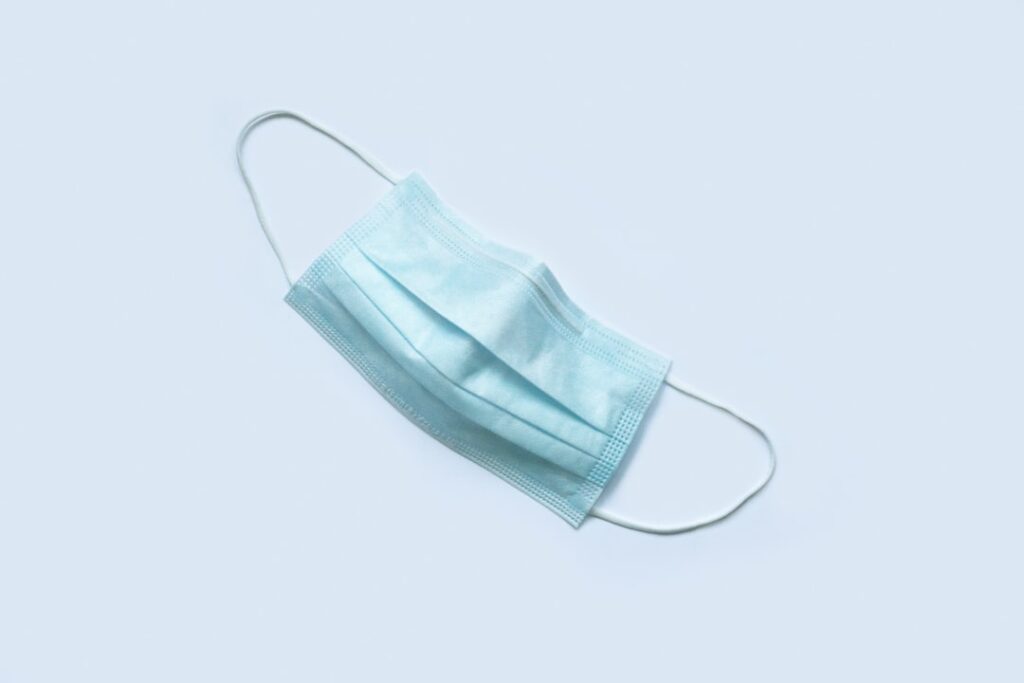
No, surgical masks offer essentially no protection against asbestos fibers. They are loose-fitting and designed to block droplets, not microscopic particles. Asbestos work requires a fitted respirator with HEPA-rated or P100 filters at a minimum.
Where can a proper asbestos respirator be bought?
Proper asbestos respirators with P100 filters can be bought from safety supply stores, some hardware stores and online retailers. Buy NIOSH-approved models in the right size and confirm the filter rating is suited to asbestos fibers.
If you suspect asbestos in a Front Range home and want testing before any work begins, reach out through our contact page to be connected with a qualified local inspector.
Asbestos test kits
Asbestos can only be confirmed by a lab. A mail-in kit gets you a sealed sample container and accredited analysis — never sand or disturb suspect material first.
| Product | Why | Buy |
|---|---|---|
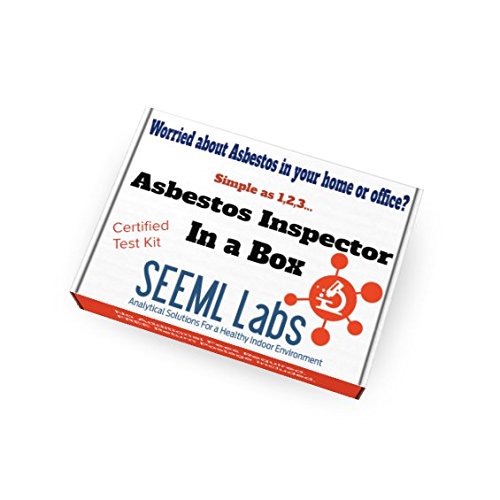 Asbestos Test Kit (mail-in lab) | Includes PPE + sealed mailer. | Amazon — $22.00 |
 Pro-Lab Asbestos Test Kit | Widely available; lab fee separate. | Amazon — $63.99 |