Asbestos Mask: What Homeowners Need to Know
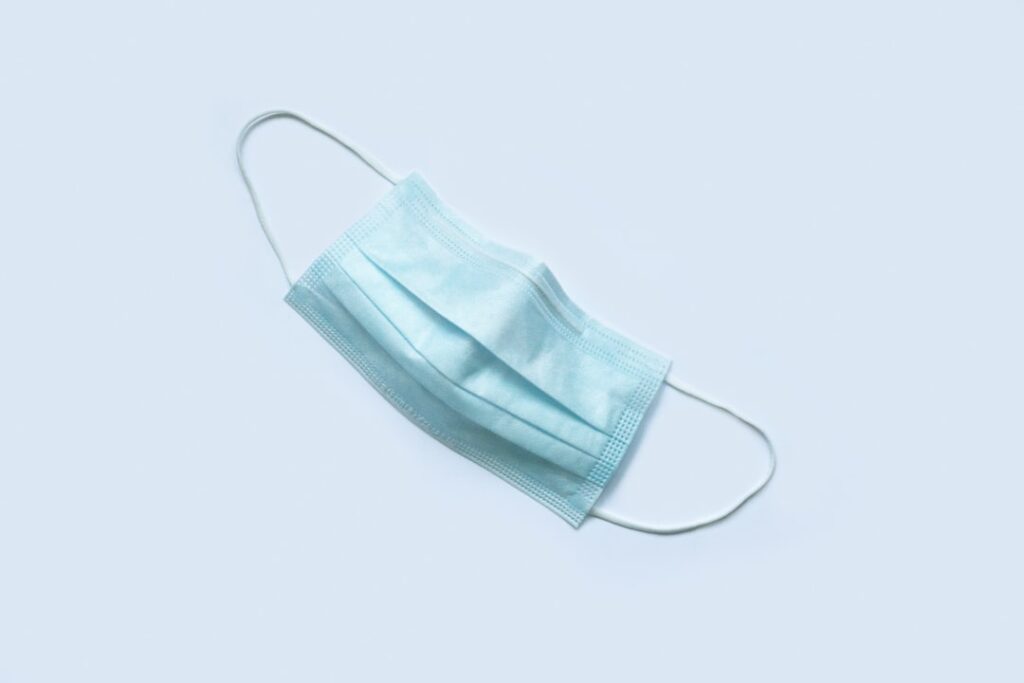
Homeowners tackling an older-home project sometimes reach for a paper dust mask before scraping a popcorn ceiling or pulling up old floor tile, assuming any covering will keep them safe. Asbestos fibers, however, are microscopic, and most casual masks do nothing to stop them. The phrase “asbestos mask” usually points to a real question: what kind of respiratory protection actually guards against asbestos, and can a homeowner safely do the work themselves? This guide summarizes EPA, CDC, and OSHA guidance current as of 2026; it is general information rather than a diagnosis, so consult a certified professional for testing and any abatement decisions. The honest answer about masks is more cautious than many expect.
Is this mold, asbestos, or water damage? Get a free instant screen
Upload a clear photo of the suspect area. You'll get an instant AI screening opinion and what to do next. This is screening guidance, not a professional determination.
Screening guidance only. AI can be wrong. Confirm asbestos, mold type, or lead with lab testing or a licensed professional before acting.
Does an Asbestos Mask Actually Protect You?
A common paper or cloth dust mask does not protect against asbestos. Asbestos fibers are extremely small, and ordinary nuisance dust masks do not seal to the face or filter finely enough to capture them. Real protection requires a properly fitted respirator with the correct filter rating, worn as part of a complete set of precautions. Even then, respiratory protection is only one layer; for significant work, the safest course is to leave it to a licensed abatement contractor who is trained, equipped, and regulated.
The reason caution runs so deep is that asbestos is a known carcinogen with no assumed safe level of exposure, and inhaled fibers can contribute to serious lung disease decades later. A mask that gives a false sense of security can be worse than no mask, because it encourages a homeowner to disturb material they should have left alone or tested first. Our guide on how much asbestos exposure is dangerous puts the risk in context.
Why Ordinary Dust Masks Fail
The failure of casual masks comes down to two things: filtration and fit. A loose paper mask lets unfiltered air leak around the edges with every breath, so even a good filter material is bypassed. And the filter media in a basic nuisance mask is not rated to capture particles as fine as asbestos fibers. Surgical masks and cloth face coverings are designed for droplets, not microscopic mineral fibers, and offer essentially no asbestos protection.
Effective respiratory protection against asbestos uses a respirator rated for the task, fitted to the wearer’s face to form a seal, and equipped with high-efficiency particulate filters. The respirator must match the level of exposure expected, and it works only when the seal is intact, which is why facial hair, poor fit, or a worn gasket can defeat it. These requirements are why workplace rules treat respirator use as a managed program rather than a simple matter of putting on a mask.
What a Proper Respirator Looks Like
For asbestos work, occupational guidance points to respirators equipped with high-efficiency (HEPA, or P100-class) filters, ranging from half-face and full-face air-purifying respirators to powered or supplied-air units for higher exposures. The exact choice depends on the concentration of airborne fibers, which is something a professional assessment determines. A homeowner cannot reliably gauge that concentration, which is one more reason asbestos work is not a typical do-it-yourself project. The respirator is part of a system, not a standalone fix.
Understanding Filter Ratings
Respirator filters carry ratings that describe how well they capture particles. The N, R, and P series indicate oil resistance, while the number, 95, 99, or 100, indicates the percentage of particles captured. For asbestos, high-efficiency P100 filters, equivalent to HEPA performance, are the relevant choice because they capture at least 99.97 percent of the fine particles in the test range. A nuisance dust mask carries no such rating and is not designed for hazardous particulates. Reading the rating on a filter, rather than assuming any mask labeled for dust will do, is the difference between meaningful filtration and none.
Filters also have a service life and must be replaced as they load up or on a schedule, and they must be matched to a respirator body that actually seals. A correct filter on a poorly sealing mask still leaks at the edges, so the filter rating and the fit work together. Neither alone provides protection, which is part of why respirator use is treated as a managed system rather than a single purchase.
Respirators Are Only One Layer
Even the right respirator is insufficient by itself. Safe asbestos handling, as practiced by licensed contractors, combines containment of the work area with plastic sheeting and negative air pressure, wetting materials to suppress dust, disposable coveralls and protective equipment, careful removal techniques, HEPA vacuuming, and proper bagging and disposal of waste. The respirator protects the wearer’s lungs, but the containment and wetting steps prevent fibers from spreading through the home in the first place.
Skipping those steps and relying on a mask alone can contaminate a home well beyond the immediate work area, putting other occupants at risk and leaving fibers behind long after the project ends. That is the core reason regulators and health agencies steer homeowners toward testing first and professional abatement for anything beyond the smallest, lowest-risk task. Our overview of asbestos encapsulation describes one professional alternative to removal that avoids disturbing the material at all.
Fit Testing and the OSHA Framework
In a workplace, respirator use for asbestos is governed by detailed OSHA requirements. Workers must be medically cleared to wear a respirator, fit-tested to confirm the specific model seals to their face, and trained on its use and limitations. The respirator program also dictates filter selection, maintenance, and replacement. These rules exist because a respirator that does not seal or is used incorrectly provides far less protection than its rating suggests.
A homeowner is not subject to OSHA, but the underlying physics are the same. A respirator pulled from a shelf without a fit test may leak at the seal, and without training the wearer may use it incorrectly. The gap between a properly managed respirator program and a homeowner improvising with a mask is precisely the gap that makes self-performed asbestos work risky. Understanding that framework helps explain why professional abatement is the recommended path for most situations.
When Material Is Intact
It is worth remembering that intact, undisturbed asbestos material usually poses little risk and often needs no mask at all, because it is not releasing fibers. A popcorn ceiling left alone, floor tile in good condition, or sealed pipe insulation can frequently stay in place safely. The hazard arises from disturbance. This means the first decision is not which mask to buy but whether the material needs to be disturbed at all, and whether it has been tested. Leaving sound material alone is often the safest and cheapest option.
Why Facial Hair and Fit Matter So Much
A detail that surprises many people is how much facial hair undermines respiratory protection. A tight-fitting respirator relies on a clean seal between the mask edge and the skin. Even a day or two of stubble can break that seal and let unfiltered air bypass the filter. This is why occupational fit-testing requires a clean-shaven face for tight-fitting respirators, and why a bearded worker may need a loose-fitting powered air-purifying respirator instead. A homeowner who pulls on a half-mask over a beard is wearing little more than a costume of protection.
Fit also varies by face shape and respirator model. A mask that seals well on one person may leak on another, which is the entire point of fit testing. Without it, a wearer has no real assurance the respirator is doing its job. These human factors, more than the filter itself, are often where homeowner respirator use falls apart, and they are a core reason trained, fit-tested professionals are the recommended choice for asbestos work.
General Information, Not Medical Advice
Anyone worried about a past exposure, whether from an old project or an unexpected disturbance of suspect material, should speak with a physician rather than rely on general guidance. Asbestos-related conditions can take decades to develop and overlap with other illnesses, so personal health questions belong with a doctor. The guidance here describes protective equipment and safe practices, not diagnosis or treatment, and it does not replace professional medical or abatement advice.
What a Homeowner Should Do Instead
The recommended sequence for any suspect material in an older home starts with testing, not with shopping for a mask. A certified inspector collects samples safely, and an accredited lab confirms whether asbestos is present. If it is, intact material can often be left in place or encapsulated, while removal should be performed by a licensed abatement contractor who follows EPA and Colorado regulations. The Colorado Department of Public Health and Environment regulates asbestos abatement and sets requirements for who may perform the work.
For the small number of minor tasks a homeowner might consider, the safest approach is still to consult a professional about whether the work is appropriate for a non-licensed person and what precautions apply. The cost of testing and, when needed, professional abatement is modest against the long-term health stakes and the expense of cleaning up a contaminated home. A mask is not a shortcut around that process.
The Bottom Line on Asbestos Masks
A paper dust mask offers no meaningful protection against asbestos, and even a proper respirator is only one part of safe handling. The fibers are too small and the consequences too serious for casual protection to suffice. For homeowners, the practical path is to assume suspect materials in older homes may contain asbestos, have them tested before any disturbance, leave intact material alone when possible, and hire a licensed abatement contractor for removal. That approach aligns with EPA, CDC, and OSHA guidance and protects both the worker and everyone else in the home far better than any mask alone.
The Risk of a False Sense of Security
Perhaps the most important point about asbestos masks is the danger of believing a simple mask makes risky work safe. A homeowner who feels protected behind a paper mask may sand, scrape, or demolish material they would otherwise have left undisturbed or tested first. That confidence is precisely what leads to fiber release and contamination. The mask, in that scenario, has not reduced risk; it has increased it by enabling the disturbance. Recognizing the limits of any mask is the first step toward making a safer decision.
The safer instinct is to pause before disturbing anything in an older home and ask two questions: does this need to be disturbed at all, and has it been tested for asbestos? Answering those honestly usually points away from the mask aisle and toward a phone call to a certified inspector. For Front Range homes built in the decades of heavy asbestos use, that habit protects households far more reliably than any product on a hardware shelf.
It also helps to think about everyone in the home, not just the person doing the work. Fibers released during a project drift on air currents, settle on surfaces, and cling to clothing, so a homeowner working in a mask can still carry contamination to family members who wore no protection at all. Children, who spend time on floors and breathe faster relative to their size, are a particular concern. Protecting a household means controlling the fibers at the source through testing, containment, and professional handling, rather than protecting one set of lungs while exposing the rest of the home. Seen that way, the question of which mask to wear gives way to the better question of how to keep fibers from ever entering the air in the first place.
References
- Asbestos Standards and Respiratory Protection — Occupational Safety and Health Administration
- Protect Your Family from Asbestos — U.S. Environmental Protection Agency
- Asbestos Abatement Requirements — Colorado Department of Public Health and Environment
Homeowners on the Front Range who are unsure whether an older home’s materials contain asbestos can connect with a vetted local inspector for testing guidance by getting in touch through our contact page before starting any project.