Asbestos Encapsulation: When Sealing Beats Removal
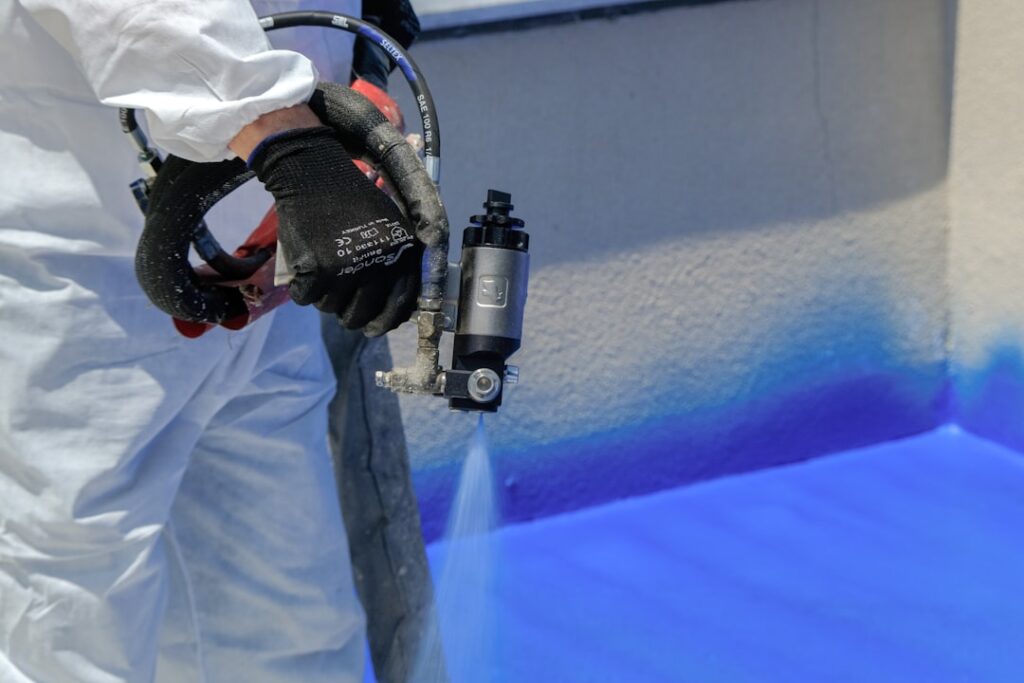
Finding asbestos in an older house does not automatically mean tearing it out. For material that is intact and will not be disturbed, sealing it in place can be a recognized, lower-cost way to manage the risk, and asbestos encapsulation is the name for that approach. Encapsulation coats or saturates asbestos-containing material with a sealant so fibers stay bound instead of becoming airborne. It is one of three main options, alongside enclosure and removal, and choosing well depends on the material’s condition, its location, and what is planned for the space. This guide summarizes EPA, CPSC, and OSHA guidance current as of 2026; it is educational, not a site assessment, and decisions about asbestos in a home should be made with a trained and accredited asbestos professional.
Part of our Asbestos in the Home guide — start there for the full picture →
Is this mold, asbestos, or water damage? Get a free instant screen
Upload a clear photo of the suspect area. You'll get an instant AI screening opinion and what to do next. This is screening guidance, not a professional determination.
Screening guidance only. AI can be wrong. Confirm asbestos, mold type, or lead with lab testing or a licensed professional before acting.
What Asbestos Encapsulation Is
The EPA groups encapsulation under “repair”: with any type of repair, the asbestos remains in place. In the EPA’s words, sealing (encapsulation) involves treating the material with a sealant that either binds the asbestos fibers together or coats the material so fibers are not released. The CPSC’s guide to asbestos in the home uses nearly identical language and notes that pipe, furnace, and boiler insulation can sometimes be repaired this way.
The danger from asbestos is inhalation of microscopic fibers. The EPA explains that exposure generally occurs only when asbestos-containing material is disturbed or damaged in some way that releases particles and fibers into the air. Encapsulation targets that release mechanism. It does not remove asbestos from the house; it reduces the chance that the material sheds fibers while it stays put.
Bridging vs. penetrating encapsulants
Encapsulants fall into two broad families, and the EPA’s two-part description maps onto them neatly:
- Penetrating encapsulants soak into the material and bind fibers together from within. They suit materials that are somewhat porous but still well attached to the surface underneath, since the sealant needs to reach the substrate to lock the layer in place.
- Bridging encapsulants form a continuous, flexible membrane over the surface, coating the material so fibers cannot escape. They tend to be thicker, can be reinforced with fabric on pipe insulation, and are common where the surface takes light contact or vibration.
Some jobs use both: a penetrating coat to bind the material, then a bridging topcoat for durability. Product choice matters, since an encapsulant should be rated for the material type and conditions, including heat on boiler and steam lines. Our guide to asbestos encapsulation paint covers product categories and why ordinary latex paint is not the same thing.
Encapsulation vs. Enclosure vs. Removal
The EPA and CPSC describe the same three paths for asbestos-containing material that is more than slightly damaged or could be disturbed. The table compares them side by side.
| Option | How it works | Asbestos stays in place? | Relative cost | Best fit | Main drawbacks |
|---|---|---|---|---|---|
| Encapsulation (sealing) | Sealant binds fibers or coats the surface | Yes | Usually lowest upfront | Intact or lightly damaged material that will not be disturbed | Needs periodic checks; can make later removal harder and costlier |
| Enclosure (covering) | A barrier is placed over or around the material, such as a jacket on pipe insulation or new flooring over old tile | Yes | Low to moderate | Material in good condition in a spot where a physical barrier is practical | Asbestos remains hidden; future renovators must be told it is there |
| Removal (abatement) | Material is taken out under containment and disposed of as asbestos waste | No | Highest upfront | Extensively damaged material, or material in the path of renovation or demolition | Most disruptive; improper removal can increase exposure |
The CPSC adds a useful cost note: repair is usually cheaper than removal, but it may make later removal of asbestos, if necessary, more difficult and costly. That trade-off is the heart of the decision. Sealing is a management strategy for material that will stay put for the foreseeable future, not a step that saves money if demolition is coming anyway.
The EPA’s guidance also includes a reminder that is easy to miss: if asbestos-containing material is in good condition and will not be disturbed, the usual best step is to leave it alone. Neither encapsulation nor removal is automatically required just because asbestos is present.
When Encapsulation Is Appropriate
Encapsulation fits a fairly narrow but common set of conditions. A trained asbestos professional typically looks for the following before recommending it:
- The material is intact or only lightly damaged. Small abrasions, minor surface wear, or a few loose edges can often be sealed. The EPA notes that for slightly damaged material, sometimes the best approach is to limit access and not touch or disturb it.
- The material is still bonded to its substrate. Sealant adds weight and surface tension. A ceiling texture or pipe wrap that is already delaminating can pull away when coated.
- The material is non-friable or only modestly friable. Friable material crumbles under hand pressure and releases fibers easily. Penetrating sealants can sometimes stabilize lightly friable material, but heavily friable, crumbling material is usually a removal candidate.
- No disturbance is planned. No remodeling, rewiring, plumbing work, or demolition in that area for the foreseeable future.
- The area sees little physical contact. Material in a low-traffic mechanical room is a better candidate than material on a wall that furniture bumps every day.
When Encapsulation Is Not the Right Choice
The EPA states that if asbestos-containing material is more than slightly damaged, or if changes to the home might disturb it, repair or removal by a trained and accredited asbestos professional is needed. It adds that removal may be required when remodeling or major changes will disturb the material, and may be called for if the material is damaged extensively and cannot otherwise be repaired. In practice, encapsulation is a poor fit when:
- The material is badly damaged, crumbling, or water-soaked. Sealant cannot hold together material that is falling apart, and water damage often means the bond to the substrate has failed.
- Renovation is planned. Sealing a basement ceiling and then cutting into it for new lighting next year wastes the encapsulation cost and still requires abatement.
- The material is heavily friable. Spraying or rolling a sealant onto loose, friable material can itself disturb fibers.
- Heat, vibration, or moisture will degrade the coating. Some boiler and steam components, vibrating ductwork, and damp locations can break down sealants faster.
- A sale or financing condition requires removal. Some buyers, lenders, or insurers prefer or require removal, regardless of condition.
Common Uses in Homes
The EPA lists many places asbestos may be found in older homes, including vermiculite attic insulation, vinyl floor tiles and the backing on vinyl sheet flooring and adhesives, roofing and siding shingles, textured paint and patching compounds on walls and ceilings, hot water and steam pipes coated with asbestos material or covered with an asbestos blanket or tape, and furnace door gaskets. OSHA’s asbestos page also lists pipe insulation, floor tiles, and building materials among common uses. Encapsulation shows up most often in three of those places.
Pipe and boiler insulation
Older basements often have white or gray wrap on heating pipes and boilers. Both the EPA and CPSC note that pipe, furnace, and boiler insulation can sometimes be repaired by sealing, and that exposed insulated piping may instead be covered with a protective wrap or jacket, which is enclosure. Professionals often combine the two: encapsulate small damaged spots, then jacket the run. Our guide to asbestos pipe insulation covers identification and the warning signs that call for removal.
Popcorn and textured ceilings
Spray-applied acoustic ceilings from past decades sometimes contain asbestos. When a tested ceiling is intact and not slated for renovation, a professional may seal it with a penetrating or bridging product so the surface stops shedding particles. The catch is permanence: once sealed, the ceiling still contains asbestos, and future scraping, sanding, or drilling will require the same precautions. See our page on asbestos popcorn ceilings for testing and removal context.
Flooring
Older vinyl tiles and the black mastic beneath them are common asbestos sources. The EPA’s do’s and don’ts for homeowners advise against sanding or trying to level asbestos flooring or its backing, and suggest that when asbestos flooring needs replacing, new floor covering be installed over it when possible. That covering approach is enclosure. Some professionals also apply a sealer to intact tiles before covering them. Our guides on asbestos floor tile and asbestos mastic explain the options in more detail.
How Professional Encapsulation Works
A professional encapsulation job looks simple from the outside, since the visible step is applying a coating. Most of the work happens before and after that step, and it is aimed at keeping fibers from escaping while the material is handled. A typical sequence:
- Confirm and assess. The material is sampled and confirmed by a lab, then evaluated for condition, friability, bond strength, and exposure to heat, moisture, or contact.
- Set up the work area. The space is isolated with plastic sheeting, HVAC registers are sealed or the system is shut down, and access is restricted. The level of containment depends on the size and condition of the material.
- Prepare the surface gently. Loose debris is wetted and carefully collected rather than swept or vacuumed with an ordinary vacuum. Small damaged areas may be patched with compatible materials before coating.
- Apply the encapsulant. Penetrating products are typically applied with low-pressure spray to avoid disturbing the surface, while bridging products may be sprayed, brushed, or rolled, sometimes in multiple coats or with fabric reinforcement on pipe runs.
- Clean up and dispose. Plastic sheeting, wipes, and protective clothing are handled as asbestos waste and disposed of according to state and local rules.
- Verify. A visual inspection confirms full coverage, and on larger jobs an independent inspector may run air monitoring to confirm fiber levels did not rise.
Workers wear respirators and disposable coveralls throughout. The EPA advises that contractors avoid spreading or tracking asbestos dust into other areas, dispose of materials in sealed, leak-proof, labeled heavy-duty plastic bags, and leave the work site visually free of dust and debris. Those same expectations apply whether the job is removal or sealing.
Encapsulation and Real Estate Transactions
Encapsulated asbestos often comes up during a home sale, sometimes because a seller sealed material years ago and sometimes because an inspector flags suspect material during the buyer’s inspection period. A few practical points help both sides:
- Documentation matters. Lab results, the contractor’s scope of work, product information, and any air monitoring records show that the material was confirmed and handled properly. Without paperwork, buyers tend to assume the worst.
- Plans for the space drive the negotiation. A buyer who intends to finish the basement or remodel the kitchen may treat sealed material as a future removal cost, even if it is in perfect condition today.
- Condition is checked again. A buyer’s inspector may note peeling or damaged coatings, which can reopen the question of resealing versus removal.
- Disclosure should be accurate. Sealing does not make asbestos disappear, so known material should be disclosed as asbestos-containing, with its encapsulated status explained.
For buyers, the right question is not whether asbestos is present but whether it is in good condition and whether planned work will disturb it.
DIY Limits and Colorado Rules
Encapsulant products are sold to the public, which leads many homeowners to assume sealing is a weekend project. The federal guidance is more cautious. The EPA recommends that removal and major repair be done by people trained and qualified in handling asbestos, and says it is highly recommended that sampling and minor repair also be done by a trained and accredited asbestos professional. The CPSC goes further on minor repairs: doing them yourself is not recommended, since improper handling of asbestos materials can create a hazard where none existed.
The EPA also notes that federal law does not require people who inspect, repair, or remove asbestos-containing materials in detached single-family homes to be trained and accredited, but that some states and localities do. Colorado is one of the states where local rules matter. Colorado’s asbestos regulations, administered through the state health department under Air Quality Control Commission Regulation No. 8, generally reach further than federal rules and can apply to work in single-family homes. Above certain trigger quantities, work is typically expected to be performed by state-certified asbestos personnel, and an inspection by a certified asbestos building inspector may be required before renovation or demolition. Some limited homeowner exemptions have existed, but they come with conditions. Because the specifics change and depend on the project, confirm current requirements with the state health department before any work that could disturb suspect material.
OSHA’s asbestos page notes that asbestos use is highly regulated by both OSHA and EPA, and that heavy exposures tend to occur during removal of asbestos materials in renovation, repairs, or demolition. Those workplace rules govern contractors, which is one reason professional encapsulation comes with containment, wetting, respirators, and waste-handling steps that a homeowner is unlikely to replicate.
Test Before Choosing: Confirming Asbestos First
Encapsulation decisions start with knowing whether the material contains asbestos at all. The EPA says that, in general, it is not possible to tell whether a material contains asbestos simply by looking at it unless it is labeled, and that when in doubt the material should be treated as if it contains asbestos and left alone. It recommends that a trained and accredited professional take samples, cautioning that sampling done incorrectly can be more hazardous than leaving the material alone. The EPA also notes that if building materials are not damaged and will not be disturbed, testing is not necessary.
When testing is warranted, homeowners have two broad paths. A professional inspection includes a visual examination, careful sampling, laboratory analysis, and a written evaluation with recommendations. Some homeowners instead use mail-in kits; our overviews of asbestos tests and the asbestos test kit options explain what each provides, and kits are available in our asbestos test kit shop. For budgeting, see our guide to asbestos testing cost. In Colorado, a renovation-triggered inspection may need to be performed by a state-certified inspector rather than with a DIY kit.
Cost Comparison: Encapsulation vs. Removal
Exact pricing depends on the material, quantity, access, local rules, and contractor. The ranges below are typical planning figures, not quotes:
- Encapsulation: often priced per square foot or per linear foot of pipe, and usually a fraction of removal cost for the same area, because no demolition, bulk waste disposal, or replacement material is needed. Small jobs may hit a contractor’s minimum charge.
- Enclosure: comparable to or slightly above encapsulation for pipe jackets; for flooring, the cost of the new covering is the main expense.
- Removal: typically the most expensive, since it requires containment, negative air, worker protection, disposal at an approved facility, air monitoring, and often new finishes afterward.
Our guides to asbestos abatement cost and asbestos tile removal cost break down removal pricing by material. When comparing, remember the CPSC’s caveat: encapsulation may raise the cost of eventual removal, so the cheaper option today is only cheaper overall if the material can stay in place for years.
Hidden costs to weigh
- Ongoing inspection. Encapsulated material should be checked periodically for wear, peeling, or water damage, and resealed if needed.
- Disclosure. Sellers may need to disclose known asbestos, encapsulated or not, which can affect negotiations.
- Future renovation. A sealed ceiling or wall still triggers asbestos procedures when it is eventually disturbed.
Hiring and Monitoring After Encapsulation
The EPA describes two main types of accredited asbestos professionals: inspectors, who assess conditions, take samples, and advise on corrections, and contractors, who repair or remove material. It recommends avoiding a conflict of interest by using two different firms, so the inspector assessing the need for repair or removal is not connected with the firm doing the work. After a contractor finishes, the inspector can check the cleanup and monitor the air to confirm there is no increase in asbestos fibers.
Before work begins, the EPA advises getting a written contract specifying the work plan, cleanup, and applicable federal, state, and local regulations, and obtaining written assurance at the end that all procedures were followed. After encapsulation:
- Label or document locations so future contractors know the material is there.
- Inspect visually on a schedule, looking for the signs the EPA lists, such as tears, abrasions, or water damage.
- Keep activity low near sealed material, avoiding drilling, nailing, or hanging items on encapsulated surfaces.
- Revisit the plan before any renovation, since disturbance changes the right answer from sealing to removal.
For broader context on asbestos in older homes, see our asbestos and lead pillar guide and the asbestos hub, which also covers asbestos siding and other exterior materials.
References
- Protect Your Family from Exposures to Asbestos — U.S. Environmental Protection Agency
- Learn About Asbestos — U.S. Environmental Protection Agency
- Asbestos in the Home — U.S. Consumer Product Safety Commission
- Asbestos — Occupational Safety and Health Administration
Frequently asked questions
What is asbestos encapsulation?
It is a repair method that leaves asbestos-containing material in place and treats it with a sealant that either binds the fibers together or coats the surface so fibers are not released, as described by the EPA and CPSC.
Is asbestos encapsulation safe?
It can be a sound option for intact or lightly damaged material that will not be disturbed. It is not suitable for badly damaged or crumbling material, or for areas slated for renovation, where removal by trained professionals is usually needed.
Can I encapsulate asbestos myself?
Federal guidance advises against it. The EPA highly recommends that even minor repair be done by a trained and accredited professional, and the CPSC says DIY minor repairs are not recommended. Colorado rules may also apply to work in single-family homes.
Is encapsulation cheaper than asbestos removal?
Usually, upfront. The CPSC notes that repair is generally cheaper than removal but may make later removal more difficult and costly, so encapsulation makes the most financial sense when the material can stay in place for years.
What is the difference between encapsulation and enclosure?
Encapsulation applies a sealant to the material. Enclosure places a physical barrier over or around it, such as a jacket on pipe insulation or new flooring over old tile. In both cases the asbestos remains in place.
Found suspect pipe wrap or a textured ceiling and want to know whether sealing is an option? Send us photos and a short description, and we can help you line up testing and the right next step.