Mask for Asbestos Removal: Respirator Basics
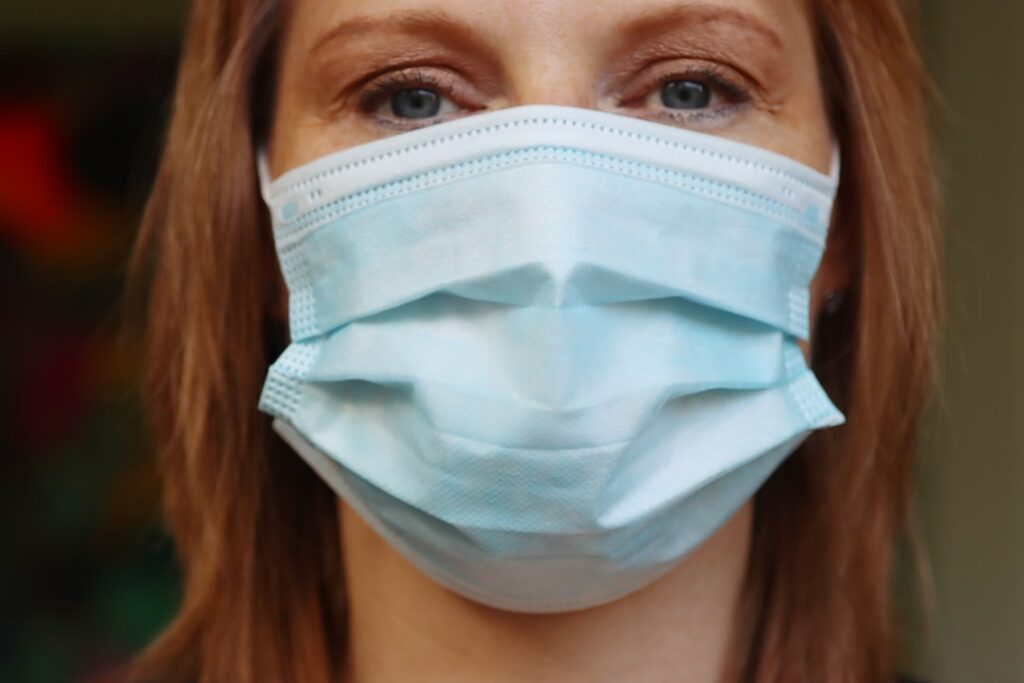
Searching for the right mask for asbestos removal usually signals that someone is considering disturbing asbestos themselves. Before getting to respirator types, an honest framing matters: asbestos abatement is regulated work, and removing more than incidental amounts is restricted to licensed professionals under federal and state rules. This guide summarizes EPA, OSHA, and CDC guidance current as of 2026 and is educational only; consult a licensed abatement professional and your physician about any exposure concerns. Here is what masks can and cannot do, and why this is rarely a DIY job.
Part of our Asbestos in the Home guide — start there for the full picture →
Is this mold, asbestos, or water damage? Get a free instant screen
Upload a clear photo of the suspect area. You'll get an instant AI screening opinion and what to do next. This is screening guidance, not a professional determination.
Screening guidance only. AI can be wrong. Confirm asbestos, mold type, or lead with lab testing or a licensed professional before acting.
What Mask for Asbestos Removal Actually Works
A dust mask from the hardware store does not protect against asbestos. The fibers are microscopic, and the surgical or nuisance masks people often reach for filter nothing meaningful at that size. OSHA’s standards for asbestos work specify respiratory protection rated for the fiber concentration, and that means a properly fitted respirator with high-efficiency particulate filtration, not a paper mask.
At minimum, asbestos work calls for a respirator equipped with P100 filters, which capture at least 99.97 percent of airborne particles. Depending on the fiber levels, OSHA may require a more protective option such as a powered air-purifying respirator or a supplied-air system. The required level rises with the expected concentration, which is itself something professionals measure rather than guess.
Respirators are also rated by an assigned protection factor, a number describing how much they reduce a wearer’s exposure compared with no protection. A tight-fitting half-mask with P100 filters carries a modest factor, a full-face respirator a higher one, and powered or supplied-air systems higher still. Professionals match the assigned protection factor to the measured fiber concentration, choosing more protective gear as levels rise. This matching is a technical judgment grounded in air monitoring, not something a homeowner can reasonably perform by picking a mask off a shelf, which is one more reason asbestos work belongs with trained crews.
Why the Mask Is Only One Piece
A respirator alone does not make asbestos work safe. Professionals combine respiratory protection with a full set of controls: disposable coveralls, gloves, containment barriers, negative-air machines with HEPA filtration, wetting agents to suppress dust, and strict decontamination procedures. The mask protects the wearer’s lungs; the rest of the system keeps fibers from spreading and contaminating the home.
Skipping any part of that system undermines the whole effort. A worker in a quality respirator who tracks fibers through the house on their clothing still creates a lasting hazard for everyone living there. This interdependence is a core reason abatement is treated as specialized work rather than a task a mask alone makes possible.
Respirator Fit and Limits
Even the right respirator fails without a proper seal. OSHA requires fit testing for workers who must wear respirators, because a beard, an ill-fitting mask, or a poor seal lets unfiltered air bypass the filter entirely. A respirator pulled from a shelf and worn without fit testing offers a false sense of security.
Filter Ratings in Brief
The N, R, and P letters describe oil resistance, and the number describes filtration efficiency. For asbestos, the P100 filter is the standard reference point because it offers the highest efficiency and full oil resistance. Lower-rated filters are not appropriate for asbestos fibers.
Maintenance and Disposal
Filters load up and must be replaced on schedule, and contaminated respirator components and coveralls become regulated waste. Professionals handle disposal under specific rules rather than tossing materials in household trash, which is itself illegal in many jurisdictions.
Why Abatement Is Licensed-Professional Work
Federal regulation, particularly the EPA’s National Emission Standards for Hazardous Air Pollutants framework, governs how asbestos is handled, removed, and disposed of. Many states layer their own licensing requirements on top, requiring abatement contractors to be trained, certified, and permitted. The combination of regulated work practices, mandatory air monitoring, containment, and disposal puts genuine removal well outside the reach of a homeowner with a respirator.
Testing is the one area where a homeowner may safely participate, using protective equipment and wet methods to collect a small sample for lab analysis. Removal is a different matter. For a clearer picture of where the line sits between sampling and abatement, our guide to DIY versus professional asbestos sampling walks through the distinction in detail.
When You Might Need a Respirator at All
Most homeowners who suspect asbestos never need a removal respirator, because the correct response to suspected asbestos is usually to leave it alone and test before doing anything. Intact asbestos-containing materials, such as undisturbed floor tile or pipe insulation, are generally not an immediate hazard. The danger comes from disturbance.
If material is damaged or a renovation will disturb it, the appropriate step is to hire a licensed abatement contractor, not to suit up personally. A respirator becomes relevant for the professional doing the work under controlled conditions, not for a homeowner attempting a removal the law and safety practice reserve for trained crews. The broader context of managing these materials appears in our hub on asbestos and lead in older homes.
The Health Stakes Behind the Equipment
The reason for this caution is the disease asbestos causes. Inhaled asbestos fibers are linked by the CDC and health agencies to asbestosis, lung cancer, and mesothelioma, often appearing decades after exposure. There is no established safe level of exposure, which is why respiratory protection for this work is so demanding and why professionals treat even small jobs with full precautions.
Because the latency is so long, the consequences of cutting corners may not surface for years. That delay can make do-it-yourself removal feel deceptively low-risk in the moment. The equipment exists precisely because the hazard is serious and invisible.
Why a Mask Alone Creates False Confidence
The most dangerous outcome of focusing on the mask is a false sense of security. A homeowner who buys a respirator may believe they have solved the safety problem and proceed with a removal that releases fibers throughout the home. The mask protects that one person’s lungs during the work, but it does nothing to contain the fibers, protect other occupants, or prevent long-term contamination of the living space.
Asbestos fibers, once airborne, settle slowly and can be resuspended for a long time by ordinary activity. A removal done without containment spreads fibers onto floors, furniture, and ductwork, where family members who never wore a mask can inhale them for weeks afterward. The respirator, in other words, addresses the smallest part of the hazard while leaving the largest part untouched.
This is why professionals treat the respirator as one element within a sealed, monitored system rather than as the solution. The mask is necessary for the worker, but it is nowhere near sufficient for the job. Recognizing that gap is the single most important takeaway for any homeowner who started by searching for the right mask, because it redirects attention from a tool to the controlled process the work actually requires.
Where Asbestos Hides in Older Homes
Part of why caution matters is that asbestos was used in an enormous range of building products through much of the twentieth century. Homeowners often picture only pipe insulation, but the list is far longer. Vinyl floor tiles and the adhesive beneath them, popcorn and other textured ceilings, roofing and siding materials, joint compound, and insulation around ducts and boilers all commonly contained asbestos in older construction.
This breadth means a renovation can disturb asbestos in unexpected places. Pulling up old flooring, scraping a textured ceiling, or cutting into old insulation can all release fibers if the material contains asbestos. A homeowner reaching for a removal mask is often planning exactly this kind of disturbance, which is why testing the material first is so important. You cannot tell whether a material contains asbestos by looking at it; only lab analysis confirms it.
Because the material is so widespread in older homes, the safest assumption before a renovation in a pre-1980 house is that asbestos could be present until testing shows otherwise. That assumption shapes the right sequence: identify, then decide, then, if removal is needed, hire a licensed professional. A mask alone never substitutes for that process.
The Difference Between Sampling and Removal
It is worth drawing a clear line between two very different activities. Collecting a small sample for testing is a limited, low-disturbance task that a careful homeowner can sometimes perform with proper precautions, including a respirator, wetting the material to suppress dust, and sealing the sample for the lab. This is fundamentally different from removal.
Removal, or abatement, involves disturbing potentially large quantities of asbestos-containing material, generating far more fiber release over a longer period. It demands containment, negative-air filtration, decontamination procedures, regulated disposal, and, in most jurisdictions, a licensed contractor. The respirator that might suffice for collecting a single sealed sample is nowhere near sufficient for a removal job done safely.
Conflating the two is a common and dangerous mistake. A homeowner who reasons that a mask used to take a sample is enough to remove the material has misunderstood the scale of the difference. Sampling is a brief, contained act; removal is a controlled industrial process. The law and safety practice treat them differently for good reason.
What Proper Asbestos Abatement Involves
Seeing what professional abatement actually entails underscores why a mask is only a fraction of the picture. A licensed crew first seals off the work area with plastic sheeting and establishes negative air pressure using HEPA-filtered machines, so that any released fibers cannot escape into the rest of the home. Workers wear full protective suits and fit-tested respirators and follow strict entry and exit decontamination routines.
The material itself is kept wet throughout to minimize airborne fibers, removed carefully rather than broken up, and sealed in labeled, leak-tight containers for disposal at an approved facility. After removal, the area is cleaned with HEPA vacuums and wet methods, and clearance air testing often confirms that fiber levels are safe before the containment comes down.
No part of that process is replicated by a homeowner in a hardware-store mask. The respirator protects one person’s lungs for one part of a much larger system designed to protect the whole household and the surrounding environment. Recognizing the full scope of proper abatement is the clearest argument for leaving removal to licensed professionals.
The Practical Takeaway
If the question is which mask to buy for an asbestos removal, the more useful answer is to step back. A P100 respirator is the baseline standard for asbestos work, but a mask is only one component of a controlled abatement system that, for most situations, the law assigns to licensed professionals. Test first, leave intact material undisturbed, and hire a certified contractor for removal. That sequence protects your lungs far better than any mask used alone.
More Questions About Masks for Asbestos Removal
How do you test a popcorn ceiling for asbestos?
A popcorn ceiling is tested for asbestos by sending a small sample to an accredited laboratory, usually collected by a licensed asbestos inspector. Homeowners in some areas may collect a sample themselves following lab instructions: wet the area, wear a respirator, cut a small piece into a sealed bag and patch the spot. Many jurisdictions and lenders prefer or require a certified inspector, especially before renovation or sale. Ceilings installed before the mid-1980s are the main concern. Results typically come back within a few days and guide whether to leave, encapsulate or remove the material.
How much does professional asbestos popcorn ceiling removal cost?
Professional asbestos popcorn ceiling removal typically costs about $3 to $7 per square foot, and sometimes more for small jobs, according to industry estimates. The price includes containment with plastic sheeting, negative air machines, wet removal, disposal at an approved facility and air clearance testing. Ceiling height, furniture, occupied homes and local disposal fees affect the total. Many contractors have a minimum charge regardless of size. Encapsulation, which seals the texture in place, is often far less expensive and avoids disturbing the material when the ceiling is in good condition.
How long do P100 cartridges last for asbestos work?
P100 particulate cartridges used for asbestos work are typically replaced when breathing resistance increases, when they become damaged or wet, or at the end of each job, whichever comes first. Unlike gas and vapor cartridges, particulate filters actually load up and capture more over time, but clogging makes them harder to breathe through. For asbestos, many professionals discard cartridges after each removal project because they are contaminated. Follow the respirator manufacturer’s instructions and never blow off or wash particulate cartridges to reuse them.
What should you do if you accidentally disturbed asbestos?
If asbestos-containing material was accidentally disturbed, stop work, leave the area, keep others and pets out and turn off the HVAC system to avoid spreading dust. Do not sweep, vacuum with a household vacuum or blow the debris. Lightly misting debris with water can help keep fibers down until a professional arrives. Contact a licensed asbestos abatement contractor to assess and clean up the area. A single brief exposure is generally considered low risk, but anyone with health concerns should talk with a doctor about the exposure.
References
- OSHA asbestos standards and respiratory protection — Occupational Safety and Health Administration
- EPA asbestos handling and NESHAP rules — U.S. Environmental Protection Agency
- CDC and NIOSH asbestos health information — Centers for Disease Control and Prevention
Frequently asked questions
Will a regular dust mask protect me from asbestos?
No. Surgical and nuisance dust masks do not filter microscopic asbestos fibers. OSHA standards call for a fit-tested respirator with P100 filters at minimum, and higher protection for greater fiber concentrations.
Can I remove asbestos myself if I wear a respirator?
Generally no. Abatement is regulated under federal rules and often requires a licensed contractor. A respirator is only one part of a controlled system that includes containment, HEPA air filtration, wetting, and proper disposal.
What respirator filter rating is needed for asbestos?
P100 is the standard reference, capturing at least 99.97 percent of particles with full oil resistance. The respirator must also be fit-tested, since a poor seal lets unfiltered air bypass the filter.
When do I actually need asbestos protection?
Most homeowners do not, because the right response to suspected asbestos is to leave intact material alone and test first. If material is damaged or must be disturbed, hire a licensed abatement professional.
Does a respirator for asbestos need to be NIOSH-approved?
Yes, a respirator used for asbestos should be NIOSH-approved and fitted with filters rated for asbestos, typically P100 or HEPA. Look for the NIOSH approval label on the respirator or packaging, since unapproved masks sold online may not meet any protection standard.
Can you take off an asbestos mask inside the work area?
No, an asbestos respirator should stay on until the worker has left the work area and decontaminated. Removing it inside the containment, even briefly to talk or drink, allows fibers to be inhaled. Professionals remove respirators only after cleaning off coveralls and leaving the contaminated zone.
Does homeowners insurance cover asbestos removal?
Homeowners insurance usually does not cover asbestos removal for age-related or planned renovation work. It may help pay for abatement when asbestos is disturbed by a covered sudden event, such as a fire or burst pipe. Policies differ, so review the policy and ask the insurer before work begins.
If you have suspect materials in an older Front Range home, get in touch through our contact page to connect with a qualified inspector or licensed abatement professional.
Asbestos test kits
Asbestos can only be confirmed by a lab. A mail-in kit gets you a sealed sample container and accredited analysis — never sand or disturb suspect material first.
| Product | Why | Buy |
|---|---|---|
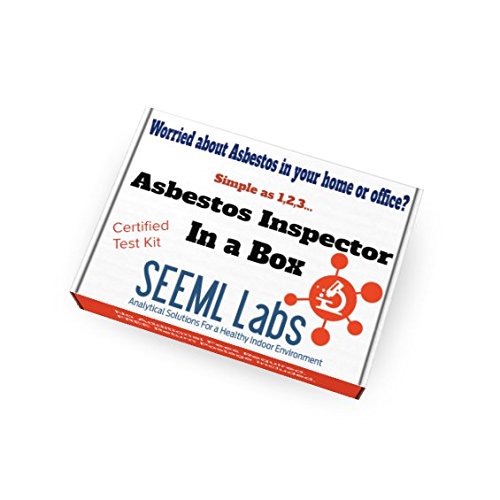 Asbestos Test Kit (mail-in lab) | Includes PPE + sealed mailer. | Amazon — $22.00 |
 Pro-Lab Asbestos Test Kit | Widely available; lab fee separate. | Amazon — $63.99 |