Professional Asbestos Removal: A Clear Guide
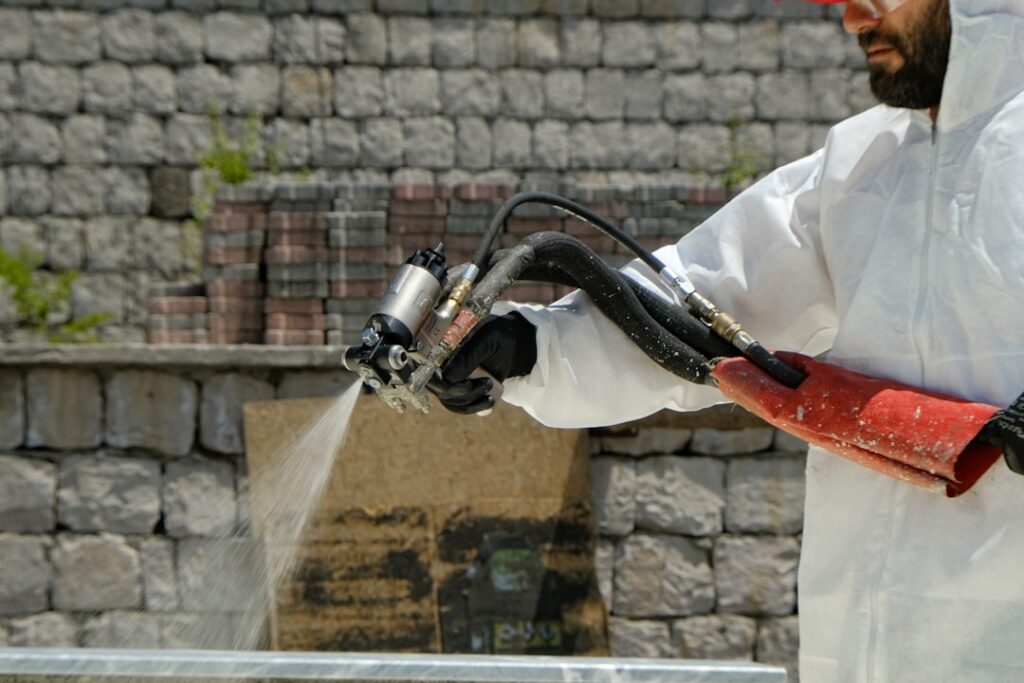
When testing confirms asbestos in a material that has to come out, the next step is not a weekend demolition project. It is professional asbestos removal, a regulated process handled by licensed abatement contractors who contain the work area, control airborne fibers, and verify the space is safe before anyone moves back in. Removal is the most involved and tightly controlled way to deal with asbestos, reserved for material that is damaged or in the path of renovation. This guide explains how professional removal works, why it is regulated so heavily, what it costs, and how to hire a qualified contractor. It reflects EPA and OSHA guidance current as of 2026; consult a licensed abatement professional for decisions about your specific home.
Is this mold, asbestos, or water damage? Get a free instant screen
Upload a clear photo of the suspect area. You'll get an instant AI screening opinion and what to do next. This is screening guidance, not a professional determination.
Screening guidance only. AI can be wrong. Confirm asbestos, mold type, or lead with lab testing or a licensed professional before acting.
What is professional asbestos removal?
Professional asbestos removal, properly called abatement, is the controlled removal and disposal of asbestos-containing material by trained, licensed workers. The defining feature is containment: the work area is sealed off, air pressure is managed so fibers cannot escape, and workers wear respiratory protection. The goal is to remove the hazard without contaminating the rest of the home.
Removal is one of three ways to handle confirmed asbestos, alongside leaving intact material in place and encapsulating it. It is the right choice when the material is deteriorating, friable, or directly in the way of a renovation. When material is intact and undisturbed, removal may be unnecessary and even counterproductive, since disturbing asbestos is what makes it dangerous. The decision flows from the inspection and lab result; our guide to finding an asbestos inspection near me covers how that assessment determines whether removal is warranted, within the broader asbestos and lead hazard guide.
Why it has to be professional
Asbestos abatement is one of the most regulated home-related activities for a reason. Asbestos fibers, once airborne, are linked to serious diseases including asbestosis, lung cancer, and mesothelioma, and the danger is invisible and odorless. A botched DIY removal does not just risk the person doing the work; it can spread fibers throughout the home and contaminate it for everyone, including children.
OSHA sets strict exposure limits and work practices for asbestos, and EPA regulations govern handling and disposal. Licensed contractors are trained in these requirements, carry the right equipment, and know how to dispose of asbestos waste at approved facilities. The combination of health stakes, regulatory complexity, and specialized equipment is why removal belongs to professionals. Our look at the asbestos removal service field explains what separates a compliant contractor from a risky one.
How the removal process works
A professional abatement project follows a structured sequence designed to keep fibers contained from start to finish.
Assessment and planning
The project starts with confirmed test results and a plan identifying what will be removed, how the area will be contained, and how waste will be handled. In some jurisdictions, larger projects require notification to regulators before work begins.
Containment setup
Workers seal the work area with plastic sheeting and establish negative air pressure using HEPA-filtered machines, so air flows into the contained zone rather than out of it. HVAC systems serving the area are shut down and sealed to prevent fibers spreading through ductwork. Decontamination zones are set up for workers to enter and exit safely.
Removal
The asbestos material is kept wet to suppress fibers and removed carefully, then sealed in labeled, leak-tight containers. Workers wear respirators and disposable protective suits throughout. The wetting step is critical because dry asbestos releases far more fibers when handled.
Cleanup and disposal
The contained area is cleaned with HEPA vacuums and wet wiping. Asbestos waste is transported to a licensed disposal facility, not a regular landfill, following hazardous-waste handling rules.
Air clearance
Before the area is reoccupied, an independent clearance test measures airborne fiber levels to confirm the space is safe. Using a third party for clearance, rather than the removal contractor, avoids a conflict of interest and gives the homeowner an objective all-clear.
What professional removal costs
Abatement pricing varies widely with the type and amount of material, accessibility, and your region. Small, contained jobs are far less expensive than whole-house removals or abatement of friable insulation in hard-to-reach mechanical spaces. Friable materials cost more to remove than non-friable ones because they release fibers more readily and demand stricter controls.
The cost also reflects the full process: containment setup, specialized labor, protective equipment, regulated disposal, and clearance testing. It is more expensive than ordinary demolition precisely because it is engineered to protect the home and the people in it. Many homeowners weigh removal against encapsulation, which seals the material in place at lower cost when the material is intact. Our breakdown of asbestos testing and project costs helps set expectations for the overall investment.
How to hire a qualified abatement contractor
Choosing the right contractor is the most important decision in the project. Start with licensing. Asbestos abatement contractors must hold the appropriate state license and employ workers trained and certified under EPA and OSHA requirements. Ask for the license number and verify it.
Favor independence between testing and removal. An abatement contractor who also did your testing has an incentive to recommend the most extensive removal. Using an independent inspector for assessment and clearance keeps the process honest. Confirm the contractor carries proper insurance, ask how they handle containment and disposal, and request references from recent jobs. A reputable contractor explains the containment plan clearly and welcomes an independent clearance test. Our guide to hiring an asbestos abatement contractor details the questions that separate a safe firm from a careless one.
What to expect as a homeowner
During abatement, the work area will be off-limits and sealed, and you may need to vacate part or all of the home depending on the project’s scale. The process is disruptive but finite, and a well-run job leaves the area cleaner and safer than it was. Keep the clearance test result and all documentation; it matters for future renovations and for resale disclosure.
The reassurance at the end is real. Once an independent clearance confirms safe air levels, the hazard is gone and the space is ready to use. Professional removal costs more and takes longer than ignoring the problem, but it is the only path that eliminates an asbestos hazard without trading it for a worse one. Done correctly, it turns a serious health risk into a closed chapter, with paperwork to prove it.
Removal versus encapsulation and management
Removal is not the only way to handle confirmed asbestos, and choosing it when another option fits wastes money and creates unnecessary disturbance. The three recognized approaches are removal, encapsulation, and management in place, and the right one depends on the material’s condition and your renovation plans.
Encapsulation seals asbestos material with a specialized coating or barrier so fibers cannot escape, leaving the material where it is. It suits intact material that will not be disturbed, such as a stable pipe insulation in a utility area, and costs far less than removal. Management in place means leaving good-condition material untouched and monitoring it over time, the conservative default when nothing threatens to disturb it. Removal becomes necessary when the material is friable, already deteriorating, or directly in the path of a renovation that will break it. Because disturbing asbestos is what makes it dangerous, the counterintuitive truth is that ripping out stable material can create more risk than leaving it. A good professional recommends the least disruptive option that genuinely protects the home, not automatically the most expensive one.
Regulations that govern abatement
Asbestos removal sits inside a web of federal and state rules, and understanding them explains why the process is so structured. OSHA sets occupational exposure limits and mandatory work practices that protect abatement workers, including respiratory protection, wetting, and decontamination procedures. EPA regulations govern how asbestos waste is handled and disposed, requiring transport to licensed facilities rather than ordinary landfills. Many states and localities add their own licensing and notification requirements, and larger projects often must be reported to regulators before work begins.
For homeowners, the practical implication is that a compliant contractor is not just being cautious for show; they are meeting legal obligations that exist precisely because improper asbestos work endangers people. A contractor who cuts corners on containment, disposal, or worker protection is breaking rules designed to keep fibers out of your home and the environment. This regulatory backdrop is the strongest argument against DIY removal and the clearest reason to verify a contractor’s licensing before hiring. The rules are the floor, and a reputable firm treats them as the minimum rather than an obstacle to dodge.
What to keep after the project
When abatement is complete, the paperwork becomes part of your home’s permanent record, and keeping it serves you for years. The most important document is the independent air clearance result confirming the space is safe to reoccupy. Hold onto the project scope, any required regulatory notifications, the disposal manifest showing the waste went to a licensed facility, and the contractor’s licensing and insurance documentation.
This file matters for two reasons. First, future renovations near the abated area benefit from knowing exactly what was removed and what remains, so a later contractor does not unknowingly disturb material. Second, asbestos history is a disclosure consideration when selling the home, and documented, properly cleared abatement reassures a buyer far more than vague assurances. Our guide to the asbestos removal service field and our overview of hiring an abatement contractor both stress documentation for exactly these reasons. Treat the closing paperwork as the proof that the hazard was handled correctly, because that is precisely what it is.
Common questions homeowners ask before hiring
A few practical questions come up again and again when a homeowner faces a first abatement project, and answering them early smooths the process. People often ask whether they must leave the home during removal. The answer depends on the project’s scale and the location of the work; small, well-contained jobs may allow occupancy of unaffected areas, while larger or central projects may require temporarily vacating. A good contractor explains this upfront rather than after the work begins.
Another frequent question is how long the project takes. Many residential abatement jobs are completed in a day or two, plus the time for clearance testing before reoccupation, though complex jobs run longer. Homeowners also ask whether removal is truly necessary or whether encapsulation would suffice; a reputable professional answers honestly based on the material’s condition rather than defaulting to the more expensive option. Finally, people ask how to be sure the air is safe afterward, and the answer is always the independent clearance test. Asking these questions before signing a contract reveals how transparent and competent a contractor is, and a firm that answers them clearly and without pressure is usually the right one to trust with a hazard this serious.
References
- Asbestos in the home and removal guidance — U.S. EPA
- Asbestos exposure limits and abatement work practices — Occupational Safety and Health Administration
- Asbestos health effects and exposure controls — CDC / NIOSH
- How professional asbestos abatement works — The Mesothelioma Center
Front Range homeowners who have confirmed asbestos and need a vetted, licensed abatement professional can connect with one through our contact page for a safe, compliant removal.
Asbestos test kits
Asbestos can only be confirmed by a lab. A mail-in kit gets you a sealed sample container and accredited analysis — never sand or disturb suspect material first.
| Product | Why | Buy |
|---|---|---|
 Asbestos Test Kit (mail-in lab) Asbestos Test Kit (mail-in lab) | Includes PPE + sealed mailer. | Amazon — $29.99 |
 Pro-Lab Asbestos Test Kit Pro-Lab Asbestos Test Kit | Widely available; lab fee separate. | Amazon — $45.99 |