Asbestos Removal Service: What Homeowners Need to Know
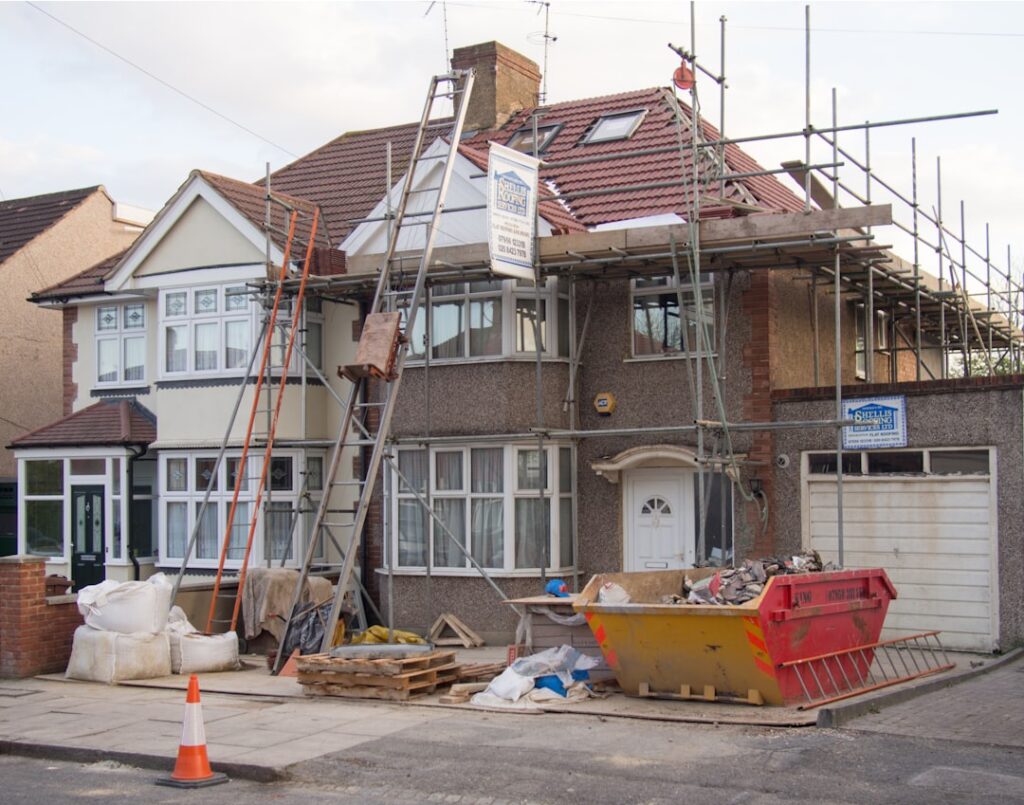
An asbestos removal service is the step-by-step process that turns a confirmed asbestos hazard into a clean, documented, safe space. Where a removal company is the business you hire and a testing company is the lab that confirms the material, the removal service is the work itself: the scope, the sequence, and the deliverables you should expect from start to finish. Understanding the service helps a homeowner judge whether a contractor is doing the job correctly. This guide walks through what the service includes and the steps involved. It summarizes EPA and OSHA guidance current as of 2026; consult a certified professional for project decisions and your physician for health concerns.
Part of our Asbestos in the Home guide — start there for the full picture →
Is this mold, asbestos, or water damage? Get a free instant screen
Upload a clear photo of the suspect area. You'll get an instant AI screening opinion and what to do next. This is screening guidance, not a professional determination.
Screening guidance only. AI can be wrong. Confirm asbestos, mold type, or lead with lab testing or a licensed professional before acting.
What an Asbestos Removal Service Includes
A complete removal service is more than tearing out material. It bundles a sequence of tasks into one regulated job: pre-work testing or confirmation, regulatory notification, site setup and containment, the physical removal, sealing and transport of waste, decontamination, and final clearance. A reputable service treats each of these as a deliverable, not an afterthought.
This scope is what separates a legitimate service from a cut-rate demolition. The defining feature is control at every stage, so fibers never escape the work area and the waste is tracked all the way to a licensed landfill. When evaluating a contractor, a homeowner should expect each of these elements spelled out in writing. The business side of choosing the firm is covered in our guide to vetting an asbestos removal company; this article focuses on what the work itself involves.
The Step-by-Step Removal Process
The process follows a consistent order, and knowing it lets a homeowner spot a crew cutting corners.
Preparation and Containment
Work starts with confirmation that the material is asbestos, which should already be documented by an asbestos testing company before the crew arrives. The contractor files any required notification with the regulator. On site, the crew seals off the work area with plastic sheeting and establishes negative air pressure using HEPA-filtered equipment, so air flows inward and fibers cannot drift into living spaces. Furnishings are removed or sealed, and HVAC vents are closed off to prevent fibers from circulating through the home.
Removal and Disposal
Workers in respirators and disposable suits wet the asbestos material to suppress dust, then remove it carefully, keeping pieces intact rather than breaking them. Removed material goes immediately into labeled, leak-tight bags or wrapping. The sealed waste is transported to a landfill licensed to accept asbestos, accompanied by manifests that document the chain of custody. Improvising disposal in a regular dumpster is illegal and a clear sign of a bad operator.
Decontamination and Clearance
After removal, the crew cleans the containment area with HEPA vacuums and wet wiping, then removes the containment itself carefully. On larger jobs, an independent party conducts air monitoring to confirm fiber levels are safe before the space is reoccupied. That clearance step is the homeowner’s proof the job was done right.
How the Service Differs From Testing and Inspection
Homeowners frequently blur three distinct services, and the difference matters for both safety and budget. An inspection or testing service identifies whether asbestos is present and how much. A removal service eliminates a confirmed hazard. They happen in sequence: test first, remove only if necessary and warranted by the material’s condition.
This ordering is not bureaucratic. Testing first prevents needless removal of stable material that would be safer left in place, and it gives the removal crew an accurate scope so the job is priced and planned correctly. A contractor who offers to remove material without any testing is skipping the foundation of responsible abatement. The relationship among these services sits within the larger picture of managing asbestos and lead in pre-1978 housing.
What to Expect on Timeline and Disruption
Most residential removal services are completed in days rather than weeks, though the exact timeline depends on the quantity and location of the material. A single popcorn ceiling or a small run of pipe insulation moves quickly. Whole-house siding or extensive friable insulation takes longer and requires more elaborate containment.
Disruption is real but temporary. The work area is sealed and off-limits during the job, and depending on the location of the asbestos, the household may need to relocate temporarily, especially for central areas or shared HVAC systems. A good service tells the homeowner up front how long the work will take, which areas will be inaccessible, and whether the family should stay elsewhere. Clear communication about disruption is itself a marker of a professional operation.
Verifying the Service Was Done Right
The end of the job is where a homeowner confirms value. The deliverables should include documentation of the disposal manifest, proving the waste reached a licensed facility, and, on larger jobs, a clearance air-monitoring result showing the space is safe. Keep these records, because they matter for future disclosure when selling the home.
A homeowner should also confirm the work area was returned clean, with no debris, dust, or stray material left behind. If anything seems off, an independent clearance test by a party not affiliated with the removal crew settles the question. Combining a documented service with independent verification gives a homeowner confidence that the hazard is genuinely gone, not merely hidden. That confidence is the entire point of paying for a professional removal service rather than risking a do-it-yourself job that spreads the very fibers it aims to remove.
How to Prepare Your Home for the Service
A homeowner has a role to play before the crew arrives, and good preparation makes the service smoother and safer. The contractor will explain the specific steps, but several are common to most jobs. Clearing the work area of furniture, belongings, and valuables is usually the homeowner’s responsibility, since anything left in a containment zone may be sealed in or, in rare cases, contaminated.
Planning for the household’s movements matters too. Depending on where the asbestos is located, the work area may be off-limits for the duration, and in some cases the family should arrange to stay elsewhere, particularly when the abatement involves a central area or the home’s shared HVAC system. Pets need to be relocated for their safety. A homeowner should also confirm access details with the contractor, such as parking for equipment, the location of electrical panels, and the route the crew will use to carry sealed waste out of the home.
Communication before the job prevents surprises during it. The homeowner should know the expected timeline, which rooms will be inaccessible, and how the crew will protect the rest of the home from the work zone. A reputable service walks through all of this in advance, because a prepared homeowner and a clear plan are part of what keeps the removal controlled from start to finish.
Why Professional Service Beats DIY Removal
The temptation to handle asbestos removal personally is understandable given the cost, but it is a false economy that can endanger an entire household. The core problem is that removal is the moment of greatest fiber release, and managing that release safely requires equipment, training, and disposal access that homeowners simply do not have. A do-it-yourself job often spreads fibers through the home rather than removing them.
A professional service controls every variable a homeowner cannot. Negative-pressure containment keeps fibers from migrating. Respirators and protective suits shield the workers. Wetting and careful handling minimize the dust generated. Licensed disposal ensures the waste reaches a facility permitted to accept it, rather than an ordinary dumpster where it would be both illegal and hazardous. None of these controls is optional, and none is realistic for an untrained homeowner to replicate.
There is also the matter of verification. A professional service ends with documentation and, on larger jobs, clearance testing that proves the space is safe. A DIY job ends with no such assurance, leaving a family to wonder whether fibers were spread into living areas they cannot see. Weighed against the cost of a contaminated home and the health stakes involved, the premium for professional removal is not an expense to avoid but a protection to insist on. The service exists precisely because doing this work safely is a specialty, not a weekend project.
What the Service Scope Should Spell Out
A clear written scope is the homeowner’s best protection, and knowing what it should contain helps a buyer judge whether a service is complete. The scope is the document that defines exactly what the contractor will do, and a thorough one leaves little to assumption. It should name the specific materials to be removed, the method, and the boundaries of the work area.
Beyond the materials, a good scope details the controls. It should describe the containment setup, including negative air pressure and HEPA filtration, the personal protective equipment the crew will use, and the wetting and careful-handling practices that suppress dust. It should specify how waste will be packaged, transported, and disposed of at a licensed facility, and it should state which documentation the homeowner will receive, such as disposal manifests. On larger jobs, it should address clearance air monitoring and who performs it.
The scope should also cover the practical logistics: the expected timeline, which areas of the home will be inaccessible and for how long, and whether the household needs to relocate. A service that spells out all of this in writing is one a homeowner can hold accountable, because there is a clear standard against which to measure the finished work. A vague scope, by contrast, invites disputes and corner-cutting. When comparing services, a homeowner is well served by favoring the contractor whose written scope is most specific, since that specificity reflects a disciplined, professional operation rather than an improvised one.
The scope also protects the homeowner financially. A clearly written agreement specifies the price, what it covers, and how any unforeseen conditions, such as additional asbestos discovered mid-job, will be handled. Without that clarity, a homeowner risks surprise charges or disputes once the work is underway. A reputable service addresses change-order procedures up front, so both parties know what happens if the job grows. Reading the scope carefully before signing, and asking the contractor to clarify anything vague, is a small effort that prevents the most common conflicts. The combination of a specific scope, a clear price, and defined deliverables turns the removal service from an open-ended risk into a controlled, accountable transaction the homeowner can verify at every stage.
Front Range homeowners who want a connection to a vetted, licensed abatement professional for a properly documented removal can reach out through our contact page.
References
- Protect Your Family from Asbestos — U.S. Environmental Protection Agency
- Asbestos Removal Standards — Occupational Safety and Health Administration
- Colorado Asbestos Abatement Rules — Colorado Department of Public Health and Environment
- Asbestos Exposure and Health — Centers for Disease Control and Prevention
Frequently asked questions
What does an asbestos removal service include?
A full service covers confirmation testing, regulatory notification, containment with negative air pressure, careful wet removal, sealed transport to a licensed landfill, decontamination, and clearance air monitoring. Each step is a deliverable a homeowner should see documented.
How long does asbestos removal take?
Most residential jobs take days rather than weeks. A single ceiling or short run of insulation goes quickly, while whole-house siding or extensive friable insulation takes longer and may require the household to relocate temporarily.
Do I need testing before removal?
Yes. Testing comes first to confirm the material is asbestos and to define the scope. It prevents needless removal of stable material and lets the crew price and plan the job accurately. Skipping it is a red flag.
How do I know the removal was done correctly?
Ask for the disposal manifest proving waste reached a licensed facility and, on larger jobs, a clearance air-monitoring result. An independent clearance test by an unaffiliated party confirms the space is safe to reoccupy.
Asbestos test kits
Asbestos can only be confirmed by a lab. A mail-in kit gets you a sealed sample container and accredited analysis — never sand or disturb suspect material first.
| Product | Why | Buy |
|---|---|---|
 Asbestos Test Kit (mail-in lab) Asbestos Test Kit (mail-in lab) | Includes PPE + sealed mailer. | Amazon — $34.99 |
| Pro-Lab Asbestos Test Kit | Widely available; lab fee separate. | Amazon — $34.99 |