Mold Removal Service: Homeowner Guide
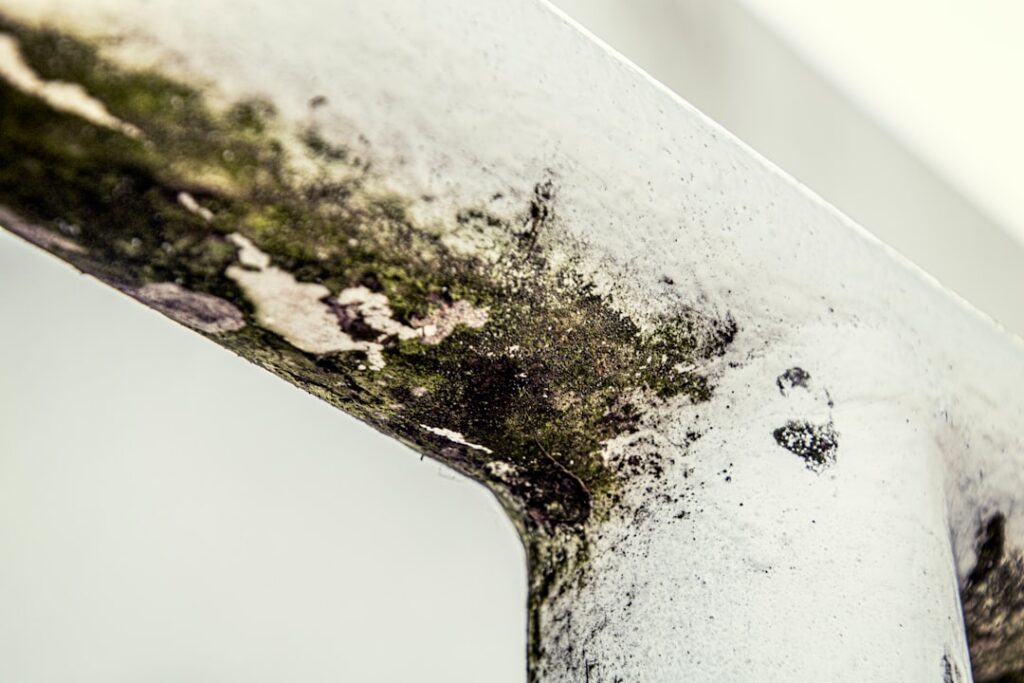
“Mold removal service” is one of the most-searched phrases for a problem that has at least four distinct service tiers behind it. Some calls warrant a cleaner; some warrant a remediation contractor under IICRC S520 protocols; some warrant an industrial hygienist before either. The right tier depends on visible square footage, water-loss category, occupant health, and whether an insurance claim is involved. This guide summarizes EPA and CDC guidance current as of 2026 and walks through how to match service tier to situation. Consult your physician for symptoms and a certified professional for testing decisions.
Is this mold, asbestos, or water damage? Get a free instant screen
Upload a clear photo of the suspect area. You'll get an instant AI screening opinion and what to do next. This is screening guidance, not a professional determination.
Screening guidance only. AI can be wrong. Confirm asbestos, mold type, or lead with lab testing or a licensed professional before acting.
What “mold removal service” covers in plain language
The phrase usually refers to the work a contractor performs to physically remove visible mold and contaminated materials from a building. It overlaps heavily with “mold remediation” but is sometimes used to describe simpler cleaning work. Industry literature — IICRC, EPA, InterNACHI — uses “remediation” more precisely. A homeowner shopping for “mold removal” should expect bids that range from a few hundred dollars for a small bathroom cleaning to tens of thousands for whole-basement contamination after a category-3 water loss.
The four service tiers, smallest to largest
Tier one is consumer cleaning — bleach, soap, or a commercial mold cleaner on a bathroom wall under 10 square feet. Tier two is a janitorial or restoration cleaning crew handling small surface contamination, often with HEPA vacuuming. Tier three is full IICRC S520 remediation with containment, negative air, and post-verification. Tier four is hygienist-led work where an industrial hygienist writes the protocol, oversees the remediation contractor, and signs off on clearance. Tier mismatches drive most homeowner regret — either over-paying for tier three when tier two would have sufficed, or under-paying for tier two when tier three was warranted.
How to tell which tier you need
The most useful diagnostic is square footage of visible contamination. Under 10 square feet, EPA guidance allows DIY (tier one). Between 10 and 100 square feet, most homeowners will benefit from professional removal at tier two or three. Above 100 square feet, or any contamination involving an HVAC system, sewage, or flood water, tier three or four becomes the default. Occupant health matters too — immunocompromised residents or those with asthma should escalate one tier regardless of square footage.
Certifications that distinguish a professional service
The Institute of Inspection, Cleaning and Restoration Certification (IICRC) issues the AMRT (Applied Microbial Remediation Technician) and AMRS (Supervisor) credentials. These are the most widely recognized residential mold credentials in the United States. A homeowner asking “are your techs IICRC certified” and getting a vague answer should move on. Other relevant credentials include InterNACHI’s mold inspection certification (for the testing side) and ACGIH industrial hygienist credentialing for protocol-level oversight.
What an honest scope of work looks like
A defensible written scope identifies the affected area, square footage, the IICRC contamination condition (1, 2, or 3), containment plan, negative-air machine capacity (CFM), removal materials and depth, antimicrobial chemicals used with EPA registration numbers, drying timeline, and post-remediation verification method. Repair work (drywall, paint, flooring) is itemized separately. One-page bids that lump everything together are common but rarely accurate after the work starts.
Insurance considerations
Most standard homeowner policies exclude mold unless it stems from a covered water loss (a burst pipe, for example). Even covered claims often cap mold remediation at $10,000 or impose strict reporting timelines. Document the loss with photos and a water-damage timeline before calling the carrier. A reputable mold removal service can prepare Xactimate-formatted estimates the carrier will accept. For a deeper look at the four-phase restoration sequence see our mold and restoration phase guide.
Conflict-of-interest concerns
The EPA explicitly recommends that the party who tests for mold not also be the party who removes it. Many residential operators offer both — testing for a low or free price as a lead-generation tactic, then upselling remediation. This is not categorically dishonest, but the incentive structure tilts toward over-scoping. Front Range homeowners with a non-trivial contamination should consider hiring an independent inspector or hygienist to write the protocol, then bidding it out to two or three remediation companies. Our mold inspection hub walks through how to vet an independent inspector.
What a mold removal service does on day one
The first day on a typical residential project involves site walkthrough, moisture mapping, photo documentation, containment setup using 6-mil polyethylene sheeting with zipper doors, deployment of HEPA-filtered negative-air machines (often AFS-1000 or similar units), and personal protective equipment fit-up. PPE typically includes full-face or half-face respirators with P100 cartridges, Tyvek suits, and nitrile gloves. Removal usually begins late on day one or first thing day two depending on containment complexity.
Days two through four — the removal phase
Contaminated porous materials — drywall, insulation, carpet pad — are double-bagged and removed through the containment exit. Semi-porous materials (framing) are HEPA-vacuumed and either damp-wiped with an EPA-registered antimicrobial or, where contamination has penetrated, sanded back to clean wood. The contractor monitors moisture readings throughout and continues drying with air movers and dehumidifiers until target moisture content is achieved. Day four typically involves final HEPA vacuuming and damp wiping.
Day five — post-remediation verification
An independent verifier (ideally not the remediation contractor) walks the contained area and performs visual inspection plus moisture readings. Air or surface sampling is performed when warranted — usually on insurance-billed jobs or where occupants have ongoing symptoms. Clearance criteria are spelled out in the original protocol. A failed clearance triggers additional remediation; a passed clearance allows containment teardown and transition to repair.
Red flags that should make you pause
Flat-rate quotes with no square-footage basis. Same-day bids without a moisture survey. Refusal to itemize remediation versus repair. No mention of IICRC standards. Demand for full payment up-front. Pressure to start “today” without a written contract. Testing performed by the same crew that will profit from removal. Any of these in isolation might be benign; two or more together warrant a second opinion.
Pricing benchmarks for Front Range homeowners
Industry surveys and Front Range contractor reporting place small residential remediation (under 100 square feet) in the $500 to $4,000 range; mid-size jobs (100 to 500 square feet) in the $4,000 to $15,000 range; and whole-basement or category-3 jobs above $15,000. These figures exclude the repair phase. Get two or three bids on the same written scope before signing — variance of 40 percent or more on identical scope is common.
When to call a professional immediately
Visible mold over 10 square feet, mold linked to sewage or flood water, mold in HVAC, mold accompanied by occupant respiratory symptoms, or mold in a home with an immunocompromised resident. Pre-1978 housing where lead paint may be disturbed during demo work also warrants a professional with EPA RRP certification. Document everything with photos and dated notes before any service crew arrives.
What a documentation packet should contain at job close
A reputable mold removal service produces a documentation packet at job completion that contains: initial scope-of-work document with affected areas and square footage; daily progress logs with moisture readings and photos; final post-remediation verification report; antimicrobial product safety data sheets and EPA registration numbers where applicable; air or surface sampling chain-of-custody and lab results, if sampling was performed; written workmanship warranty; itemized final invoice separating remediation and repair phases. This packet matters for insurance documentation, future resale disclosure (mold is a material defect in most states), and warranty support if recurrence occurs. A service unable to produce this packet on small jobs signals thin organizational discipline; demanding it produces packets above the bare minimum is reasonable.
The moisture-source diagnosis step
Every mold removal job depends on identifying and correcting the underlying moisture source. Common sources: roof leaks (often slow and intermittent), plumbing leaks (under-sink, behind walls, slab leaks), foundation moisture intrusion, basement waterproofing failure, HVAC condensate-drain blockage, inadequate kitchen or bathroom ventilation, humidifier overuse, and ice-dam water intrusion (a recurring Front Range issue at eaves). A removal service that does not identify the moisture source has not finished the job. The post-remediation report should explicitly state what source was identified and how it was addressed; if the source remains unclear, additional diagnostic work is warranted before rebuild begins.
How occupant health affects the scope decision
Residents with asthma, chronic respiratory conditions, immunocompromise, or pregnancy may need conservative scoping that escalates one tier above what square-footage rules suggest. The CDC and NIH note mold exposure can exacerbate respiratory conditions and trigger allergic responses in sensitized individuals. The conservative approach: call a professional for borderline DIY cases, request clearance sampling on jobs that might otherwise skip it, and arrange temporary relocation during active remediation. Consult your physician for individual symptom evaluation; the removal contractor’s role is the physical work, not the medical assessment of who can safely stay in the home during the project.
The first 24 hours after water loss
Mold proliferation begins 24-48 hours after water intrusion in materials kept wet. The first 24 hours are decisive. Reputable removal services respond to active water-loss-driven calls within 2-4 hours and stabilize within 24 hours — water extraction, fan and dehumidifier deployment, plastic isolation of saturated materials. Quick stabilization often prevents the contamination from progressing from a water-loss claim into a mold claim, which matters for insurance scope. Document the loss with photos and dated timestamps when the water event occurs, and call the service before calling friends or family for advice.
Worker safety inside the active containment
OSHA’s respiratory-protection rule (29 CFR 1910.134) governs worker safety during mold work. Technicians inside containment wear P100 respirators with documented fit-testing, Tyvek suits, nitrile gloves, and eye protection. The homeowner should not enter the contained area during demolition. HVAC zones serving the contaminated area are isolated or shut down. Pets and immunocompromised residents should be relocated for the active phase. The service should explain the safety plan in writing before work begins. Ad-hoc verbal explanations are insufficient — and contractors unwilling to describe their respiratory protection program are operating below industry baseline.
Service-tier price-quality tradeoffs
The four service tiers have predictable price-quality patterns. Tier one (consumer cleaning) costs almost nothing but produces no documentation and is appropriate only for very small Condition 1 work. Tier two (janitorial cleaning) costs a few hundred dollars and produces light documentation; appropriate for small Condition 2 work. Tier three (IICRC S520 remediation) costs $500-$15,000 depending on scope and produces full documentation packets; the default tier for most homeowner-paid mold work. Tier four (hygienist-led) costs 50-100 percent above tier three on the same property but produces defensible documentation suited to insurance disputes and litigation. Match the tier to what the situation may require.
References
- EPA Mold and Health — U.S. Environmental Protection Agency
- CDC Dampness and Mold Facts — Centers for Disease Control and Prevention
- OSHA Preventing Mold — Occupational Safety and Health Administration
- InterNACHI Mold Remediation Overview — International Association of Certified Home Inspectors
- CDPHE Mold Questions and Answers — Colorado Department of Public Health and Environment
If you are weighing two or three mold removal service quotes and want a second opinion before signing, get in touch through our contact page and we will help you compare scope to scope.
Mold removal & cleanup picks
For a small, contained patch (under ~10 sq ft) these EPA-friendly removers handle surface mold. Larger or recurring growth warrants a professional assessment first.
| Product | Why | Buy |
|---|---|---|
 RMR-86 Instant Mold Stain Remover RMR-86 Instant Mold Stain Remover | Fast-acting on stains; ventilate and wear PPE. | Amazon — $18.38 |
 Concrobium Mold Control Concrobium Mold Control | No-bleach formula that also helps prevent regrowth. | Amazon — $13.47 |
 Mold Armor Mold & Mildew Remover Mold Armor Mold & Mildew Remover | Widely stocked bathroom/surface remover. | Amazon — $22.98 |