Mold Removal Services: What Homeowners Need to Know
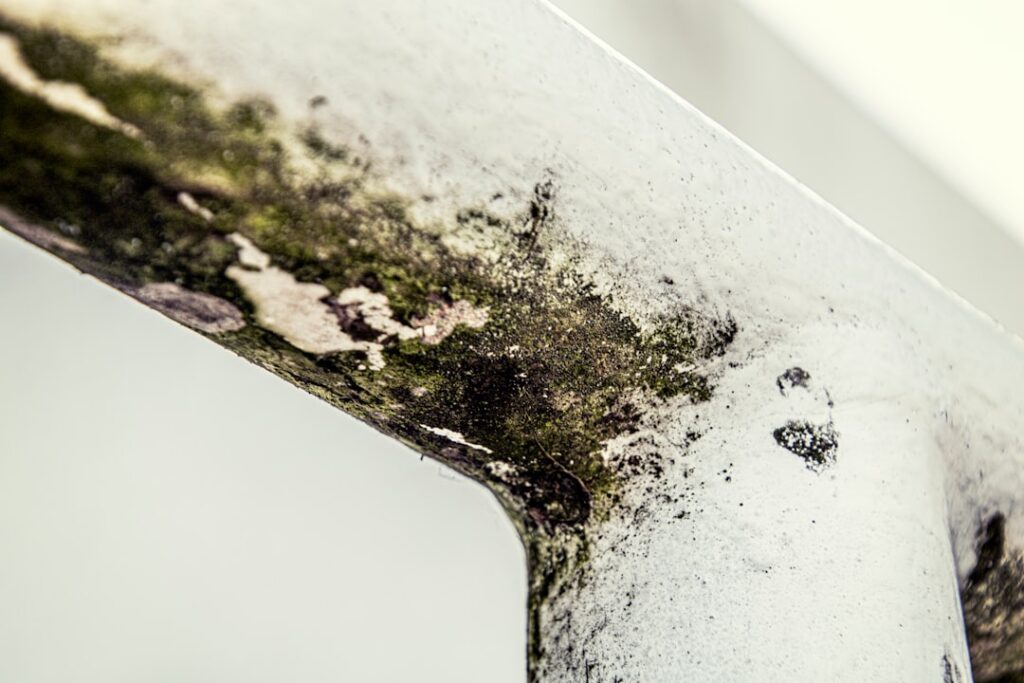
Mold removal services are professional offerings that combine inspection, containment, physical removal, structural drying, and verification into a managed project. Homeowners turn to them when a mold problem is too large, too hidden, or too hazardous to tackle alone. This guide summarizes EPA and CDC guidance current as of 2026; consult a certified professional for testing decisions and your physician for health concerns. Knowing what a legitimate service includes protects Front Range buyers and owners from both overpriced upsells and underbuilt cleanups that let mold return.
Part of our Mold Removal & Remediation guide — start there for the full picture →
Is this mold, asbestos, or water damage? Get a free instant screen
Upload a clear photo of the suspect area. You'll get an instant AI screening opinion and what to do next. This is screening guidance, not a professional determination.
Screening guidance only. AI can be wrong. Confirm asbestos, mold type, or lead with lab testing or a licensed professional before acting.
What Do Mold Removal Services Include?
A complete service starts with an assessment of the mold and its moisture source, then moves through containment, removal of affected materials, HEPA cleaning, drying, and a final verification. Reputable companies document each phase and explain their scope in writing before work begins. The EPA’s remediation framework underpins this sequence, whether the job is a single closet or an entire basement.
How Pricing Works
Most companies price by the size and complexity of the affected area, the materials involved, and whether structural drying or demolition is required. Small, contained jobs cost far less than whole-level remediation with reconstruction. Beware of flat quotes given sight unseen; a credible firm inspects first. Our breakdown of mold removal company costs for 2026 details the typical tiers.
What Drives the Price Up
Hidden mold behind walls, contamination inside HVAC systems, sewage involvement, and the need for extensive containment all raise the cost. Reconstruction after removal, such as new drywall and flooring, is often a separate line item.
Inspection and Testing First
The strongest services separate testing from removal, or recommend that you use an independent tester. When the same company that profits from removal also decides how much removal is needed, the incentive is obvious. Independent pre- and post-testing keeps the scope honest. To understand the inspection side, see our guide to finding mold in your house.
Containment and Equipment
Professional crews build polyethylene barriers, run negative-air machines with HEPA filtration, and use commercial dehumidifiers and air movers. This equipment is what separates a service from a handyman with a spray bottle. Ask to see the containment plan; a firm that cannot describe how it will keep spores out of the rest of your home is not equipped for the job.
Certifications to Look For
Look for technicians certified through recognized industry programs and companies carrying liability insurance. Colorado does not license mold remediators the way some states do, which makes third-party certification and references more important. Ask how long the firm has operated locally and request addresses of recent Front Range jobs you can verify.
Red Flags When Hiring
Be cautious of companies that diagnose by phone, refuse written scopes, pressure you with same-day decisions, or claim they can kill all mold permanently. The EPA is clear that mold cannot be eliminated entirely from indoor air; any service promising sterilization is overselling. High-pressure tactics often accompany inflated quotes.
Insurance and Documentation
Homeowner policies sometimes cover removal when mold results from a sudden, covered event like a burst pipe, but typically exclude gradual leaks and maintenance neglect. A good service documents the moisture source, photographs the work, and provides itemized invoices that support a claim. Keep this paperwork even if you pay out of pocket, since it matters at resale disclosure.
What Happens After Removal
The job is not finished until the area is dried and verified. Independent clearance testing compares indoor spore counts to outdoor baselines and confirms surfaces are clean. Only after passing should reconstruction begin. Skipping verification is how homeowners end up paying twice when mold quietly returns.
Can You Skip the Service Entirely?
For genuinely small jobs under 10 square feet, many homeowners can clean mold themselves with proper protection. Services earn their fee on larger, hidden, or hazardous contamination. Our overview of how to get rid of mold helps you judge whether your situation crosses that line.
What a Typical Service Visit Looks Like
The first visit is an assessment, where a technician inspects the affected area, identifies the moisture source, and measures the extent of growth. You then receive a written estimate. On the work day, the crew sets up containment, removes affected materials, HEPA-cleans surfaces, and starts drying equipment. They return to verify dryness before any reconstruction. For larger jobs, an independent tester performs clearance sampling. Knowing this rhythm helps you spot a firm that skips steps to cut its own costs.
Questions to Ask Before You Hire
Ask how the crew will contain the work area and what equipment they use. Ask whether they recommend independent testing and how they identify and fix the moisture source. Ask how long they have operated locally and whether the technicians are employees or subcontractors. Request the addresses of recent jobs you can verify. A confident firm answers all of this without hedging. Evasive or scripted answers are a signal to keep looking, regardless of how polished the sales presentation feels.
How Services Handle Hidden Mold
Hidden mold behind walls or under flooring is where professional services earn their keep. Technicians use moisture meters, borescopes, and sometimes thermal imaging to locate growth without tearing out every surface. This targeted approach removes only what is contaminated, saving you the cost of unnecessary demolition. A firm that proposes gutting an entire room without first investigating the extent of the problem may be overscoping. Our overview on finding the source of mold in a house explains the detective work behind this.
Warranties and Guarantees
Some services offer a workmanship warranty covering the area they treated, contingent on the moisture source being fixed. No honest company guarantees a home will never grow mold again, because spores exist in all air and new leaks can appear. Read any guarantee carefully: a warranty that the treated area passes clearance testing is meaningful, while a promise of permanent mold-free living is marketing. Tie the warranty to verifiable clearance results rather than vague assurances.
Comparing Quotes Fairly
When you collect two or three quotes, line them up by scope rather than bottom-line price. Does each include containment, drying, and independent verification, or does the cheapest quietly omit them? A lower number that skips clearance testing is not a savings. Itemized estimates let you compare apples to apples. Our breakdown of mold removal cost ranges helps you judge whether a bid is reasonable for the work described.
Emergency Versus Scheduled Services
Some situations call for an emergency response, such as a burst pipe or flooding that has soaked materials, where fast water extraction and drying limit how far mold can spread. Other jobs are non-urgent, like surface mold discovered during a renovation, and can be scheduled with time to gather multiple quotes. Knowing which you face helps you balance speed against due diligence. For genuine emergencies, prioritize stopping the water and drying quickly; for everything else, take time to vet the firm.
What Reconstruction Services Cover
Removal and reconstruction are often separate phases, and not every remediation firm handles both. After mold and affected materials are removed and the area passes clearance, reconstruction replaces drywall, insulation, flooring, and paint. Clarify up front whether a quote includes rebuilding or stops at removal, since this significantly affects the total cost. Our breakdown of mold repair and restoration cost covers what the rebuild phase typically involves and what drives its price.
Vetting Credentials and Insurance
Because Colorado does not license mold remediators the way some states do, verifying credentials falls to you. Confirm the company carries general liability and pollution insurance, and ask whether its technicians hold recognized industry certifications. Request proof rather than taking claims at face value. A firm that hesitates to show insurance or certification is a poor risk, since an uninsured crew that damages your home or spreads contamination leaves you holding the bill.
What Happens If You Skip Professional Help
For small surface mold, skipping a service and cleaning it yourself is reasonable. For larger, hidden, or hazardous contamination, going without professional help risks incomplete removal, spread of spores, and a recurring problem that costs more over time. The containment, drying, and verification a service provides are difficult to replicate with household tools. Our overview on how to get rid of mold helps you judge whether your situation truly needs a professional.
When to Call a Professional
Hire a service when the affected area exceeds roughly 10 square feet, when mold follows flooding or sewage, when you smell mold but cannot find it, or when occupants are medically vulnerable. Get at least two written quotes, confirm certifications and insurance, and insist on independent clearance testing. The right company explains its process plainly and stands behind verified results.
How Services Price Larger Jobs
For whole-basement, attic, or multi-room contamination, services price by the area treated, the volume of porous material removed, the difficulty of access, and whether structural drying and reconstruction are needed. HVAC involvement and sewage contamination raise both the safety protocol and the cost. A thorough firm walks the site, measures the affected area, and itemizes each phase rather than offering a round number. Our breakdown of house mold removal cost shows how these variables move a quote, so you can recognize a reasonable estimate.
The Value of a Detailed Scope of Work
A written scope of work is the document that protects you. It should specify the affected areas, the containment method, which materials are being removed versus cleaned, the drying approach, and how the job will be verified. A vague scope, or none at all, leaves room for disputes and corner-cutting. When comparing services, the firm with the clearest, most complete scope is often the one that will actually do the work properly, even if its number is not the lowest on the page.
Coordinating Removal With Repairs
Because mold removal frequently uncovers the need for plumbing repairs, roofing work, or new drywall, coordinating these trades saves time and prevents a half-finished fix. Some services handle reconstruction in-house; others stop at clearance and hand off to a contractor. Clarify the handoff so the moisture source is actually repaired, not just the mold removed. A removal that leaves the leak unfixed sets up the next outbreak, no matter how clean the clearance test comes back.
What to Expect From the Final Report
A professional service should leave you with documentation, not just a clean room. Expect a summary of the work performed, the materials removed, the drying achieved, and the clearance testing results. This report supports insurance claims and resale disclosure, and it gives you a baseline to monitor against. A firm that finishes the job with nothing more than a verbal assurance has not given you what you paid for. Keep the report with your home records, since a documented remediation reassures future buyers and their inspectors.
Maintaining the Result After the Service Leaves
Even a flawless professional job depends on you afterward. Keep indoor humidity in the 30 to 50 percent range, watch the treated area through the next wet season, and address any new leaks promptly. The service fixed the existing problem and its source, but ongoing moisture control is what prevents a new one. Our overview on keeping mold from growing covers the maintenance habits that protect the investment you just made.
More Questions About Mold Removal Services
How long does a professional mold removal job take?
A professional mold removal job typically takes one to five days for a single room or contained area, and one to three weeks when several rooms, an attic or HVAC ductwork are involved. The clock includes setting up containment, removing and bagging damaged materials, HEPA vacuuming, and running dehumidifiers until materials read dry. Drying is often the slowest step, because framing has to reach normal moisture levels before anything is closed up. Add a few days if clearance testing is ordered, since lab results usually return in one to three business days, and more time again for drywall and flooring reconstruction.
Can you stay in your house during mold removal?
Most households can stay home during mold removal when the work is small and properly contained behind plastic sheeting under negative air pressure. Staying elsewhere makes more sense when the affected area is large, sits next to bedrooms, involves the HVAC system, or when someone in the home has asthma, allergies, a weakened immune system, or is pregnant or very young. Ask the service which rooms will be sealed off, whether the heating and cooling system will be shut down, and how long each phase runs. Keep children and pets out of the work zone and away from the waste route entirely.
Can black mold be removed completely by a service?
Yes, black mold can be removed completely, and services handle it with the same process used for any other indoor mold. The dark color does not change the method: contain the area, remove porous materials that are colonized, clean and HEPA vacuum hard surfaces, dry the structure, and fix the water source. What matters is the size of the area and the moisture behind it, not the species. Be cautious of any company that quotes a higher price simply because growth looks black, or that uses the word “toxic” to push for an immediate decision before an assessment.
What is the difference between mold removal, remediation and abatement?
Mold removal, mold remediation and mold abatement are used almost interchangeably in marketing, but remediation is the more accurate term. Removal suggests getting rid of every spore, which is not possible because mold spores exist naturally indoors and out. Remediation means bringing the affected area back to normal background levels by removing growth, cleaning, drying and correcting the moisture cause. Abatement is borrowed from asbestos and lead work and usually means the same as remediation. When comparing quotes, ignore the label and compare the written scope: containment, materials removed, drying and verification.
How should you prepare your home before a mold removal crew arrives?
Prepare for a mold removal crew by clearing a path from the entry to the work area and moving belongings out of nearby rooms. Do not try to clean or disturb the moldy area beforehand, since scrubbing can spread spores and erase evidence an adjuster may want. Photograph the damage, note when the leak started, and set aside receipts for any emergency water cleanup. Tell the crew about pets, children, breathing conditions and where the electrical panel and water shutoff are. Ask whether the HVAC system should be turned off before they arrive, and plan where vehicles and a dumpster can park.
References
- Mold Remediation Guidance — U.S. Environmental Protection Agency
- About Mold and Health — Centers for Disease Control and Prevention
- Mold Cleanup in Your Home — U.S. Environmental Protection Agency
- Mold Inspection Standards — InterNACHI
Frequently asked questions
How do I choose a mold removal service?
Get written scopes from at least two firms, confirm industry certifications and liability insurance, and check local references. Favor companies that recommend independent testing rather than grading their own work.
Are mold removal services worth it?
For areas over about 10 square feet, hidden mold, or contamination after flooding, professional services are usually worth the cost because they include containment, drying, and verification homeowners cannot easily replicate.
Does a mold service guarantee the mold won't return?
No honest service can guarantee permanent elimination, since spores exist in all air. A good service guarantees that growth is removed, moisture is controlled, and clearance testing passes.
Do I need testing before hiring a service?
Independent testing before and after removal is the best safeguard. It defines the scope honestly and confirms the work succeeded, avoiding conflicts of interest when one company both tests and removes.
Can I remove mold myself instead of hiring a service?
Removing mold yourself is reasonable for small areas, roughly under 10 square feet, on hard surfaces where the moisture cause is obvious and already fixed. Larger areas, mold inside walls or ductwork, growth after sewage or flood water, and anyone in the home with health concerns are situations where a professional service is the safer choice.
Do mold removal services also fix the water leak?
Many mold removal services do not fix the water leak itself; plumbing, roofing and grading repairs usually go to a separate licensed trade. A good service will identify the moisture source in writing and refuse to close up walls until it is corrected. Confirm in the contract who is responsible for the leak repair and when.
Will a mold removal service clean my furniture and belongings?
Some mold removal services clean contents, while others only treat the building structure. Hard items such as metal, glass and sealed wood usually clean well. Upholstered furniture, mattresses, carpet and paper goods with visible growth are often discarded because mold penetrates porous material. Ask whether contents cleaning is quoted separately and how salvage decisions are documented for insurance.
Are mold mitigation services the same as mold removal?
Mold mitigation is often used as another name for mold removal, though some companies use mitigation to mean emergency water extraction and drying that limits mold growth before it starts. Read the scope rather than the title. A mitigation-only visit may dry the area without removing existing growth, which would leave the actual mold problem unresolved.
If you’re along the Front Range and want a vetted inspector to assess your mold before you hire a removal service, reach out through our contact page. For the full testing picture, browse our mold inspection and testing hub.
Mold removal & cleanup picks
For a small, contained patch (under ~10 sq ft) these EPA-friendly removers handle surface mold. Larger or recurring growth warrants a professional assessment first.
| Product | Why | Buy |
|---|---|---|
 RMR-86 Instant Mold Stain Remover | Fast-acting on stains; ventilate and wear PPE. | Amazon — $29.99 |
 Concrobium Mold Control | No-bleach formula that also helps prevent regrowth. | Amazon — $11.26 |
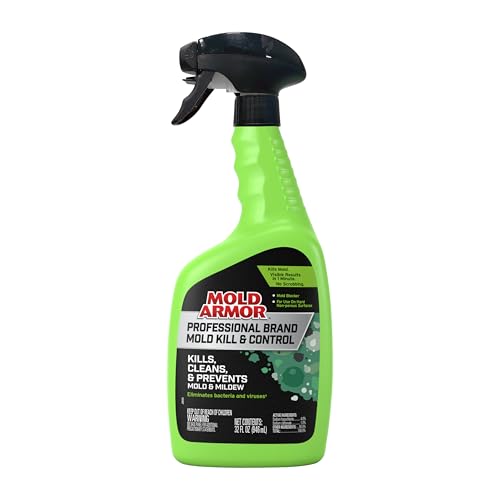 Mold Armor Mold & Mildew Remover | Widely stocked bathroom/surface remover. | Amazon — $22.98 |