Mold Removal Peoria: What Homeowners Need to Know
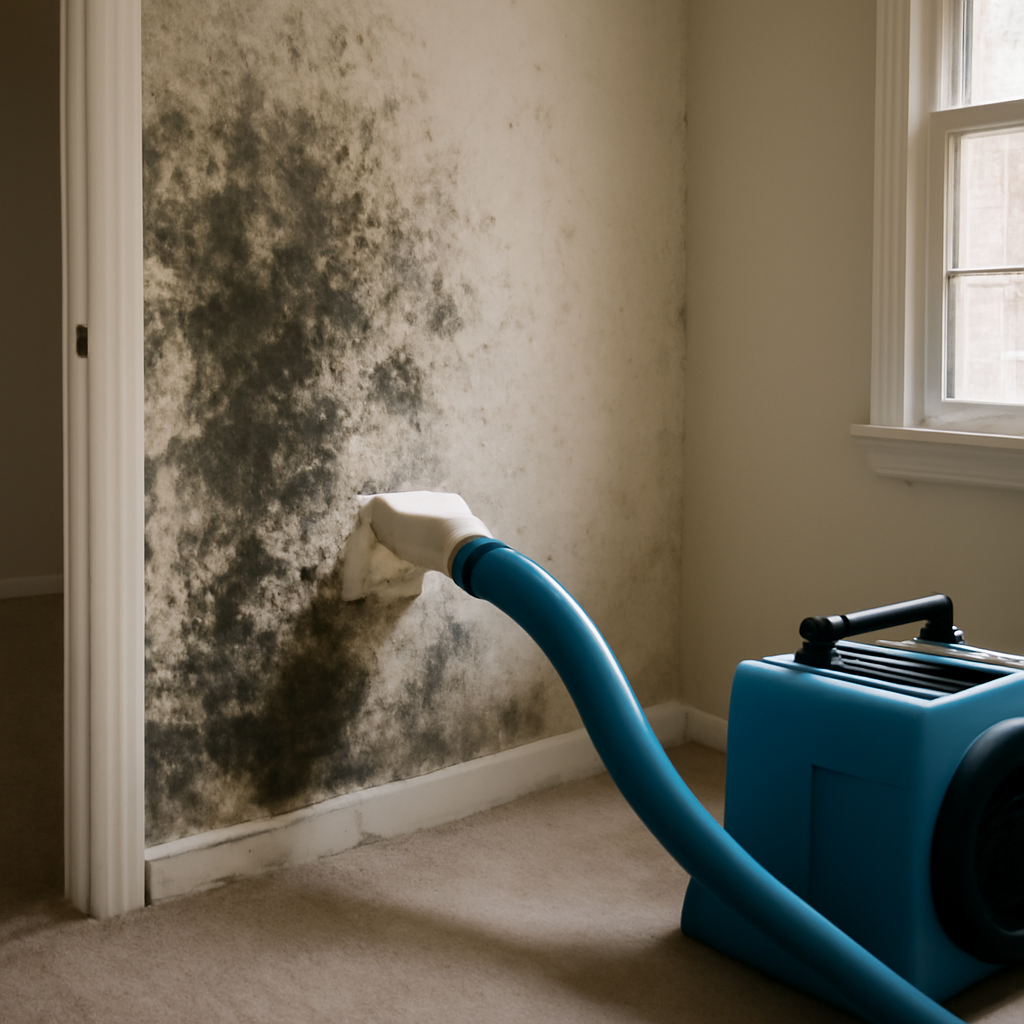
Peoria sits along the Illinois River in a part of the Midwest that swings from humid summers to freeze-thaw winters, and both extremes feed mold. River-valley humidity, older housing stock with damp basements, and seasonal flooding give Central Illinois homeowners plenty of moisture for mold to exploit. Mold removal in Peoria is a practical concern, not a rare one. This guide explains the local causes, how removal works, what it costs, and how to keep mold from returning. It summarizes EPA and CDC guidance current as of 2026 and is educational only; consult a physician about symptoms and a certified professional for testing or removal.
Part of our Mold Removal & Remediation guide — start there for the full picture →
Is this mold, asbestos, or water damage? Get a free instant screen
Upload a clear photo of the suspect area. You'll get an instant AI screening opinion and what to do next. This is screening guidance, not a professional determination.
Screening guidance only. AI can be wrong. Confirm asbestos, mold type, or lead with lab testing or a licensed professional before acting.
What Mold Removal in Peoria Involves
Mold removal, often called remediation, is the controlled cleanup of mold growth combined with fixing the moisture behind it. A Peoria crew typically finds the source first, often a basement seepage problem, a sump-pump failure, or a roof or plumbing leak. They contain the area, run HEPA-filtered negative air, remove affected porous materials, clean salvageable surfaces, and dry the space before rebuilding.
The EPA is clear that removal without a moisture fix leads to regrowth. In Central Illinois, that usually means addressing basement water and humidity, not just the visible patch. Homeowners can get oriented through our mold inspection and testing hub before calling a contractor.
Why Peoria Homes Get Mold
The Illinois River valley keeps summer humidity high, and many Peoria homes are older, with basements that were never fully waterproofed. Heavy spring rain and snowmelt raise the water table and push moisture through foundation walls and floors. A failed or undersized sump pump can leave a basement wet for days.
Winter brings its own risk: freeze-thaw cycles crack foundations and create new seepage paths, and ice dams force water under shingles. Mold can take hold on wet materials within 24 to 48 hours, so a single wet basement event can start a problem. Homeowners can identify common indoor species with our guide to household types of mold pictures.
The Removal Process Step by Step
A professional removal follows a steady sequence. The contractor inspects and maps the growth, builds containment with plastic sheeting and negative-air HEPA machines, and removes moldy drywall, paneling, carpet, and trim, bagging debris for disposal. Salvageable framing and hard surfaces are HEPA-vacuumed and damp-wiped.
Commercial dehumidifiers and air movers dry the structure, and a clearance check confirms the area is ready before rebuilding. In Peoria basements, the job often pairs with waterproofing measures, sealing cracks, improving drainage, or upgrading the sump system, so the underlying water problem is genuinely solved.
What Mold Removal Costs in Peoria
Cost depends on the affected area, the materials removed, and the demolition and drying needed. Small contained jobs cost less; whole-basement contamination, especially with waterproofing work, costs more. Central Illinois pricing tends to be moderate compared with coastal markets, though after a regional flood event demand can spike.
Each quote should itemize containment, removal, disposal, drying, any waterproofing, and whether the rebuild is included. Our national breakdown of the cost to remediate mold offers a baseline to compare local bids against.
Health Considerations
The CDC notes that mold can cause allergic reactions and irritate the airways, with greater risk for people who have asthma, allergies, or weakened immune systems. Basement mold can affect upstairs air through the stack effect, so a problem below ground can still reach living spaces.
If household members have persistent congestion, coughing, or worsening asthma that eases away from home, that warrants a physician’s evaluation. Removal addresses the building; symptoms are a medical matter.
DIY Versus Professional Removal
The EPA’s roughly 10-square-foot threshold applies in Peoria. A small patch on a hard surface can be cleaned with detergent and water, protective gear, and ventilation. But the region’s basement moisture often means the visible mold is just part of a larger hidden issue, and damp finished basements hide growth behind paneling and carpet.
For large areas, recurring growth, post-flood contamination, or HVAC involvement, professional removal with containment is the safer route. Disturbing a large basement colony without containment spreads spores upstairs.
Preventing Mold From Returning
Prevention in Central Illinois centers on basement moisture. Keep indoor humidity between 30 and 50 percent, run a dehumidifier in the basement, and maintain a reliable sump pump with a battery backup. Grade soil away from the foundation, extend downspouts, and seal foundation cracks promptly.
Insulate cold pipes to limit condensation, run exhaust fans, and dry any water intrusion within 24 to 48 hours. After Peoria’s spring rains and snowmelt, fast drying of any wet basement is the most reliable habit for preventing regrowth.
The Basement Problem in Central Illinois
Basements are the heart of Peoria’s mold story. Older homes in the area often have stone or block foundations that were never fully waterproofed, and the Illinois River valley keeps groundwater high. Spring rain and snowmelt raise the water table and push moisture through walls and floor slabs. A finished basement compounds the issue, because mold grows behind paneling, under carpet, and inside stud cavities where it stays hidden until odor or visible staining appears.
Effective removal in these homes pairs with waterproofing: sealing cracks, improving exterior drainage and grading, adding or upgrading a sump pump, and sometimes installing an interior drain system. Without addressing the water, removal is temporary. This is why Peoria basement jobs frequently combine mold work with foundation and drainage repairs rather than treating them as separate projects.
Common Mold Hotspots in Peoria Homes
Predictable spots recur across the area. Basement walls and floors near grade, around the base of foundation cracks, and behind finished-basement walls top the list. Sump-pump pits that overflow or fail leave standing water that feeds growth. Crawl spaces without vapor barriers stay damp from ground moisture. Around window wells that collect rain and snow, water seeps into the basement and feeds mold on adjacent walls.
Bathrooms without exhaust fans and attics with roof leaks or poor venting round out the list. Because so much of the risk sits below grade, a seasonal check of the basement, especially after heavy rain or rapid snowmelt, catches problems while they are still small.
Freeze-Thaw and Seasonal Risk
Central Illinois winters add a distinct mold driver. Repeated freezing and thawing expands and contracts foundation materials, opening new cracks and widening old ones, which creates fresh paths for spring water to enter. Ice dams form when attic heat melts roof snow that refreezes at the eaves, forcing meltwater under shingles and into walls and ceilings.
The result is a seasonal cycle: winter damage sets up spring intrusion, and summer humidity sustains any growth that started. Homeowners who seal foundation cracks before spring, keep gutters clear to limit ice dams, and dry any winter or spring water intrusion quickly break the cycle. Aligning prevention with the seasons is more effective than chasing mold after it appears.
Vetting a Peoria Contractor
Central Illinois has a mix of remediation and waterproofing companies, and the best results often come from coordinating both. Confirm licensing and insurance, ask for a written scope covering containment, the moisture or waterproofing repair, and disposal, and be wary of promises of a permanently mold-free home or pressure to sign on the spot. A company that tests and then recommends only its own removal carries a conflict.
Multiple itemized quotes and an independent inspection clarify what the home actually needs. Because Peoria mold so often traces to basement water, an honest assessment of the foundation and drainage is central to a lasting fix.
When to Call a Professional
Bring in a removal contractor for large areas, recurring growth, post-flood contamination, mold inside walls or HVAC systems, or when occupants are medically vulnerable. An independent inspection before hiring confirms the scope and helps avoid paying for unneeded work. Given how often Peoria mold ties back to basement water, pairing removal with waterproofing is usually the smart play.
Managing Basement Humidity Year-Round
For Peoria homeowners, basement humidity control is a year-round commitment rather than a seasonal fix. The EPA recommends keeping indoor relative humidity between 30 and 50 percent, and basements drift above that range easily because cool below-grade walls invite condensation and the river-valley climate keeps summer air damp. A capable dehumidifier running through the humid months is often the single most effective tool, especially in finished basements where moisture hides behind walls.
Placing a hygrometer in the basement lets a homeowner monitor the number directly and respond before condensation feeds growth. Insulating cold water pipes reduces the dripping that adds moisture, and keeping the space decluttered improves airflow. Because so much Peoria mold develops below grade and out of sight, watching basement humidity turns an invisible risk into a measurable one a homeowner can act on early.
What to Do the Moment You Spot Mold
Finding mold in a Peoria home calls for an ordered response. First, trace the moisture, foundation seepage, a sump-pump issue, a roof or plumbing leak, since stopping the water halts the spread. Second, gauge the size: a small hard-surface patch under roughly 10 square feet may be a DIY clean with detergent, water, and protective gear, while larger or hidden growth points to a professional.
Avoid the common mistakes of painting over it, dry-scraping it, or ignoring it through the wet season. If the mold sits behind finished-basement walls, follows flooding, involves the HVAC system, recurs, or affects anyone with respiratory sensitivity, get an independent assessment before hiring a removal contractor. Because Peoria mold so often ties back to basement water, addressing the foundation and drainage early is what keeps a small problem from spreading.
Staying Ahead of Basement Mold
Mold management in Peoria centers on the basement and the seasons that fill it with water. The spring rains, snowmelt, and freeze-thaw cracking arrive on a predictable schedule, so homeowners who prepare fare far better than those who react. Maintaining a reliable sump pump with a battery backup, sealing foundation cracks before spring, running a basement dehumidifier through the humid months, and drying any intrusion quickly head off most major removal jobs.
Because so much of the region’s mold develops below grade and behind finished walls where it stays hidden, the most useful habit is regular inspection. A seasonal check of the basement and crawl space, especially after heavy rain or rapid snowmelt, catches growth while it is small. When mold does appear, the response stays consistent: find the moisture, size the problem, and clean a small hard-surface patch yourself or hire a vetted professional for larger, hidden, or flood-related contamination, ideally pairing removal with the waterproofing that addresses Peoria’s root cause.
References
- Mold Cleanup in Your Home — U.S. Environmental Protection Agency
- About Mold and Health — Centers for Disease Control and Prevention
- A Brief Guide to Mold, Moisture and Your Home — U.S. Environmental Protection Agency
Frequently asked questions
Why do Peoria homes develop mold?
River-valley humidity, older homes with under-waterproofed basements, heavy spring rain, snowmelt, and freeze-thaw foundation cracking all push moisture into basements. Mold can colonize wet materials within 24 to 48 hours, so a single wet-basement event can start a problem.
How much does mold removal cost in Peoria?
Cost depends on the affected area, materials, and demolition. Small contained jobs cost less; whole-basement removal with waterproofing costs more. Central Illinois pricing is moderate, but regional flooding can raise demand. Get itemized quotes.
Should mold removal include waterproofing?
Often, yes. In Peoria the moisture usually comes from basement water, so removal frequently pairs with sealing cracks, improving drainage, or upgrading the sump pump. Without fixing the water, mold returns regardless of cleaning.
Can basement mold affect the rest of my house?
Yes. Air rises through a home via the stack effect, so spores and moisture from a basement can reach living areas. Hidden basement growth still warrants prompt removal and moisture control.
Our inspector network centers on the Colorado Front Range, but homeowners are welcome to reach out through our contact page for help understanding the problem and vetting a qualified local professional.
Mold removal & cleanup picks
For a small, contained patch (under ~10 sq ft) these EPA-friendly removers handle surface mold. Larger or recurring growth warrants a professional assessment first.
| Product | Why | Buy |
|---|---|---|
 RMR-86 Instant Mold Stain Remover RMR-86 Instant Mold Stain Remover | Fast-acting on stains; ventilate and wear PPE. | Amazon — $29.99 |
 Concrobium Mold Control Concrobium Mold Control | No-bleach formula that also helps prevent regrowth. | Amazon — $34.27 |
 Mold Armor Mold & Mildew Remover Mold Armor Mold & Mildew Remover | Widely stocked bathroom/surface remover. | Amazon — $22.98 |