Mold Removal Springville: What Homeowners Need to Know
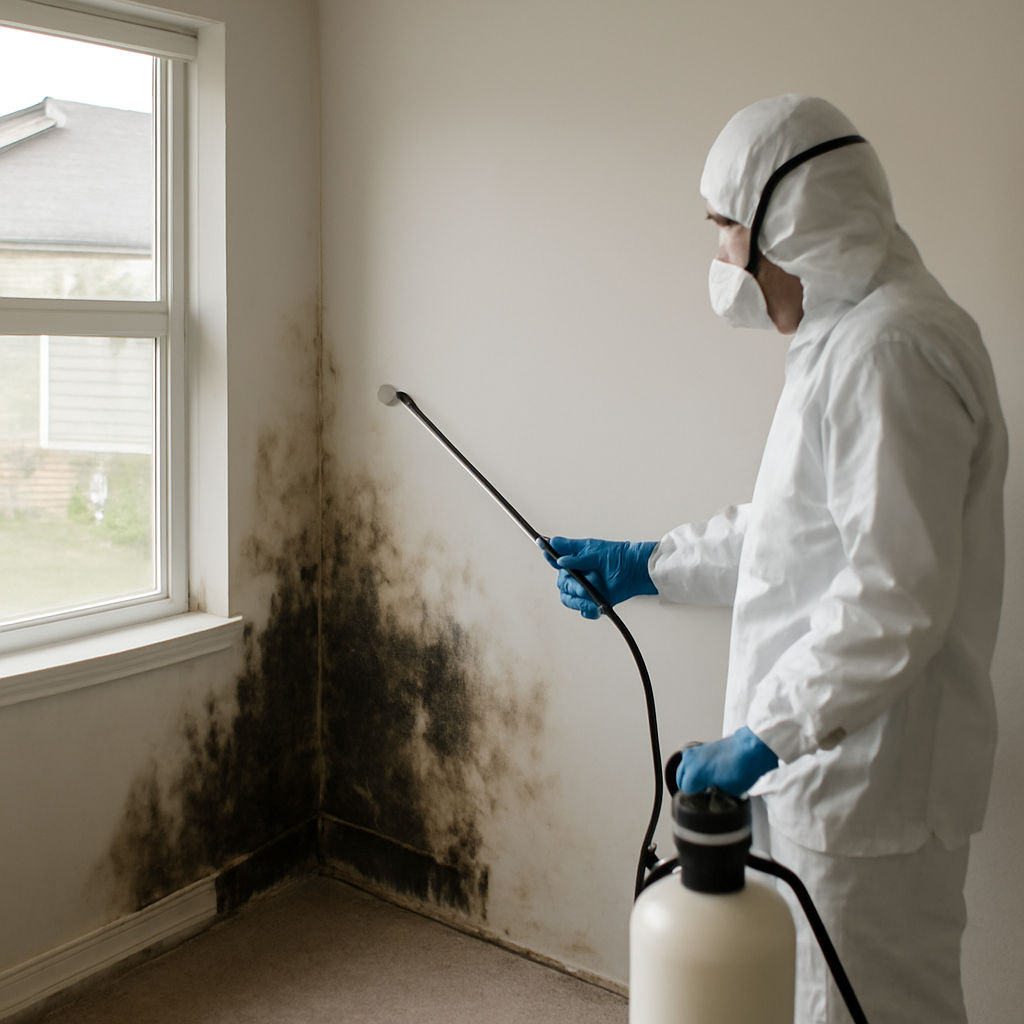
When homeowners search for mold removal Springville, they want a practical answer: how does the mold actually leave the house, and how do you keep it from coming back. Springville, in Utah County south of Provo, sits in a semi-arid high-desert climate with hot, dry summers and cold, snowy winters. As in much of the Mountain West, the moisture that grows mold there rarely comes from humidity — it comes from basement seepage, evaporative coolers, snowmelt, and plumbing leaks. That moisture, far more than the mold itself, is the real target. This guide summarizes EPA, CDC, and NIH guidance current as of 2026 and is informational only; consult your physician about symptoms and a certified professional about removal decisions.
Part of our Mold Removal & Remediation guide — start there for the full picture →
Is this mold, asbestos, or water damage? Get a free instant screen
Upload a clear photo of the suspect area. You'll get an instant AI screening opinion and what to do next. This is screening guidance, not a professional determination.
Screening guidance only. AI can be wrong. Confirm asbestos, mold type, or lead with lab testing or a licensed professional before acting.
How mold removal works in Springville homes
Mold removal is the physical elimination of visible growth combined with correcting the moisture that allowed it. The EPA frames the goal simply: clean up the mold and fix the water problem. Removing growth while leaving a leak, basement seepage, or a dripping swamp cooler in place means the colony returns within weeks.
On a hard, non-porous surface — tile, glass, sealed wood, metal — mold can usually be scrubbed away and the surface dried. On porous materials like drywall, carpet, ceiling tile, and insulation, the growth penetrates beyond the surface, so removal generally means cutting out and discarding the affected material. This distinction drives most of the cost and effort in any removal job.
A complete approach treats the home as a system, asking where water enters and lingers before deciding what to clean and what to replace. That same diagnostic logic anchors the mold inspection and testing hub, which pairs removal with finding the underlying cause.
Why moisture is the real problem in a dry climate
Springville’s outdoor air is dry for most of the year, so mold’s moisture almost always comes from inside the building or from seasonal water. Finished basements are a leading setting: below-grade walls can wick groundwater, and spring snowmelt off the nearby Wasatch slopes or a summer thunderstorm can push water through foundation cracks and window wells into carpeted, drywalled lower levels.
Evaporative “swamp” coolers add a distinctly Intermountain driver. These systems cool by adding moisture to the air, and a unit that overflows, drips, or runs in a closed-up house can dampen ceilings and ductwork. Plumbing leaks, ice-dam meltwater, and condensation on cold-water lines round out the list. The CDC is direct that without moisture, mold cannot grow indoors, so removing the visible patch addresses the symptom while fixing the water addresses the cause.
Local factors worth checking include basement walls and window wells, swamp-cooler pans and ducts, water-heater pans, and grading that slopes water toward the foundation. Each is a frequent moisture source in Springville homes.
Safe DIY mold removal and its limits
The EPA suggests homeowners can often handle mold covering less than roughly ten square feet, provided they fix the moisture first and protect themselves. Basic precautions include an N95 respirator, gloves, eye protection, and good ventilation. Hard surfaces can be cleaned with detergent and water and dried completely; bleach is not required, and the EPA notes it is not necessary to kill mold to remove it.
DIY stops being appropriate when the area is large, when the mold follows sewage or floodwater, when it has entered the HVAC system, or when it sits in a chronically wet basement requiring containment. Anyone with asthma, allergies, or a compromised immune system should avoid disturbing mold, since cleaning aerosolizes spores. For comparison and a sense of what professional cleaning involves, the overview at best way to kill black mold covers cleaning methods and their limits.
What about black mold specifically?
The dark mold people fear is often Stachybotrys chartarum, which grows on chronically wet, cellulose-rich materials like soaked drywall — exactly what a leaking basement can produce. The CDC’s position is that all indoor mold should be removed and the moisture corrected regardless of color or type; you do not need lab confirmation of the species to justify cleanup of a damp, growing patch.
How much mold removal costs
Removal cost tracks the size of the job and the materials involved. A small, contained area handled professionally may run a few hundred dollars. Multiple rooms or significant drywall removal push into the low-to-mid four figures. Basement cleanups with waterproofing and structural drying cost more, since they involve sealing, dehumidification, and sometimes drainage work.
Get itemized estimates and confirm each includes the moisture fix, not just the cleaning. Be cautious with any company that quotes removal alone at a flat low price while skipping the water source — that is the most common way mold returns. Comparing several written scopes protects you from both overpaying and underscoping.
The professional removal process step by step
A professional removal in Springville generally proceeds through containment, removal, cleaning, drying, and verification. Plastic sheeting and HEPA-filtered negative air machines keep spores from spreading during the work. Affected porous materials are bagged and removed; hard surfaces are HEPA-vacuumed and wiped.
The area is then dried with dehumidifiers and air movers until material moisture readings normalize. The dry Utah air can speed this phase once the source is closed off. A final verification — ideally an independent post-removal assessment — confirms the space is dry and spore levels match the rest of the home before any rebuilding. Skipping verification is how hidden moisture restarts the problem behind fresh drywall.
Health and safety during removal
Any disturbance of mold lofts spores into the air, so protection is not optional even for a small job. An N95 respirator, gloves, and eye protection are the baseline the EPA recommends for homeowner-scale cleanup. The CDC and American Lung Association note that exposure can trigger nasal congestion, coughing, throat irritation, and asthma flare-ups, with infants, older adults, and those with respiratory conditions more vulnerable.
Some people should not perform removal at all. Individuals with asthma, allergies, or weakened immune systems should let trained workers handle mold, since the spores released during cleaning can provoke serious reactions. Do not run the HVAC system if it may spread spores, and symptoms that linger after cleanup deserve a doctor’s evaluation rather than repeated DIY attempts.
Early warning signs worth catching
Catching mold early keeps a Springville removal job small and inexpensive. A musty smell in a closet, bathroom, or basement often precedes any visible growth. Water stains spreading on a ceiling, peeling paint at a baseboard, cupping or springy flooring, and condensation on windows are all early flags. A sudden, unexplained rise in the water bill can point to a hidden leak feeding mold out of sight.
Allergic symptoms that ease away from home and return on coming back are another clue worth noting. The EPA’s emphasis on prompt moisture control rewards homeowners who act quickly, because a problem caught at one square foot is a homeowner-scale cleanup, while the same problem ignored through spring snowmelt or a swamp-cooler overflow can spread across a wall cavity or an entire lower level and shift the job from cleaning to costly material removal.
How long removal takes day to day
A small, contained removal — a single bathroom wall or a closet — often takes a day for the cleanup and removal, followed by a day or two of drying before any rebuilding. Multi-room jobs stretch to several days as containment is set up, materials are bagged out, and the structure is dried to verified moisture levels. Basement cleanups with waterproofing or drainage work run longer.
During the work, expect the affected area sealed behind plastic with a HEPA-filtered machine holding it under negative pressure, which keeps spores from drifting into clean rooms. There may be noise from air movers and a faint odor as materials are disturbed. The job is finished not when the wall looks clean but when moisture readings confirm the structure is dry and a verification check shows indoor spore levels back in line with the rest of the home.
Removal versus remediation: what the words mean
Homeowners use “mold removal” and “mold remediation” interchangeably, and most contractors do too, but the distinction is worth understanding. Removal emphasizes taking the visible growth out — scrubbing surfaces and discarding affected materials. Remediation is the broader project that surrounds removal: assessing the moisture source, containing the area, removing growth, drying to verified levels, and confirming the result.
In practice a complete removal job is remediation by another name, because removal that ignores containment, drying, and the water source does not last. The label matters less than the scope. When evaluating quotes, read what the company will actually do rather than which word appears on the invoice. A “removal” that includes finding the source and verifying dryness is sound; a “remediation” that is really just a surface spray is not.
What to do immediately after a leak
Speed determines whether a water event becomes a mold problem. The EPA notes that mold can begin growing on damp materials within roughly 24 to 48 hours, so the window to act is short. Stop the water source, remove standing water, and start drying with fans and a dehumidifier as quickly as possible.
Pull up soaked carpet and padding, open wall cavities that stayed wet, and discard porous materials that cannot be dried promptly. A Springville homeowner who dries the structure fast often avoids removal entirely, while one who lets damp drywall sit usually ends up cutting it out later. The cheapest mold removal is the drying that prevents the colony from establishing in the first place.
Choosing who does the work
Look for a contractor with mold-specific training, liability insurance, and a written scope naming the moisture source, the containment method, the materials to be removed, and the verification step. Ask whether they follow recognized remediation standards. A red flag is any company unwilling to identify or address the water source. Utah, like many states, does not license mold contractors specifically, so credentials and references carry extra weight.
Separating the diagnosis from the cleanup adds protection. An independent assessor scopes the problem without a financial stake in a bigger job, and a third party can verify the result. Homeowners vetting credentials will find the checklist in certified mold remediation contractor guidance helpful before signing anything.
Preventing mold from coming back
In Springville’s climate, prevention centers on water control rather than humidity. Grade soil away from the foundation, install or maintain window-well covers, keep a working sump pump where needed, and clear gutters before spring snowmelt and summer storms. Maintain the swamp cooler, fix any overflow promptly, and avoid over-running it in a closed-up house.
Effective mold removal Springville homeowners can count on is removal plus moisture correction plus verification. The visible patch coming off the wall is only the middle of the job; the durable result comes from drying the home out and keeping the basement and cooler from re-wetting it.
A homeowner checklist before hiring
Before committing to a Springville removal job, a short checklist keeps it honest. Confirm the contractor has named the moisture source — basement seepage, a swamp-cooler overflow, or a leak — and a plan to fix it, not just the visible mold. Because Utah does not license mold contractors specifically, verify mold-specific training, references, and proof of liability insurance carefully.
Require a written scope itemizing containment, removal, drying, and verification, and ask how dryness will be documented and who pays if a verification check fails. Keeping an independent assessor separate from the removal crew removes the incentive to inflate the job. A contractor who answers these questions in writing is showing you the real work; one who resists is a reason to keep looking.
References
- Mold Cleanup in Your Home — U.S. Environmental Protection Agency
- About Mold and Your Health — Centers for Disease Control and Prevention
- Mold and Indoor Air Quality — National Institute of Environmental Health Sciences
- Mold and Dampness — American Lung Association
Frequently asked questions
Does Springville's dry climate prevent mold?
No. Mold there usually comes from indoor sources like basement seepage, swamp-cooler overflow, and plumbing leaks, plus seasonal snowmelt. The dry outdoor air can hide the moisture until growth is established behind a finished basement wall.
Do I need bleach to remove mold?
No. The EPA notes that killing mold is not required to remove it, and bleach is not necessary. Cleaning hard surfaces with detergent and water and then drying them thoroughly is effective; porous materials usually need to be discarded.
Why does mold keep coming back after removal?
Almost always because the moisture source was not fixed. Mold needs water, so removing the visible patch without correcting basement seepage, a swamp-cooler overflow, or a leak simply restarts the cycle.
How much does professional mold removal cost?
Small contained jobs may run a few hundred dollars, multi-room work often reaches the low-to-mid four figures, and basement cleanups with waterproofing cost more. Get itemized estimates that include the moisture fix.
If you are dealing with a mold problem in Utah Valley or the Colorado Front Range, contact us to connect with a vetted inspector who will identify the moisture source before any removal work begins.
Mold removal & cleanup picks
For a small, contained patch (under ~10 sq ft) these EPA-friendly removers handle surface mold. Larger or recurring growth warrants a professional assessment first.
| Product | Why | Buy |
|---|---|---|
 RMR-86 Instant Mold Stain Remover | Fast-acting on stains; ventilate and wear PPE. | Amazon — $29.99 |
 Concrobium Mold Control | No-bleach formula that also helps prevent regrowth. | Amazon — $11.26 |
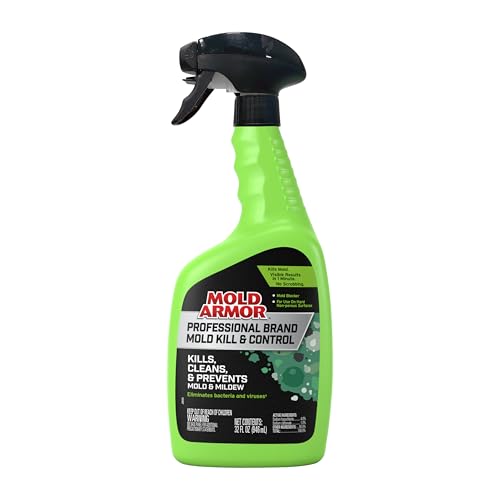 Mold Armor Mold & Mildew Remover | Widely stocked bathroom/surface remover. | Amazon — $22.98 |