Asbestos Removal Company: What Homeowners Need to Know
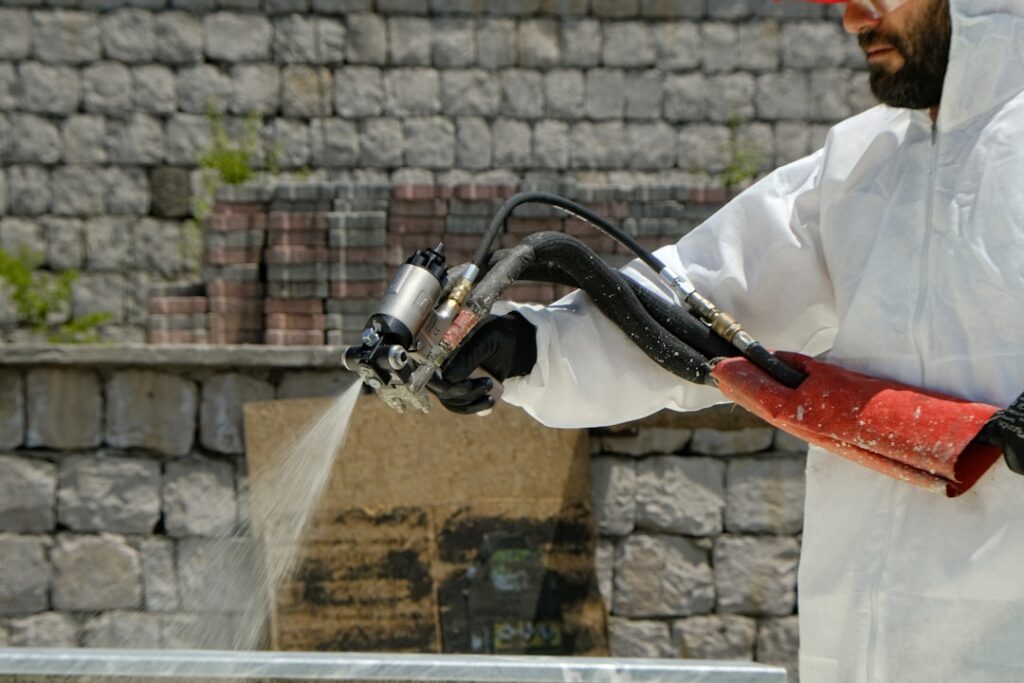
An asbestos removal company is a licensed abatement contractor whose business is the safe, regulated removal and disposal of asbestos-containing materials. This is a different trade from the lab that tests your samples and a different job from a general remodeler. Choosing the wrong contractor is not just a quality risk; it can be a legal and health risk, because improper removal releases the very fibers the work is meant to contain. This guide explains how to vet a removal company, what licensing to demand, and how to read a bid. It summarizes EPA and OSHA guidance current as of 2026; consult a certified professional for project decisions and your physician for health concerns.
Part of our Asbestos in the Home guide — start there for the full picture →
Is this mold, asbestos, or water damage? Get a free instant screen
Upload a clear photo of the suspect area. You'll get an instant AI screening opinion and what to do next. This is screening guidance, not a professional determination.
Screening guidance only. AI can be wrong. Confirm asbestos, mold type, or lead with lab testing or a licensed professional before acting.
What an Asbestos Removal Company Is
A removal company specializes in abatement: the controlled removal, encapsulation, or enclosure of asbestos materials under regulatory oversight. The crews are trained and certified specifically for asbestos work, the company carries specialized insurance, and the firm holds the state and local licenses that legally permit it to disturb asbestos above regulated quantities.
This distinguishes a removal company from two other players homeowners often conflate with it. A testing company identifies and quantifies the hazard but does not remove it. A general contractor or remodeler may be skilled at construction but is usually neither licensed nor equipped to handle asbestos legally. When abatement is needed, the removal company is the correct specialist, and using anyone else can expose a homeowner to liability and a botched, fiber-spreading job.
Licensing and Certification to Require
Licensing is the non-negotiable first filter, and it is more specific than for most trades. Asbestos abatement is regulated at the federal, state, and often local level, and the requirements vary. In Colorado, the state health department licenses asbestos contractors and certifies individual workers, and most jurisdictions require permits and regulator notification before abatement begins.
What to Verify Before Hiring
Ask for and verify the company’s asbestos abatement license number directly with the regulating authority rather than trusting a logo. Confirm that the individual workers, not only the owner, hold current certification. Check that the company carries both general liability and asbestos-specific pollution coverage, since a standard contractor policy often excludes asbestos. Finally, confirm the company will file the required regulatory notifications and pull permits as part of the job. A contractor who is vague about licensing or eager to skip notification is a contractor to avoid. These verification steps mirror the broader discipline covered in our guide to hiring an asbestos abatement contractor.
How to Compare Bids and Spot Red Flags
Asbestos abatement bids vary widely, and the cheapest is rarely the safest. A trustworthy bid is detailed: it specifies the materials to be removed, the containment method, the disposal plan, air monitoring where applicable, and the cleanup and clearance steps. A vague lump-sum quote with no scope is a warning, not a bargain.
Several red flags should stop a homeowner cold. A company that does not require a lab result before quoting is guessing. A bid far below every other quote often means corners will be cut on containment or disposal. Pressure to decide immediately, reluctance to provide the license number, and no mention of regulator notification all signal trouble. Get at least three written bids, compare scope rather than price alone, and favor the contractor who explains their containment and disposal plan in plain language. Before any of this, the material should already be confirmed by an asbestos testing company, because no responsible removal firm quotes a job blind.
What the Removal Process Looks Like
A homeowner who understands the process can judge whether a company is doing it right. Proper abatement is methodical. The crew sets up a sealed containment area with plastic sheeting and negative air pressure to keep fibers from escaping. Workers wear respirators and protective suits. Materials are wetted to suppress dust and removed carefully rather than broken apart.
Removed asbestos is sealed in labeled, leak-tight bags and transported to a landfill licensed to accept it, with documentation tracking the waste. After removal, the area is cleaned thoroughly and, on larger jobs, air monitoring confirms the space is safe to reoccupy. The full step-by-step scope is covered in our overview of the asbestos removal service process. A company that follows these steps earns its premium; one that skips them is dangerous regardless of price.
When Removal Is and Is Not the Answer
A reputable removal company will sometimes tell a homeowner that removal is not necessary, and that honesty is a good sign. Intact, undamaged asbestos materials are frequently safer left in place, encapsulated, or enclosed than torn out, because removal is the moment of greatest fiber release. A contractor who recommends abatement for every stable material may be selling work the home does not need.
Removal is the right answer when materials are damaged, friable, or in the path of renovation or structural repair. A trustworthy company evaluates the condition and scope, presents removal alongside encapsulation or enclosure where appropriate, and lets the homeowner decide with full information. That consultative approach, grounded in the wider context of managing asbestos and lead in pre-1978 housing, is the mark of a company worth hiring. The right contractor protects your health, your home, and your legal standing all at once.
Encapsulation and Enclosure as Company Services
The best removal companies offer more than removal, and a homeowner should ask what alternatives a contractor provides. Encapsulation and enclosure are legitimate abatement methods that a qualified company can perform, and for stable materials they are frequently safer and cheaper than tearing the asbestos out. A company that only ever recommends full removal may be leaving better options on the table.
Encapsulation involves coating the asbestos material with a sealant that binds the fibers in place, suitable for intact materials that are not in the path of disturbance. Enclosure builds an airtight barrier around the material, sealing it off from the living space. Both methods leave the asbestos where it is but neutralize the exposure risk, and both cost less than removal because they avoid the demolition, containment, and disposal of full abatement. A company experienced in all three approaches can match the method to the material rather than defaulting to the most expensive option.
The trade-off with encapsulation and enclosure is that the asbestos remains in the home and must be disclosed, documented, and managed over time. A future renovation may still require removal. A good company explains these long-term implications so the homeowner chooses with open eyes. When a contractor walks through removal, encapsulation, and enclosure and helps weigh the cost and longevity of each, that is a strong sign of a firm focused on the homeowner’s interest rather than the largest invoice.
Questions to Ask Before Signing a Contract
A short list of pointed questions separates a professional removal company from a risky one, and asking them costs nothing. Start with documentation: request the abatement license number, proof of asbestos-specific insurance, and references from similar recent jobs. A reputable company answers without hesitation.
Move on to the work itself. Ask how the company will contain the work area, whether it uses negative air pressure with HEPA filtration, and how the waste will be transported and disposed of. Confirm that the firm will file regulatory notifications and pull any required permits, and ask whether independent clearance air monitoring is included on the job. A company that explains containment and disposal in clear, confident terms understands the regulated nature of the work; one that waves the questions away does not.
Finally, clarify the scope and the contract in writing. The agreement should specify exactly which materials are being addressed, by which method, and what the deliverables are at the end, including disposal manifests and any clearance results. A detailed written scope protects both parties and gives the homeowner a document to hold the contractor to. Vague verbal promises are the enemy of a safe, accountable abatement, and the discipline of asking these questions weeds out the operators a homeowner should never hire.
Why the Cheapest Bid Is Rarely the Best
Asbestos abatement bids can vary widely, and the instinct to take the lowest number is understandable but often costly. The price of doing the work correctly is largely fixed by the requirements: licensing, trained crews, containment equipment, and licensed disposal all carry real cost. A bid far below the others usually means one or more of these is being shortchanged.
The corners a low bidder cuts are exactly the ones that endanger a household. Skipping proper containment lets fibers escape into living areas. Skimping on disposal can mean illegal dumping that exposes the homeowner to liability. Omitting the diagnostic confirmation or the clearance test leaves the result unverified. The savings on the invoice can be dwarfed by the cost of a contaminated home, an emergency cleanup, or a regulatory penalty, none of which a homeowner anticipates when accepting the cheapest quote.
A sensible homeowner treats price as one factor among several and weights it below safety and accountability. The right approach is to gather several bids, set aside any outlier that is dramatically cheaper, and compare the remaining contractors on scope, licensing, and the clarity of their plan. The goal is not to overpay but to pay a fair market rate for work done lawfully and safely. In asbestos abatement, where the downside of a botched job is a health hazard rather than a cosmetic flaw, the value of doing it right far outweighs the appeal of doing it cheap. That principle, applied consistently, points a homeowner toward the contractor worth hiring.
It also helps to understand why prices differ legitimately between honest bidders. A larger quantity of material, friable rather than intact asbestos, difficult access, multiple stories, and a long haul to a licensed landfill all raise the cost of a properly executed job. So do extensive containment requirements and the need for independent clearance testing. When a homeowner sees a higher quote from a reputable contractor, it often reflects these real factors rather than a markup. The way to tell the difference is to compare the scope each contractor describes. A higher bid that explains the additional containment, sealing, or disposal it covers is usually pricing the job accurately, while a lower bid that omits those elements is pricing a job that may not protect the household.
Front Range homeowners who want a connection to a vetted, licensed abatement professional can reach out through our contact page for a referral.
References
- Asbestos Laws and Regulations — U.S. Environmental Protection Agency
- Asbestos Abatement Standards — Occupational Safety and Health Administration
- Colorado Asbestos Contractor Licensing — Colorado Department of Public Health and Environment
- Asbestos Worker Health — Centers for Disease Control and Prevention
Frequently asked questions
What is the difference between an asbestos removal company and a testing company?
A testing company collects samples and confirms whether asbestos is present and at what level. A removal company is a licensed abatement contractor that safely removes, encapsulates, or disposes of the material. They are separate trades.
What licensing should an asbestos removal company have?
It should hold a state asbestos abatement license, employ certified workers, and carry asbestos-specific pollution insurance alongside general liability. Verify the license directly with the regulator and confirm the company files required notifications and permits.
How do I compare asbestos removal bids?
Get at least three written bids and compare scope, not just price. A good bid details the materials, containment method, disposal plan, and clearance steps. Treat a vague lump sum or a price far below the rest as a warning sign.
Will a removal company ever say removal is unnecessary?
Yes, and that honesty is a good sign. Intact, undamaged asbestos is often safer encapsulated or left in place than removed. A reputable company recommends removal only when the material is damaged or in the path of work.
Asbestos test kits
Asbestos can only be confirmed by a lab. A mail-in kit gets you a sealed sample container and accredited analysis — never sand or disturb suspect material first.
| Product | Why | Buy |
|---|---|---|
 Asbestos Test Kit (mail-in lab) Asbestos Test Kit (mail-in lab) | Includes PPE + sealed mailer. | Amazon — $34.99 |
| Pro-Lab Asbestos Test Kit | Widely available; lab fee separate. | Amazon — $34.99 |