Bathroom Mold Removal Service: What to Expect in 2026
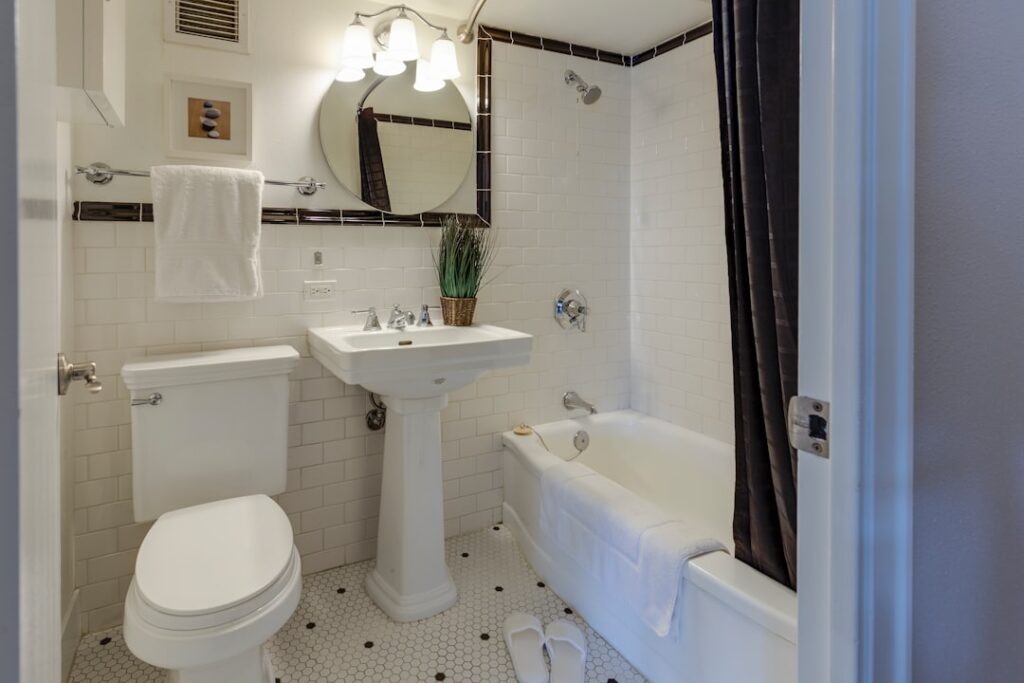
Bathrooms are the most common single room for mold complaints in residential homes. Warm air, steady humidity, porous grout, and frequent moisture cycles create ideal growth conditions, and the fixtures themselves hide many of the early warning signs from casual view. A professional bathroom mold removal service exists to handle the situations that have grown past simple weekend cleanup — usually because the colony has moved off the visible tile and into substrate, framing, or wall cavities. This guide summarizes EPA and CDC guidance current as of 2026 — consult a certified mold inspector for testing decisions and your physician for symptom evaluation.
Is this mold, asbestos, or water damage? Get a free instant screen
Upload a clear photo of the suspect area. You'll get an instant AI screening opinion and what to do next. This is screening guidance, not a professional determination.
Screening guidance only. AI can be wrong. Confirm asbestos, mold type, or lead with lab testing or a licensed professional before acting.
What a Bathroom Mold Removal Service Actually Does
A professional remediation visit follows the IICRC S520 mold remediation standard, which structures the work around containment, removal, and verification. For a typical small-bathroom job under 30 square feet of affected area, a homeowner should expect the following phases on a single-day visit:
- Pre-work assessment. The technician confirms scope, identifies the moisture source (failed grout, leaking shower pan, condensation on uninsulated wall, drain line drip), and photographs the area for the work order.
- Containment. Plastic sheeting at the door, sometimes a negative-air machine venting to a window or exterior. This prevents spore disturbance from spreading into the rest of the home during removal.
- PPE setup. N95 or P100 respirator, gloves, sealed goggles, and disposable coveralls for the technician. The homeowner is asked to stay out of the work area.
- Source moisture correction. Replacing failed caulk, repairing the shower pan, fixing the plumbing fitting, or addressing the ventilation issue that caused chronic humidity. Skipping this step is the most common mistake in low-bid remediation work.
- Material removal. Cutting out and bagging porous materials beyond cleaning — drywall, baseboards, wood trim, sometimes subflooring. Tile and grout are usually cleaned in place unless damage is structural.
- Surface remediation. HEPA vacuuming of hard surfaces, antimicrobial wash on framing and remaining substrate, and a follow-up HEPA pass after antimicrobial dries.
- Drying. Industrial dehumidifier and air movers run until wood moisture content reads below 16% and drywall reads below 1%. This often means leaving equipment overnight.
- Post-remediation verification. Visual reinspection, moisture meter readings, and on larger jobs an air sample compared to an outdoor baseline.
The full sequence is what separates a remediation service from a cleaning service. A cleaner removes visible growth from surfaces; a remediator removes growth from substrate, addresses the moisture source, and verifies that the conditions for regrowth no longer exist.
Typical Front Range Pricing in 2026
Bathroom mold remediation pricing along the Denver-to-Colorado Springs corridor in 2026 generally falls in three tiers:
- Small-scope visits ($500–$1,000). Under 10 square feet of affected area, no drywall removal needed, moisture source is straightforward (grout failure, ventilation upgrade). Often a half-day job for a two-person crew.
- Mid-scope visits ($1,000–$2,000). 10–30 square feet, partial drywall replacement, plumbing repair or shower-pan rebuild required. Full day with overnight drying equipment.
- Major remediation ($2,500–$6,000). Hidden moisture in wall cavities, framing damage, multiple bathrooms involved, or remediation tied to a larger water-loss claim. Multi-day with sometimes structural drying contractors involved.
Pricing varies by zip code, contractor certification level, and whether the work involves an insurance claim. Insurance involvement typically pulls pricing toward the higher end because of the documentation, scope-of-loss reporting, and post-remediation clearance air sampling required by most adjusters. The mold inspection hub covers how to verify contractor credentials and read scope-of-work documents before signing.
How to Tell If You Actually Need a Service
Not every bathroom mold spot warrants a professional. The EPA’s general DIY threshold is 10 square feet of affected area on non-porous surfaces. Bathroom-specific factors that push toward calling a professional regardless of size include:
- Growth on or under flooring. Subfloor damage often indicates a long-standing shower pan or toilet flange leak, and surface cleanup will not address the substrate issue.
- Growth coming through the ceiling from above. The moisture source is upstairs, not in the bathroom you can see. Cutting into the ceiling without containment risks spreading spores.
- Persistent musty smell with no visible source. Often points to hidden wall-cavity growth from a slow plumbing leak. Best diagnosed with a moisture meter and sometimes a borescope before any opening is made.
- Recurrence after two cleanups. If the same spot returns within months despite proper cleaning, the moisture source has not actually been fixed. A professional with diagnostic tools can find what the homeowner cleanup missed.
- Vulnerable occupants. Infants, elderly, immunocompromised, or asthmatic residents lower the threshold for professional handling.
What to Ask Before Hiring
Before signing a remediation contract, work through this list with any prospective contractor:
- Are you IICRC-certified for mold remediation (S520)? Ask to see the certificate, which lists expiration dates.
- What is your scope-of-work document going to include? You want material list, containment plan, source moisture correction, drying targets, and verification method specified in writing.
- Will you fix the underlying moisture source, or do I need a separate plumber or contractor? Get this in writing before work starts.
- Do you perform post-remediation verification, and is it included in the quote? On bathroom jobs under 10 square feet a visual-and-moisture check is usually sufficient; larger jobs warrant air sampling.
- What is the warranty on the work? Reputable remediators offer at minimum a 12-month warranty against regrowth in the remediated area, assuming the moisture source remains fixed.
- Are you bonded and insured for mold work specifically? General contractor insurance often excludes mold-related claims.
How a Good Visit Unfolds Day-of
A well-run small-bathroom remediation looks like this from the homeowner side:
The crew arrives in the morning with plastic sheeting, a HEPA-equipped vacuum, an air scrubber, and a moisture meter. They lay floor protection from the entry door to the work area. They install a zipper containment door at the bathroom entrance. The lead technician walks the room with the homeowner, points out what will be removed, explains the moisture source diagnosis, and confirms the homeowner is comfortable with the scope before starting.
Removal happens behind containment. The homeowner does not see the workspace during active demolition. After material removal and HEPA cleaning, the crew sets drying equipment and runs antimicrobial application. By late afternoon they have rebuilt drywall or scheduled a separate finish carpenter, depending on the contract. Verification happens the following day after the drying equipment has finished. A final written report includes before-and-after photos, moisture meter readings, and the scope as performed.
Lab Sampling and When It Adds Value
Most bathroom remediation jobs proceed without lab sampling because the visible growth is the deciding factor and the cleanup response is the same regardless of species. There are still scenarios where sampling makes sense at the bathroom level. Pre-purchase inspections where the buyer wants documented baseline air quality before closing. Insurance claims where the carrier requires lab data to authorize the scope of work. Post-remediation verification on larger bathroom jobs that involved hidden wall-cavity growth. Health-driven investigations where a resident is showing symptoms and the physician has requested environmental data. A typical sampling package for a single bathroom in 2026 runs $300 to $500 and includes one indoor air sample, one outdoor baseline, and a written narrative interpreting the comparison.
Red Flags to Watch For
A few patterns signal that a contractor is either inexperienced or cutting corners on standard practice:
- Quoting a price before seeing the affected area.
- Skipping containment on jobs over a few square feet.
- Using bleach as the primary antimicrobial on porous surfaces (mostly cosmetic — does not kill the colony at depth).
- Promising guaranteed mold elimination without verification.
- No written scope of work or no warranty offered.
- Refusal to coordinate with a plumber to fix the moisture source as part of the project.
For a broader view on hiring practices, the hiring a home inspector guide covers contractor verification principles that translate to remediation work as well.
Bathroom Layouts That Drive Repeat Visits
Some bathroom configurations are statistically more likely to require a second remediation visit if the underlying issue is not addressed during the first one. The most common problem layouts in Front Range homes built between 1980 and 2010 share a few features.
The first is a tub or shower against an exterior wall with limited insulation behind the substrate. Cold exterior surfaces collect condensation from shower humidity on the inside face of the drywall, and that condensation feeds growth in the corner where the wall meets the tub deck. Surface cleanup does nothing about the moisture cycle. A proper remediation addresses the insulation issue, the vapor barrier, and sometimes adds a continuous exhaust fan on a humidistat to keep humidity from spiking.
The second is a half-bathroom on the first floor with a single small exhaust fan that has been undersized or has clogged ductwork. Builders often spec a 50 CFM fan for spaces that need 80–100 CFM, and after a decade of dust accumulation in the duct the actual airflow drops to a fraction of nameplate. Remediation in these rooms includes either a fan upgrade or a duct cleaning and balance check as part of the moisture-source correction.
The third is a basement bathroom finished after the original construction. Below-grade humidity, marginal ventilation through long duct runs, and often-uninsulated wall cavities behind cosmetic finishes create a hard combination. Remediators sometimes recommend a dedicated dehumidifier in adjacent storage areas as part of the long-term plan, even after the immediate growth is removed.
After the Service: What Stays Your Job
A remediation service handles the existing growth and the corresponding moisture source, but the long-term prevention work stays with the homeowner. Bathroom-specific habits that prevent regrowth:
- Run the exhaust fan during showers and for at least 20 minutes after.
- Wipe down shower walls weekly with a squeegee or microfiber cloth.
- Recaulk shower edges and around the tub at the first sign of mildew rather than waiting for failure.
- Keep an eye on grout lines and re-seal annually with a penetrating grout sealer.
- Address any toilet wax-ring failures or sink trap drips within days, not weeks.
- Monitor indoor humidity with a basic hygrometer — bathrooms should drop back to 30–50% RH within an hour of shower use.
None of these habits are expensive. They are the difference between a one-time remediation cost and a recurring three-year cycle of finding the same growth in the same place. A $30 squeegee, a $20 hygrometer, and a $15 tube of mildew-resistant caulk every two years adds up to a fraction of even the cheapest remediation visit, and the maintenance work is well within the skill range of any homeowner.
The other piece of post-service homeowner work is documentation. Keep the remediation report, before-and-after photos, scope of work, and verification readings in a single folder with home maintenance records. If the home is ever sold, that paper trail demonstrates that mold was professionally addressed rather than papered over, and it can prevent disclosure disputes during inspection contingencies.
References
- Mold Remediation in Schools and Commercial Buildings — U.S. Environmental Protection Agency
- Basic Facts About Mold and Dampness — Centers for Disease Control and Prevention
- A Brief Guide to Mold, Moisture, and Your Home — U.S. Environmental Protection Agency
- Mold Inspection Guidance — International Association of Certified Home Inspectors
Front Range homeowners wrestling with bathroom mold that has outgrown DIY cleanup can reach out through our contact page to be connected with a vetted local inspector and remediation provider.
Mold removal & cleanup picks
For a small, contained patch (under ~10 sq ft) these EPA-friendly removers handle surface mold. Larger or recurring growth warrants a professional assessment first.
| Product | Why | Buy |
|---|---|---|
 RMR-86 Instant Mold Stain Remover RMR-86 Instant Mold Stain Remover | Fast-acting on stains; ventilate and wear PPE. | Amazon — $18.38 |
 Concrobium Mold Control Concrobium Mold Control | No-bleach formula that also helps prevent regrowth. | Amazon — $13.48 |
 Mold Armor Mold & Mildew Remover Mold Armor Mold & Mildew Remover | Widely stocked bathroom/surface remover. | Amazon — $22.98 |