Asbestos Removal: Process, Options, Costs and Safety Rules
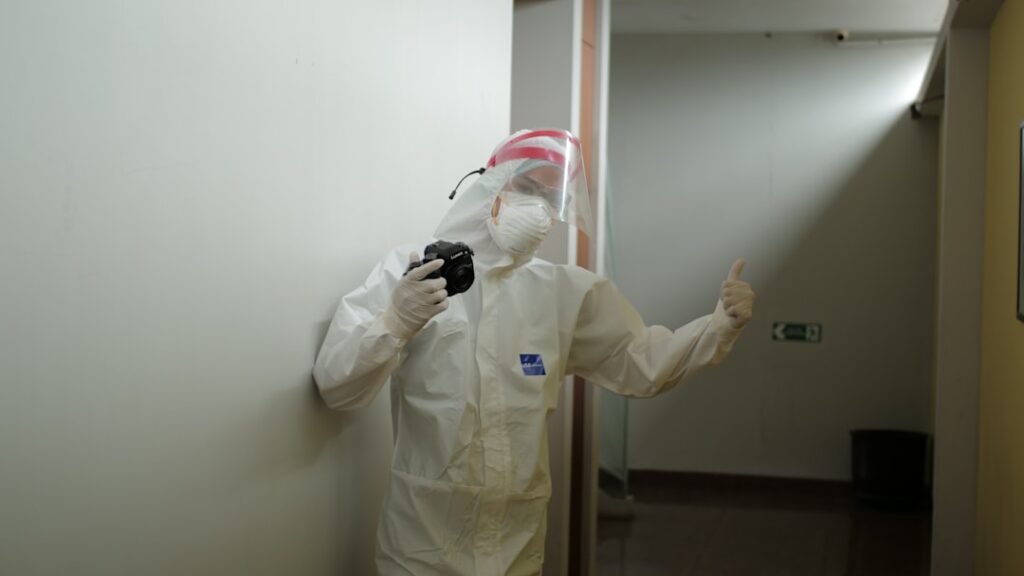
Asbestos removal is the controlled stripping and disposal of asbestos-containing material (ACM) by trained, licensed workers inside a sealed, negative-pressure work area, using wet methods and HEPA filtration, followed by independent air testing before the space is reoccupied. It is only one of three ways to deal with asbestos. Intact material that will not be disturbed can often be left alone, sealed (encapsulation), or covered (enclosure) for far less money and less risk. Removal becomes necessary when renovation or demolition will disturb the material, or when it is already damaged and shedding fibers. The right sequence is always the same: test suspect material first, decide on a response, then hire licensed help. This guide summarizes EPA, OSHA, and NIOSH guidance current as of 2026; it is not medical or legal advice, so consult your physician about exposure concerns and your state regulator, in Colorado the CDPHE, about current requirements.
Part of our Asbestos in the Home guide — start there for the full picture →
Is this mold, asbestos, or water damage? Get a free instant screen
Upload a clear photo of the suspect area. You'll get an instant AI screening opinion and what to do next. This is screening guidance, not a professional determination.
Screening guidance only. AI can be wrong. Confirm asbestos, mold type, or lead with lab testing or a licensed professional before acting.
Asbestos Removal at a Glance
Most homeowners want three answers: is removal mandatory, who may do it, and what it costs. Short versions first.
- Do you have to remove it? Not always. The EPA’s standing advice is that asbestos material in good condition that will not be disturbed is generally best left in place. Removal is the answer when a remodel, demolition, or repair will cut, sand, drill, or tear out the material, or when it is already crumbling.
- Who does it? Licensed asbestos abatement contractors using certified workers. Many states, Colorado included, regulate abatement work in homes, and some restrict or condition what owner-occupants may do themselves. Check the current rules before touching anything.
- What does it cost? Small, contained residential jobs are often quoted in the low thousands of dollars, while whole-house projects involving siding, boiler insulation, or large ceiling areas can climb well past $10,000. Testing and independent clearance are usually extra.
The trade uses several overlapping terms. Asbestos abatement is the umbrella for any action that reduces the hazard, including removal, encapsulation, and enclosure. Asbestos remediation and asbestos mitigation are looser synonyms you will see in marketing. Our explainer on what asbestos abatement actually covers sorts out the vocabulary if contractor bids use the words differently.
Removal vs. Encapsulation vs. Enclosure
Federal asbestos guidance recognizes several response actions, and choosing among them is the single biggest cost decision in any asbestos project. Removal is permanent. The other two manage the material in place.
| Option | What it involves | Best fit | Main drawback |
|---|---|---|---|
| Removal (abatement) | Material is wetted, stripped inside containment, bagged, and hauled to an approved landfill; clearance testing follows | Material that will be disturbed by renovation or demolition, or that is badly damaged | Highest cost; the removal itself is the moment of greatest fiber release |
| Encapsulation | A bridging or penetrating sealant is applied so fibers stay bound to the material | Intact or lightly damaged material that will stay put, such as pipe lagging or some ceiling textures | Material remains in the home; must be disclosed and rechecked; complicates later remodeling |
| Enclosure | An airtight barrier (new drywall, a soffit, flooring laid over old tile) isolates the material | Intact material in a spot you do not plan to open again, such as tile under new flooring | Still present behind the barrier; any future demolition reopens the problem |
| Repair | Small damaged spots are patched or re-wrapped by trained workers | Limited damage on otherwise sound insulation or lagging | Only buys time if the material keeps deteriorating |
Encapsulation and enclosure usually cost a fraction of full removal. The catch is permanence: if you plan to finish the basement in five years, encapsulating the boiler-room pipe wrap now and removing it later means paying twice. Match the response to the renovation plan, not just today’s condition.
When Asbestos Removal Is Required
Removal is not triggered by the mere presence of asbestos. It is triggered by disturbance. These are the situations where removal, or at least a licensed abatement plan, normally comes into play:
- Renovation that will disturb suspect material. Tearing out a kitchen floor laid over 9-by-9 vinyl tile, scraping a popcorn ceiling, opening plaster walls, or replacing a boiler wrapped in white insulation.
- Demolition. Tearing down a structure, or a large part of one, generally requires an asbestos inspection beforehand, and regulated material must come out before the wrecking crew starts. The EPA’s asbestos NESHAP rule sets federal demolition and renovation requirements for many buildings, and states layer their own rules on top.
- Damaged, friable material. Pipe insulation that is crumbling, sprayed-on fireproofing that is flaking, or water-damaged ceiling texture can release fibers without any renovation at all.
- Repairs that cut through ACM. Running new ductwork through a ceiling, replacing a section of transite siding, or swapping an old furnace flue pipe.
- Transaction conditions. A buyer, lender, or insurer may require removal or documented management even when the law does not.
The distinction between friable and non-friable material matters here. Friable material crumbles under hand pressure when dry, which describes pipe lagging, boiler insulation, sprayed-on coatings, and many textured ceilings. Non-friable material binds fibers in a matrix, such as vinyl floor tile, asphalt roofing, and cement siding. Non-friable products are lower risk while intact, but sanding, grinding, saw-cutting, or breaking them can make them behave like friable material. Regulators care about what the work will do to the material, not just its original form.
Test Before Anything Else
Nobody can identify asbestos by eye. Two identical-looking floor tiles from the same decade can test differently, and many materials that look suspicious turn out to be asbestos-free. Every sound asbestos project starts with sampling and analysis at an accredited laboratory, usually by polarized light microscopy for bulk samples.
For a single material, such as one flooring layer or one ceiling texture, a targeted sample may be enough. Before a major remodel or any demolition, a pre-renovation survey by a certified asbestos building inspector is the stronger choice. The inspector samples every suspect material in the planned work area, and the report becomes the roadmap for what must be abated and what can be demolished normally. Our guide to professional asbestos testing explains survey scope, lab methods, and how to read results.
Sampling itself disturbs material, so it is often best done by a certified inspector rather than a homeowner with a utility knife. And a survey is not wasted money when results come back negative: a clean report lets the remodel proceed without abatement costs and documents due diligence for a future sale.
Where Asbestos Hides in Older Homes
Asbestos was common in residential building products through much of the twentieth century, and some products containing it stayed on the market later than many people assume. In Front Range housing stock, the brick bungalows of central Denver, mid-century ranches in Lakewood and Aurora, and older homes in Boulder and Colorado Springs are the usual places to expect suspect materials. Common candidates include:
- 9-by-9 and 12-by-12 vinyl floor tile and the black mastic beneath it
- Sheet vinyl flooring with a paper-like backing
- Popcorn, cottage-cheese, or sprayed textured ceilings
- White or gray wrap on heating pipes, boilers, and old furnaces
- Cement-based (transite) siding, roofing, and flue pipe
- Drywall joint compound and some plaster
- Vermiculite attic insulation, which can be contaminated with asbestos
- HVAC duct tape and vibration-damper cloth
- Window glazing putty, caulk, and some roofing felt
Flooring is what homeowners most often tackle themselves, because the tile looks harmless. Before prying up a single square, read our walkthrough on removing asbestos floor tile, which covers why breaking tiles and grinding mastic are the riskiest parts of the job and when leaving the floor in place makes more sense.
How Professional Asbestos Removal Works
A competent abatement crew follows a predictable sequence. The details vary with state rules and the size of the job, but the logic stays fixed: isolate, wet, remove, contain the waste, clean, and prove the air is clean. For a deeper step-by-step, see our full breakdown of the asbestos abatement process.
1. Notification and Planning
Larger renovation and demolition projects often require advance notification to the state or local regulator before work begins, and some require permits. The contractor should handle this, and the written bid should say so. Ask who files the notice and when, because work cannot legally start until any required waiting period has passed.
2. Containment
The work area is sealed with polyethylene sheeting over floors, walls, doorways, and HVAC openings. The building’s heating and cooling system is shut down or isolated so it cannot pull fibers into other rooms. For larger friable jobs, crews build a decontamination unit at the entrance, typically a sequence of chambers where workers remove protective suits and, on bigger projects, shower before leaving.
3. Negative Air Pressure
HEPA-filtered negative air machines exhaust air out of the containment so that any leak pulls clean air in rather than pushing contaminated air out. Good contractors monitor the pressure differential throughout the job. This single control does more to protect the rest of the house than anything else on site.
4. Wet Methods and Careful Removal
Material is soaked with amended water, a water-and-surfactant mix that penetrates better than plain water, before it is cut or scraped. Wet material sheds far fewer fibers. Workers remove it in pieces as large as practical instead of breaking it up, and HEPA vacuums replace brooms and shop vacs. Respirators are mandatory; our guide to respirators for asbestos removal explains why a paper dust mask offers essentially no protection.
5. Packaging and Disposal
Removed material is sealed while still wet in heavy, labeled plastic bags or wrapped for larger components, then transported to a landfill permitted to accept asbestos waste. Regulated jobs generate a waste shipment record that tracks the material from your house to the disposal site. Keep a copy with your property records.
6. Final Cleaning
Surfaces inside containment are HEPA-vacuumed and wet-wiped, sometimes more than once, and a lockdown sealant may be sprayed on exposed surfaces to bind any residual fibers. Visual inspection comes next: no visible debris or dust should remain before air testing.
7. Clearance Air Testing
Before containment comes down, air samples are collected inside the work area and analyzed by an accredited lab. Clearance criteria depend on the governing rules and the analytical method, so ask your contractor and air-monitoring firm what standard applies to your job. The key point for homeowners is independence: clearance should be performed by a third-party consultant who does not work for the abatement contractor. Only a passed clearance report closes the job.
Why DIY Asbestos Removal Is Risky and Often Restricted
Abatement bids can feel high for what looks like a weekend of scraping. The problem is that the dangerous part is invisible: fibers released during removal are microscopic, stay airborne for hours, and settle into carpets, ductwork, and clothing where they can be stirred up again for years.
OSHA’s asbestos standards for construction set a permissible exposure limit for workers and require exposure monitoring, respiratory protection, regulated work areas, and training for asbestos work. Those requirements exist because ordinary construction methods produce exposures well above safe levels. A homeowner with a pry bar, a shop vacuum, and a hardware-store mask reproduces exactly the conditions the rules are designed to prevent, and does it inside the home where the family sleeps.
Several specific DIY mistakes cause most of the damage:
- Dry scraping popcorn ceilings or sanding joint compound, which puts fibers directly into the breathing zone
- Using a household or shop vacuum, which passes fine fibers straight through and blows them around the room
- Leaving the furnace running, which spreads contamination through every duct
- Breaking floor tiles into small pieces instead of lifting them wet and whole
- Bagging waste in thin trash bags and putting it out with household garbage, which may violate disposal rules
The legal side varies. Some jurisdictions allow limited owner-occupant work in a single-family home under specific conditions; others regulate almost any disturbance above a small threshold; and disposal rules apply regardless of who did the removal. In Colorado, the Colorado Department of Public Health and Environment (CDPHE) regulates asbestos abatement for renovation and demolition, including in many residential settings. Check CDPHE’s current requirements before planning any work, because thresholds, permit rules, and owner exemptions change and are too specific to summarize safely here.
Asbestos Removal Costs
Cost depends on the type of material, how much of it there is, whether it is friable, how hard it is to reach, and what your state requires for notification, permits, and clearance. The ranges below are broad, commonly quoted figures for residential work in the U.S. They are not drawn from a single survey, and Front Range bids can land above or below them. Use them to judge whether a quote is in a plausible range, then compare written scopes.
| Scope | Typical description | Commonly quoted range |
|---|---|---|
| Testing a few samples | Bulk samples analyzed by an accredited lab, sampling fee extra if an inspector collects them | Tens of dollars per sample; a few hundred dollars with an inspector visit |
| Pre-renovation survey | Certified inspector samples all suspect materials in the work area and writes a report | Roughly $400 to $1,200 for a typical house, more for large homes |
| Small contained removal | A short run of pipe lagging, a small room of floor tile, a single furnace or flue | Often $1,500 to $3,500 |
| Popcorn ceiling removal | Wet scraping a ceiling texture under containment, by square footage | Often a few dollars per square foot; a whole-house job commonly lands in the low-to-mid thousands |
| Basement boiler and pipe insulation | Friable lagging and boiler wrap with full containment and decon unit | Often $3,000 to $8,000 or more |
| Transite siding or large multi-area project | Exterior cement siding or several interior materials at once | Often $8,000 to $20,000 or more |
| Encapsulation instead of removal | Sealing intact material in place | Usually a fraction of removal cost for the same area |
| Independent clearance air testing | Third-party sampling and lab analysis after abatement | Often a few hundred dollars up to about $1,000 |
What pushes a bid up: friable material, tight crawl spaces and attics, multiple materials in one project, vermiculite insulation, after-hours or occupied-home conditions, and the need to rebuild what came out, which abatement contractors usually exclude. What lowers it: choosing encapsulation for material that will not be disturbed, bundling testing and removal in one planned project instead of reacting mid-remodel, and clearing furniture and contents from the work area yourself before the crew arrives.
A bid that comes in far below the others is a warning sign rather than a bargain. It usually means containment, negative air, proper disposal, or clearance has been left out. Insurance rarely pays for abatement of old, intact material, though a covered event that damages ACM can change the picture; our guide on whether insurance covers asbestos removal walks through the usual policy language.
Colorado and Front Range Considerations
Colorado regulates asbestos more actively than many states. CDPHE’s air pollution program oversees asbestos abatement for renovation and demolition, certifies the people who inspect, design, supervise, and perform abatement work, and handles notification for regulated projects. Some Front Range cities and counties add their own demolition or building-permit conditions. Because the specifics change, the safest move is to check CDPHE’s current requirements and your local building department before scheduling demolition, and to ask your contractor to show how their plan meets both.
A few practical Front Range patterns are worth knowing. Pre-1980 homes in Denver, Englewood, Lakewood, Arvada, and older parts of Colorado Springs regularly turn up asbestos floor tile, pipe wrap, and textured ceilings during remodels. Basement finishing projects are a frequent trigger, because the boiler room and the original floor tile are exactly what gets torn out. For Colorado-specific permitting and contractor licensing detail, see our Colorado asbestos abatement permit and contractor guide.
Decision Checklist: Remove, Manage, or Leave It Alone
Use this checklist once lab results confirm asbestos. It is a starting framework for a conversation with a licensed professional, not a substitute for one.
- Leave it alone and monitor if the material is intact, not friable or well sealed, sits where nobody will cut or disturb it, and no renovation is planned. Note its location and recheck its condition periodically.
- Encapsulate or enclose if the material is intact or lightly damaged, will stay in place for the foreseeable future, and sealing or covering it is practical. Keep a record for future buyers and contractors.
- Repair if a small section of otherwise sound pipe or boiler insulation is damaged, and the rest of the run is in good shape.
- Remove if renovation, demolition, or a repair will disturb the material; if it is friable and deteriorating; if it is water-damaged; or if a transaction, lender, or insurer requires it.
- Stop work immediately if a remodel uncovers untested suspect material. Close the room, shut off the HVAC, keep people out, and get it sampled before continuing.
Whatever you decide, keep the paperwork: lab reports, the survey, contractor license information, notifications, waste shipment records, and the clearance report. These documents answer the questions buyers, lenders, and inspectors will ask later.
How to Hire an Asbestos Removal Contractor
Vetting matters more for abatement than for almost any other home trade, because poor work is invisible until it becomes a health or legal problem. Before signing:
- Confirm the company holds a current state abatement license and that the supervisor and workers carry individual certifications.
- Ask for a written scope listing each material, its location and quantity, the containment method, negative air setup, disposal plan, and who performs clearance.
- Confirm who files any required notification and pays permit fees.
- Request proof of general liability and pollution or contractor’s environmental liability insurance.
- Hire a separate, independent firm for clearance air testing, or at minimum confirm the contractor’s air monitoring is subcontracted to an unaffiliated consultant.
- Get at least three bids and compare scopes, not just totals.
Our hiring guide to asbestos removal contractors includes interview questions and red flags. For the bigger picture on older-home hazards, including lead paint, which often turns up in the same houses, browse our asbestos and lead resource hub.
Health Context
Asbestos exposure is linked to mesothelioma, lung cancer, and asbestosis, a scarring lung disease. These illnesses typically appear decades after exposure. Risk generally rises with the amount and duration of exposure, and smoking compounds lung cancer risk among exposed people. Health agencies have not identified a safe level of exposure. If you believe you or your family were exposed during a renovation, tell your physician about the exposure; there is no home test for it, and medical follow-up is a clinical decision.
References
- Learn About Asbestos — U.S. Environmental Protection Agency
- Asbestos National Emission Standards for Hazardous Air Pollutants (NESHAP) — U.S. Environmental Protection Agency
- Asbestos: Standards and Hazard Recognition — Occupational Safety and Health Administration
- Asbestos and Worker Health — CDC National Institute for Occupational Safety and Health
- Asbestos — American Lung Association
Frequently asked questions
Do I have to remove asbestos from my house?
Not necessarily. EPA guidance is that asbestos material in good condition that will not be disturbed is generally best left alone. Removal becomes necessary when renovation, demolition, or repairs will disturb the material, or when it is damaged and releasing fibers. Encapsulation or enclosure can be cheaper options for intact material.
Can I remove asbestos myself?
It is risky and often restricted. Removal releases invisible fibers that household vacuums and basic masks cannot control, and many states regulate abatement and disposal even in homes. In Colorado, check CDPHE's current requirements before any work, and have suspect material tested first.
How much does asbestos removal cost?
Small contained jobs are often quoted around $1,500 to $3,500, basement boiler and pipe insulation often runs $3,000 to $8,000 or more, and large siding or multi-area projects can exceed $10,000. Testing, surveys, and independent clearance testing are usually priced separately. Get three written bids and compare scopes.
What is the difference between asbestos abatement and removal?
Abatement is the umbrella term for any action that reduces an asbestos hazard, including removal, encapsulation, enclosure, and repair. Removal is the specific option of stripping the material out and disposing of it. Bids that say abatement may describe any of these, so read the scope.
How do I know asbestos removal was done correctly?
Look for a passed clearance report from an independent air-monitoring firm, a waste shipment record showing disposal at an approved landfill, and documentation of any required notification. A visual inspection with no remaining debris should precede air sampling. Keep all of it with your property records.
Planning a remodel in an older Front Range home and not sure whether that tile or pipe wrap needs attention? Contact us and we can connect you with a qualified local inspector to sample suspect materials before work begins.
Asbestos test kits
Asbestos can only be confirmed by a lab. A mail-in kit gets you a sealed sample container and accredited analysis — never sand or disturb suspect material first.
| Product | Why | Buy |
|---|---|---|
 Asbestos Test Kit (mail-in lab) Asbestos Test Kit (mail-in lab) | Includes PPE + sealed mailer. | Amazon — $34.99 |
| Pro-Lab Asbestos Test Kit | Widely available; lab fee separate. | Amazon — $34.99 |