What Is Asbestos Abatement: A Plain-Language Guide
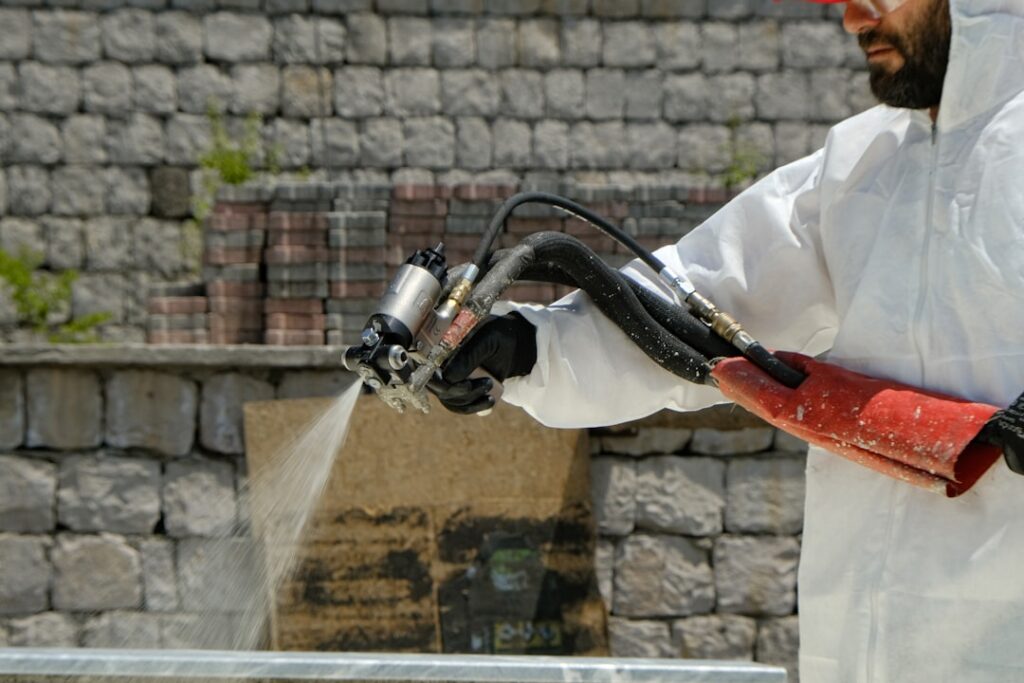
“Abatement” is the word that appears the moment a test confirms asbestos in a home, and many homeowners have never heard it before. Asbestos abatement is the controlled process of removing, sealing, or enclosing asbestos-containing materials so their fibers do not become airborne and inhaled. It is regulated, specialized work — not ordinary demolition — and understanding what it involves helps homeowners hire the right contractor and avoid dangerous shortcuts. This guide summarizes EPA, OSHA, and CDC guidance current as of 2026; always confirm specifics with a certified asbestos professional, since laboratory testing and licensed abatement decisions should never be made on assumptions.
Part of our Asbestos in the Home guide — start there for the full picture →
Is this mold, asbestos, or water damage? Get a free instant screen
Upload a clear photo of the suspect area. You'll get an instant AI screening opinion and what to do next. This is screening guidance, not a professional determination.
Screening guidance only. AI can be wrong. Confirm asbestos, mold type, or lead with lab testing or a licensed professional before acting.
What is asbestos abatement, exactly?
Asbestos abatement is the set of procedures used to control the hazard of asbestos-containing materials in a building. It includes three broad approaches: removal (taking the material out entirely), encapsulation (coating or sealing it so fibers cannot escape), and enclosure (building a permanent barrier around it). The goal is the same in each case — prevent the release of microscopic asbestos fibers, which cause asbestosis, lung cancer, and mesothelioma when inhaled over time. Abatement is performed by licensed professionals under containment, with negative air pressure, wet methods, and specialized disposal.
Abatement is one part of a larger response to asbestos in older homes. The full landscape — where it hides, how it is tested, and when it must be addressed — is laid out in the guide to asbestos and lead in pre-1978 housing.
The three methods of abatement
Not every situation calls for full removal. A certified professional chooses the method based on the material’s condition, location, and whether it will be disturbed:
- Removal: the most thorough option, required when material is damaged, friable, or will be disturbed by renovation. It is also the most expensive and disruptive.
- Encapsulation: a sealant penetrates or coats the material to bind the fibers. Suitable for intact surfaces like some pipe insulation or sound flooring.
- Enclosure: an airtight barrier — such as new drywall over an asbestos surface — physically separates the material from the living space.
Encapsulation and enclosure are often safer and cheaper than removal when the material is in good condition, because they avoid the fiber release that removal risks. The right choice is a professional judgment, not a homeowner preference, and it parallels the logic behind professional asbestos removal decisions generally.
A certified inspector weighs several factors: the material’s friability (whether it crumbles by hand), its location and likelihood of being disturbed, its condition, and the homeowner’s renovation plans. Friable insulation in a high-traffic basement is a strong candidate for removal; intact floor tile under a planned new floor may be better enclosed. The same material can warrant different responses in different homes, which is why a blanket “rip it all out” recommendation should make a homeowner skeptical.
How the removal process works
When removal is the chosen method, a certified crew follows a strict sequence designed to contain fibers from start to finish:
- Containment: the work area is sealed with plastic sheeting, and HEPA-filtered negative-air machines pull air inward so nothing escapes.
- Wetting: materials are saturated with a fine water spray to keep fibers from going airborne.
- Removal: material is taken down carefully, kept intact where possible, and placed in labeled 6-mil polyethylene bags.
- Decontamination: workers pass through a decon area, and HEPA vacuums and wet wiping clean all surfaces.
- Clearance: air monitoring confirms fiber levels are safe before the containment comes down.
- Disposal: waste goes to a landfill permitted to accept asbestos.
Workers wear respirators and disposable suits throughout. This is why abatement cannot be improvised — every step exists to keep fibers out of the air and out of human lungs.
The negative-air machines are central to the process. By keeping the sealed work area at slightly lower pressure than the surrounding home, they ensure that air — and any disturbed fibers — flows into the containment and through HEPA filtration rather than leaking out into living space. The exhaust is filtered before it leaves the area. This pressure differential is what allows demolition-level disturbance to happen safely inside a home that the family may still be living in, on a different floor or wing, during the project.
Decontamination is equally deliberate. Workers do not simply walk out of the containment; they pass through a staged decon area where contaminated suits are removed and bagged and surfaces are HEPA-vacuumed and wet-wiped. Tools are cleaned before they leave. The goal is that nothing — not a fiber on a boot, not dust on a respirator — travels from the work zone into the rest of the home. A homeowner watching a crew skip these steps, tracking debris through the house, is watching a job that will fail the very purpose it was hired for.
Who is qualified to do it
Asbestos abatement is performed by contractors and workers who are trained, certified, and — in most jurisdictions — licensed for the work. OSHA sets exposure limits and worker-protection rules, the EPA regulates disturbance and disposal, and states run accreditation programs for inspectors, supervisors, and abatement workers. A legitimate abatement contractor can show current certification, proof of insurance, and a written work plan covering containment, air monitoring, and disposal.
Homeowners should not attempt abatement themselves. Beyond the health risk, improper disturbance and disposal can violate environmental regulations. The vetting steps for a contractor mirror those in the guide to asbestos removal contractors.
What asbestos abatement costs
Cost depends on the material, the quantity, the location’s accessibility, and local disposal fees. Industry estimates commonly place small jobs — a single room of flooring or a short run of pipe insulation — in the high hundreds to low thousands of dollars, while whole-house projects involving insulation, ductwork, or extensive flooring can reach tens of thousands. Encapsulation is generally less costly than removal because it skips the containment-heavy teardown.
Always obtain itemized written bids that separate testing, abatement, air clearance, and disposal, and verify certification before signing. Testing is the inexpensive first step that determines the scope, as detailed in the guide to asbestos testing cost.
Air monitoring and clearance testing
A step that distinguishes legitimate abatement from a cut-rate job is clearance testing. After removal, an independent party — often a separate consultant, not the abatement crew — collects air samples inside the sealed containment and analyzes them to confirm fiber levels are below the clearance threshold before the plastic comes down. Only then is the area considered safe to reoccupy.
Homeowners should ask up front whether clearance air testing is included and who performs it. Having the same firm both remove the material and certify its own work is a conflict of interest; independent clearance testing is the safeguard that the job was actually done correctly. Skipping it leaves the household trusting that invisible fibers are gone with no measurement to prove it.
When abatement is and isn’t necessary
Abatement is not automatic. The EPA and CDC note that intact, undisturbed asbestos materials in good condition are often best left alone and monitored, because disturbing them creates the very exposure abatement aims to prevent. Abatement becomes necessary when material is damaged, deteriorating, friable, or will be disturbed by a renovation. The trigger is risk of fiber release, not the mere presence of asbestos. A certified inspector should assess condition and recommend the appropriate response — leave in place, encapsulate, enclose, or remove — rather than defaulting to demolition.
This measured approach protects both health and budget. A homeowner who panics at a positive test and rushes into full removal may spend thousands on a job that intact, well-managed material did not require. One who ignores deteriorating asbestos in a high-traffic area, by contrast, leaves a real hazard in place. The right answer sits between those extremes and depends on the specific material, its condition, and the home’s plans — which is exactly the judgment a certified professional is trained to make. Abatement, properly understood, is not a single dreaded event but a spectrum of controlled responses matched to the actual level of risk.
Where asbestos is found in older homes
Understanding what abatement targets helps homeowners recognize when it might be needed. In homes built before the 1990s, asbestos can appear in a long list of materials: 9-inch floor tiles and the black mastic beneath them, popcorn and other textured ceilings, pipe and boiler insulation, duct tape and HVAC wrap, cement siding and shingles, roofing felt, vermiculite attic insulation, and the joint compound on drywall seams. Each of these is a potential abatement subject if it is damaged or will be disturbed.
The common thread is age and disturbance. None of these materials poses much risk while intact and undisturbed, which is why abatement is selective rather than automatic. A homeowner planning to tear out an old kitchen floor in a 1960s house has a reason to test the tile and mastic first; a homeowner with the same flooring they intend to leave alone and cover does not necessarily need to remove anything. The renovation plan, not the mere presence of the material, drives whether abatement enters the picture.
This is also why testing precedes any decision. A certified inspector samples the suspect materials, an accredited lab confirms whether asbestos is present and at what concentration, and only then does the abatement conversation begin. Guessing — assuming a popcorn ceiling is safe, or assuming it is dangerous — leads either to needless expense or to a dangerous DIY disturbance. The inexpensive testing step grounds the entire process in fact, and it determines which abatement method, if any, the situation actually calls for.
How long abatement takes and what to expect
Timeline depends on scope. A single room of flooring or a short run of pipe insulation might be a one-day job; a whole-house project involving insulation, ductwork, and extensive flooring can span several days to a week, including setup, removal, decontamination, and clearance testing. The containment and air-clearance steps add time that a homeowner expecting a quick teardown may not anticipate, but they are not optional.
Homeowners often ask whether they must move out. For a small, well-contained job in one area, the family can sometimes remain in another part of the home, since the negative-air containment keeps fibers isolated. For larger projects, especially those involving HVAC systems or multiple areas, temporary relocation is common and sometimes required. The contractor’s work plan should address occupancy explicitly, and a homeowner should ask rather than assume.
Expect disruption: sealed plastic over doorways, the hum of negative-air machines, restricted access to the work zone, and a crew in protective suits moving in and out through a decon area. This is normal and a sign the job is being done correctly. The visible inconvenience is the price of containment, and a project that looks too casual — no plastic, no air machines, street clothes — is the one to worry about. When the clearance test passes and the containment comes down, the area is safe to reoccupy, and the documentation closes the chapter. That paperwork — the test results, the contractor’s certification, the disposal manifest, and the air-clearance results — is worth keeping permanently, because it answers the questions a future buyer or their inspector will ask and turns a once-alarming finding into a professionally resolved item on the home’s history.
References
- Protecting your family from asbestos exposure — U.S. Environmental Protection Agency
- Asbestos abatement worker safety standards — Occupational Safety and Health Administration
- About asbestos and its health effects — Centers for Disease Control and Prevention
Frequently asked questions
What does asbestos abatement mean?
Asbestos abatement is the controlled process of removing, encapsulating, or enclosing asbestos-containing materials so their fibers cannot become airborne and inhaled. It is regulated, specialized work performed by certified professionals under containment, not ordinary demolition.
Is removal the only abatement option?
No. Abatement includes removal, encapsulation (sealing the material), and enclosure (building a permanent barrier around it). When material is intact and in good condition, encapsulation or enclosure is often safer and cheaper than removal.
Can I do asbestos abatement myself?
No. Abatement requires training, certification, containment, air monitoring, and disposal at a permitted landfill, and improper handling can violate OSHA and EPA rules while exposing your household to fibers. A licensed contractor should perform the work.
Is abatement always required when asbestos is found?
No. Intact, undisturbed asbestos in good condition is often best left in place and monitored. Abatement becomes necessary when the material is damaged, deteriorating, or will be disturbed by renovation, which is when fiber release becomes likely.
If you have found or suspect asbestos in a Front Range home and want help deciding whether abatement is needed, get in touch through our contact page to connect with a certified inspector.
Asbestos test kits
Asbestos can only be confirmed by a lab. A mail-in kit gets you a sealed sample container and accredited analysis — never sand or disturb suspect material first.
| Product | Why | Buy |
|---|---|---|
| Asbestos Test Kit (mail-in lab) | Includes PPE + sealed mailer. | Amazon |
| Pro-Lab Asbestos Test Kit | Widely available; lab fee separate. | Amazon |