Asbestos Abatement Companies: What to Know
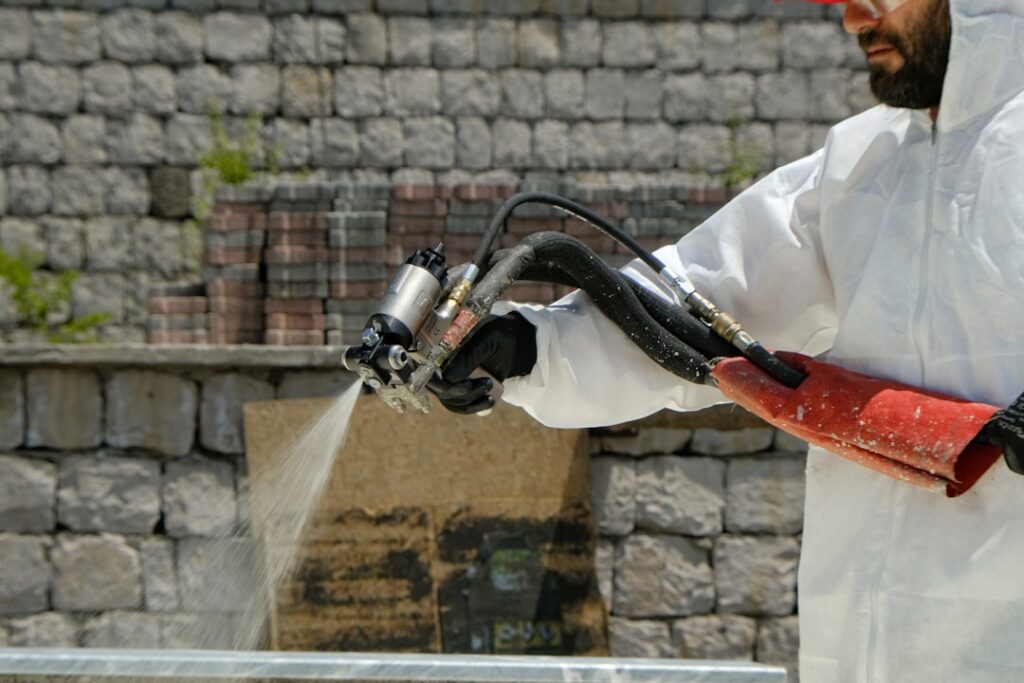
When testing confirms asbestos in a home and the material must be removed, the work belongs to a specialized contractor rather than a general handyman. Asbestos abatement companies are licensed and trained to remove, encapsulate, or repair asbestos-containing materials while keeping fibers out of the air. Choosing the right one protects a household during the work and ensures the job meets the regulations that govern handling and disposal. This guide summarizes EPA, CDC, and OSHA guidance current as of 2026; it is general information rather than a diagnosis, and a certified professional should make any testing or removal decisions. Knowing what these companies do, and how to vet them, helps a homeowner hire with confidence.
Is this mold, asbestos, or water damage? Get a free instant screen
Upload a clear photo of the suspect area. You'll get an instant AI screening opinion and what to do next. This is screening guidance, not a professional determination.
Screening guidance only. AI can be wrong. Confirm asbestos, mold type, or lead with lab testing or a licensed professional before acting.
What Asbestos Abatement Companies Do
Asbestos abatement companies safely remove, repair, or contain asbestos-containing materials in buildings, following strict procedures to prevent fiber release. Their work spans full removal of materials like floor tile, pipe insulation, popcorn ceilings, and siding, as well as encapsulation, where material is sealed in place rather than removed, and enclosure, where it is covered. The defining feature of a legitimate abatement company is licensing and adherence to federal and state regulations, which dictate containment, worker protection, air monitoring, and disposal.
These firms are distinct from general contractors and remediation companies. Asbestos work requires specific certifications, equipment, and protocols that general trades do not carry. A homeowner who has confirmed asbestos through testing should seek a contractor whose core business is abatement. For background on the testing that precedes hiring, our guide on how to identify asbestos covers the steps that come first.
The Abatement Process
A professional abatement project follows a controlled sequence designed to contain fibers from start to finish. The work area is sealed off with plastic sheeting and isolated from the rest of the home, often under negative air pressure created by HEPA-filtered equipment so air flows inward and fibers cannot escape. Workers wear respirators and disposable protective suits. Materials are wetted to suppress dust, then carefully removed and sealed in labeled, leak-tight bags for regulated disposal.
After removal, the area is HEPA-vacuumed and wet-wiped, and in many cases an independent air-clearance test confirms fiber levels are safe before the containment comes down. This clearance step, often performed by a third party rather than the abatement crew, gives objective assurance that the home is safe to reoccupy. The entire process exists to keep fibers from spreading, which is why it cannot be replicated by simply pulling material out in street clothes.
Encapsulation as an Alternative
Removal is not always the right answer. When asbestos-containing material is intact and in a location where it will not be disturbed, encapsulation, sealing it with a special coating, can be safer and less expensive than removal. Enclosure, building a barrier over the material, is another option. A good abatement company evaluates whether removal is truly necessary or whether leaving the material sealed in place better serves the homeowner. Our overview of asbestos encapsulation explains when this approach fits.
Why You Cannot Treat It Like Ordinary Demolition
It can be tempting to view asbestos removal as just another demolition task, but the difference is fundamental. Ordinary demolition aims to take material out efficiently; abatement aims to take it out without releasing microscopic fibers into the air or leaving them behind. That goal drives every step, from sealing the room to wetting the material to filtering the air and testing it afterward. A general crew breaking out old tile or scraping a ceiling without these controls can spread fibers throughout a home in minutes, creating a hazard that lingers long after the visible work is done.
This is why regulations restrict who may perform asbestos work above certain thresholds and why the equipment and training differ so much from standard construction. The fibers are invisible, the health effects are delayed by years, and the only way to confirm a job was done safely is objective air testing. A homeowner who understands this distinction is far less likely to be swayed by a cut-rate offer from someone who treats the material casually.
General Information, Not Medical Advice
Anyone concerned about exposure during or after a project should consult a physician rather than rely on general guidance. Asbestos-related illnesses develop over many years and overlap with other conditions, so personal health questions belong with a doctor. The information here describes how abatement works and how to hire safely, not how to diagnose or treat any condition, and it does not replace professional medical advice.
Licensing and Certification
The single most important factor in choosing an abatement company is proper licensing. Federal regulations and state programs require abatement contractors and workers to be trained and certified, and many jurisdictions license the firms themselves. In Colorado, the Department of Public Health and Environment regulates asbestos abatement, certifies workers and supervisors, and sets the rules for projects above defined size thresholds. A legitimate company can readily provide its certification and the certifications of the workers on the job.
Hiring an unlicensed operator risks improper handling that can contaminate a home, leave fibers behind, and violate disposal laws, potentially exposing the homeowner to liability. Verifying current licensing with the relevant state agency, rather than taking a contractor’s word, is a basic and worthwhile step. The license is not a formality; it reflects the training and oversight that make abatement safe.
How to Vet an Abatement Company
Beyond licensing, several questions separate a reliable abatement company from a risky one. Ask how long the firm has done asbestos work specifically, request proof of liability insurance and workers’ compensation coverage, and confirm how the company handles waste disposal and provides documentation of it. Ask whether an independent third party performs the final air-clearance testing, since separating the removal crew from the clearance test reduces conflicts of interest.
A trustworthy company provides a written scope of work describing containment, removal methods, and cleanup, along with a clear estimate. Be wary of bids far below others, which can signal corners cut on containment or disposal. Checking references and reviews, and confirming the company pulls any required permits, rounds out the vetting. The goal is a contractor who treats the regulations as the floor for safety, not an obstacle to work around.
Getting Multiple Estimates
As with any significant home project, gathering several estimates helps a homeowner understand fair pricing and compare scopes. The estimates should describe the same work so they can be compared meaningfully; a low number that omits air clearance or proper disposal is not truly cheaper. A homeowner should read each bid for what it includes rather than focusing on the bottom line alone. The lowest bid that cuts containment corners can become the most expensive option if it leaves a home contaminated.
What Abatement Typically Costs
Abatement cost varies widely with the material, the amount, the location, and the complexity of containment. Small, accessible jobs cost far less than whole-house removals or work in hard-to-reach areas. Because so many factors apply, reliable pricing comes from on-site estimates rather than generic figures. A homeowner should expect costs to reflect the labor-intensive containment, protective measures, air monitoring, and regulated disposal that legitimate abatement requires, all of which are part of why the work costs more than ordinary demolition.
It helps to view abatement cost in context. The expense buys controlled removal that protects the household and meets the law, avoiding the far greater cost of cleaning up after an uncontrolled fiber release. For many projects, encapsulation can reduce cost where removal is not strictly necessary, which is one reason a thorough assessment of the options is worthwhile before committing to full removal.
Red Flags to Avoid
Certain warning signs should give a homeowner pause. A contractor who cannot or will not produce current certification, who is vague about disposal, or who proposes dry removal without containment is not operating safely. Pressure to skip testing or air clearance to save money is another red flag, since those steps are what prove the work was done correctly. An offer dramatically cheaper than competing bids often means the savings come from omitting protective measures that exist for a reason.
Equally concerning is a firm that downplays the regulations or suggests a homeowner do part of the work themselves to cut costs. Legitimate abatement companies treat the rules as the baseline for safety, not as red tape. A homeowner who senses any of these signals is better served walking away and getting another estimate from a properly licensed firm. The stakes are high enough that comfort with the contractor’s professionalism matters as much as the price.
Documentation to Keep
After abatement, a homeowner should keep the records the project generates: the written scope, the disposal manifests showing the waste went to a proper facility, and the air-clearance test results. These documents prove the work was done correctly and can be valuable later, particularly when selling the home or addressing future questions about its history. A reputable company provides this paperwork as a matter of course, and a homeowner should request it if it is not offered. Good documentation is part of what distinguishes professional abatement from an informal job.
Coordinating Abatement With a Renovation
When abatement is part of a larger remodel, sequencing matters. Asbestos removal generally must be completed and cleared before other trades begin work in the affected area, so the home stays safe and the new construction is not contaminated. A homeowner planning a renovation in an older home should arrange testing early, line up a licensed abatement company if needed, and schedule the abatement before demolition and rebuilding. This orderly approach keeps the project on track and the household protected.
Asbestos abatement companies fill a specialized and regulated role that general contractors are not equipped to handle. For a homeowner who has confirmed asbestos through testing, hiring a properly licensed, well-vetted abatement firm is the path that aligns with EPA, CDC, OSHA, and Colorado guidance. Verifying licensing, comparing thorough estimates, and confirming independent air clearance turn a hazardous material into a managed, safely resolved part of owning an older home.
The Role of an Independent Inspector
Some homeowners choose to involve an independent inspector or consultant separate from the abatement contractor, particularly on larger projects. This person can help design the scope, oversee the work, and arrange the final air-clearance testing, providing a check that the abatement crew followed proper procedures. Keeping the inspection and clearance role separate from the company performing the removal reduces the chance that shortcuts go unnoticed. For a significant abatement job, that independent oversight can be worth the added cost for the peace of mind it brings.
On the Front Range, where many homes date to the era of heavy asbestos use, a network of certified inspectors and licensed abatement firms serves the Denver metro and surrounding counties. A homeowner does not have to navigate the process alone; starting with a trusted inspector to confirm the presence of asbestos and recommend reputable abatement companies is often the smoothest path. That early guidance helps a homeowner avoid the unlicensed operators and cut-rate bids that create more problems than they solve, and it sets the project up to finish cleanly and safely. With the right team in place, what begins as an intimidating discovery becomes a routine, well-documented step in bringing an older home up to date. The key is to lead with verified licensing and a clear scope, and to let qualified professionals carry the work from there safely and all the way to a documented completion.
References
- Hiring an Asbestos Professional — U.S. Environmental Protection Agency
- Asbestos Abatement Worker Standards — Occupational Safety and Health Administration
- Asbestos Contractor Certification — Colorado Department of Public Health and Environment
Front Range homeowners who have found asbestos and want help identifying a reputable, licensed abatement path can connect with a vetted local inspector by getting in touch through our contact page.
Asbestos test kits
Asbestos can only be confirmed by a lab. A mail-in kit gets you a sealed sample container and accredited analysis — never sand or disturb suspect material first.
| Product | Why | Buy |
|---|---|---|
 Asbestos Test Kit (mail-in lab) Asbestos Test Kit (mail-in lab) | Includes PPE + sealed mailer. | Amazon — $29.99 |
 Pro-Lab Asbestos Test Kit Pro-Lab Asbestos Test Kit | Widely available; lab fee separate. | Amazon — $45.99 |