How to Identify Asbestos: A Plain-Language Guide
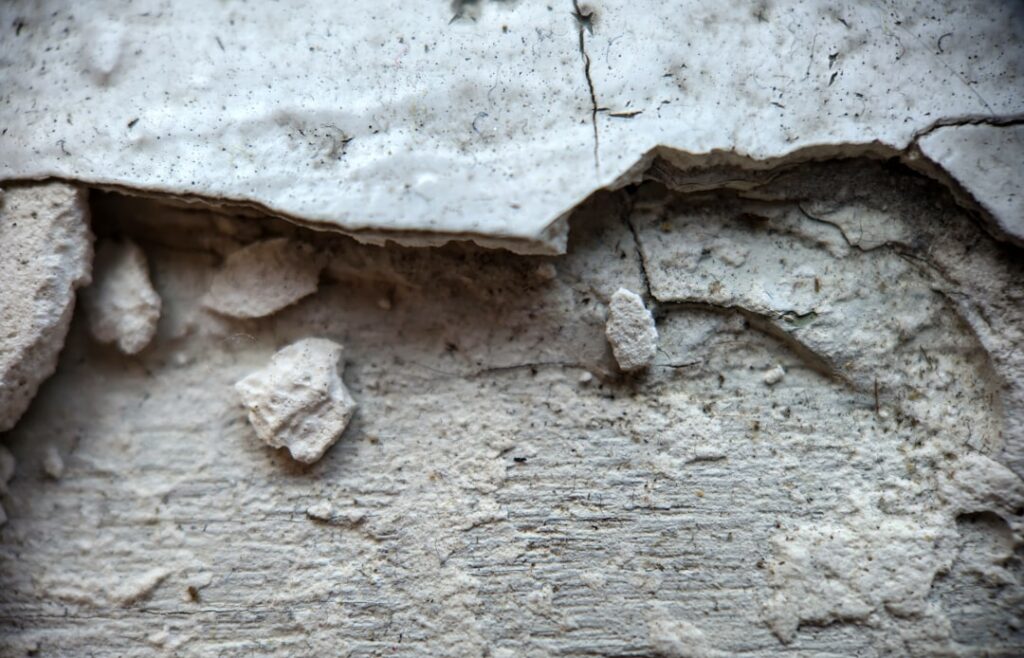
Knowing how to identify asbestos starts with an uncomfortable truth: you cannot confirm it by sight alone. Asbestos fibers are microscopic, bound inside ordinary-looking building materials, and a positive identification requires a laboratory. What a homeowner can do is recognize the materials and locations most likely to contain asbestos, judge a material’s age and condition, and know when to bring in a certified professional. This guide summarizes EPA and CDC guidance current as of 2026; it is general information, not a diagnosis, and you should consult a certified professional for any testing or removal decision. With that framing, here is a plain-language walk through where asbestos hides and how it is properly identified.
Is this mold, asbestos, or water damage? Get a free instant screen
Upload a clear photo of the suspect area. You'll get an instant AI screening opinion and what to do next. This is screening guidance, not a professional determination.
Screening guidance only. AI can be wrong. Confirm asbestos, mold type, or lead with lab testing or a licensed professional before acting.
How Do You Identify Asbestos?
Asbestos cannot be reliably identified by appearance; the only definitive method is laboratory analysis of a sample. A certified asbestos inspector collects a small sample of the suspect material using proper precautions and sends it to an accredited lab, which examines it under a microscope to confirm whether asbestos fibers are present, what type, and roughly how much. No visual inspection, home test strip, or app substitutes for that lab analysis.
What a homeowner can identify is the likelihood that a material contains asbestos, based on three clues: the type of material, its age, and its condition. Certain products were so commonly made with asbestos that their presence in a pre-1980s home warrants suspicion. Recognizing those materials is the practical skill; confirming the actual content is the lab’s job. This two-step approach, suspect by clues, confirm by testing, is the foundation of every responsible decision and runs throughout our asbestos and lead hub.
Where Is Asbestos Commonly Found?
Asbestos turned up in dozens of building products from the early 1900s through the late 1970s and beyond. Knowing the usual locations focuses attention where it matters. Common asbestos-containing materials include vinyl floor tile (especially nine-inch tiles) and the black adhesive beneath it, sheet flooring backing, textured “popcorn” ceilings, and joint compound on drywall seams.
Insulation is a major category: pipe and boiler wrap, duct insulation, and loose-fill attic insulation, particularly vermiculite, which may contain asbestos. Exterior materials include cement siding and shingles, and some roofing felts and shingles. Other products include certain plasters, acoustic tiles, and the millboard or paper around heating equipment. In older Front Range homes across Denver, Boulder, and surrounding communities, any of these may be original. A material’s location and type are the first filter; our companion guide on popcorn ceiling asbestos testing goes deeper on one of the most common cases.
Visual Clues That Suggest, But Do Not Confirm
A few visual signs raise suspicion without proving anything. Nine-inch by nine-inch floor tiles are an older size associated with asbestos eras, whereas twelve-inch tiles came later. A grayish, fibrous pipe wrap that looks like corrugated cardboard or plaster-coated insulation is a classic suspect. Vermiculite attic insulation appears as small, pebbly, gold-brown or silver flakes. Cement siding that is brittle and stamped with certain patterns may be asbestos cement. These clues tell a homeowner where to be cautious, not what a material actually contains.
Why You Cannot Identify Asbestos by Eye
The reason visual identification fails is physical. Asbestos fibers are far too small to see, often thinner than a human hair by a wide margin, and they are mixed into a binder, vinyl, cement, plaster, or texture, that looks identical whether or not asbestos is present. Two floor tiles from the same era, same color, same size, can differ entirely in composition. The appearance reflects the product and its manufacturing, not its asbestos content.
This is why home-test shortcuts and online “is this asbestos” photo guesses are unreliable and potentially harmful, because they can give false reassurance or false alarm. Even experienced professionals do not confirm asbestos by eye; they collect samples for the lab. The microscope, using techniques like polarized light microscopy or transmission electron microscopy, is what actually identifies and counts the fibers. Trusting appearance over testing is the single most common mistake homeowners make, and it can lead either to needless worry or to dangerous disturbance of a material that should have been tested first.
How Professional Asbestos Testing Works
Proper testing follows a controlled process. A certified inspector first surveys the home, noting suspect materials by type, location, age, and condition. For materials slated for sampling, the inspector wets the area to suppress dust, dons protective equipment, and removes a small representative piece, sealing it in a labeled container. Wetting and care during collection matter because the act of sampling can itself release fibers if done carelessly.
The sealed samples go to an accredited laboratory, which analyzes them and reports the results. For air monitoring, separate methods sample the air over time to estimate fiber concentration, used mainly during or after abatement. The inspector then interprets the findings and, with the homeowner, decides whether a material can be left in place, encapsulated, or must be removed. This professional sequence is the only path to a reliable identification, and it keeps the testing itself from becoming a source of exposure.
What to Do With a Suspect Material
The guiding principle is restraint. If a suspect material is intact, in good condition, and not going to be disturbed, the safest action is often to leave it alone, because undisturbed asbestos generally does not release fibers. Many homeowners safely live for years with asbestos-containing floor tile or siding that is solid and undamaged. Risk comes from disturbance, not from mere presence.
Do not sand, scrape, saw, drill, or break a suspect material, and do not attempt removal as a DIY project. Those activities release the most fibers and can contaminate a home. If you plan a renovation that would disturb suspect materials, arrange professional testing first. If testing confirms asbestos and the material must go, hire a licensed asbestos abatement contractor who follows containment, removal, and disposal regulations. In Colorado, asbestos work is regulated by the state health department, and many projects require permits and licensed professionals. The order is always the same: suspect, test, then let a professional manage or abate.
Judging Condition: The Other Half of Identification
Recognizing a suspect material is only part of the picture; judging its condition determines how urgent the situation is. Professionals assess whether a material is intact and undamaged or whether it is deteriorating, and that judgment shapes the recommendation. A solid, sealed sheet of asbestos cement siding in good repair behaves very differently from the same material cracked and crumbling at the edges. Intact material that no one will disturb generally stays put safely; damaged or friable material that sheds fibers calls for prompt attention.
Several signs point to a material in poor condition. Crumbling, flaking, or powdery surfaces, water stains and damage, cracks, exposed edges, and visible fiber release all suggest the material is no longer reliably containing its fibers. Pipe insulation that is torn or sagging, a popcorn ceiling that is flaking, or floor tile that is shattered and lifting are higher-priority concerns than the same materials intact. Mechanical damage from a past repair, abrasion from foot traffic, or simple age-related decay can all move a material from the low-risk to the high-risk category. A homeowner who notices a suspect material deteriorating should avoid disturbing it further, restrict access to the area if practical, and arrange a professional assessment, because deterioration is the condition in which asbestos most readily becomes airborne.
Common Myths About Identifying Asbestos
Several persistent myths lead homeowners astray, and clearing them up is part of learning to identify asbestos responsibly. The first myth is that you can tell by sight, color, or texture; you cannot, because the fibers are microscopic and the binder looks the same with or without them. The second myth is that a home test kit you spray or wipe will confirm asbestos reliably; meaningful confirmation requires laboratory microscopy of a properly collected sample, not a consumer shortcut. The third myth is that any asbestos in a home is an emergency demanding immediate removal; in reality, intact, undisturbed material is usually safest left in place, and hasty removal can create more exposure than it prevents.
A fourth myth holds that asbestos was banned long ago and therefore is not present in homes from a given decade. The U.S. phase-out was gradual and incomplete, and materials lingered in use and in supply chains well past common assumptions, so age is a clue rather than a guarantee. A fifth myth is that a single, undisturbed encounter, walking across an old tile floor, living beneath an intact textured ceiling, poses serious risk; the documented hazard centers on inhaling fibers released by disturbance over time, not on the mere presence of bound material. Replacing these myths with the simple framework, suspect by material and age, judge by condition, confirm by lab, and never disturb without testing, gives a homeowner an accurate and protective way to think about identification.
When to Call a Certified Professional
Call a certified asbestos inspector before any renovation in a pre-1980s home that would disturb suspect materials, when a material like pipe wrap or a textured ceiling is damaged or deteriorating, or whenever there is genuine uncertainty about a material’s content. Call a licensed abatement contractor, not a general contractor or handyman, if testing confirms asbestos and removal is needed.
For Front Range homeowners buying, selling, or renovating older homes, building testing into the timeline prevents both unnecessary panic and dangerous mistakes. The cost of professional identification is modest next to the health risk of disturbing the wrong material or the cleanup cost of a contaminated home. Recognizing the suspect materials gives a homeowner the awareness to act; the laboratory and the licensed professional provide the certainty and the safe handling that awareness alone cannot.
If you are renovating or buying an older Front Range home and want a connection to a vetted, certified asbestos inspector, get in touch through our contact page for help finding qualified local testing.
Identification During a Renovation or Purchase
The moment identification matters most is when a homeowner is about to disturb materials, during a renovation, or is evaluating a property to buy. For renovations of pre-1980s homes, the responsible sequence begins before any demolition: walk the project area, note every suspect material, type, age, condition, that the work would disturb, and arrange professional testing of those materials before a tool touches them. A textured ceiling slated for scraping, old floor tile to be pulled up, pipe insulation in the path of new plumbing, and joint compound on walls coming down are all candidates for testing first. Finding asbestos before the work starts lets a homeowner plan abatement or redesign around the material, rather than discovering it mid-project with a contaminated home.
During a home purchase, the picture is similar. A general home inspection does not test for asbestos, so a buyer concerned about an older home can arrange a separate asbestos survey, particularly if renovation is planned. Identifying suspect materials during the inspection period lets the cost of testing and possible abatement factor into the decision and the negotiation. A confirmed asbestos finding rarely needs to end a deal, since intact material can often stay in place, but knowing about it changes renovation budgets and timelines. Whether renovating or buying, the same disciplined approach applies: recognize suspect materials by type, age, and condition, confirm with laboratory testing before any disturbance, and rely on licensed professionals for removal. That order protects the household, keeps a project on solid footing, and turns an invisible uncertainty into a known, manageable factor in the work ahead.
Documentation is a quiet but useful part of the process. When a home is tested, keeping the lab results, the inspector’s survey, and any abatement records in a file gives future value: it informs the next renovation, satisfies disclosure when selling, and spares a repeat of the same testing. A homeowner who knows which materials in the house have been tested, and what the results were, can plan projects with confidence and avoid disturbing a material that was confirmed to contain asbestos. For older Front Range homes that change hands and get renovated repeatedly over the decades, that running record becomes a practical asset, ensuring each owner inherits not just the house but the knowledge of where its asbestos-containing materials are and how they should be handled.
References
- Learn about asbestos — U.S. EPA
- Asbestos health information — CDC
- Colorado asbestos regulations — CDPHE