Black Mastic Asbestos: Identify, Test and Manage It
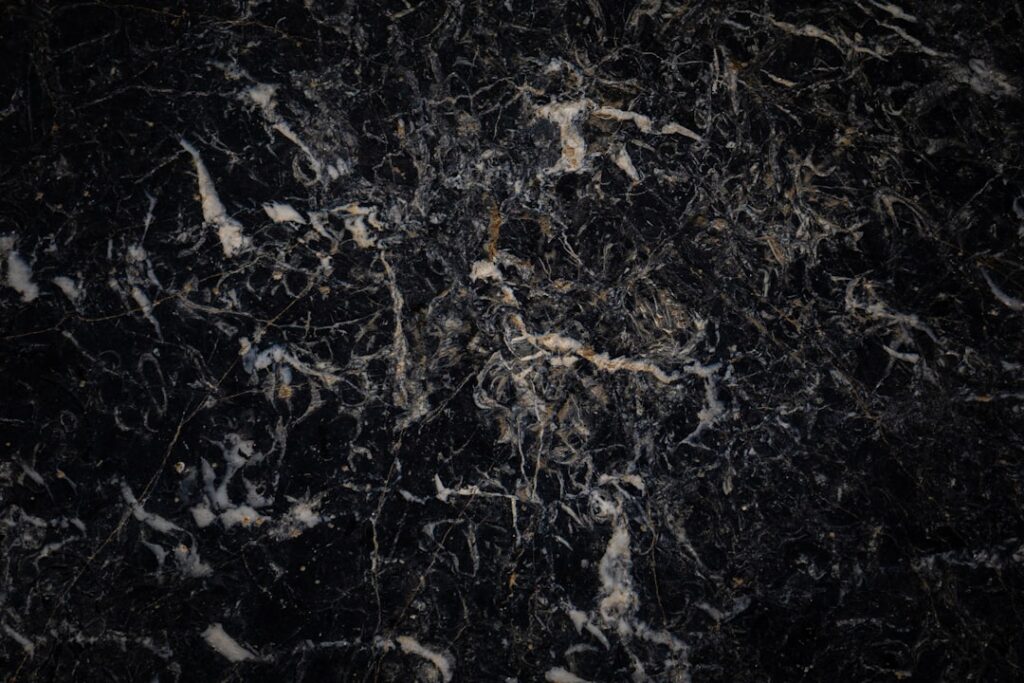
Pull up an old vinyl or asphalt tile and there is often a hard, tar-black glue underneath, stuck so firmly to the concrete or subfloor that it looks like part of the slab. That dark layer is commonly called black mastic or cutback adhesive, and some of it contains asbestos. Black mastic asbestos is a common discovery in basement and kitchen renovations, and the decisions that follow (test or not, cover or remove, scrape or leave) carry real cost and health consequences. This guide explains what the adhesive is, why only a lab test can tell what is in it, why transmission electron microscopy is often recommended for this kind of sample, and how the main options compare. It summarizes EPA and OSHA guidance current as of 2026 for homeowners on the Colorado Front Range and elsewhere. It is informational only and not a substitute for an accredited asbestos inspector.
Part of our Asbestos in the Home guide — start there for the full picture →
Is this mold, asbestos, or water damage? Get a free instant screen
Upload a clear photo of the suspect area. You'll get an instant AI screening opinion and what to do next. This is screening guidance, not a professional determination.
Screening guidance only. AI can be wrong. Confirm asbestos, mold type, or lead with lab testing or a licensed professional before acting.
What Is Black Mastic and Can It Contain Asbestos?
Mastic is a general term for a thick adhesive. In flooring, black mastic usually refers to an asphalt-based cutback adhesive that was troweled onto concrete or wood subfloors to hold resilient tiles and some sheet goods in place. It tends to be dark brown to black, glossy or matte, and very hard when dry. On concrete slabs it often looks like a thin layer of dried tar with trowel ridges still visible.
Some of these adhesives were made with asbestos fibers for strength and durability. EPA lists “vinyl floor tiles and the backing on vinyl sheet flooring and adhesives” among the places asbestos may be found in homes. That listing does not mean every black adhesive contains asbestos. Formulas varied by manufacturer and period, and many black adhesives turn out to be asbestos-free. But the color, age and context are enough to make the material a reasonable suspect in an older home. Our companion guide on asbestos mastic covers the wider family of adhesives, including those used on walls, ducts and roofs.
Flooring is usually built in layers. A typical older floor might have the slab or subfloor, black mastic, a tile layer and one or more newer floors installed over the top. Each layer can be a separate asbestos question. The tile can contain asbestos when the mastic does not, the mastic can contain asbestos when the tile does not, or both can. Our guide to vinyl asbestos tile covers the tile side of that question, and the guide on asbestos linoleum covers sheet flooring and its backing.
Why Black Mastic Needs a Lab Test
EPA says that generally you can’t tell whether a material contains asbestos simply by looking at it, unless it is labeled. Black mastic illustrates the point well. Asbestos-containing and asbestos-free cutback adhesives can look identical, and age alone is not a reliable guide because older stock was sometimes installed years after manufacture.
EPA recommends that sampling be done by a trained and accredited asbestos professional and says that taking samples yourself is not recommended, partly because incorrect sampling can be more hazardous than leaving the material alone. OSHA’s construction asbestos standard takes a similar cautious position for workers: it says resilient flooring material, including associated mastic and backing, shall be assumed to be asbestos-containing unless an industrial hygienist determines that it is asbestos-free using recognized analytical techniques. That rule applies to employers, not homeowners, but it shows how seriously regulators treat untested flooring adhesives.
Some homeowners use mail-in kits as a first screen. Our review of asbestos home testing kits explains what they can and cannot tell you. When reading a report, it helps to know what the terms mean; our guide to asbestos test results walks through percentages, non-detects and the common 1 percent threshold.
PLM Versus TEM for Mastic
Most bulk building samples are first analyzed by polarized light microscopy, or PLM. It is fast, widely available and good at identifying many asbestos-containing materials. Asphalt-based adhesives and floor tiles are a known challenge, though. The fibers in these materials can be very fine and are bound in an organic matrix that can make them hard to see clearly at PLM magnification. For that reason, many labs and inspectors recommend transmission electron microscopy, or TEM, for mastic and resilient flooring, especially when a PLM result comes back negative or near the threshold.
TEM costs more and takes longer, but it can detect much smaller fibers. A reasonable approach is to ask the lab or inspector whether TEM confirmation is advisable before treating a negative mastic result as final. Our guide on asbestos under a microscope explains how the two methods differ and what a lab analyst actually sees.
Sampling strategy matters as much as the method. Floors installed at different times can sit side by side, so a kitchen, hallway and basement may each have a different tile and adhesive. An inspector will usually sample each distinct material separately and ask the lab to analyze tile and mastic as separate layers rather than as one combined chip. Combining layers can dilute a result and make it harder to know which material actually contains asbestos. If the flooring has obvious patches or color changes, point them out so they can be sampled too.
Your Options for Black Mastic
Once a result is in hand, or while treating the material as presumed asbestos, the decision usually comes down to three paths: leave it and cover it, encapsulate it, or have it professionally removed. EPA’s general guidance frames this well. It says asbestos-containing materials that are not damaged or disturbed are not likely to pose a health risk, and that usually the best thing is to leave material in good condition alone. For flooring specifically, EPA advises that when asbestos flooring needs replacing, a new floor covering should be installed over it if possible.
| Option | How | Risk | Notes |
|---|---|---|---|
| Leave and cover | Install underlayment, a floating floor, or new flooring directly over the mastic without sanding or grinding | Low if the mastic is not disturbed during installation | Often the least expensive path; consider floor height at doors and transitions |
| Encapsulate | Apply a compatible sealer or primer over the mastic, then install new flooring | Low to moderate; depends on surface prep and product compatibility | Check with the flooring manufacturer; surface must be clean without abrasive prep |
| Professional removal | Trained crew uses wet methods, controlled scraping or approved solvents, with HEPA cleanup | Moderate during work; low afterward if done correctly | Most expensive; may require permits and notification depending on state and locality |
| DIY grinding or sanding | Mechanical grinding, sanding or shot-blasting without containment | High; can release fibers into the home | Not recommended; EPA advises against sanding asbestos flooring or its backing |
| DIY solvent stripping | Chemical solvents applied to soften and scrape the adhesive | Moderate to high; chemical and fiber exposure | Solvent fumes, fire risk and contaminated slurry; best left to professionals |
Leave It and Cover It
For many homes, covering is the most practical and least risky choice. A new floor can go over existing mastic as long as the surface is reasonably flat and no sanding, grinding or aggressive scraping is needed. Options include a floating laminate or vinyl plank floor, a cushioned underlayment with click-together planks, or a self-leveling underlayment where appropriate. Glue-down products may not bond well to old cutback, so read the flooring manufacturer’s instructions carefully and ask about compatibility with asphalt adhesives.
Covering keeps the mastic intact and out of the living space. The trade-offs are added floor height, which can affect doors, thresholds and appliance clearances, and the fact that the material remains in the house for any future renovation. Keep the test report with the home’s records so the next contractor knows what is under the floor.
Encapsulate It
Encapsulation means sealing the material with a coating that binds fibers or coats the surface. EPA describes sealing, or encapsulation, as treating the material with a sealant that either binds the asbestos fibers together or coats the material so fibers are not released, and it says repair of this kind should be done by a professional trained to handle asbestos safely. For mastic, encapsulation often means applying a compatible primer or sealer before installing new flooring. Our guide to asbestos encapsulation paint covers product types and surface prep. The main caution is that prep must not involve sanding or grinding the mastic.
Professional Removal
Removal makes sense when the floor must come up completely, such as for a new slab treatment, radiant heat, a moisture membrane or a finish like polished concrete that cannot be installed over adhesive. EPA says removal is complex and must be done only by a trained and accredited asbestos professional, and that improper removal may actually increase exposure.
OSHA treats removal of floor tile and construction mastics as Class 2 asbestos work (Class II in the regulation). For vinyl and asphalt flooring, its work practices include no sanding of flooring or its backing, HEPA vacuums with a metal floor tool rather than a brush, wet methods for all scraping of residual adhesive and backing, no dry sweeping, no mechanical chipping unless inside a negative pressure enclosure, and removing tiles intact unless the employer shows intact removal is not possible. Those rules give homeowners a useful benchmark for judging whether a contractor’s plan is careful.
Costs for mastic removal vary with area, the number of layers and whether solvent or mechanical methods are used. Our guide to asbestos tile removal cost explains how flooring abatement is typically priced.
Solvent and Grinding Hazards
Black mastic is tough, and the tools that remove it quickly are also the tools most likely to cause trouble. Two approaches deserve particular caution.
Grinding, Sanding and Shot-Blasting
Mechanical methods that abrade the adhesive can turn a bound material into airborne dust. EPA’s homeowner do’s and don’ts say not to saw, sand, scrape or drill holes in asbestos-containing materials, and specifically not to sand or try to level asbestos flooring or its backing. EPA also warns against using abrasive pads or brushes on power strippers to strip wax from asbestos flooring. Professional crews that do use mechanical methods typically pair them with containment, wetting or dust collection, and OSHA restricts mechanical chipping of flooring to negative pressure enclosures. Rental-store grinders with no dust control are a poor match for suspect mastic.
Chemical Solvents
Solvent-based mastic removers soften the adhesive so it can be scraped wet. That reduces airborne dust compared with dry scraping, but it introduces other problems. Many traditional solvents give off strong vapors, can be flammable and can soak into concrete, leaving residue that interferes with new flooring adhesives. The softened slurry still contains whatever fibers were in the mastic, so it must be collected and disposed of as asbestos waste if the material tested positive. Lower-odor products exist, but any chemical approach on suspect mastic is best handled by a trained crew with ventilation, protective gear and a waste plan.
Heat guns present a similar trade-off. OSHA notes that when tiles are heated and can be removed intact, wetting may be omitted, which shows heat can help keep tiles whole. Heating the adhesive itself, however, can release fumes and does not change the need for careful wet scraping and HEPA cleanup.
Disposal, Cleanup and Records
If mastic or tile is removed, the waste needs proper handling. EPA advises homeowners not to dust, sweep or vacuum debris that may contain asbestos, and not to track material through the house. If walking through a work area cannot be avoided, EPA suggests having it cleaned with a wet mop, and calling an asbestos professional if the material is from a damaged area or a large area must be cleaned. Disposal rules vary by location, and many landfills accept asbestos waste only under specific packaging and scheduling conditions. Our guide on disposing of asbestos tiles explains the typical steps for bagging, labeling and finding an accepting site.
Keep copies of lab reports, contractor paperwork and disposal receipts. They answer questions from future buyers, inspectors and contractors, and they document that the work was done properly. In Colorado, state rules may require permits, notification or certified personnel for some asbestos projects, so confirm current requirements before work begins.
Is Black Mastic Friable?
In good condition, cured cutback adhesive is generally considered non-friable. It is hard, bound in asphalt and does not crumble under hand pressure. That is part of why leaving and covering it is often reasonable. Non-friable materials can become a greater concern when they are ground, sanded, chipped or otherwise broken down, because those actions can free fibers that the matrix was holding. Our guide to friable asbestos explains why that distinction drives both risk and regulation, and why the same material can be low concern intact and higher concern once disturbed.
Aged mastic that has dried out, cracked or been exposed to water may behave differently than freshly installed adhesive, and residue left behind after earlier flooring removal can be brittle. If the surface is powdery or flaking, treat it with more caution and get professional advice before installing anything over it.
Where Black Mastic Turns Up and How It Affects Projects
Black adhesive is most often found on concrete, which is why basements, slab-on-grade ranches and older kitchens are the usual places it appears. On the Front Range, many mid-century homes have finished or partially finished basements where the original tile was later covered with carpet. When the carpet comes up, the tile and the mastic beneath it are often the next layer. Older commercial-style spaces converted to homes, such as small storefronts or offices, can also hold large areas of tile and adhesive.
Basements and Moisture
Basement slabs bring an extra consideration: moisture. Cutback adhesive can soften or lose bond where a slab stays damp, and tiles may lift or pop loose on their own. Loose tiles are tempting to pull up by hand, but they still need to be treated as presumed asbestos until tested. Moisture also affects the cover option. A floating floor over mastic usually needs a vapor barrier or an underlayment rated for below-grade use. If a slab has persistent moisture, fixing the water source first protects both the new floor and the old material underneath. Radon mitigation work, which can involve drilling or sealing the slab, is another time to check what adhesive is on the floor before any cutting starts.
Remodels, Additions and Partial Work
Partial projects cause many accidental disturbances. Moving a wall, adding plumbing through the slab, installing a new bathroom or cutting for a sump pit can all break through mastic and tile at the edges. Plan these cuts with the test result in hand. If the adhesive is asbestos-containing, a contractor can remove a defined strip with appropriate work practices before trades start cutting, rather than discovering the problem mid-job.
Kitchens deserve their own check. Cabinets were often installed on top of the original flooring, so the tile and mastic may continue under the base cabinets and appliances. Replacing cabinets without addressing what lies beneath can expose edges that were sealed for decades.
Hiring and Comparing Contractors
EPA notes that federal law does not require people who inspect, repair or remove asbestos-containing materials in detached single-family homes to be trained and accredited, although some states and localities do. EPA still recommends that homeowners make sure anyone they hire to handle asbestos is trained and accredited, and suggests asking for proof of training and checking past performance. It also recommends using separate firms for assessment and removal to avoid a conflict of interest.
When comparing bids for mastic work, ask how the crew will remove the adhesive (solvent, wet scraping or mechanical methods with containment), how slurry and debris will be collected, whether HEPA vacuums will be used, how the work area will be separated from the rest of the house and what cleanup or clearance check is included. A clear, written plan is a better sign than a low price.
A Practical Decision Path
When black adhesive turns up during a project, a simple sequence keeps choices clear.
- Stop disturbing it. Do not scrape, sand or grind until the material is identified.
- Test the mastic and any tile separately. Use an accredited professional and ask whether TEM confirmation is advisable for negative PLM results.
- Decide based on the project. If the new floor can go over the top, covering or encapsulating is usually simplest. If the slab must be exposed, plan professional removal.
- Check local rules. Ask about permits, notification and disposal requirements for your area.
- Keep records. File the lab report and any work documentation with the house paperwork.
Flooring adhesive is only one of the places asbestos can appear in an older home. For the full picture, start with our asbestos guides or the main asbestos and lead hub.
References
- U.S. EPA: Learn About Asbestos
- U.S. EPA: Protect Your Family from Exposures to Asbestos
- OSHA: Asbestos Standard for Construction, 29 CFR 1926.1101
Frequently asked questions
Does all black mastic contain asbestos?
No. Some older cutback adhesives contain asbestos and many do not. EPA lists flooring adhesives among places asbestos may be found, but only a lab test of a sample can confirm what a specific mastic contains.
Why is TEM often recommended for mastic samples?
Fibers in asphalt-based adhesives and floor tiles can be very fine and hard to see with standard polarized light microscopy. Many labs and inspectors suggest TEM confirmation, especially when a PLM result is negative or close to the threshold.
Can new flooring go over black mastic?
Often, yes. EPA advises that when asbestos flooring needs replacing, a new covering should be installed over it if possible. Floating floors and compatible underlayments work well as long as no sanding or grinding is needed.
Is it safe to grind black mastic off a basement floor?
Grinding suspect mastic without containment is not recommended. EPA says not to sand or try to level asbestos flooring or its backing, and OSHA restricts mechanical chipping of flooring to negative pressure enclosures.
What class of asbestos work is mastic removal?
OSHA classifies removal of floor tile, sheeting and construction mastics as Class 2 (Class II) asbestos work, with wet scraping, HEPA cleanup and no dry sweeping among the required practices.
Found dark glue under old tiles and not sure what comes next? Tell us about the floor and your renovation plans, and we can help you line up accredited testing on the Front Range before anything gets scraped.