Vinyl Asbestos Tile: What Homeowners Need to Know
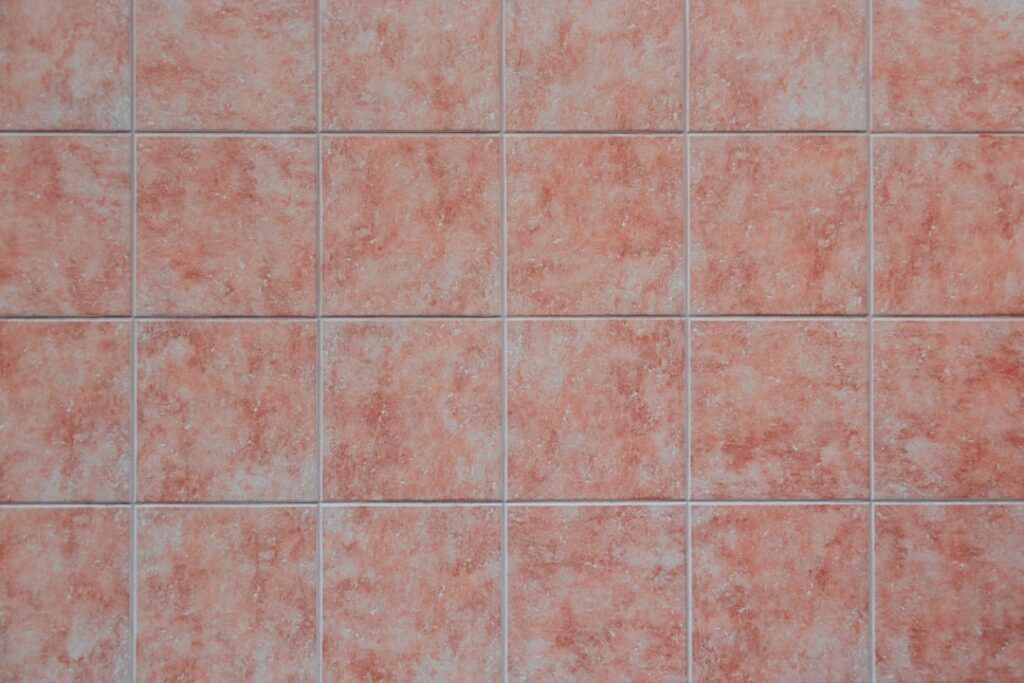
Pull up a worn carpet or peel back a layer of newer flooring in a Front Range home built before the 1980s, and there is a fair chance the original floor underneath is a grid of nine-inch or twelve-inch tiles set in dark adhesive. Many of those floors are vinyl asbestos tile, a once-ubiquitous product that bound asbestos fibers into a durable, inexpensive surface. The good news is that this material, left intact, is among the lower-risk forms of asbestos in a home. The complication is that disturbing it, by sanding, breaking, or scraping, can release fibers. This guide summarizes EPA, CDC, and OSHA guidance current as of 2026; it is informational only, and a certified asbestos professional should make testing and removal decisions while a physician handles any health questions. The sections below cover identification, risk, and safe handling.
Is this mold, asbestos, or water damage? Get a free instant screen
Upload a clear photo of the suspect area. You'll get an instant AI screening opinion and what to do next. This is screening guidance, not a professional determination.
Screening guidance only. AI can be wrong. Confirm asbestos, mold type, or lead with lab testing or a licensed professional before acting.
What Vinyl Asbestos Tile Is
Vinyl asbestos tile, sometimes abbreviated VAT, is a resilient floor tile manufactured from roughly the 1920s through the early 1980s. Makers blended asbestos fibers into a vinyl or asphalt binder to add strength, fire resistance, and dimensional stability, then pressed the mix into thin square tiles. The asbestos let manufacturers produce a cheap, hard-wearing floor, which is why the product covered kitchens, basements, and utility rooms across mid-century housing.
Because the fibers are locked in a hard matrix, intact vinyl asbestos tile is considered non-friable, meaning it cannot easily be crumbled by hand and does not readily release fibers on its own. That property is central to how risk is assessed. The danger is not the tile sitting quietly under your feet; it is what happens when someone grinds, cuts, snaps, or aggressively scrapes it during a renovation. Our explainer on non-friable asbestos covers this distinction in more depth.
The black mastic adhesive beneath the tiles deserves equal attention. Older cutback adhesive, the dark tarry layer that bonded tile to subfloor, frequently contained asbestos as well, and it can be disturbed during tile removal even when the tile itself is left whole.
How to Identify Vinyl Asbestos Tile
Age and size are the first clues. Tiles measuring nine inches square are a strong indicator, because that dimension was standard during the decades when asbestos was common; twelve-inch tiles can also contain it but span both asbestos and later asbestos-free eras. Tiles installed before about 1980 in a home of that vintage warrant suspicion regardless of size.
Appearance offers more hints. Asbestos-era tiles often show muted, greasy-looking colors with streaky or marbled patterns, and they can become brittle with age. The dark, tarry mastic underneath is another telltale sign. None of these visual cues confirm asbestos, though. The fibers are microscopic, and color or pattern alone cannot prove their presence, a point reinforced in our guide to pictures of asbestos floor tiles.
The only reliable way to know is laboratory testing. A certified inspector collects a small sample under controlled conditions and sends it to an accredited lab for analysis by polarized light microscopy. Homeowners should not pry up a piece for testing themselves, because the act of sampling is exactly the kind of disturbance that releases fibers; professional sampling follows containment procedures for a reason.
The Health Risks
Asbestos is a known human carcinogen. Inhaled fibers can lodge deep in lung tissue and, over years or decades, contribute to asbestosis, lung cancer, and mesothelioma, a cancer of the lining around the lungs and abdomen. Federal health agencies are clear that there is no firmly established safe level of exposure, which is why the guidance centers on preventing fiber release rather than tolerating a little.
For intact vinyl asbestos tile, the practical risk to a household is low. Fibers stay bound in the matrix as long as the surface is undisturbed and in good condition. Walking on the floor, even sweeping it, does not generate meaningful airborne fiber. The risk rises sharply only when the tile is broken, sanded, drilled, or torn out, especially with power tools that pulverize the material and the mastic beneath it.
Front Range homeowners renovating a mid-century basement or kitchen are the most likely to encounter this hazard, and the riskiest move is the well-intentioned DIY demolition that turns a stable floor into a cloud of dust. Understanding that distinction, stable equals low risk, disturbed equals real risk, is the heart of handling these floors safely.
Safe Options for Handling It
The default recommendation from health agencies for asbestos materials in good condition is to leave them alone. If the tile is intact and not crumbling, the lowest-risk path is to manage it in place. That often means encapsulating or covering it: laying a new floor over the existing tile, with appropriate underlayment, seals the asbestos beneath a fresh surface without disturbing it. This approach avoids fiber release entirely and is frequently the most cost-effective solution.
When removal is unavoidable, because the tile is failing, the floor must come down to subfloor, or a renovation requires it, the work belongs to a licensed asbestos abatement contractor. Professionals use containment, wetting to suppress dust, specialized vacuums, and proper disposal to keep fibers out of the air and out of the household. They also handle the asbestos-containing mastic that often lurks beneath. The general principles of safe removal are covered in our overview of removing asbestos.
Colorado regulates asbestos work, and disposal must go to an approved facility rather than ordinary trash. A homeowner planning any project that would disturb suspect flooring should budget for testing first and abatement second, and should resist the temptation to save money by ripping it out personally.
When to Test and Call a Professional
Test before any project that would disturb a pre-1980 floor, whether that is a full remodel, a plumbing repair that requires opening the floor, or simply pulling up old tile. Test as well if existing tile is cracking, curling, or shedding pieces, since damaged material is more likely to release fibers. The cost of a lab test is small compared with the cost of an exposure incident or an emergency cleanup after the fact.
Call a certified asbestos inspector for sampling and a licensed abatement contractor for removal. For broader context on how asbestos shows up in older Front Range housing, the pre-1978 housing hazard guide ties flooring into the wider picture of asbestos and lead. The consistent message from EPA and state authorities is that intact tile managed in place is low risk, disturbed tile handled by amateurs is not, and professional testing is the bridge between the two.
The Black Mastic Beneath the Tile
The tile gets most of the attention, but the adhesive underneath often carries equal or greater asbestos risk, and homeowners overlook it routinely. The dark, tarry layer that bonded mid-century tile to the subfloor is commonly called cutback adhesive or black mastic, and it frequently contained asbestos as a binder and filler. A renovation crew can pull up the tiles cleanly only to scrape and grind the mastic that remains, generating exactly the airborne fiber the careful tile removal was meant to avoid.
This matters because the two materials behave differently. A whole tile lifted intact releases little fiber, but mastic is usually removed by scraping, sanding, or chemical softening, all of which can disturb bound asbestos. A homeowner who has heard that intact tile is low risk may assume the floor is handled once the tiles are up, then create the real exposure while clearing the adhesive. Any testing plan for a suspect floor should sample the mastic separately from the tile, because one can contain asbestos while the other does not.
When a floor must come up entirely, the safest approach is to treat the tile and mastic as a single asbestos-containing system and let a licensed contractor handle both. Where the goal is simply to install new flooring, leaving the tile and its mastic undisturbed and laying a new surface over the top sidesteps the adhesive problem completely, which is one more reason encapsulation is so often the preferred path.
Comparing the Options: Encapsulate, Cover, or Remove
Homeowners facing a suspect floor generally have three paths, and weighing them clearly prevents both needless expense and dangerous shortcuts. The first is to leave the tile in place and monitor it. If the floor is intact, sealed, and not in a high-traffic area where it might crack, simply managing it in place and checking periodically for damage is the lowest-cost, lowest-disturbance option that health agencies endorse for material in good condition.
The second is to cover it. Installing a floating floor, a new underlayment and surface, or even carpet over intact tile encapsulates the asbestos beneath a fresh layer without disturbing it. This works well when the existing tile is flat and sound, and it delivers a new floor at a fraction of the cost of abatement. The main caution is to avoid any fastening method, such as nailing through the old tile, that would crack and disturb it; floating or glued-down systems that do not penetrate the tile are preferable.
The third path, full removal, is reserved for floors that are failing, that must come down for structural or plumbing work, or where covering is not feasible. Because removal disturbs both tile and mastic, it is the highest-risk and highest-cost option, and it belongs to a licensed abatement contractor with containment and proper disposal. Framing the decision this way, manage it, cover it, or pay to remove it correctly, keeps a homeowner from defaulting to the most hazardous choice, a weekend of DIY demolition, simply because it looks cheapest at the outset.
What Testing Actually Involves
Homeowners sometimes hesitate to test because they imagine an expensive, disruptive process, when in practice it is quick and inexpensive relative to the stakes. A certified inspector visits, identifies the suspect flooring and any associated mastic, and collects small samples under controlled, dust-suppressing conditions, often wetting the area first and using hand tools rather than power equipment. The samples go to an accredited laboratory, where analysts examine them under polarized light microscopy to identify and quantify any asbestos fibers present.
The result comes back as a clear yes or no, with the percentage and type of asbestos if present, for each material sampled. Because tile and mastic can differ, a thorough inspector samples both, so a homeowner learns whether the hazard lies in the tile, the adhesive, or both. That distinction directly shapes the project plan, since a floor with asbestos-free tile over asbestos-containing mastic still requires care during adhesive removal.
The cost of this testing is modest compared with the price of an exposure incident, an emergency cleanup, or unnecessary abatement of material that turns out to be asbestos-free. For a homeowner planning any project that would disturb a pre-1980 floor, treating the lab test as the mandatory first step, before any tile is lifted, converts an anxious guessing game into a documented basis for choosing among managing, covering, or removing the floor. It also creates a paper record that can matter later, whether for a future renovation, a disclosure during a sale, or simply the peace of mind of knowing exactly what is underfoot in an older home.
Vinyl asbestos tile sits at the reassuring end of the asbestos spectrum for one reason: left intact, it is among the lower-risk materials a home can contain, and homeowners have genuine, affordable choices for living with it safely. The trouble arises almost entirely from the impulse to tear it out quickly and cheaply. By understanding that the tile and its mastic are stable while undisturbed and dangerous mainly when broken or ground up, a homeowner can make a calm, informed decision rather than a hasty one, and can keep a routine flooring project from becoming a fiber-release event.
References
- Protect Your Family from Exposures to Asbestos — U.S. Environmental Protection Agency
- Asbestos Exposure and Health Effects — Centers for Disease Control and Prevention
- Asbestos Regulations and Abatement — Colorado Department of Public Health and Environment
Front Range homeowners planning a renovation in a pre-1980 home can connect with a vetted local inspector before disturbing any suspect flooring by reaching out through our contact page.
Asbestos test kits
Asbestos can only be confirmed by a lab. A mail-in kit gets you a sealed sample container and accredited analysis — never sand or disturb suspect material first.
| Product | Why | Buy |
|---|---|---|
 Asbestos Test Kit (mail-in lab) Asbestos Test Kit (mail-in lab) | Includes PPE + sealed mailer. | Amazon — $34.99 |
| Pro-Lab Asbestos Test Kit | Widely available; lab fee separate. | Amazon — $34.99 |