Removing Asbestos: What Homeowners Need to Know
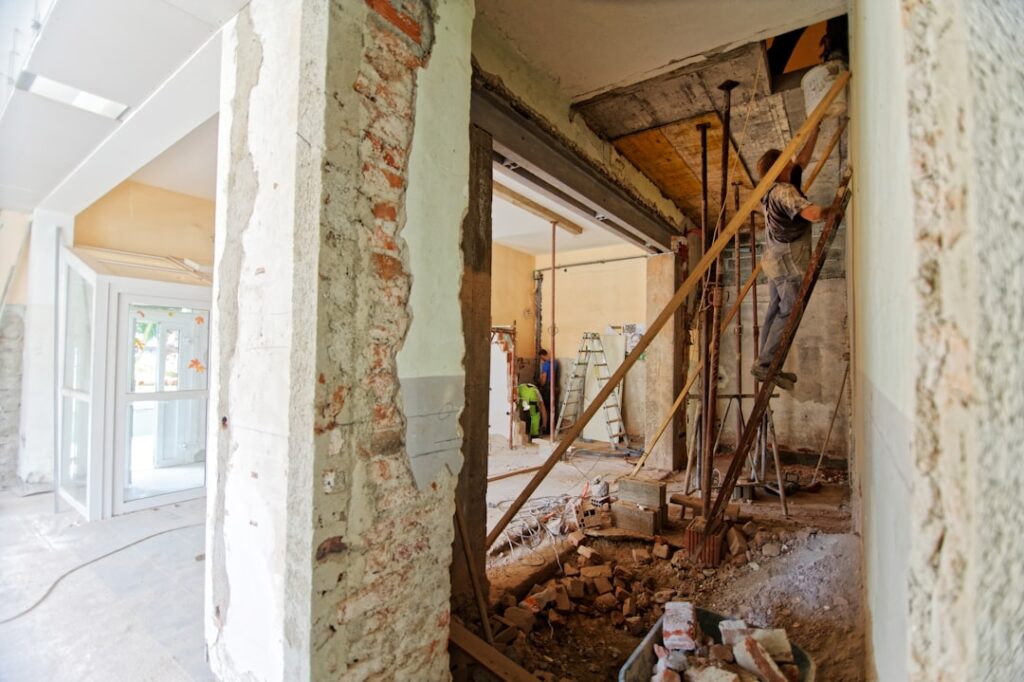
When a renovation stalls because a contractor suspects asbestos, or when old insulation starts crumbling in a basement, the obvious instinct is to get rid of it. But removing asbestos is not a weekend project, it is a regulated, hazardous undertaking that, done wrong, releases far more fiber into a home than leaving the material alone would. This guide summarizes EPA, OSHA, and CDC guidance current as of 2026 to explain when removal is actually necessary, how the professional process works, and why do-it-yourself removal is so strongly discouraged; it is general information rather than a diagnosis, and any decision about testing or abatement should rest with a certified asbestos professional.
Part of our Asbestos in the Home guide — start there for the full picture →
Is this mold, asbestos, or water damage? Get a free instant screen
Upload a clear photo of the suspect area. You'll get an instant AI screening opinion and what to do next. This is screening guidance, not a professional determination.
Screening guidance only. AI can be wrong. Confirm asbestos, mold type, or lead with lab testing or a licensed professional before acting.
Does asbestos always need to be removed?
No. Asbestos does not always need to be removed, and the EPA’s general guidance is that intact, undisturbed asbestos-containing material is often safest left in place. Asbestos is a hazard only when fibers become airborne and can be inhaled, so material that is bonded, sealed, and undamaged frequently poses little risk where it sits.
Removal becomes the right answer in specific situations: when the material is friable and deteriorating, when it will be disturbed by a renovation or demolition, or when damage has already begun releasing fibers. The decision turns on the material’s condition and on whether it will be disturbed, not on the mere presence of asbestos. Sometimes encapsulation or enclosure, sealing the material or covering it behind a barrier, is a valid alternative to removal. Our guide to asbestos encapsulation explains when sealing makes more sense than tearing out, and the condition distinction is laid out in our piece on non-friable asbestos.
When removal is the right call
Several scenarios shift the answer toward removal, and recognizing them helps homeowners plan.
Renovation and demolition
Any project that will cut, drill, sand, or tear out building materials in a pre-1980 home can disturb hidden asbestos. When asbestos-containing material lies in the path of planned work, it must be safely removed or otherwise managed before the work proceeds. This is the most common trigger for residential removal.
Deteriorating or damaged material
Friable material that is crumbling, water-damaged, or already shedding dust is actively capable of releasing fibers. Insulation that is flaking, pipe wrap that is falling apart, or tile and mastic breaking up are candidates for professional removal because their condition makes “leave it alone” untenable.
Regulatory or transaction requirements
Sometimes a lender, an insurer, or a renovation permit requires that identified asbestos be addressed. In these cases removal or documented management by a certified firm satisfies the requirement and creates a record.
How professional asbestos removal works
Professional abatement follows a controlled sequence designed to keep fibers from spreading, and understanding it shows why the work is exacting. A certified abatement contractor first confirms the material through testing, then prepares the area by sealing it off with plastic sheeting, posting warnings, and shutting down the HVAC system so fibers cannot travel through ducts.
Workers wear respirators and protective suits, wet the material to suppress dust, and remove it carefully rather than breaking it up. The waste is double-bagged in labeled, sealed containers and disposed of at facilities permitted for asbestos. After removal, the crew performs HEPA vacuuming and wet cleaning, and clearance air sampling by an accredited lab confirms the space is safe to reoccupy. OSHA’s standards mandate these protections for workers, and the EPA and state rules govern containment and disposal. The contrast with sweeping up dry debris could not be sharper: the entire point is to capture fibers, not scatter them. For perspective on how long fibers linger after any disturbance, our guide on how long asbestos stays in the air reinforces why containment matters.
Why DIY asbestos removal is so risky
The strongest message from every health authority is that homeowners should not attempt to remove asbestos themselves. The risk is not theoretical: dry removal, ordinary tools, and household vacuums all generate and spread respirable fibers that can remain airborne for hours and contaminate a home long after the work is done.
Several factors make DIY removal especially dangerous. Homeowners lack the containment, negative-air equipment, and HEPA filtration that keep fibers from spreading. Disposal of asbestos waste is regulated, and improper dumping is both illegal and a hazard to others. And without clearance testing, there is no way to confirm the area is actually clean, leaving the family to breathe whatever fibers remain. The CDC links asbestos inhalation to serious diseases including asbestosis, lung cancer, and mesothelioma, conditions with long latency, meaning today’s careless exposure can surface decades later. The cost of professional abatement, while real, buys containment, proper disposal, and documented clearance, protections that simply cannot be replicated with a dust mask and a trash bag. Our pre-1978 housing hazard guide places these decisions in the broader context of older-home safety.
Where asbestos commonly hides before removal
Deciding whether removal is needed starts with knowing where asbestos is likely to be, because the answer often depends on the specific material and its condition. Pre-1980 homes can contain asbestos in a long list of components, and a renovation that touches any of them may trigger the question.
Insulation and pipe wrap
Boiler and pipe insulation, and some attic and wall insulation, were prime asbestos applications. This material is frequently friable, especially when aged, which moves it toward the removal end of the spectrum if it is deteriorating or in the path of work.
Flooring and mastic
Vinyl and asphalt floor tile, the mastic adhesive beneath, and some sheet flooring backings contained asbestos. These are usually non-friable when intact, so they may be candidates for leaving alone or encapsulating rather than aggressive removal, unless demolition is planned.
Ceilings, walls, and exterior
Textured “popcorn” ceilings, joint compound, plaster, cement siding, and roofing all appear on the list. Each varies in friability and condition, which is why testing and a professional judgment, rather than a blanket rule, guides the removal decision. The condition principle is detailed in our guide to non-friable asbestos.
Encapsulation and enclosure as alternatives
Removal is not the only way to manage asbestos, and in many situations sealing or covering the material is safer and more economical than tearing it out. Two alternatives deserve consideration alongside removal.
Encapsulation applies a specialized coating that penetrates or bridges the material, binding the fibers so they cannot become airborne. It suits intact material in reasonable condition, such as certain insulation or coatings, and avoids the fiber release that removal inherently risks. Enclosure, by contrast, builds a durable barrier, new drywall, paneling, or flooring, over the asbestos, physically separating it from the living space. Both leave the asbestos in place but neutralize the immediate hazard, and both must be documented so future owners and renovators know the material remains behind the barrier.
The trade-off is that encapsulation and enclosure are management strategies, not permanent elimination; the asbestos stays put and must not be disturbed later. Removal permanently eliminates the material but generates the most fiber risk during the work, which is why it demands full containment. A certified professional weighs the material’s condition, the planned use of the space, and cost to recommend the right approach. Our coverage of asbestos encapsulation explores when sealing beats removal in more depth.
The regulatory framework behind safe removal
Asbestos removal is heavily regulated because the consequences of doing it wrong fall on occupants and neighbors, not just the worker. Federal rules under the EPA and OSHA, along with state and local requirements, govern who may perform abatement, how the work area must be contained, what protective equipment workers wear, and how asbestos waste must be packaged, transported, and disposed of at permitted facilities.
For homeowners, the relevant implications are practical. Certified abatement firms know and follow these rules; an uncertified handyman or a DIY effort almost certainly will not, and improper disposal of asbestos waste is both illegal and a hazard to others. Notification requirements may apply to certain projects, and clearance air sampling by an accredited party provides the documented proof that the work succeeded. The regulatory weight is not bureaucratic excess; it reflects the long-latency diseases the CDC links to asbestos and the reality that a botched removal can contaminate a home far more than the original intact material ever would. Treating the rules as a floor for safety, rather than an obstacle, is the mindset that keeps a project legitimate.
Planning removal in a Front Range home
For homeowners in Denver and the older Front Range communities, where mid-century housing is common, a sensible sequence keeps a project both safe and on schedule:
- Test before you touch. Have suspect materials sampled by a certified professional before any renovation begins.
- Decide management strategy. Based on condition and project scope, choose removal, encapsulation, or leaving intact material in place.
- Hire certified abatement. If removal is needed, use a licensed abatement contractor, not a general handyman.
- Insist on clearance testing. Confirm the space is safe through independent air sampling before reoccupying.
- Keep documentation. Records of testing, abatement, and clearance support resale and peace of mind.
The throughline is that timing and testing protect you. Disturbing asbestos before you know it is there is the worst outcome, while testing first lets you plan around it calmly. Removing asbestos is sometimes the right answer and sometimes unnecessary, but it is never a job to improvise. When in doubt, the safe and economical move is to leave intact material undisturbed and bring in a certified professional to assess what, if anything, needs to go.
What happens after removal: cleanup and clearance
Removing the material is only part of a proper abatement; the cleanup and verification that follow are what actually make a space safe. Once the asbestos is taken out, the work area still holds fibers on surfaces and in the air, and a disciplined process captures them rather than leaving the family to breathe whatever remains.
Cleanup relies on methods that capture rather than scatter fibers. Crews use HEPA-filtered vacuums and wet wiping to collect settled fibers, repeating the process across surfaces within the containment. Dry sweeping and ordinary vacuums are never used, because they fail to capture respirable fibers and instead launch them back into the air. The waste from cleanup, like the removed material, is bagged and disposed of as regulated asbestos waste.
Verification is the final and decisive step. Clearance air sampling, collected after cleanup and analyzed by an accredited lab, confirms that fiber levels meet the standard for safe reoccupancy. This is the answer to the question appearance can never settle, because respirable fibers are invisible and a clean-looking room can still hold them. Only when clearance testing passes is the containment removed and the space returned to use. For a homeowner, insisting on documented clearance, ideally performed by a party independent of the removal crew, is the proof that the project succeeded. The contrast with a DIY effort is stark: a homeowner removing asbestos with a dust mask and a trash bag has no containment, no HEPA cleanup, and no clearance testing, leaving no way to know whether the home is actually safe. That gap is the core reason every health authority steers homeowners toward certified professionals for anything beyond leaving intact material undisturbed.
The documentation that comes out of a proper abatement has lasting value beyond the immediate safety it confirms. Records of the testing, the methods used, and the passing clearance results support a future home sale, satisfy lenders or insurers who ask about asbestos, and give the next owner confidence that the material was handled correctly. A DIY removal leaves no such record and no proof of safety, which can become a liability when the home changes hands. Professional abatement buys both a safe result and the paperwork that demonstrates it.
References
- Protect Your Family From Exposures to Asbestos — U.S. Environmental Protection Agency
- Asbestos Removal Standards and Controls — Occupational Safety and Health Administration
- About Asbestos and Health Risks — Centers for Disease Control and Prevention
Frequently asked questions
Does asbestos always need to be removed?
No. The EPA advises that intact, undisturbed asbestos-containing material is often safest left in place. Removal is warranted when the material is friable and deteriorating, when a renovation will disturb it, or when damage has already begun releasing fibers.
Can I remove asbestos myself?
Health authorities strongly advise against it. DIY removal lacks containment, HEPA filtration, and clearance testing, and dry methods spread fibers that can linger for hours. Asbestos waste disposal is also regulated, so certified professionals should perform removal.
How does professional asbestos removal work?
A certified contractor confirms the material by testing, seals the area, shuts down the HVAC, wets the material to suppress dust, removes it carefully, double-bags the waste for permitted disposal, then HEPA-cleans and verifies safety with clearance air sampling.
Is encapsulation an alternative to removal?
Yes, in some cases. Sealing the material or enclosing it behind a barrier can be a valid alternative when the asbestos is intact and not in the path of disturbance. A certified professional can advise whether encapsulation or removal fits a given situation.
If you are planning a renovation in an older Front Range home and suspect asbestos, a vetted local inspector can arrange testing before any work begins. Reach out through our contact page to connect with a qualified Colorado professional.