Pictures of Asbestos Floor Tiles: A Homeowner Guide
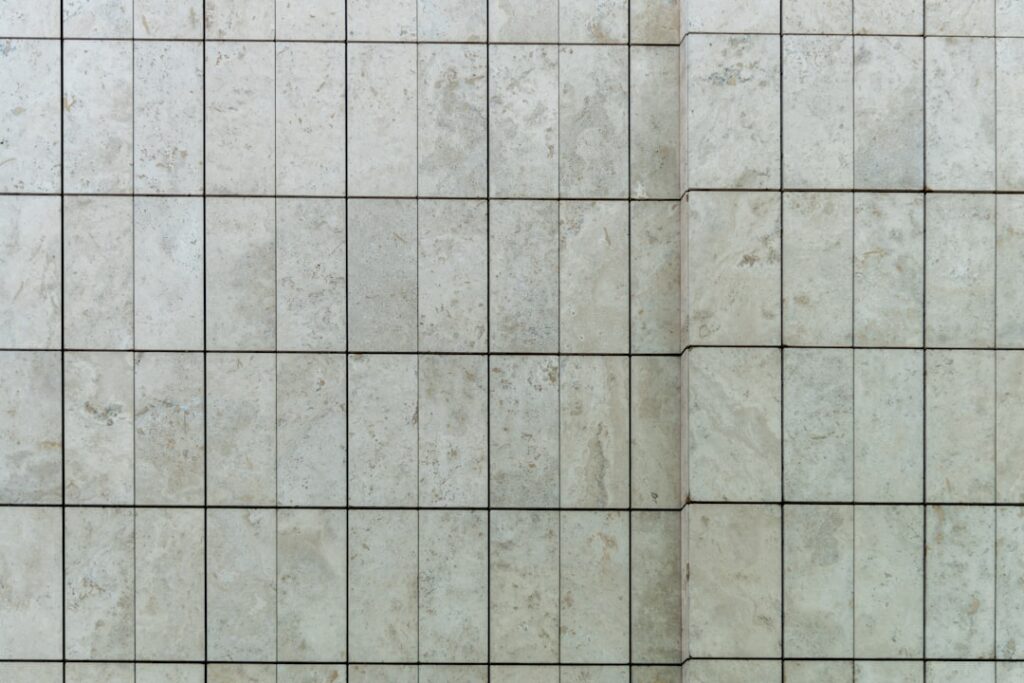
Homeowners renovating an older house often search for pictures of asbestos floor tiles, hoping to match what is underfoot against a photo and settle the question quickly. Images can help you recognize the era, size, and style of suspect flooring, but a photograph alone can never confirm whether a tile contains asbestos. This guide explains what those pictures typically show, why visual matching falls short, and how to handle suspect tiles safely. It summarizes EPA and CDC guidance current as of 2026 and is educational only; it does not diagnose your floor or replace laboratory testing and advice from a certified asbestos professional.
Part of our Asbestos in the Home guide — start there for the full picture →
Is this mold, asbestos, or water damage? Get a free instant screen
Upload a clear photo of the suspect area. You'll get an instant AI screening opinion and what to do next. This is screening guidance, not a professional determination.
Screening guidance only. AI can be wrong. Confirm asbestos, mold type, or lead with lab testing or a licensed professional before acting.
What Do Pictures of Asbestos Floor Tiles Usually Show?
Most photographs of asbestos-containing flooring share a few recurring traits. The classic example is a nine-by-nine-inch vinyl-asbestos tile, a size that strongly hints at older manufacturing because the standard later shifted to twelve-by-twelve inches. The tiles often appear in muted, dated color palettes: greasy grays, dusty greens, beiges, dark reds, and speckled or marbled patterns meant to hide wear. Many sit over a dark, brittle adhesive known as black mastic, itself a frequent asbestos source.
Pictures may also show sheet flooring rather than individual tiles, since some linoleum-style products used asbestos backing or filler. Edges that are cracking, curling, or powdering are common in the images because age and moisture break down the tile surface. While these visual cues are consistent across many photos, they describe possibility, not proof. A nine-inch tile in a 1960s basement is a strong candidate, yet plenty of similar-looking tiles contain no asbestos at all.
Common Sizes, Patterns, and Eras
Vinyl-asbestos tile was widely installed from the 1920s through the early 1980s, with heavy use in mid-century homes. The nine-by-nine size is the most cited red flag, though twelve-by-twelve tiles from the transition years can also contain asbestos. Manufacturers offered solid colors and elaborate marbled or terrazzo-look patterns, and many tiles have a faint, oily sheen because asphalt or vinyl binders carried the asbestos fibers.
On the Colorado Front Range, ranch homes and split-levels built in Denver, Adams, and Jefferson counties during the postwar boom frequently used these economical tiles in basements, kitchens, and utility rooms. The presence of layered flooring is common: homeowners often laid new vinyl or laminate directly over old asbestos tile, so a modern surface can conceal an older one beneath. For a closer look at related sheet products, our guide on asbestos linoleum covers the flooring family that overlaps with tile.
Why Pictures Cannot Confirm Asbestos
Asbestos fibers measure only microns across and are completely invisible in any photograph. Two tiles that look identical can differ entirely in content, because manufacturers changed formulas over time and across product lines. Color, pattern, and even size only narrow the odds; they never deliver a yes or no. Relying on a photo match can lead to two bad outcomes: needless panic over a harmless tile, or dangerous complacency about a tile that genuinely contains asbestos.
The only reliable method is laboratory analysis of a physical sample, typically by polarized light microscopy at an accredited lab. The EPA and CDC both stress testing over visual judgment for exactly this reason. Appearance can also mislead because dirt, wax buildup, and decades of foot traffic alter a tile’s look. If you want to understand why the eye is such a poor judge here, our explainer on what color asbestos appears makes the point clearly.
Health Risks From Asbestos Floor Tiles
Asbestos floor tiles fall into the non-friable category when intact. The fibers are bound inside a hard vinyl or asphalt matrix, so a sealed, well-maintained tile floor releases very little into the air. Risk climbs when tiles are sanded, drilled, scraped, cut, or smashed during removal, because those actions break the matrix and free respirable fibers. The CDC and the National Cancer Institute connect inhaled asbestos to asbestosis, lung cancer, and mesothelioma, diseases that develop over long periods rather than from a single brief contact.
There is no established safe level of asbestos exposure, so the sensible aim is to keep fibers locked in the tile and out of the air. Black mastic deserves special attention, since the adhesive often contains asbestos and is disturbed during any tile removal. Homeowners who scrape old mastic with power tools can create significant airborne contamination. Cumulative exposure links to disease over a long timeline rather than from a single brief contact.
How to Test Suspect Floor Tiles Safely
Testing starts with collecting a small sample without spreading fibers. A certified inspector dampens the tile, removes a quarter-sized piece including some adhesive, seals it in a labeled bag, and sends it to an accredited laboratory. Some homeowners collect their own samples where local rules allow, but doing so safely requires wetting the material, wearing a fitted respirator, sealing the area, and cleaning up with a HEPA vacuum rather than a broom. Many people prefer to hire a professional precisely to avoid those steps.
Lab results report whether asbestos is present, the type, and the rough percentage. That information guides every later decision, from leaving the floor in place to scheduling abatement. Because Colorado and many other states regulate who may sample and abate regulated asbestos materials, checking state health department rules before collecting anything is wise. Never rely on a home photo comparison in place of a lab result, no matter how close the match appears.
What Not to Do With Suspect Tiles
Several common renovation habits are exactly what agencies warn against. Do not sand, grind, or dry-scrape old tile or mastic. Do not use a rotary buffer or aggressive stripper on a suspect floor. Do not break tiles into pieces for easier disposal, and do not sweep dry debris, which sends fibers airborne. Do not place suspected asbestos flooring in ordinary trash, since most jurisdictions require specialized disposal. When uncertain, stop work and test before going further.
Removal, Encapsulation, and Covering Options
When tests confirm asbestos, homeowners generally have three paths. The first is leaving intact tile in place and monitoring it, which the EPA often favors for undisturbed flooring. The second is encapsulation or covering, where a new floor goes over the sealed tile without disturbing it; many homeowners install underlayment and laminate or luxury vinyl plank above the original layer. The third is full removal by a licensed abatement contractor, who wets the material, lifts tiles whole, controls the work area, and disposes of waste at an approved facility under OSHA worker-protection rules.
Covering is popular because it avoids fiber release and costs far less than abatement. Full removal becomes necessary when the floor is failing, when the subfloor needs repair, or when a buyer or lender requires it. Each option carries different costs and trade-offs, and a professional assessment helps match the choice to the floor’s condition. For homeowners weighing a larger project, our broader asbestos and lead housing-hazard guide puts flooring decisions in context with other legacy materials.
Why Manufacturers Used Asbestos in Flooring
The reasons asbestos appeared in flooring mirror its use elsewhere in the home. Manufacturers wanted floor tiles that were durable, dimensionally stable, fire-resistant, and inexpensive, and asbestos fibers delivered all of that. Blended into a vinyl or asphalt binder, the fibers reinforced the tile so it resisted cracking under foot traffic and held its shape through temperature swings. The result was an affordable, long-wearing floor that suited the budget-conscious construction of the mid-twentieth century, which is exactly why it spread through so many kitchens, basements, and utility rooms.
That durability is a double-edged trait today. The same qualities that made the tiles last for decades mean millions of them remain in service, often beneath newer flooring. Because the asbestos is bound in a hard matrix, an intact floor poses limited risk, but the tiles’ longevity guarantees that homeowners keep encountering them during renovations. Recognizing the historical reasons behind the material helps explain why a search for pictures so often turns up the same recurring sizes and dated patterns from a fairly narrow window of manufacturing years.
Encapsulation and Covering in More Detail
For many homeowners, covering an intact asbestos floor is the most practical option, and it deserves a closer look. The principle is to leave the tiles undisturbed and install a new surface above them, so the asbestos stays locked in place and sealed away from living space. Common approaches include laying a floating floor such as laminate or luxury vinyl plank over an underlayment, or installing a new subfloor layer that the new finish attaches to. The key is to avoid sanding, grinding, or aggressively prepping the old tile during the process.
Covering works because non-friable tile that is never disturbed releases very few fibers. It also costs far less than full abatement and can be completed faster, which appeals to homeowners on a budget or timeline. The trade-off is that the asbestos remains in the home, so future renovations must account for it, and disclosure obligations may still apply at sale. Documenting that a known asbestos floor was covered rather than removed gives future owners the information they need to make safe decisions. When covering is not feasible, perhaps because the floor is failing or the subfloor needs repair, removal by a licensed contractor becomes the appropriate route.
How Inspectors Approach Suspect Flooring
During a home inspection, an inspector who spots older tile in a pre-1990 home will typically note it as a possible asbestos-containing material rather than declaring it asbestos. The standards of practice treat material identification of this kind as outside the routine visual scope, so the inspector flags it for the buyer’s awareness and recommends testing if the buyer plans to disturb it. This conservative approach protects buyers from both false alarms and false comfort, and it points them toward the laboratory analysis that can actually settle the question.
Front Range Considerations for Older Flooring
Colorado’s housing stock includes many postwar homes that used economical flooring during construction. Ranch homes and split-levels across Denver, Adams, Arapahoe, and Jefferson counties from the 1950s through the 1970s frequently feature basement and utility-room tile that fits the asbestos-era profile. Basements are especially relevant because they were often finished cheaply with vinyl-asbestos tile and because they are common renovation targets, which means disturbance is likely during a remodel.
Homeowners planning a basement refinish, a kitchen remodel, or a flooring replacement in an older Front Range home should factor in the possibility of asbestos tile and the black mastic beneath it. Testing before demolition is inexpensive insurance against contaminating the home during a project. Buyers evaluating an older property can fold these questions into their inspection planning, since the mineral once appeared in a surprisingly wide range of household products.
Documenting and Disclosing Asbestos Flooring
Whether a homeowner removes, covers, or leaves asbestos flooring in place, keeping records matters. A laboratory result confirming asbestos, along with any abatement paperwork or documentation that a floor was covered rather than removed, becomes valuable at resale. Many states require sellers to disclose known asbestos-containing materials, and a clear paper trail supports honest disclosure while protecting the seller from later disputes. Buyers, in turn, benefit from knowing exactly what lies beneath a newer floor so they can plan future renovations safely.
This documentation also guides anyone who works on the home later. A contractor planning to install new flooring or repair a subfloor needs to know an asbestos layer is present so they can take proper precautions rather than discovering it mid-demolition. Labeling the condition in home records, and informing tradespeople before work begins, prevents accidental disturbance. Treating confirmed asbestos flooring as a documented, managed feature of the home, rather than a forgotten hazard, is the responsible long-term approach.
When to Call a Professional
Bring in a certified inspector or licensed abatement contractor before disturbing any suspect flooring in a pre-1990 home. That includes planned tile removal, subfloor repairs, water damage that has loosened tiles, and renovations that require cutting through the floor. A professional can sample safely, interpret lab results, recommend whether covering or removal makes more sense, and perform regulated abatement when needed. Given the health stakes and the disposal rules, expert help is the dependable route, and far safer than acting on a photo match alone.
References
- Protect Your Family From Exposures to Asbestos — U.S. Environmental Protection Agency
- Asbestos Exposure and Health Effects — Centers for Disease Control and Prevention
- Asbestos Standards for Construction Work — Occupational Safety and Health Administration
- Colorado Asbestos Regulations — Colorado Department of Public Health and Environment
Frequently asked questions
Can I identify asbestos floor tiles from a picture?
Pictures can show telltale sizes like nine-by-nine inches and dated patterns, but they cannot confirm asbestos. Fibers are microscopic and invisible in photos. Only laboratory analysis of a physical sample can confirm whether a tile contains asbestos.
What size are most asbestos floor tiles?
The classic asbestos vinyl tile measures nine by nine inches, a size that strongly suggests older manufacturing. Some twelve-by-twelve tiles from the transition era can also contain asbestos, so size narrows the odds but does not prove anything.
Is it safe to leave asbestos floor tiles in place?
Intact, undisturbed tiles are non-friable and release few fibers, so the EPA often supports leaving them in place or covering them. The risk rises sharply during sanding, scraping, or removal, which break the matrix and release fibers.
What is the black glue under old tiles?
That dark adhesive is often called black mastic, and it frequently contains asbestos. Scraping or grinding it can release fibers, so it should be tested and handled with the same caution as the tiles themselves.
If you are renovating an older Front Range home and want a vetted inspector to look at suspect flooring before you start, reach out through our contact page to get connected locally.
Asbestos test kits
Asbestos can only be confirmed by a lab. A mail-in kit gets you a sealed sample container and accredited analysis — never sand or disturb suspect material first.
| Product | Why | Buy |
|---|---|---|
 Asbestos Test Kit (mail-in lab) Asbestos Test Kit (mail-in lab) | Includes PPE + sealed mailer. | Amazon — $34.99 |
| Pro-Lab Asbestos Test Kit | Widely available; lab fee separate. | Amazon — $34.99 |