Asbestos Insulation Pictures: What Homeowners Know
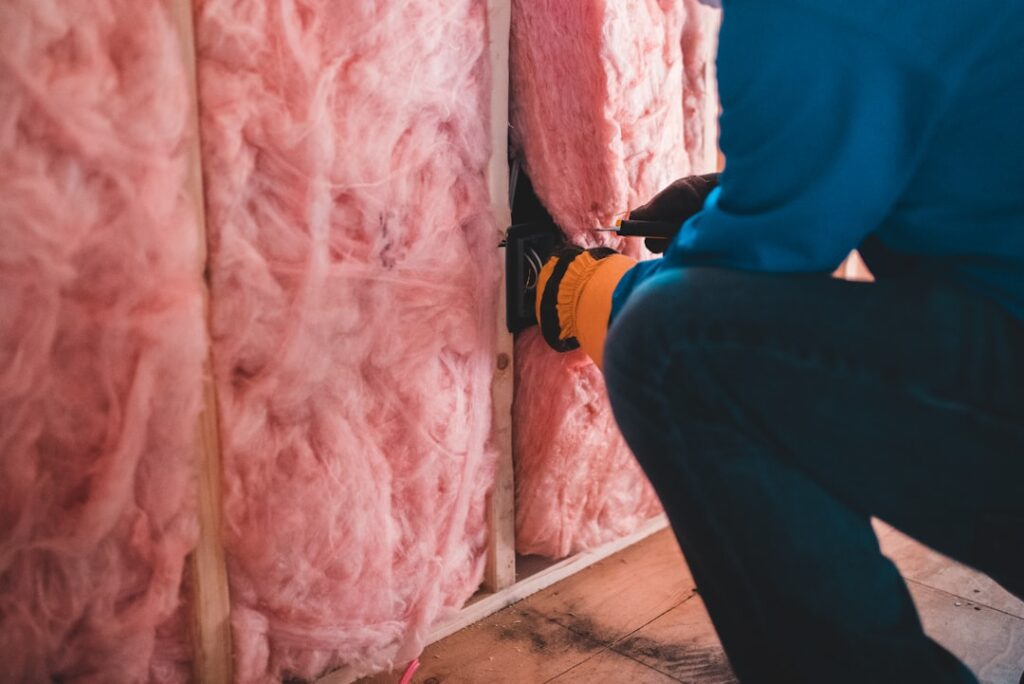
Homeowners searching for asbestos insulation pictures usually have a specific worry: they have opened an attic hatch, pulled back a wall panel, or found loose material around old pipes and want to know if it is dangerous. Photos can help you flag suspect material, but they cannot confirm asbestos. Visual identification has real limits, and only a laboratory test settles the question. This guide explains what the common types of asbestos-containing insulation look like, where they hide in pre-1980 homes, and what to do when a picture raises a flag. It summarizes EPA, CDC, and OSHA guidance current as of 2026 and is general information, not a substitute for professional testing.
Is this mold, asbestos, or water damage? Get a free instant screen
Upload a clear photo of the suspect area. You'll get an instant AI screening opinion and what to do next. This is screening guidance, not a professional determination.
Screening guidance only. AI can be wrong. Confirm asbestos, mold type, or lead with lab testing or a licensed professional before acting.
What asbestos insulation looks like in pictures
There is no single look. Asbestos was added to many insulation products, so the visual cues depend on the type. The clearest example most pictures show is vermiculite attic insulation: small, pebble-like granules in shades of gray-brown, gold, or silver that pour and shift like gravel. Pipe and boiler insulation often appears as a chalky white or gray wrap, sometimes with a corrugated cardboard-like texture or a plaster-style coating on elbows and joints.
Loose-fill and block insulation can look fluffy or fibrous, and that is exactly why photos mislead people. Modern fiberglass and cellulose can resemble older asbestos products at a glance. The presence of these visual traits raises suspicion; it never proves anything.
Vermiculite: the most photographed culprit
Most asbestos insulation pictures online show vermiculite, and for good reason. A large share of vermiculite sold for attics in the United States came from a mine in Libby, Montana, that was contaminated with asbestos. The granules are lightweight, accordion-shaped under magnification, and sit loose between joists rather than in batts or rolls.
If your attic holds loose granular material rather than pink or yellow batts, treat it as suspect until tested. Our companion guide on what vermiculite is covers its history in detail, and the piece on vermiculite and asbestos explains the Libby connection.
Pipe and duct insulation
In basements and crawlspaces of older Front Range homes, pictures often show white or gray insulation wrapped around heating pipes and boilers. This material, sometimes called “air-cell” or “85 percent magnesia” insulation, frequently contained asbestos. It can look like papery layers, a hard plaster shell, or a tape-wrapped sleeve.
Damaged or crumbling pipe insulation is the bigger concern. When this material is friable, meaning it can be crushed by hand, it releases fibers easily. Intact, undisturbed insulation is far less hazardous than the same material flaking onto the floor.
Why pictures alone cannot confirm asbestos
Asbestos fibers are microscopic. The features that distinguish asbestos from harmless mineral wool or fiberglass are only visible under a polarized-light or electron microscope. A photo, no matter how clear, cannot show fiber type. The EPA and CDC are consistent on this point: visual inspection identifies suspect materials, and lab analysis confirms them.
This is why comparing your attic to online asbestos insulation pictures is a starting point, not an answer. Two materials that look identical in a photo can have completely different fiber content. For an overview of how appearance and testing relate, see our asbestos insulation guide.
Where asbestos insulation hides in older homes
Beyond attics and pipes, asbestos insulation turned up in several spots. It was sprayed onto ceilings and structural steel as fireproofing. It was packed behind walls and around furnaces and boilers. It appeared in older HVAC duct wrap and in some wall and block-fill products.
Homes built before 1980 are the highest concern, and anything built before the late 1970s should be treated cautiously. Renovations are the riskiest moment, because tearing out walls or removing old insulation can disturb fibers that were stable for decades. If you are planning work in a pre-1980 home, identify suspect materials before demolition begins.
How to safely document suspect material
If you want to photograph suspect insulation, do it without disturbing it. Keep your distance, avoid touching or moving the material, and do not vacuum or sweep loose granules. Disturbance is what releases fibers. Take clear, well-lit photos from a few feet away rather than poking at the material to get a close-up.
Wear an appropriate respirator if you must enter a confined space with suspect material, and limit your time there. Children and pets should stay out of any area with damaged asbestos-containing insulation until it has been assessed.
Getting a sample tested
Confirmation comes from a lab. A certified professional collects a small sample using proper containment and submits it for analysis, usually by polarized light microscopy. DIY sample collection is possible in some areas but carries exposure risk and is often discouraged for friable materials like loose vermiculite.
Testing is inexpensive relative to the stakes. A handful of samples can confirm whether the material in your attic or basement contains asbestos, which determines everything about how you handle, encapsulate, or remove it.
What to do if a test comes back positive
A positive result does not mean immediate danger. Intact, undisturbed asbestos insulation can often be left in place and monitored, or encapsulated. The hazard rises when material is friable, damaged, or about to be disturbed by renovation. In those cases, removal by a licensed abatement contractor is the safe path.
Never attempt to remove friable asbestos insulation yourself. Improper removal spreads fibers throughout the home and creates a worse problem than the original. For broader context on the pre-1978 hazard landscape, the asbestos and lead hub ties the pieces together.
Why online pictures can mislead more than help
There is a real downside to relying on image searches. Many photos labeled “asbestos insulation” online are mislabeled, generic, or show only one of dozens of possible products. A homeowner who matches their attic to a single dramatic picture of crumbling pipe wrap may wrongly conclude they are safe because their material looks different, when in fact they have suspect vermiculite. Conversely, harmless mineral wool is frequently mistaken for asbestos because it looks fibrous and old.
Pictures also flatten the most important variable: condition. A photo cannot convey whether material is friable, whether it is shedding, or whether it has been disturbed. Two visually identical wraps can carry completely different risk depending on whether one is intact and painted and the other is flaking onto the floor. Use images to build a watch-list of suspect materials, then let testing and a professional eye settle the question.
What different asbestos products look like up close
It helps to know the variety beyond vermiculite and pipe wrap. Spray-applied fireproofing, common on ceilings and structural steel in older multifamily and commercial buildings, often appears as a rough, popcorn-like or fibrous coating. Block and board insulation around furnaces can look like rigid gray or white panels. Old HVAC duct insulation sometimes shows a corrugated paper or cloth-like wrap. Cement-asbestos products, by contrast, are hard and dense rather than fluffy.
None of these can be confirmed visually, but recognizing the categories helps you decide what to sample. A home built before 1980 may hold several of these products in different locations, which is why a whole-home survey is more useful than fixating on one suspect spot. The companion guide on asbestos attic insulation goes deeper on the loose-fill category specifically.
Health risks behind the pictures
The reason all this care matters is the health stakes. Inhaled asbestos fibers can lodge in lung tissue and, over years or decades, contribute to serious diseases including asbestosis, lung cancer, and mesothelioma. The CDC notes there is no established safe level of asbestos exposure, and risk rises with both the intensity and duration of exposure. Smoking dramatically multiplies the lung-cancer risk for people exposed to asbestos.
What this means in practice is that the worst outcomes come from repeated disturbance over time, not from glancing at a photo or briefly entering an attic. The goal of identification is to prevent the kind of ongoing fiber release that drives long-term risk. Treating suspect material with respect, leaving it undisturbed and testing before any work, is how homeowners keep that risk near zero.
When pictures justify professional testing
Not every old material needs a lab test, but certain visual cues should move you from “watching” to “testing.” Loose, pebble-like granular fill in an attic is the clearest trigger, because the odds it is asbestos-laced vermiculite are high enough that the EPA advises assuming so until proven otherwise. Crumbling, flaking, or water-damaged pipe and boiler wrap is another, because deterioration means fibers may already be releasing. Any suspect material in an area you plan to renovate also warrants testing before work begins.
On the other hand, intact pink or yellow fiberglass batts, clearly modern blown cellulose with a paper-fiber look, and obviously recent spray foam are not asbestos concerns and rarely justify testing. The judgment is about probability and condition: high-probability products in poor condition or in the path of a renovation get tested first. A certified inspector can walk the home, prioritize the suspect spots, and sample efficiently rather than testing everything indiscriminately, which keeps cost reasonable while covering the genuine risks.
How professionals actually identify the material
When a sample reaches the lab, technicians use polarized light microscopy, often the first-line method, to examine fiber shape, color, and optical properties. For materials with very fine or low concentrations of fibers, transmission electron microscopy provides higher sensitivity. These methods can distinguish chrysotile, amosite, and crocidolite asbestos from harmless mineral fibers, something no photograph can do.
The lab report typically states whether asbestos is present, the type, and the approximate percentage. That percentage matters, because regulations and handling requirements often hinge on whether a material exceeds defined thresholds. This is the level of detail homeowners are really after when they search for pictures, and it is only available through analysis. A clear report turns guesswork into a concrete plan, whether that plan is to leave the material alone, encapsulate it, or remove it.
Documenting your home for the future
Whatever you find, keep a record. Note the location, appearance, and condition of any suspect material, along with the dates of any photos or tests. If you eventually test and the result is negative, that documentation saves future worry. If it is positive, the record helps a contractor plan abatement and supports disclosure during a future sale.
For Front Range homeowners, this kind of file is especially worthwhile given how many area homes predate 1980. A clear inventory of what is in the attic, basement, and mechanical spaces, confirmed by lab results, turns a vague anxiety into a managed, documented condition. That is far more valuable than a folder of internet pictures you are trying to match by eye.
If you ever hire contractors for unrelated work, that same file lets you warn them about known or suspect materials before they start cutting, drilling, or demolishing. Many disturbances happen by accident when a plumber or electrician opens a wall without realizing what is behind it. A documented home protects the people who work in it as much as the people who live there, and it demonstrates the kind of diligence that smooths a future sale and disclosure process.
References
- Protect Your Family From Exposures to Asbestos — U.S. Environmental Protection Agency
- Asbestos Topic Page — Centers for Disease Control and Prevention
- Asbestos Standards and Hazards — Occupational Safety and Health Administration
If you are a Front Range homeowner who has found suspect insulation and wants to connect with a vetted asbestos professional for testing or assessment, get in touch through our contact page.
Asbestos test kits
Asbestos can only be confirmed by a lab. A mail-in kit gets you a sealed sample container and accredited analysis — never sand or disturb suspect material first.
| Product | Why | Buy |
|---|---|---|
 Asbestos Test Kit (mail-in lab) Asbestos Test Kit (mail-in lab) | Includes PPE + sealed mailer. | Amazon — $34.99 |
| Pro-Lab Asbestos Test Kit | Widely available; lab fee separate. | Amazon — $34.99 |