Asbestos Insulation: What Homeowners Need to Know
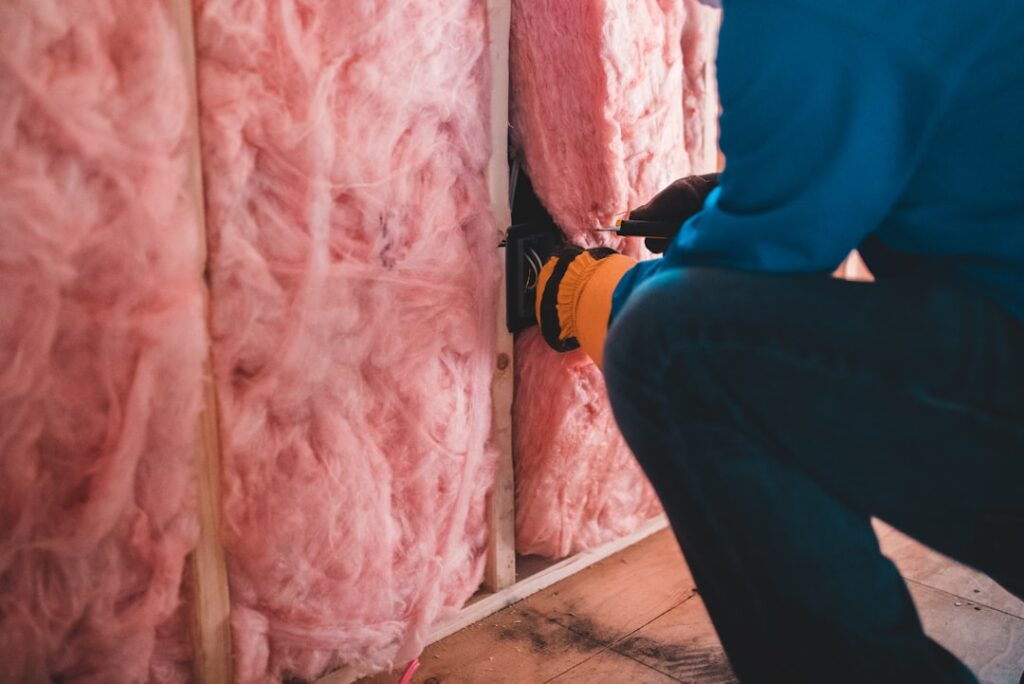
Insulation is one of the most likely places to encounter asbestos in an older home, because the mineral’s heat resistance made it a favorite additive for decades. Asbestos insulation turns up wrapped around pipes and boilers, loose-filled in attics, and tucked into wall cavities of houses built before the late 1970s. Most of the time it sits harmlessly out of sight, but disturbing it during repairs, additions, or energy upgrades can release fibers, which is why knowing what you have before you touch it matters. This guide summarizes EPA, CDC, and OSHA guidance current as of 2026; consult a certified professional for testing and abatement and your physician for any health concerns.
Part of our Asbestos in the Home guide — start there for the full picture →
Is this mold, asbestos, or water damage? Get a free instant screen
Upload a clear photo of the suspect area. You'll get an instant AI screening opinion and what to do next. This is screening guidance, not a professional determination.
Screening guidance only. AI can be wrong. Confirm asbestos, mold type, or lead with lab testing or a licensed professional before acting.
What is asbestos insulation?
Asbestos insulation is any insulating material that contains asbestos fibers, used because asbestos resists heat, fire, and degradation while being cheap and abundant. From the early 1900s through the late 1970s, manufacturers added asbestos to a wide range of insulation products. The fibers gave thermal insulation around pipes and furnaces, fire protection in walls, and bulk in loose-fill attic products.
While the U.S. phased out many asbestos products, insulation installed during those decades remains in countless homes. The material is not dangerous simply by existing; the risk comes from releasing fibers into the air. Asbestos insulation is a core topic within the broader asbestos and lead pre-1978 housing hazard guide.
Common types of asbestos insulation
Several distinct products appear in older homes, and recognizing them helps homeowners gauge their risk.
Pipe and boiler insulation
One of the most common forms is the thick, often white or gray wrapping on heating pipes, boilers, and ducts, sometimes called “air-cell” or corrugated-paper insulation. When this material ages and crumbles, it becomes friable and easily releases fibers. The dedicated guide to asbestos pipe insulation covers this high-risk type in detail.
Loose-fill attic insulation
Some loose-fill attic insulation, most notably vermiculite, can contain asbestos. Vermiculite from one major historic source was contaminated with asbestos, so granular, pebble-like attic insulation in older homes warrants caution. The companion articles on vermiculite insulation and the question of whether asbestos in the attic is dangerous explore this directly.
Block, batt, and spray-applied insulation
Asbestos also appeared in insulating block and board, in some batt products, and in spray-applied fireproofing and acoustic coatings, especially around structural steel and ceilings in certain buildings.
Where asbestos insulation hides
Beyond attics and pipes, asbestos insulation can be found in places homeowners rarely inspect: around old furnaces and boilers in basements, inside wall cavities of pre-1980 construction, behind appliances, and in HVAC duct wrap and tape. Because much of it is sealed behind finishes, a renovation that opens walls or replaces heating equipment is a common moment of discovery. That is precisely when caution is most important, since cutting and demolition are what release fibers.
The vermiculite and Libby connection
Loose-fill attic insulation deserves a closer look because of a specific historical problem. A large share of the vermiculite insulation sold in North America through much of the 20th century came from a single mine near Libby, Montana, where the vermiculite deposit was contaminated with asbestos. That product, widely marketed as a pour-in attic insulation, ended up in millions of homes, which is why granular, pebble-like attic fill in an older house is treated with such caution.
Not all vermiculite contains asbestos, but because it is impossible to tell by looking, the EPA advises homeowners to assume that vermiculite attic insulation may contain asbestos and to leave it undisturbed unless tested. The granules are loose and shift easily, so walking on the insulation, storing items in the attic, or running wiring through it can release fibers. The companion guides on vermiculite cover this in more depth, but the core message is simple: pebble-like attic insulation in a pre-1990 home should be presumed a potential asbestos source and handled accordingly until a lab says otherwise.
Is asbestos insulation dangerous?
The hazard is inhaling airborne asbestos fibers, and insulation is a notable concern because much of it is friable, meaning it crumbles easily and releases fibers when disturbed or deteriorated. According to the EPA and CDC, intact, undisturbed insulation in good condition that is sealed away generally poses limited risk. Aging, water-damaged, or disturbed insulation is far more likely to shed fibers into the air.
Inhaled asbestos fibers are linked by health authorities to asbestosis, lung cancer, and mesothelioma, often appearing decades after exposure, and there is no established safe exposure level. The practical rule for homeowners is to leave suspect insulation undisturbed and never sweep, vacuum with an ordinary vacuum, or handle deteriorating material. Any related health concerns belong with a physician.
Asbestos insulation during home purchases and renovations
Two moments bring asbestos insulation to the forefront for most homeowners: buying an older home and renovating one. During a purchase, a standard home inspection includes a visual look at accessible insulation, but inspectors work within the limits set by InterNACHI and ASHI standards and will flag suspect material rather than test it. A buyer who sees pebble-like attic fill or aging pipe wrap in a pre-1980 home should consider a dedicated asbestos assessment before closing, turning a potential hidden liability into a known, negotiable condition.
Renovation is the other flashpoint, because the work itself disturbs material that was previously stable. Opening walls, replacing a furnace or boiler wrapped in old insulation, or upgrading attic insulation all risk releasing fibers if asbestos is present. The safe sequence is the same in both cases: identify the home’s age, treat pre-1980 insulation as suspect, and test before any disturbance. A contractor who agitates contaminated material during a remodel can spread fibers through the home and the HVAC system, creating a far larger and more expensive problem than the original project. Building the asbestos question into both the home-buying due diligence and the renovation planning stage, rather than discovering it mid-job, protects the household, the workers, and the budget.
How to identify asbestos insulation
Visual clues such as age, the appearance of pipe wrap, or pebble-like attic fill can raise suspicion, but they cannot confirm asbestos, because the fibers are microscopic. Laboratory analysis of a properly collected sample is the only reliable method. Given that sampling disturbs the material, a trained professional should collect it using containment and protective equipment rather than a homeowner scooping attic fill into a bag.
Age is the strongest screen: insulation installed before the early 1980s should be presumed to contain asbestos until tested. Renovation history and the type of product narrow the likelihood, but only a lab result settles the question. Guidance on where to send samples for asbestos testing explains how the process works.
What to do if you have asbestos insulation
Response depends on condition and plans. If the insulation is intact, in good condition, and sealed away, the EPA generally recommends leaving it undisturbed and monitoring it, since removal creates more fiber-release risk than leaving sound material in place. Avoid storing items against it, disturbing attic fill, or running ducts and wiring through suspect areas without testing.
If the insulation is damaged, deteriorating, or in the path of a renovation, test first and, if asbestos is confirmed, hire a trained abatement professional. OSHA sets strict work practices for asbestos, and proper abatement uses containment, wetting, HEPA filtration, and regulated disposal. Friable insulation such as crumbling pipe wrap or loose-fill attic fill is among the highest-risk material to remove, because it releases fibers so readily, which is exactly why this work is reserved for trained crews rather than homeowners. Attempting to bag or sweep it without controls can spread fibers far beyond the original area. Energy upgrades that involve adding or removing attic insulation are a particularly common trigger, so confirm what is up there before any crew starts work.
Why insulation is a higher-risk category
Among asbestos-containing materials, insulation deserves particular caution because so much of it is friable. Friable material crumbles easily and releases fibers with minimal disturbance, in contrast to a hard, bound material like vinyl floor tile. Aging pipe wrap that has dried and cracked, loose-fill attic granules that shift when walked on, and deteriorating block insulation all shed fibers readily once they are touched or degraded.
This friability raises the stakes for common household activities. Storing boxes in an attic with loose-fill insulation, running a new cable through a wall, or bumping crumbling pipe wrap in a basement can all release fibers without the homeowner realizing it. Because the fibers are invisible and odorless, there is no sensory warning. The combination of widespread historical use and easy fiber release is what makes asbestos insulation one of the materials professionals treat most carefully, and why testing before any contact is the standard advice.
Energy upgrades and the asbestos question
Improving a home’s energy efficiency often means adding or replacing insulation, and on the Front Range, where heating bills run high through long winters, attic insulation upgrades are popular. That makes energy work a frequent trigger for asbestos exposure. Blowing new insulation over existing material, or removing old insulation to install a better product, disturbs whatever is already there.
If the existing attic insulation is vermiculite or any pre-1980 product, the safe sequence is to test before any crew begins. A contractor who agitates contaminated vermiculite while installing new insulation can contaminate the attic and, through gaps and the HVAC system, the living space below. Reputable insulation contractors will ask about the age of the home and may require testing before quoting work on older attics. Building the asbestos check into the planning stage of an energy project, rather than discovering the problem mid-job, protects both the household and the workers.
Managing asbestos insulation safely in place
When testing confirms asbestos and the insulation is intact and out of the way, the EPA’s general guidance favors leaving it undisturbed and managing it in place. For pipe and boiler wrap, that can include keeping the protective outer jacket sound and, where appropriate, having a professional encapsulate or enclose deteriorating sections so fibers stay contained. For attic loose-fill, management in place usually means simply not disturbing it: no storing items on it, no DIY upgrades, and no running utilities through it without professional involvement.
The aim is to keep the material stable and monitored rather than to remove it, since removal of friable insulation is a high-risk job that can release more fibers than leaving sound material alone. Periodic checks for water damage and physical deterioration help catch problems early. If the material must eventually be removed, a trained abatement professional should do it under containment, following OSHA work practices and any local regulations.
When to call a professional
Call a certified asbestos inspector before disturbing insulation in any home built before about 1980, especially before adding attic insulation, replacing a furnace or boiler, or opening walls. A professional can sample safely, interpret results, and arrange abatement under proper controls if needed. Colorado regulates asbestos abatement above defined quantity thresholds, which can require certified contractors and permits, so check local rules. Never attempt to remove or disturb suspect insulation yourself, and build the asbestos check into the planning stage of any energy or remodeling project.
References
- Protect Your Family from Exposures to Asbestos — U.S. Environmental Protection Agency
- About Asbestos and Health — Centers for Disease Control and Prevention
- Asbestos Standards and Work Practices — Occupational Safety and Health Administration
Frequently asked questions
What is asbestos insulation?
It is insulating material that contains asbestos fibers, used for decades because asbestos resists heat and fire. Common forms include pipe and boiler wrap, some loose-fill attic insulation such as contaminated vermiculite, and certain block, batt, and spray-applied products in homes built before the late 1970s.
Is asbestos insulation dangerous if undisturbed?
Intact insulation in good condition that is sealed away generally poses limited risk, because fibers stay bound in the material. The danger arises when it is aging, water-damaged, or disturbed, since much insulation is friable and crumbles easily, releasing fibers. The EPA usually recommends leaving sound material in place.
How do I know if my insulation contains asbestos?
Visual clues like age and appearance can raise suspicion, but only laboratory analysis of a properly collected sample confirms asbestos, since the fibers are microscopic. Because sampling disturbs the material, a trained professional should collect it. Treat insulation installed before the early 1980s as presumed asbestos until tested.
Can I add attic insulation over old asbestos insulation?
Not without testing first. Disturbing suspect attic fill, such as vermiculite, can release fibers, and energy upgrades are a common trigger for exposure. Have the existing material tested by a professional before any work, and follow local abatement rules if asbestos is confirmed.
If your older Front Range home has suspect pipe wrap or attic insulation and you are planning work, a qualified local professional can test it safely first. Reach out through our contact page to connect with a vetted asbestos inspector.
Asbestos test kits
Asbestos can only be confirmed by a lab. A mail-in kit gets you a sealed sample container and accredited analysis — never sand or disturb suspect material first.
| Product | Why | Buy |
|---|---|---|
 Asbestos Test Kit (mail-in lab) Asbestos Test Kit (mail-in lab) | Includes PPE + sealed mailer. | Amazon — $34.99 |
| Pro-Lab Asbestos Test Kit | Widely available; lab fee separate. | Amazon — $34.99 |