Asbestos Attic Insulation: What Homeowners Know
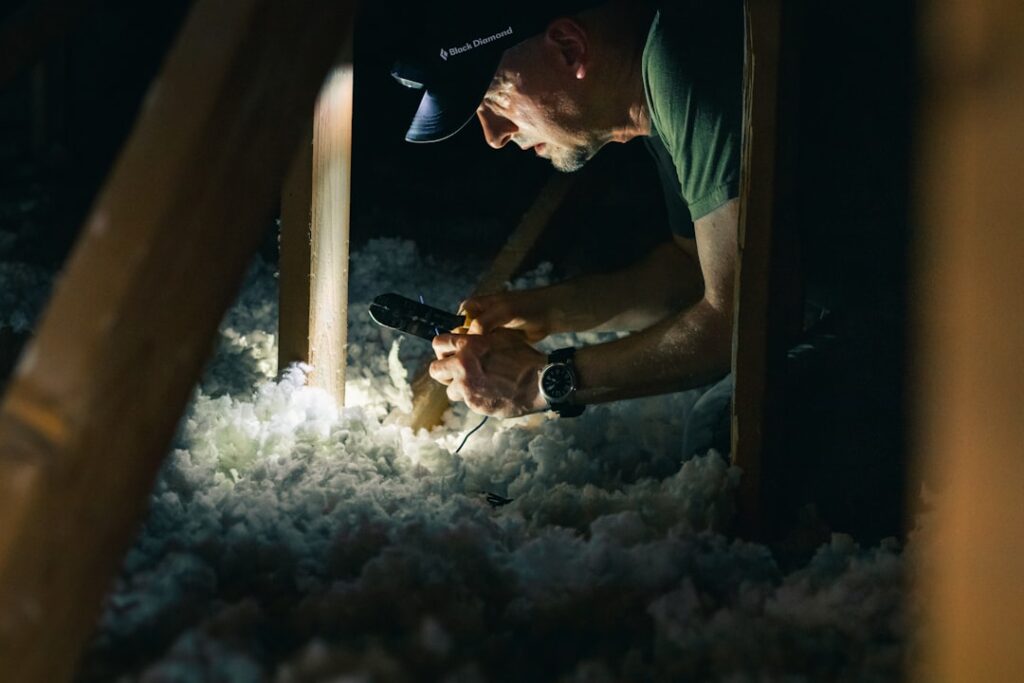
Few discoveries in an older home cause more uncertainty than suspect material in the attic. Asbestos attic insulation is a real concern in houses built before the 1990s, mostly because of one product: vermiculite contaminated with asbestos. The good news is that intact, undisturbed insulation poses far less risk than damaged or disturbed material, and a clear plan removes most of the guesswork. This guide explains what asbestos attic insulation is, how to recognize it, and the safe steps to confirm and handle it. It summarizes EPA, CDC, and OSHA guidance current as of 2026 and is general information, not a replacement for laboratory testing or a licensed inspection.
Part of our Asbestos in the Home guide — start there for the full picture →
Is this mold, asbestos, or water damage? Get a free instant screen
Upload a clear photo of the suspect area. You'll get an instant AI screening opinion and what to do next. This is screening guidance, not a professional determination.
Screening guidance only. AI can be wrong. Confirm asbestos, mold type, or lead with lab testing or a licensed professional before acting.
Is your attic insulation asbestos?
Most attic insulation is not asbestos. Fiberglass batts, blown cellulose, and mineral wool are all common and do not contain asbestos. The product that does raise concern is vermiculite: loose, lightweight granules that look like small gray-brown, gold, or silver pebbles poured between the joists. If your attic holds that kind of loose granular fill rather than rolls or fluffy blown material, treat it as suspect until a lab confirms otherwise.
You cannot tell by sight alone whether vermiculite contains asbestos. A large share of vermiculite insulation in the U.S. came from a Montana mine contaminated with asbestos, so the EPA advises assuming vermiculite contains asbestos unless testing proves it does not.
Why vermiculite is the main concern
Vermiculite is a natural mineral that expands when heated, making it a useful loose-fill insulator marketed for decades under brand names like Zonolite. The problem was the source: the Libby, Montana, mine that supplied most of the market sat in asbestos-bearing rock. The result was insulation laced with asbestos fibers.
Because the contamination is in the granules themselves, you cannot pick out the “bad” pieces. The entire batch is treated as suspect. For the full backstory, see our guide on what vermiculite is and the related piece on vermiculite and asbestos.
How risky is it really?
Risk depends almost entirely on disturbance. Asbestos becomes hazardous when fibers are released into the air and inhaled. Vermiculite sitting undisturbed beneath a sealed attic floor releases very little. The danger spikes when someone walks through it, stores boxes on it, runs wiring, adds new insulation on top, or renovates the space.
The CDC and EPA both emphasize this: leave it alone if it is intact. Homes where the attic is rarely entered and well sealed from living space carry lower exposure risk than homes where the attic doubles as storage or gets frequent traffic.
Where it shows up in Front Range homes
Older neighborhoods across Denver, Boulder, Jefferson, and Arapahoe counties include plenty of homes from the era when vermiculite was common. Any house built or insulated before the early 1990s could have it. Mid-century homes that were retrofitted for energy efficiency in the 1970s are especially worth checking.
Vermiculite was often poured into attics over existing insulation, so you may find it layered beneath newer fiberglass. A quick, careful look before any attic project is the smart move. Disturbing hidden vermiculite during a renovation is one of the more common ways homeowners are exposed.
How to inspect safely
If you want to check your attic, do it without disturbing the material. Open the hatch, use a flashlight, and look from the access point rather than crawling through. Do not sweep, vacuum, or move the insulation to get a better view. If you see loose granular fill, stop and treat it as suspect.
Keep the attic sealed from the living space, and avoid using it for storage until you know what is up there. If ductwork or wiring runs through the attic and needs service, tell any contractor about the suspect material before work begins so they take proper precautions.
Testing to confirm
Confirmation requires a lab. Because vermiculite is friable and loose, the EPA generally recommends against DIY sampling and suggests hiring a trained professional to collect and submit samples. A certified inspector uses containment to take a small representative sample, which a lab analyzes by microscopy.
Testing is the only way to move from “suspect” to a definite answer. The cost is modest, and the result determines whether you can leave the material in place, encapsulate it, or need full abatement. For how visual cues and testing connect, see our asbestos insulation overview.
What to do if it tests positive
A positive result is not an emergency if the material is intact. You generally have three paths. Leave it undisturbed and manage it, which means keeping the attic sealed and traffic-free. Encapsulate or enclose it. Or have it professionally removed by a licensed abatement contractor.
Removal makes sense when you plan to use the attic, finish the space, or undertake a renovation that would disturb the material. Never attempt to remove friable vermiculite yourself; improper handling can contaminate the whole house. The asbestos and lead hub covers how abatement decisions fit into the bigger picture of an older home.
Adding insulation over suspect material
Homeowners often ask whether they can simply blow new insulation on top and seal the old vermiculite in place. This is sometimes done, but it should follow professional advice. Adding insulation may disturb the vermiculite during installation, and it can complicate future access. Get the material assessed first, then decide.
If energy efficiency is the goal, a professional can recommend whether encapsulation, partial removal, or careful overlay is the right approach for your specific attic. The decision balances cost, future plans, and how much the material would be disturbed.
How to tell vermiculite from modern insulation
The practical test most homeowners can apply, without disturbing anything, is texture and form. Vermiculite is loose and granular, like a layer of small accordion-shaped pebbles poured between the joists. It does not come in rolls, sheets, or fluffy mats. Fiberglass arrives as pink or yellow batts or as a fine blown layer. Cellulose looks like gray, paper-based fluff. Mineral wool is denser and often brown or gray. If what you see pours and shifts like coarse gravel, treat it as suspect.
Color alone is not decisive, since vermiculite ranges from gray-brown to gold to silvery. The granular form is the reliable tell. Where homeowners go wrong is assuming a layer of newer blown insulation on top means the attic is safe. Vermiculite was frequently buried beneath later additions, so a few inches of fresh cellulose can hide a vermiculite layer underneath. Any disturbance during an attic project can bring that hidden material to the surface, which is why checking beneath the top layer, carefully and minimally, matters before any work.
What renovation means for asbestos attic insulation
Renovation is the single biggest reason undisturbed asbestos becomes a hazard. Running new wiring, installing recessed lighting, adding bathroom fans, sealing air leaks, or converting an attic to living space all disturb the insulation and can release fibers. Contractors who are unaware of the material may work right through it, spreading fibers into the home in the process.
The safe sequence is to identify and test suspect material before any attic project, then plan the work around the result. If vermiculite is confirmed, a licensed abatement contractor may need to remove or contain it before the renovation proceeds. This adds cost and time, but it prevents the far worse outcome of contaminating the living space. Disclosing suspect material to every trade that enters the attic is essential, because the person most likely to disturb it is a worker who does not know it is there.
Encapsulation and management options
Removal is not the only answer. For attic vermiculite in stable condition, management in place is often appropriate: keep the attic sealed from the living space, avoid storage and foot traffic, and inspect periodically. Sealing gaps and penetrations between the attic and the rooms below reduces the chance that any disturbed fibers migrate downward. This approach costs little and is reasonable when the attic is rarely used.
Encapsulation, applying a sealant or barrier to lock fibers in place, is another middle path for some materials, though loose granular vermiculite is harder to encapsulate than a solid wrap. A professional assessment weighs the material’s condition, your plans for the space, and cost to recommend whether to manage, encapsulate, or remove. The right choice is rarely automatic; it depends on how you intend to use the attic going forward.
What testing costs and how it works
Confirming attic vermiculite is inexpensive relative to the decisions it informs. A certified professional collects a small sample under containment and submits it to an accredited lab, which analyzes it by microscopy and reports whether asbestos is present and at what concentration. The whole process is fast and modestly priced. Because loose vermiculite is friable, the EPA discourages homeowners from sampling it themselves, since disturbing it to collect a sample is exactly what releases fibers.
The lab result is the pivot point for everything that follows. A clear answer lets you choose confidently among managing the material in place, encapsulating it, or removing it. Without testing, every decision rests on a guess, and homeowners either spend on unnecessary abatement or risk disturbing genuinely hazardous material during a project. A modest testing fee removes that uncertainty and documents the home’s condition for the future.
The Zonolite legacy and trust fund
Much of the contaminated vermiculite attic insulation in U.S. homes was sold under the brand name Zonolite, sourced from the Libby, Montana, mine. Because so many homes were affected, a trust was established to help homeowners offset the cost of inspecting and removing Zonolite attic insulation. Eligibility, documentation requirements, and available reimbursement vary, but it is worth investigating if your attic holds confirmed vermiculite.
The broader point is that this is a recognized, widespread problem with established response pathways, not a niche concern. Federal and state agencies have published guidance specifically for vermiculite, and abatement contractors handle it routinely. A homeowner who confirms vermiculite is not in uncharted territory; there is a well-worn process for testing, managing, and, where appropriate, removing it with some financial help potentially available.
Steps to take this week
If you suspect your attic, a short, safe sequence puts you in control. First, look from the hatch without entering or disturbing the material, and note whether you see loose granular fill. Second, keep the attic sealed and traffic-free until you know what is there. Third, arrange professional sampling rather than collecting friable material yourself. Fourth, base any decision, manage, encapsulate, or remove, on the lab result and your plans for the space.
None of these steps is urgent in the sense of requiring same-day action if the material is intact, but none should be indefinitely ignored either, especially before any attic project. Methodical handling, grounded in a lab result rather than a guess, is what keeps a common older-home condition from becoming a health problem.
Health context for attic asbestos
The health concern behind all this caution is real but proportional to exposure. Inhaled asbestos fibers can contribute to asbestosis, lung cancer, and mesothelioma over years or decades, and the CDC notes no safe exposure level has been established. The risk is driven by repeated or prolonged fiber inhalation, not by a brief look into the attic. Smoking sharply increases the asbestos-related lung-cancer risk, so smokers in older homes have extra reason to manage the material carefully.
Because the worst outcomes follow sustained disturbance, the entire strategy, leave it alone, test before work, hire licensed removers when needed, is designed to keep fiber release near zero. Handled this way, asbestos attic insulation is a manageable condition rather than an emergency, and many homes coexist safely with it for decades.
References
- Protect Your Family From Vermiculite Insulation — U.S. Environmental Protection Agency
- Asbestos Topic Page — Centers for Disease Control and Prevention
- Asbestos Standards and Hazards — Occupational Safety and Health Administration
Frequently asked questions
How do I know if my attic insulation has asbestos?
Loose, pebble-like vermiculite granules are the main concern, and the EPA advises assuming vermiculite contains asbestos until tested. Fiberglass batts and blown cellulose do not contain asbestos. Only a lab test confirms the answer.
Is asbestos attic insulation dangerous if left alone?
Intact, undisturbed insulation releases very few fibers and poses low risk. The danger rises sharply when the material is disturbed by foot traffic, storage, wiring work, or renovation.
Can I add insulation on top of vermiculite?
Sometimes, but get the material assessed first. Installation can disturb the vermiculite, so professional guidance on encapsulation or overlay is recommended before adding new insulation.
Should I remove vermiculite attic insulation myself?
No. Vermiculite is friable and loose, so the EPA discourages DIY handling. Removal should be done by a licensed asbestos abatement contractor to avoid contaminating the home.
Front Range homeowners who suspect vermiculite or other asbestos attic insulation can connect with a vetted local professional through our contact page for testing and assessment.
Asbestos test kits
Asbestos can only be confirmed by a lab. A mail-in kit gets you a sealed sample container and accredited analysis — never sand or disturb suspect material first.
| Product | Why | Buy |
|---|---|---|
| Asbestos Test Kit (mail-in lab) | Includes PPE + sealed mailer. | Amazon |
| Pro-Lab Asbestos Test Kit | Widely available; lab fee separate. | Amazon |