Is Asbestos in the Attic Dangerous: A Plain Guide
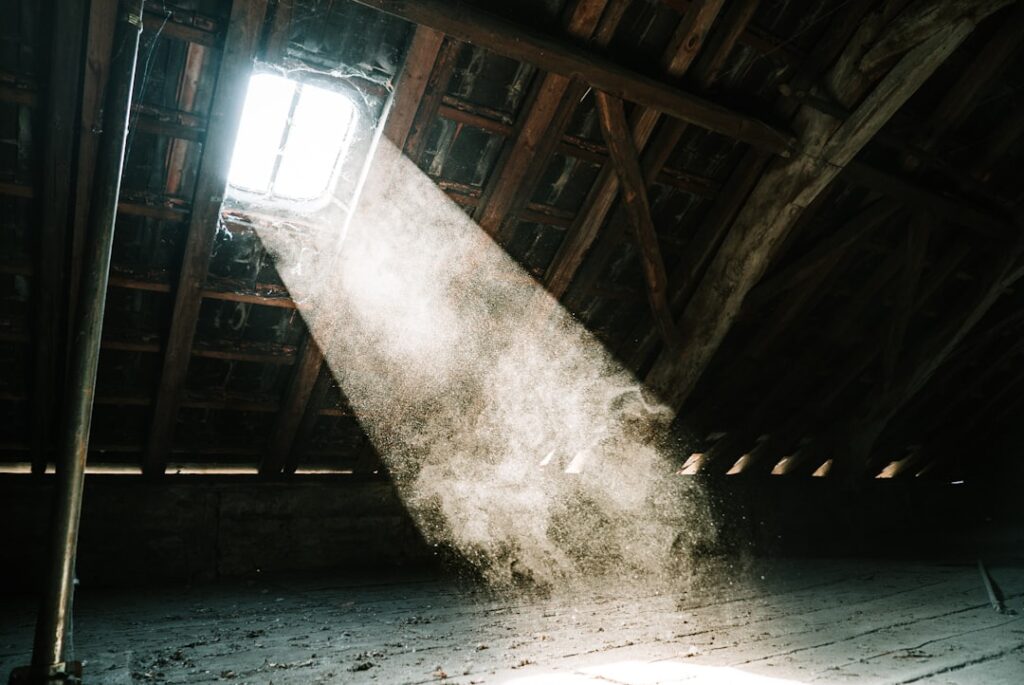
Finding out that your attic may contain asbestos is unsettling, and the natural question is whether it puts your family in danger right now. The honest answer is that it depends almost entirely on the material’s condition and whether it is being disturbed. Intact, undisturbed asbestos behaves very differently from material that is crumbling or being moved around. This guide summarizes EPA, CDC, and OSHA guidance current as of 2026 for Front Range homeowners. It is educational only; consult a certified asbestos professional before disturbing suspect material and a physician about any health concerns.
Is this mold, asbestos, or water damage? Get a free instant screen
Upload a clear photo of the suspect area. You'll get an instant AI screening opinion and what to do next. This is screening guidance, not a professional determination.
Screening guidance only. AI can be wrong. Confirm asbestos, mold type, or lead with lab testing or a licensed professional before acting.
Is Asbestos in the Attic Dangerous?
Asbestos in the attic is dangerous when its fibers become airborne and are inhaled. It is much less dangerous when the material is intact, sealed off, and left alone. That distinction is the single most important thing to understand about attic asbestos. Asbestos does not poison you through skin contact or by simply existing in your home; the risk comes from breathing microscopic fibers into your lungs, where they can lodge and cause damage over many years.
So a sealed attic with undisturbed vermiculite or old insulation that nobody touches poses a relatively low immediate risk. The same attic becomes hazardous the moment someone rakes the insulation, runs new wiring, replaces an HVAC unit, drills through the ceiling, or converts the space, because those activities release fibers into the air. This is why professionals talk about the condition of the material as much as its mere presence. Building age is the strongest clue to whether asbestos is present at all, a theme our guide to asbestos and lead in pre-1978 housing covers in detail.
Where Asbestos Hides in Attics
Attics in older homes can contain asbestos in several forms, and knowing the likely spots helps you recognize a concern before disturbing it:
- Vermiculite loose-fill insulation — pebbly gray-brown pellets, often from the asbestos-contaminated Libby mine
- Pipe and duct insulation — white or gray wrap around heating pipes and ductwork passing through the attic
- Vermiculite around chimneys — used for fire resistance
- Old electrical components — some legacy wiring insulation and panels
The loose-fill vermiculite is the most common attic concern, and it is easy to mistake for harmless gravel-like fill until you know what you are looking at. If you see this material, treat it as suspect; our dedicated guide to vermiculite insulation explains how to recognize it and why testing matters. Sometimes a newer layer of fiberglass or cellulose sits on top of older vermiculite, hiding it, so a top-up insulation job in an older home deserves a closer look first.
What Makes Asbestos Become Airborne?
Asbestos materials are described as friable or non-friable. Friable materials crumble under hand pressure and release fibers easily; loose-fill attic insulation is friable. Non-friable materials bind asbestos in a hard matrix and release fibers only when cut or broken. The more friable the material, the less disturbance it takes to send fibers into the air.
Common triggers that send attic fibers into the air include:
- Walking on or storing items atop loose-fill insulation
- Sweeping, vacuuming, or raking the material
- Drilling, cutting, or demolition during renovations
- HVAC, electrical, or insulation work
- Wind and air pressure drawing fibers through gaps into living spaces
This is why the consistent professional advice is the same regardless of the material: minimize disturbance. Most home exposures trace back to a project, not to the material sitting quietly where it has been for decades.
The Real Health Risks
According to the CDC and EPA, inhaled asbestos fibers are associated with asbestosis, lung cancer, and mesothelioma. These diseases typically develop 20 to 40 years after exposure, which is why the danger is easy to underestimate in the moment. Nothing feels wrong while fibers are being inhaled, and there is no immediate symptom to warn you. There is no widely accepted safe level of asbestos exposure, and risk generally rises with the amount and duration of exposure.
Smokers who are also exposed to asbestos face a dramatically higher lung cancer risk than either factor alone, a combination that compounds the danger. None of this means a single brief exposure guarantees illness; it means repeated or heavy exposure should be avoided, and the prudent course is to limit disturbance and let professionals handle the material. The point is not to panic over an undisturbed attic, but to take any planned disturbance seriously.
How to Tell If Your Attic Has Asbestos
You cannot confirm asbestos by looking, because the fibers are microscopic and many materials look alike. The only reliable method is laboratory analysis of a sample collected by a trained inspector. Because friable attic materials release fibers when disturbed, even sampling should be left to professionals who use wetting, containment, and respiratory protection rather than a homeowner scooping up a handful.
A professional inspection also documents the material’s type and condition in writing. If you are buying or selling an older Front Range home, that documentation matters at the negotiation table and for any later insurance question. Our guide to whether home inspections check for asbestos explains what a standard inspection does and does not include, so you know when a specialist is needed rather than relying on a general inspector’s visual note.
What to Do If You Have Attic Asbestos
If testing confirms asbestos, you usually have two reasonable options, and the right one depends on what you plan to do with the space.
Manage It in Place
When the material is intact and the attic is not being used or renovated, leaving it undisturbed and avoiding any activity that releases fibers is often the recommended, lowest-cost approach. Sealing gaps between the attic and living space, around recessed lights, fans, and the attic hatch, adds protection by limiting fiber migration into rooms below.
Professional Removal
When the material is damaged, when you plan to convert or insulate the attic, or when major work is coming, professional abatement removes the hazard permanently. Licensed contractors use containment, negative air pressure, HEPA filtration, and approved disposal. DIY removal is strongly discouraged because a shop vacuum or broom would scatter fibers throughout the home.
Keeping Your Family Safe in the Meantime
While you arrange testing or decide on a plan, a few simple habits keep risk low. Keep the attic access closed and limit how often anyone goes up there. Do not use the attic for storage, since moving boxes around disturbs loose-fill material. Tell any tradesperson, roofer, plumber, electrician, HVAC tech, about the suspect material before they enter. And avoid the temptation to investigate by climbing in and poking at the insulation. These steps cost nothing and address the only thing that actually makes attic asbestos dangerous: disturbance.
Renovations That Commonly Disturb Attic Asbestos
Because disturbance is the whole story with attic asbestos, it helps to know which projects most often trigger it. Many homeowners disturb attic material without realizing the attic was even involved in the work. The usual culprits include:
- Adding recessed lighting — cutting ceiling holes opens a path between attic insulation and the room
- Running new wiring or cable — electricians moving through loose-fill insulation
- Replacing or adding HVAC equipment — units and ducts often sit in or pass through the attic
- Re-roofing — vibration and access work can stir attic material
- Adding insulation — blowing new material over old vermiculite disturbs the lower layer
- Finishing the attic — converting it to living space is the most disruptive of all
Each of these is a routine home-improvement job that turns risky only because no one tested the attic first. The fix is simple: before any project that touches the attic, find out what is up there. A single inspection up front prevents a contractor from unknowingly creating an airborne hazard mid-project.
Buying or Selling a Home With Attic Asbestos
Attic asbestos surfaces frequently during real estate transactions, particularly in older Front Range homes. A buyer’s inspector who spots loose-fill vermiculite will note it, and the question then becomes how to handle it within the deal. For buyers, the presence of attic asbestos is rarely a reason to walk away on its own; intact material that can be managed in place is a known, bounded issue rather than an open-ended one.
For sellers, getting ahead of the situation with documentation, what the material is, its condition, and a plan, tends to keep negotiations calm. A test report showing intact material and a management plan reassures a buyer far more than an unexplained pile of pebbly insulation discovered late in escrow. The outcome that hurts everyone is undisclosed material that a new owner later disturbs during a renovation, having had no chance to plan for it. Transparency early is the cheaper and smoother path for both sides.
When to Call a Professional
Call a certified asbestos inspector before any attic work in a pre-1990s home, especially if you see loose-fill insulation. Call immediately if attic material has been disturbed, if it is sifting into living areas, or if a renovation accidentally damaged it. A qualified professional can sample safely, interpret the lab report, and help you choose between management and removal without pressure. For most homeowners, the outcome is a calm, documented plan rather than an emergency, which is exactly why getting an expert involved early is worthwhile.
Signs Attic Asbestos May Have Been Disturbed
Because disturbance is what creates risk, it helps to recognize the signs that attic material has already been disturbed and may need professional attention. Watch for debris or pebbly fragments appearing in the living space, especially around ceiling light fixtures, ceiling fans, or the attic hatch. Fresh dust on surfaces below the attic after recent work is another signal. If a contractor has been in the attic for wiring, HVAC, or roofing and you later notice loose material below, treat it as a possible disturbance and stop using the area until it can be assessed. Acting on these signs early limits how far fibers spread and gives a professional the chance to clean and reseal before exposure continues.
Putting Attic Asbestos Risk in Perspective
It is easy to swing between two unhelpful extremes when you learn your attic may contain asbestos: panic, or dismissal. The accurate middle ground is that attic asbestos is a manageable hazard whose risk is almost entirely controlled by whether the material is disturbed. Intact loose-fill that nobody touches is not poisoning the air of the rooms below in the way a carbon monoxide leak would; the danger is potential, tied to future disturbance, rather than active.
That framing should guide your decisions. You do not need to abandon a home or rush into costly removal because vermiculite sits in the attic. You do need to avoid disturbing it, seal pathways into living space, and plan any attic-related project around testing. For most homeowners, the appropriate response is a calm sequence: confirm the home’s age, get the material assessed, decide between in-place management and removal based on your plans, and document everything. Handled that way, attic asbestos becomes a known, bounded item on your home-maintenance list rather than a source of ongoing fear. The science supports that measured approach, since exposure risk rises with disturbance and falls to very low levels when the material is left intact and isolated.
References
- Protect Your Family From Asbestos in the Home — U.S. Environmental Protection Agency
- About Asbestos and Health Effects — Centers for Disease Control and Prevention
- Asbestos Exposure Standards — Occupational Safety and Health Administration
- Asbestos Guidance for Homeowners — Colorado Department of Public Health and Environment
If you suspect asbestos in a Denver-metro or Front Range attic and want it assessed safely before any work, get in touch through our contact page for a vetted local inspector.