Insulation Asbestos: What Homeowners Need to Know
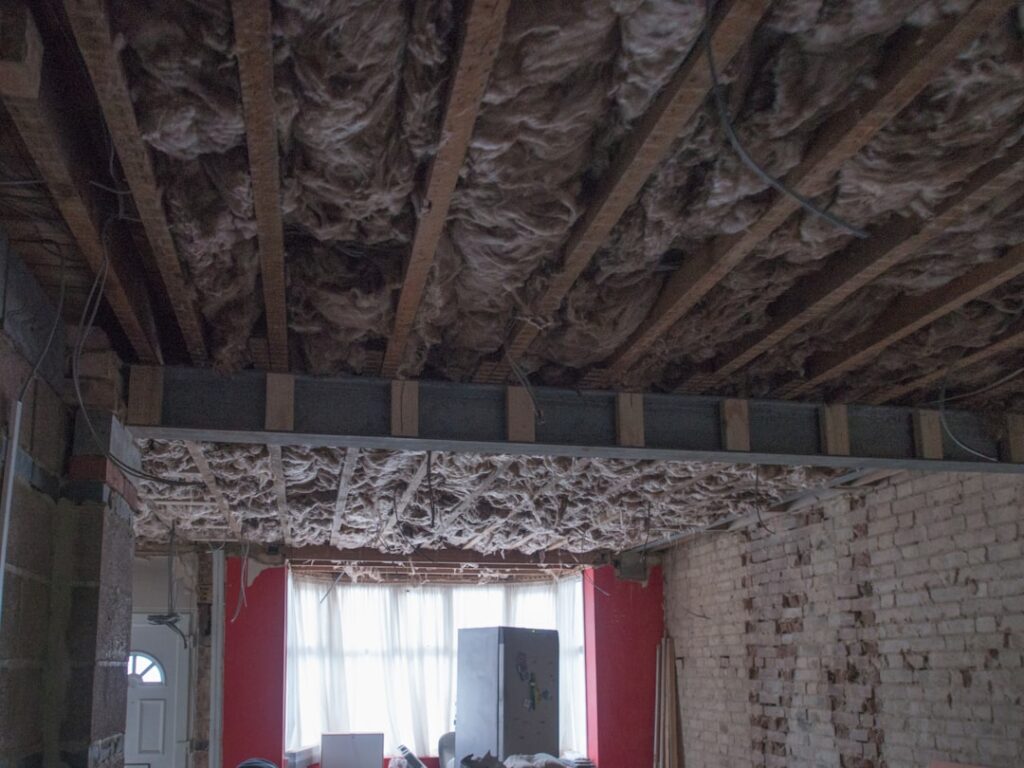
Insulation asbestos is one of the most common reasons older homes need a closer look before renovation. For much of the 20th century, asbestos was prized for its heat resistance, so it found its way into pipe wraps, attic fill, block insulation, and the lagging around boilers and ducts. Not all insulation contains asbestos, and much of what does is safe while undisturbed. The trouble starts when aging or damaged insulation releases fibers, or when a homeowner disturbs it during a project. This guide explains which insulation types carried asbestos, how to recognize the risk, and what to do next. It summarizes EPA and CDC guidance current as of 2026; consult a certified professional before disturbing any suspect material. The recurring principle worth holding onto is that condition matters more than mere presence: intact, sealed insulation releases very little, while crumbling or disturbed material is where the real hazard lies, which is why the safest first response is almost always to leave suspect insulation alone and arrange testing rather than to start pulling it out. That single idea, presence is not the same as risk, shapes nearly every sensible decision a homeowner makes about asbestos insulation, from whether to act at all to how urgently, and it explains why the EPA so often advises managing undisturbed material in place instead of rushing into a removal that would do more to release fibers than to protect anyone.
Is this mold, asbestos, or water damage? Get a free instant screen
Upload a clear photo of the suspect area. You'll get an instant AI screening opinion and what to do next. This is screening guidance, not a professional determination.
Screening guidance only. AI can be wrong. Confirm asbestos, mold type, or lead with lab testing or a licensed professional before acting.
Which Insulation Types Contained Asbestos
Asbestos showed up in several distinct insulation products, and knowing them helps you assess your own home. The most notorious is loose-fill vermiculite, much of it from the asbestos-contaminated Libby, Montana mine, poured into attics and wall cavities.
Pipe and boiler insulation is another major source. Older homes often have a chalky, paper-like, or corrugated wrap around heating pipes and around boilers and furnaces; this “lagging” frequently contained asbestos and becomes friable, easily crumbled, as it ages. Block and board insulation used in high-heat areas could contain asbestos as well. Some older spray-applied fireproofing and certain duct insulations are also suspect. By contrast, modern fiberglass batts, cellulose, and foam are not asbestos products. Our guide on whether asbestos was used in insulation walks through each type.
How to Identify Suspect Insulation
Visual clues point to risk, but they never confirm it. Age is the strongest indicator: insulation installed before the early 1990s, and especially before the late 1970s, deserves suspicion.
Loose-fill vermiculite looks like small, pebbly, accordion-flaked granules in silver-gold to grayish-brown shades, poured between attic joists. Asbestos pipe lagging often appears as a white or gray plaster-like, corrugated, or paper-wrapped covering on heating pipes, sometimes with a canvas outer layer. It may look chalky or be crumbling. Because fiberglass and cellulose can superficially resemble suspect materials and vice versa, and because asbestos fibers are microscopic, identification by eye is only a starting point. Confirmation requires an accredited laboratory test, as detailed in our guide on how to tell if insulation is asbestos.
Why Condition Matters More Than Presence
Asbestos is hazardous only when fibers become airborne and are inhaled. That single fact shapes every decision. Insulation that is intact, sealed, and undisturbed releases little, while the same material crumbling, damaged, or disturbed by renovation can release a cloud of fibers.
This is why the EPA often recommends leaving undisturbed asbestos insulation alone rather than rushing to remove it, since removal is the activity most likely to release fibers. Friable insulation, the kind that crumbles under hand pressure like aging pipe lagging, is the higher concern because it releases fibers more readily. The CDC links inhaled asbestos to asbestosis, lung cancer, and mesothelioma, often decades later, and no safe exposure level is established for homeowners.
What Not to Do
Restraint prevents most exposure. Do not disturb suspect insulation, and avoid the actions that release fibers.
Do not sweep, vacuum, rake, or cut into suspect material. Do not use an attic with loose-fill vermiculite for storage. Do not strip, repair, or replace pipe lagging yourself, and do not remove old block or spray insulation during a DIY project. Do not let damaged insulation stay exposed where it sheds fibers into living space; isolate the area and limit access instead. Above all, do not assume that because insulation looks ordinary, it is safe, age and history matter more than appearance.
Safe Steps to Take
A measured approach protects your household without overreacting. First, leave intact, undisturbed insulation alone while you plan, and limit access to the area. Second, have suspect material sampled by an accredited asbestos professional, since the act of sampling can itself release fibers. Third, act on the lab result: confirmed asbestos that is in good condition and sealed off may be safely left in place or professionally encapsulated, while damaged material or material in the way of a renovation should be removed by a licensed abatement contractor.
Seal gaps between contaminated spaces and living areas to keep fibers from migrating. For attic-specific guidance, see our asbestos in the attic guide, which covers the same principles in detail.
Asbestos Pipe and Boiler Lagging in Detail
Among insulation types, the wrap around heating pipes and boilers deserves special attention because it is both common in older homes and prone to becoming friable. This “lagging” was applied to retain heat and protect against burns, and in homes from the early-to-mid 20th century it frequently contained asbestos. It often looks like a white or gray, plaster-like or corrugated covering, sometimes wrapped in canvas or paper, and it may be found on steam and hot-water pipes, around boilers, and on furnace ducts.
The concern with lagging is that it degrades. As it ages, dries out, and suffers bumps from foot traffic in basements and crawl spaces, it crumbles, and friable, crumbling material releases fibers far more readily than a sealed, intact surface. Damaged lagging hanging off a pipe, or sections that have fallen to the floor, are higher-priority situations than an intact, undisturbed wrap. Homeowners should never attempt to repair, re-wrap, or remove pipe lagging themselves; the safe response is to limit access, avoid disturbing it, and have it assessed. Our guide on asbestos pipe wrap covers identification and handling in more depth.
The Difference Between Friable and Non-Friable
One distinction shapes nearly every asbestos decision: whether the material is friable. Friable means it can be crumbled, pulverized, or reduced to powder by hand pressure when dry. Friable materials, like aging pipe lagging and loose-fill vermiculite, release fibers easily and are the higher concern. Non-friable materials bind the asbestos in a matrix, such as some floor tiles or intact, sealed insulation board, and release little unless they are cut, sanded, or broken.
This is why condition and material type matter more than the mere presence of asbestos. A non-friable, intact product left alone may pose little risk, while a friable one in the same house demands more caution. It is also why renovation is so hazardous: cutting, sanding, or demolishing can turn a stable, non-friable material into airborne dust. The friable-versus-non-friable framing helps homeowners and inspectors prioritize, focusing first on crumbling, damaged, friable insulation while planning more carefully around materials that are stable today but would become dangerous if disturbed by future work.
Asbestos Insulation and Home Sales
For buyers and sellers of older homes, asbestos insulation is a recurring topic, and handling it transparently protects everyone. During a purchase, a home inspector may flag suspect attic fill, pipe lagging, or block insulation for further evaluation, but a general inspection does not include laboratory asbestos testing; that requires a separate, accredited assessment. Buyers concerned about a pre-1990 home can arrange such testing during their inspection window.
Sellers who already know about asbestos insulation generally benefit from disclosing it and keeping any test results or abatement records, since these documents answer the questions buyers and lenders will raise. Confirmed asbestos that is intact and properly managed does not necessarily derail a sale, but undisclosed or poorly handled material can. The practical guidance mirrors the rest of this topic: identify the situation, document it, and rely on professionals for testing and any remediation. You can read more about pre-1978 housing hazards across the home in our asbestos and lead resource hub, which puts insulation in the context of other common materials.
When to Call a Professional
Insulation asbestos is squarely professional territory at every stage that involves disturbance. Accredited labs confirm whether asbestos is present, and licensed abatement contractors handle removal, repair, or major encapsulation under EPA and OSHA containment and disposal rules. Homeowners should not sample, vacuum, or remove suspect insulation themselves. When buying an older home, a home inspector can flag suspect attic fill and pipe lagging for follow-up; you can learn more in our asbestos and lead hub. When in doubt, keep your distance and let a certified professional take the next step.
Block, Spray, and Duct Insulation
Beyond vermiculite and pipe lagging, a few other insulation forms in older buildings can contain asbestos and deserve a mention. Rigid block or board insulation used in high-heat areas, such as around boilers and furnaces, sometimes contained asbestos for its fire resistance. Spray-applied insulation and fireproofing, more common in commercial and multifamily buildings but occasionally in homes, could also contain asbestos and is a concern when it is damaged or disturbed.
Some older duct insulation, both the wrap on the outside of ducts and liners inside them, used asbestos as well, and corrugated paper-style duct insulation from certain eras is a known suspect. As with every other type, the rules are the same: age before the early 1990s raises suspicion, intact and sealed material poses less risk than damaged or friable material, and confirmation requires an accredited laboratory test. Homeowners encountering any of these older insulation forms during a project should stop disturbing them and arrange testing rather than assuming a particular product is safe based on appearance.
Protecting Your Household From Exposure
The practical goal with any asbestos insulation is simple: keep fibers out of the air your family breathes. That means avoiding disturbance, sealing pathways between contaminated spaces and living areas, and bringing in professionals for testing and any removal. If suspect insulation is in an attic, basement, or mechanical room, limit access and make sure anyone working in the home, from HVAC technicians to electricians, knows the material is present so they do not disturb it unknowingly.
The CDC emphasizes that asbestos disease risk comes from inhaled fibers accumulating over time, which is why preventing release is the entire strategy; there is no established safe exposure level for homeowners. Damaged, friable insulation is the priority because it sheds fibers readily, so address crumbling pipe lagging or disturbed vermiculite sooner than intact, sealed material. For symptoms or health concerns related to possible exposure, a physician is the right resource, since a building assessment identifies the hazard but not a medical condition. Combined with the broader handling guidance in our asbestos and lead hub and the attic-specific steps in our asbestos in the attic guide, these precautions keep exposure essentially nil while you decide on testing and next steps.
References
- Protect Your Family from Asbestos in Insulation — U.S. Environmental Protection Agency
- Asbestos Exposure and Health Effects — Centers for Disease Control and Prevention
- Asbestos Standards and Worker Protection — Occupational Safety and Health Administration