Asbestos Insulation Removal: What Homeowners Need
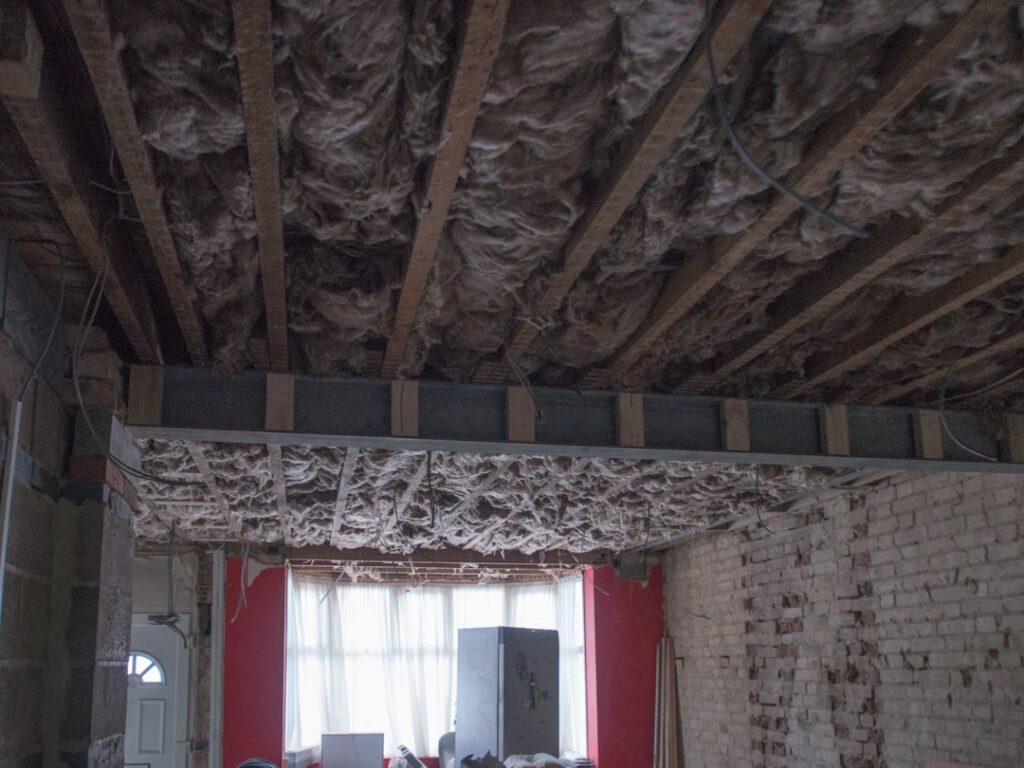
Insulation is one of the highest-risk places asbestos hides, because it is often friable, meaning it crumbles and releases fibers easily when disturbed. Asbestos insulation removal therefore carries more risk than removing bound materials like floor tile, and it is tightly regulated. Homeowners encounter it most often as pipe and boiler wrap, vermiculite in attics, and block or sprayed-on insulation in older buildings. This guide explains where asbestos insulation appears, how removal works, what it costs, and when leaving it in place is the safer choice. This guide summarizes EPA, OSHA, and CDC guidance current as of 2026 and is educational only; consult a licensed abatement professional for project decisions.
Is this mold, asbestos, or water damage? Get a free instant screen
Upload a clear photo of the suspect area. You'll get an instant AI screening opinion and what to do next. This is screening guidance, not a professional determination.
Screening guidance only. AI can be wrong. Confirm asbestos, mold type, or lead with lab testing or a licensed professional before acting.
Where asbestos insulation is found
Three forms account for most residential asbestos insulation. The first is pipe and boiler wrap, a fibrous or corrugated material wrapped around heating pipes and boilers in homes built through the 1970s; it is frequently friable and high-risk. The second is vermiculite attic insulation, a loose, pebble-like fill, much of which came from a mine whose product was contaminated with asbestos. The third is block, batt, or sprayed-on insulation used in some older construction.
Each form behaves differently. Pipe wrap that is intact and undamaged may be stable, but it deteriorates with age and handling. Vermiculite is especially concerning because disturbing the loose fill, even by entering the attic, can release fibers. Because asbestos cannot be confirmed by sight, testing comes first, as outlined in how to check for asbestos. The broader hazard picture is in the asbestos and lead hazard guide.
Why friable insulation is higher risk
Friable materials crumble under hand pressure and release respirable fibers readily, which makes insulation more dangerous to disturb than the bound asbestos in cement siding or vinyl tile. This is why regulators treat insulation removal as a higher-tier abatement task and why do-it-yourself removal is strongly discouraged and often legally restricted.
The danger is compounded because insulation sits in places people enter for other reasons: attics during a re-insulation project, basements near a boiler, or mechanical chases during a plumbing repair. A homeowner pulling old fiberglass batts in an attic that also contains vermiculite, or cutting into a pipe wrapped in asbestos insulation, can release fibers without ever intending to handle asbestos. Recognizing these materials before starting unrelated work is the first line of defense.
Identifying vermiculite in particular
Vermiculite is worth singling out because it is easy to mistake for harmless attic fill. It appears as small, lightweight, accordion-like or pebble-shaped pieces, often gray-brown or silvery-gold, poured loose between attic joists. A large share of historic vermiculite traces to a single contaminated mine, so any loose vermiculite in an older home should be treated as potentially asbestos-containing until tested. Homeowners should not disturb it, and they should keep the attic sealed off rather than using it for storage that requires repeated entry.
How asbestos insulation removal works
Professional abatement follows a controlled sequence. The work area is sealed with plastic sheeting and placed under negative air pressure using HEPA-filtered equipment to prevent fiber escape. Workers wear respirators and disposable protective suits, wet the material to suppress dust, carefully remove it, and seal the waste in labeled, leak-tight bags. After removal, the area is cleaned with HEPA vacuums and wet wiping, and air monitoring may confirm the space is clear.
The waste is then transported to a landfill licensed to accept asbestos. This containment-and-disposal process is what separates regulated abatement from ordinary demolition, and it is detailed further in the professional asbestos removal guide. Vermiculite removal often uses specialized vacuum equipment to extract loose fill without dispersing it.
After the visible material is removed, the cleanup phase is as important as the removal itself. Crews HEPA-vacuum surfaces, wet-wipe the area, and may conduct clearance air sampling to verify that fiber counts have returned to acceptable levels before the containment is taken down. Only after clearance does the space return to normal use. This verification step is one reason professional abatement is more than just hauling material out: it confirms the home is actually safe, not merely emptied of the obvious insulation.
What asbestos insulation removal costs
Cost varies with the type and amount of insulation, accessibility, and local regulations. Pipe-wrap removal is often priced per linear foot, while vermiculite attic removal is priced by the area or volume of fill. Whole-attic vermiculite removal commonly runs into the thousands of dollars, and extensive boiler and pipe abatement in an older home can be comparable or higher. Smaller, contained jobs cost less.
The price reflects the same drivers as other abatement: licensed labor, containment, air monitoring, and premium disposal fees. The general cost framework is covered in the asbestos testing cost guide, and the contractor side is addressed in the asbestos abatement contractor guide. Itemized bids let homeowners compare removal, disposal, and monitoring separately.
Removal versus leaving it in place
Removal is not always the right answer. Intact, undisturbed pipe wrap or insulation that will not be touched can sometimes be left in place or encapsulated, since the hazard arises from disturbance rather than mere presence. Encapsulation seals the material to prevent fiber release and can be appropriate where the insulation is stable and accessible work is not planned.
The decision hinges on condition, location, and future plans. Friable, deteriorating, or accessible insulation in living or work areas is a stronger candidate for removal; stable material in an undisturbed space may be safely managed. A licensed inspector or abatement contractor should make this assessment rather than the homeowner, because misjudging friable material is dangerous.
Encapsulation and enclosure are the two in-place management options. Encapsulation coats the material with a sealant that binds the fibers, suitable for pipe wrap that is intact and not subject to abrasion. Enclosure builds a physical barrier, such as an airtight box around an insulated pipe section, to keep the material isolated. Both require periodic inspection to confirm the seal or barrier remains intact, and both must be disclosed if the property is sold or renovated. They are legitimate, lower-cost alternatives to removal, but only when a professional judges the material stable enough to manage in place.
When to call a professional
For asbestos insulation, the answer is nearly always: before doing anything. Insulation’s friable nature and the legal restrictions on removal mean that homeowners should not attempt removal themselves. The correct first step is testing to confirm asbestos, followed by consulting a licensed abatement contractor for any removal or encapsulation. OSHA worker-protection rules and EPA disposal regulations apply throughout.
Homeowners who suspect vermiculite or aging pipe wrap should avoid disturbing it, keep the area undisturbed, and seek professional assessment. Vetting a qualified contractor with proper licensing and insurance is essential, and the process for doing so is described in the asbestos removal contractors guide.
Health risks behind the regulations
The strict handling rules exist because the health consequences of asbestos exposure are severe and well documented. Inhaled asbestos fibers can lodge in lung tissue and, over years or decades, contribute to asbestosis, lung cancer, and mesothelioma, a cancer strongly associated with asbestos exposure. There is no established safe level of exposure, and the latency period between exposure and disease often spans decades, which is why the hazard feels abstract until it is not.
Friable insulation is especially concerning because it releases fibers so readily, and because the people most at risk in a home setting are often those doing unrelated work, pulling wiring, fixing a pipe, or adding new insulation, without realizing asbestos is present. This is the core reason agencies and trade bodies insist on testing before disturbance and professional handling for removal. The precaution is not bureaucratic caution; it reflects a genuine, irreversible health risk.
Planning a removal project
For homeowners who do need removal, a few steps keep the project orderly. The first is confirmatory testing, so the scope is based on facts rather than assumptions about which materials contain asbestos. The second is collecting multiple itemized bids from licensed abatement contractors, each specifying containment, removal, disposal, and any required air monitoring, so the quotes can be compared accurately rather than by bottom line alone.
The third step is verifying credentials and insurance before signing, since improper removal creates both health and legal liability. Homeowners should also clarify the timeline, including how long the affected area will be off-limits and when clearance testing will confirm the space is safe to reoccupy. Coordinating any follow-on work, new insulation, a renovated boiler room, drywall repairs, to begin only after clearance avoids reintroducing problems into a freshly abated space. A well-planned removal protects the household and produces documentation that supports future sales and renovations.
Costs and what drives them
The price of asbestos insulation removal tracks the same factors as other abatement: the type and quantity of material, accessibility, local regulations, and disposal logistics. Pipe and boiler wrap is often quoted per linear foot, while vermiculite is priced by the attic area or the volume of fill to extract. Whole-attic vermiculite removal frequently runs into the thousands of dollars because the loose fill must be vacuumed with specialized equipment under containment, and the volume of regulated waste is substantial.
Access raises or lowers the figure considerably. Insulation in a tight, low attic or a cramped mechanical chase takes longer and costs more to remove safely than material in an open, accessible basement. Jurisdictions that require permits, air monitoring, or independent clearance testing add line items absent in looser areas. Homeowners should request itemized bids that separate removal labor, containment, disposal and tipping fees, and any monitoring, so quotes can be compared accurately and a suspiciously low number, which may signal skipped steps, stands out clearly.
After removal: insulating the space again
Removing asbestos insulation usually leaves a space that needs to be re-insulated, and that replacement is a separate cost worth planning for. An attic stripped of vermiculite or a boiler room cleared of asbestos pipe wrap will need modern insulation to restore energy efficiency. Coordinating the abatement and the re-insulation, so the new material goes in only after clearance confirms the space is safe, avoids contaminating fresh insulation and keeps the project orderly.
Homeowners often find the re-insulation an opportunity rather than just a cost. Replacing old asbestos pipe wrap with modern insulation can improve heating efficiency, and re-insulating an attic to current standards can reduce energy bills. Folding the replacement into the project budget from the start, alongside the abatement and any drywall or finish repairs, gives a realistic total and prevents the surprise of an under-insulated space after the hazard is gone. A well-sequenced project removes the asbestos, verifies the space is clear, and restores or improves the insulation in one coordinated effort.
The safe path forward
Because asbestos insulation is so often friable and high-risk, the guiding rule is simple: do not disturb it, and do not attempt removal yourself. The correct sequence is to leave suspect material untouched, confirm whether it contains asbestos through testing, and then consult a licensed abatement professional about removal, encapsulation, or enclosure. Each of those paths can be appropriate depending on the material’s condition, location, and the household’s plans.
Homeowners who suspect vermiculite in an attic or aging wrap on pipes should keep those areas sealed off and seek a professional assessment rather than acting on assumptions. Verifying a contractor’s licensing and insurance, obtaining itemized bids, and confirming that clearance testing follows any removal are the steps that turn a hazardous unknown into a safely managed condition. Treated this way, asbestos insulation, while serious, becomes a problem with a clear, professional solution rather than a danger a homeowner must face alone.
References
- Protect Your Family From Asbestos — U.S. EPA
- Asbestos Worker Protection Standards — OSHA
- Asbestos Health Hazards — CDC/NIOSH
Homeowners on the Colorado Front Range who suspect asbestos insulation can contact us to reach a vetted local abatement professional for assessment.
Asbestos test kits
Asbestos can only be confirmed by a lab. A mail-in kit gets you a sealed sample container and accredited analysis — never sand or disturb suspect material first.
| Product | Why | Buy |
|---|---|---|
 Asbestos Test Kit (mail-in lab) Asbestos Test Kit (mail-in lab) | Includes PPE + sealed mailer. | Amazon — $34.99 |
| Pro-Lab Asbestos Test Kit | Widely available; lab fee separate. | Amazon — $34.99 |