Asbestos Lung Disease: What Homeowners Should Know
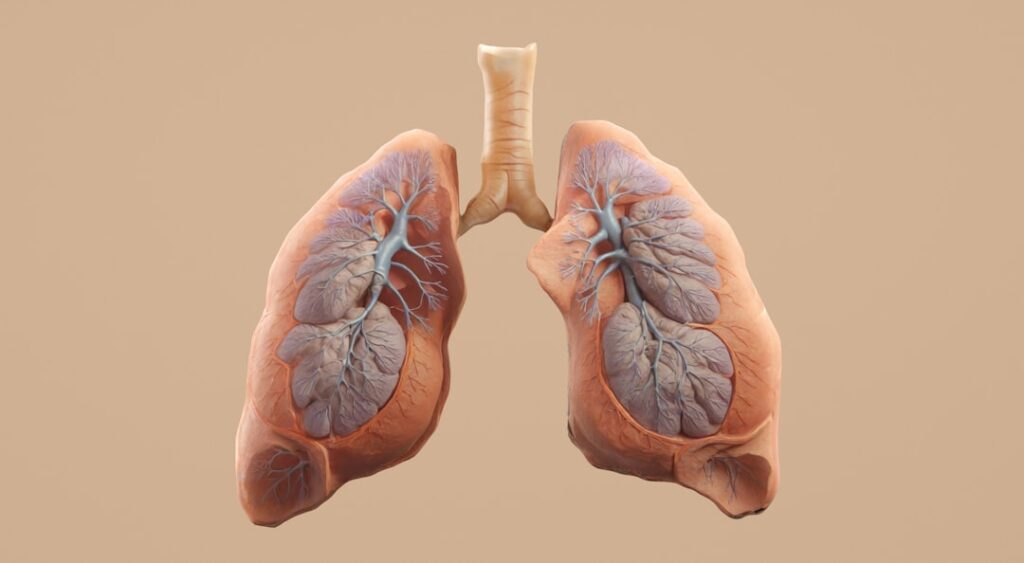
The phrase “asbestos lung disease” covers a small family of serious conditions that share one cause: breathing in microscopic asbestos fibers, usually over many years. For homeowners, the worry is rarely a factory floor. It is the old pipe wrap in the basement, the textured ceiling, or the vinyl tile from a 1960s remodel. Understanding what these diseases are, how exposure actually happens in a house, and what genuinely lowers risk helps families respond with measured care rather than panic. This guide summarizes EPA and CDC guidance current as of 2026. It is educational only and does not diagnose any condition; consult your physician for symptoms and a certified professional for any testing or abatement.
Is this mold, asbestos, or water damage? Get a free instant screen
Upload a clear photo of the suspect area. You'll get an instant AI screening opinion and what to do next. This is screening guidance, not a professional determination.
Screening guidance only. AI can be wrong. Confirm asbestos, mold type, or lead with lab testing or a licensed professional before acting.
What Is Asbestos Lung Disease?
Asbestos lung disease is not a single illness. It is an umbrella term for several conditions caused by inhaled asbestos fibers that lodge in lung tissue and the lining around the lungs. The fibers are durable and sharp at a microscopic scale, so the body struggles to clear them. Over time they can trigger scarring, inflammation, and in some cases cancer. The three conditions most often grouped under this heading are asbestosis, mesothelioma, and asbestos-related lung cancer.
A defining feature of all three is latency. Symptoms typically appear 10 to 40 years after exposure begins, not days or weeks. That long delay is why the diseases are so closely tied to decades-old occupational and home exposures, and why a single brief contact with intact material is a very different situation from years of breathing fiber-laden dust. The American Lung Association and CDC both stress that risk rises with the amount and duration of exposure.
Asbestosis: Scarring of the Lungs
Asbestosis is a chronic, non-cancerous lung disease in which inhaled fibers cause progressive scarring, or fibrosis, of lung tissue. The scarred lung becomes stiff and less able to expand, which makes breathing harder over time. Common features include shortness of breath that worsens with exertion, a persistent dry cough, chest tightness, and in advanced cases a crackling sound in the lungs and clubbing of the fingertips.
Asbestosis is almost always linked to heavy, prolonged exposure, the kind historically seen in insulation work, shipbuilding, and demolition. It is not contagious and does not develop from a one-time encounter with intact material. There is no cure that reverses the scarring; medical management focuses on slowing progression, easing symptoms, and preventing further exposure. Smoking dramatically worsens outcomes, so cessation is a central part of care for anyone with a history of asbestos exposure.
Mesothelioma and Lung Cancer
Mesothelioma is a rare, aggressive cancer of the mesothelium, the thin lining that surrounds the lungs (pleura) and other organs. It is strongly and almost uniquely associated with asbestos exposure. Because of the long latency, diagnoses today often trace back to exposures from the 1960s through the 1980s. Symptoms can include chest or abdominal pain, shortness of breath, fluid buildup, and unexplained weight loss, though these appear late and overlap with other illnesses.
Asbestos also raises the risk of ordinary lung cancer, and the combination of asbestos exposure and cigarette smoking multiplies that risk far beyond either factor alone. The CDC notes that smokers exposed to asbestos face a substantially higher lung cancer risk than non-smokers with the same exposure. None of this means a homeowner who once lived in an older house will develop cancer. It means that documented, repeated exposure is a real medical concern best discussed with a physician who knows the person’s history.
How These Diseases Are Evaluated
Doctors evaluate suspected asbestos-related disease using a detailed exposure history, imaging such as chest X-rays and CT scans, and lung-function testing. Imaging may reveal scarring or characteristic pleural plaques. These steps belong to a clinician, not a home inspector, and no website can diagnose disease. The role of property professionals is upstream: to identify whether asbestos-containing material is present and whether it poses an exposure risk in the first place.
How Home Exposure Actually Happens
Intact, undisturbed asbestos material in a home generally does not release fibers. The danger arises when material is damaged, crumbling, or disturbed by cutting, sanding, drilling, or demolition. Materials called “friable” can be crumbled by hand and release fibers easily; non-friable materials like vinyl tile or cement board hold fibers tightly unless they are broken or abraded.
Common household sources in pre-1980 homes include pipe and boiler insulation, attic and wall insulation (notably vermiculite), textured “popcorn” ceilings, vinyl floor tiles and their adhesive, roofing and siding, and some joint compounds. Renovation is the classic trigger. A homeowner sanding an old ceiling or ripping out tile can release a cloud of fibers in minutes. Our hub on asbestos and lead in pre-1978 housing walks through where these materials typically hide and why age of construction is the first clue.
Front Range homeowners renovating mid-century properties in Denver, Lakewood, or Boulder County should treat unknown old materials as suspect until tested. The safest assumption before disturbing any questionable material is that it could contain asbestos.
Why Asbestos Fibers Are So Harmful
The danger of asbestos comes down to the physical nature of the fibers and how the body responds to them. Asbestos fibers are extraordinarily thin and durable, and at a microscopic scale many are needle-like. When inhaled, the smallest fibers travel deep into the lungs and reach the tiny air sacs where oxygen exchange happens. Their shape and durability mean the body’s normal clearance mechanisms struggle to remove them, so they lodge in tissue and stay.
Once embedded, the fibers provoke a chronic inflammatory response. Immune cells attempt to engulf and break them down but cannot, and the resulting ongoing irritation drives scarring over years. In the case of cancer, the persistent inflammation and the physical disruption fibers cause to cells are thought to contribute to the genetic damage that can lead to malignancy. The CDC and EPA both emphasize that there is no clearly established safe level of asbestos exposure, though risk rises with the amount and duration of exposure. That combination of biological persistence and a continuous inflammatory insult is what makes asbestos uniquely capable of causing disease decades after exposure ends.
Fiber type and size matter as well. Some asbestos fiber types are more durable in the lung than others, and the long, thin fibers are generally considered more hazardous because they penetrate deeper and resist clearance. For a homeowner, these distinctions are academic; the practical message is that any inhaled asbestos is undesirable, and the goal is to keep fibers from becoming airborne in the first place.
Common Myths About Asbestos and Lung Disease
Misunderstandings about asbestos lung disease can lead homeowners to either panic or grow complacent, and both reactions cause problems. One common myth is that any contact with asbestos guarantees disease. In reality, these illnesses are tied to the dose and duration of exposure, and a brief encounter with intact material is a far cry from years of breathing fiber-laden air. Most people who once lived in an older home will not develop an asbestos-related disease.
A second myth is that asbestos in a home must be removed immediately at all costs. The EPA’s guidance is more measured: intact, undisturbed material that is in good condition is often best left in place and monitored, because removal itself can release fibers if done improperly. Ripping out material in a panic can create more exposure than leaving it alone would have. A third misconception is that asbestos is a problem only of the distant past. While its use has been heavily restricted, vast quantities remain in existing buildings, so the risk persists wherever old materials are disturbed by renovation or damage.
Some homeowners also assume a home inspector can confirm whether a material contains asbestos by looking at it. Visual identification can raise suspicion, but only laboratory analysis of a sample collected by a qualified professional can confirm asbestos content. Treating a guess as a diagnosis, in either direction, is a mistake. The measured response is to assume suspect materials in older homes may contain asbestos, leave them undisturbed, and test before any work.
Who Faces the Highest Risk
Not everyone who has lived in an older home carries the same level of concern, and understanding the risk gradient helps families respond proportionately. The highest risk historically belonged to workers with sustained occupational exposure: insulators, shipyard and construction workers, boilermakers, pipefitters, demolition crews, and auto mechanics who handled old brake and clutch components. These trades involved daily contact with high concentrations of airborne fibers over years, which is the exposure pattern most strongly linked to asbestos lung disease.
For homeowners, the meaningful risk concentrates around disturbance rather than mere presence. Someone who personally sanded, scraped, or demolished asbestos-containing materials without protection, or who did extensive uncontrolled renovation of a pre-1980 home, sits in a higher-risk category than a person who simply lived in such a house with materials left intact. A particularly underappreciated pathway is secondhand, or take-home, exposure: family members of asbestos workers historically inhaled fibers carried home on clothing, hair, and tools. The CDC has documented this household exposure route, which is why workers in fiber-generating trades were eventually required to change clothes and shower before leaving the worksite. Anyone whose history includes one of these patterns has a clearer reason to discuss monitoring with a physician.
Smoking remains the single largest modifiable amplifier of risk for anyone with asbestos exposure. Because the combination of asbestos and cigarette smoke multiplies lung cancer risk far beyond either alone, a former asbestos worker who smokes faces dramatically higher odds than one who never smoked. This interaction is one of the clearest examples in occupational medicine of two risk factors compounding rather than simply adding, and it is the reason cessation is treated as a central, non-negotiable step in the care of anyone with a meaningful exposure history.
Lowering Risk and Protecting Your Lungs
The single most effective protection is to avoid disturbing suspect materials. If asbestos-containing material is in good condition and out of the way, leaving it alone is often safer than removing it. When material is damaged or a renovation is unavoidable, the work belongs to licensed asbestos professionals who use containment, negative-air systems, and proper disposal. Do not sweep, vacuum with a standard vacuum, or dry-sand suspected debris.
For anyone with a known exposure history, two medical steps matter most: stop smoking, and tell your physician about the exposure so they can recommend appropriate monitoring. Early conversations do not prevent the fibers already inhaled, but they support earlier detection and better management. Homeowners weighing testing before a remodel can read our practical look at what removing asbestos involves, which explains why DIY removal is discouraged.
A practical maintenance habit also lowers everyday risk in homes that contain known or suspected asbestos materials. Periodically check the condition of items such as pipe insulation, old floor tile, and textured ceilings for any sign of damage, water staining, or crumbling, since deterioration is what turns a stable material into a fiber source. If a small area becomes damaged, professionals can sometimes encapsulate or enclose it, sealing the material in place rather than removing it, which is often the lower-disturbance option the EPA describes for material in otherwise good condition. Avoid drilling into, sanding, or hanging fixtures from suspect surfaces, and never use a household vacuum or broom on debris you think might contain asbestos, because that simply launches fibers into the air you breathe.
When to Call a Professional
Contact a certified asbestos inspector before any renovation of a pre-1980 home that will disturb walls, ceilings, floors, or insulation, and whenever you find crumbling, water-damaged, or deteriorating material you cannot identify. For health concerns, see a physician, particularly if there is a history of significant exposure paired with respiratory symptoms. The line worth holding is this: a website can explain what asbestos lung disease is and how exposure happens, but only a doctor can evaluate a person and only a licensed pro should test or remove the material. Treating unknown old materials with respect, and getting them assessed before disturbing them, is the most reliable way Front Range homeowners protect their lungs.
References
- Asbestosis Overview — American Lung Association
- Asbestos Hazards and Health Effects — CDC / NIOSH
- Learn About Asbestos — EPA
If you are renovating an older Front Range home and want suspect materials assessed before any work begins, you can reach a vetted local inspector through our contact page to arrange certified asbestos testing.