How to Get Rid of Lead Paint Safely
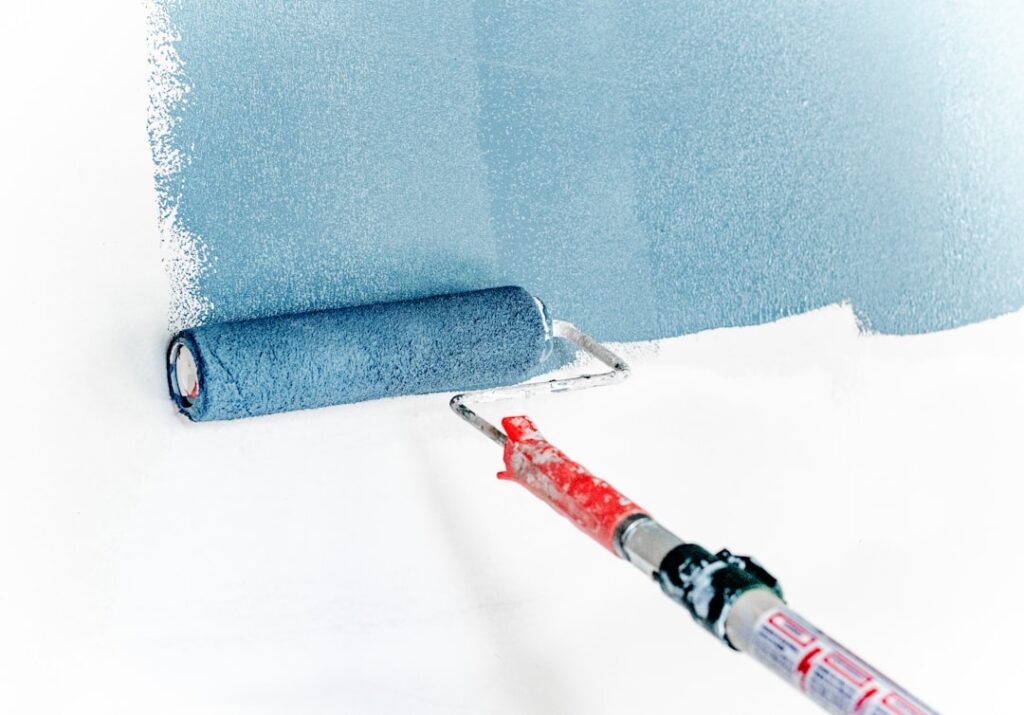
Lead-based paint lurks in millions of homes built before 1978, and homeowners who discover it face a practical problem: what to do about it without creating a bigger hazard. The instinct to scrape and sand is often the worst approach, because it scatters lead dust through the home. Knowing how to get rid of lead paint means understanding the safe options — removal, encapsulation, and enclosure — and recognizing when the job belongs to a certified professional. This guide summarizes EPA and HUD guidance current for educational purposes; consult a certified lead professional for decisions about your home.
Part of our Lead Paint & Lead Testing guide — start there for the full picture →
Is this mold, asbestos, or water damage? Get a free instant screen
Upload a clear photo of the suspect area. You'll get an instant AI screening opinion and what to do next. This is screening guidance, not a professional determination.
Screening guidance only. AI can be wrong. Confirm asbestos, mold type, or lead with lab testing or a licensed professional before acting.
The safe ways to deal with lead paint
There are three accepted approaches to lead-based paint, and “getting rid of it” does not always mean physical removal. The methods are abatement by removal, encapsulation, and enclosure. Each manages the hazard differently, and the right choice depends on the surface, its condition, and the home’s situation.
Removal physically takes the paint off. Encapsulation seals it under a specialized coating. Enclosure covers it with a solid barrier like new drywall or siding. All three break the path between the lead and the people in the home. The dangerous approach — uncontrolled dry scraping, sanding, or torch removal — does the opposite by turning solid paint into inhalable, ingestible dust. Our guide to lead and asbestos in older homes explains why lead dust, especially around children, is the central concern.
Encapsulation: sealing the paint in place
Encapsulation applies a liquid coating specifically formulated to bond over lead paint and form a durable, lead-tight barrier. It is one of the least disruptive and most affordable options because it leaves the paint in place rather than disturbing it. Encapsulants are different from ordinary paint — they are tested products designed to flex and adhere without cracking.
Encapsulation works best on surfaces in good condition that are not subject to friction or impact. It is poorly suited to windows, doors, and floors where rubbing and wear would breach the coating. Surfaces that are already peeling or deteriorating must be stabilized first, and heavily damaged paint may not be a candidate at all. For a deeper look at when this method is appropriate, our explainer on lead paint encapsulation covers product types and limitations.
Enclosure: covering the hazard
Enclosure places a permanent solid barrier over the lead-painted surface. Common examples include installing new drywall over old painted walls, paneling, or new siding over painted exterior surfaces. The lead paint remains but is sealed behind a durable material that prevents contact and dust.
Enclosure is durable and effective when done correctly, but it carries a lasting responsibility: future owners and renovators must know the lead paint is still there. If someone later cuts into that drywall or removes the siding without precautions, the hazard returns. Documentation matters so the next person does not unknowingly disturb the underlying paint. This makes enclosure a good fit for surfaces that will not be disturbed, paired with clear records for the home.
Removal: taking the paint off safely
Removal eliminates the lead paint entirely, but it is also the riskiest method because it generates the most dust and debris. Safe removal uses methods that control dust: wet scraping, chemical strippers, or specialized tools fitted with HEPA-filtered vacuum attachments. Prohibited and dangerous methods include open-flame torching, uncontrolled power sanding, and dry sandblasting — each aerosolizes lead.
Because removal is hazardous, it is the method most likely to require a certified professional. The work area must be contained with plastic sheeting, occupants and pets kept away, and debris collected and disposed of as hazardous waste. Cleanup involves HEPA vacuuming and wet wiping, followed by clearance testing to confirm the dust levels are safe. The detailed procedures behind doing this correctly are covered in our guide on removing lead paint.
Why DIY scraping is so risky
The most common mistake is treating lead paint like ordinary old paint — scraping or sanding it dry during a routine repaint. A single sanding session can spread lead dust across floors, into carpet, and through the air, where it settles on surfaces children touch and put in their mouths. Lead exposure is especially harmful to young children and pregnant women, affecting brain development at low levels. The EPA’s Renovation, Repair and Painting program requires firms working on pre-1978 housing to be certified and to use lead-safe practices precisely because uncontrolled disturbance is so dangerous.
When to hire a certified professional
Federal rules require that renovation, repair, and painting work disturbing lead paint in pre-1978 homes and child-occupied facilities be performed by EPA- or state-certified firms using lead-safe work practices. Full abatement — work intended specifically to permanently eliminate lead hazards — is regulated even more strictly and must be done by certified abatement professionals.
For practical purposes, homeowners should hire a certified professional for any significant removal, for work involving large areas or friction surfaces, and whenever children or pregnant women live in the home. Choosing the right contractor matters, and our guide to choosing a lead paint removal company explains how to verify certification and references. Before any work begins, confirming where the lead actually is — through lead-based paint testing — prevents disturbing surfaces unnecessarily.
Choosing the right method for your home
The decision rests on a few questions. Is the surface in good condition and free from friction? Encapsulation or enclosure may suffice. Is it a window, door, or floor subject to wear? Removal or replacement of the component is often better. Are children present? The standard rises, and professional involvement becomes more important.
Cost also factors in. Encapsulation and enclosure are generally cheaper and faster than full removal, which is labor-intensive and generates regulated waste. Many homes use a mix — encapsulating stable walls, replacing painted windows, and enclosing exterior surfaces. Whatever the approach, the guiding rule is to avoid creating lead dust. A method that keeps the paint intact and undisturbed protects the household better than aggressive removal done carelessly, and a certified professional can recommend the right combination for a specific home.
How professionals contain and clean up lead work
The difference between safe and dangerous lead work often comes down to containment and cleanup, not the removal method itself. Certified crews seal the work area with plastic sheeting on floors and over doorways, shut down HVAC to prevent dust from circulating, and keep occupants — especially children and pregnant women — out of the home during the work. Workers wear protective clothing and respirators, and they avoid the prohibited methods that aerosolize lead: open-flame burning, uncontrolled power sanding, and dry abrasive blasting.
Cleanup is as important as removal. Lead dust is fine enough to settle into carpet fibers, window troughs, and floor seams where ordinary vacuuming spreads it. Crews use HEPA-filtered vacuums and wet-wiping methods, working from clean areas toward dirty ones, and dispose of debris and used plastic as regulated waste. After abatement work, clearance testing — dust-wipe sampling analyzed by a lab — confirms the lead levels are below the hazard threshold before the family returns. This verification step is what separates a genuinely safe job from one that merely looks finished, and it is why professional removal is the standard for significant work.
Window and friction surfaces deserve special attention
Windows are the worst offenders in a lead-painted home. The friction of opening and closing a sash grinds painted surfaces into dust that collects on the sill and floor where children play and put their hands. Doors, stair treads, and painted floors share the same problem. Because encapsulation cannot survive this constant abrasion, the better solution for friction surfaces is often replacement — installing new windows or doors removes the hazard permanently rather than sealing over it. Prioritizing these high-friction components frequently delivers the largest reduction in a child’s exposure for the money spent.
Protecting children during and after the work
Children under six are the population most at risk from lead, because their developing nervous systems are vulnerable and their hand-to-mouth behavior makes ingestion of dust likely. Even low levels of lead exposure can affect learning, attention, and behavior, which is why the entire framework of lead-safe work centers on keeping dust away from kids. Families should arrange for children and pregnant women to stay elsewhere while any lead work is underway and until clearance testing confirms the home is safe.
After the work, ongoing habits reduce residual risk: frequent wet-cleaning of floors and windowsills, washing children’s hands and toys, and addressing any new paint deterioration promptly. Parents concerned about exposure that may have already occurred can ask a pediatrician about a blood lead test, which measures actual exposure rather than the environmental source. Pairing safe removal with these protective routines — and confirming where the lead is through proper lead-based paint testing first — gives a household the strongest protection.
The cost of dealing with lead paint
Cost varies widely with the method and the scope, and understanding the ranges helps homeowners plan. Encapsulation is the most economical option, since it uses specialized coatings applied over stable surfaces without disturbing the paint. Enclosure costs more because it involves installing new drywall, paneling, or siding, but it can pair with a renovation a homeowner planned anyway. Full removal is the most expensive, driven by labor, containment, protective measures, regulated-waste disposal, and clearance testing.
Component replacement sits between these — swapping out lead-painted windows or doors costs the price of the new units plus safe removal of the old ones, but it permanently eliminates the worst friction-surface hazards. Whole-home abatement by certified professionals can run into the thousands or tens of thousands depending on the home’s size and condition. Many households phase the work, tackling the highest-risk areas first — children’s bedrooms, play areas, and friction surfaces — and addressing lower-priority surfaces over time. Spreading the project this way manages both the budget and the disruption while reducing exposure where it matters most.
Lead paint in older Front Range homes
Colorado’s older neighborhoods include many homes built before the 1978 federal ban on lead in residential paint, so the hazard is genuinely relevant across the Front Range. Homes in established Denver-area neighborhoods, older parts of Colorado Springs, and longstanding communities throughout the region may carry lead paint on original windows, trim, doors, and exterior surfaces. Renovation activity in these areas — common as buyers update older housing stock — is exactly the situation that risks disturbing lead.
Homeowners updating a pre-1978 Front Range home should treat lead testing as a routine first step before sanding, scraping, or demolishing painted surfaces, and should hire certified professionals for work that disturbs lead. The federal lead-safe work rules apply regardless of state, and the health stakes for children are the same everywhere. A measured approach — test first, choose the right method, and use certified help for significant removal — protects a household while keeping an older home livable and updated. The broader hazard picture for these homes is covered in our guide to lead and asbestos in pre-1978 housing.
References
- Lead Renovation, Repair and Painting Program — U.S. Environmental Protection Agency
- Lead-Based Paint Hazard Guidance — U.S. Department of Housing and Urban Development
- Lead in Paint and Prevention — Centers for Disease Control and Prevention
Frequently asked questions
Do I have to remove lead paint from my home?
Not necessarily. Intact lead paint can often be managed safely through encapsulation or enclosure rather than removal. The priority is preventing lead dust, especially where children or pregnant women live.
Can I remove lead paint myself?
Federal rules require certified firms for work disturbing lead paint in pre-1978 homes, and full abatement must be done by certified professionals. Uncontrolled DIY scraping or sanding spreads hazardous lead dust and is strongly discouraged.
What is the difference between encapsulation and enclosure?
Encapsulation seals the paint under a specialized bonding coating. Enclosure covers it with a solid barrier like new drywall or siding. Both keep the lead in place behind a protective layer.
Why is sanding lead paint dangerous?
Dry sanding turns solid paint into fine lead dust that settles on surfaces and can be inhaled or ingested, posing serious risks to children's brain development. Dust-controlled methods are required instead.
If your older home may have lead paint and you want help connecting with a certified assessment professional on the Front Range, get in touch through our contact page.
Lead paint test kits
Instant swab kits flag lead on painted surfaces in minutes — useful before a renovation in any pre-1978 home.
| Product | Why | Buy |
|---|---|---|
 3M LeadCheck Swabs 3M LeadCheck Swabs | EPA-recognized instant swabs. | Amazon — $15.00 |
 Lead Test Kit (lab-based) Lead Test Kit (lab-based) | Mail-in for a documented result. | Amazon — $65.00 |