Lead Based Paint Testing: What Homeowners Need to Know
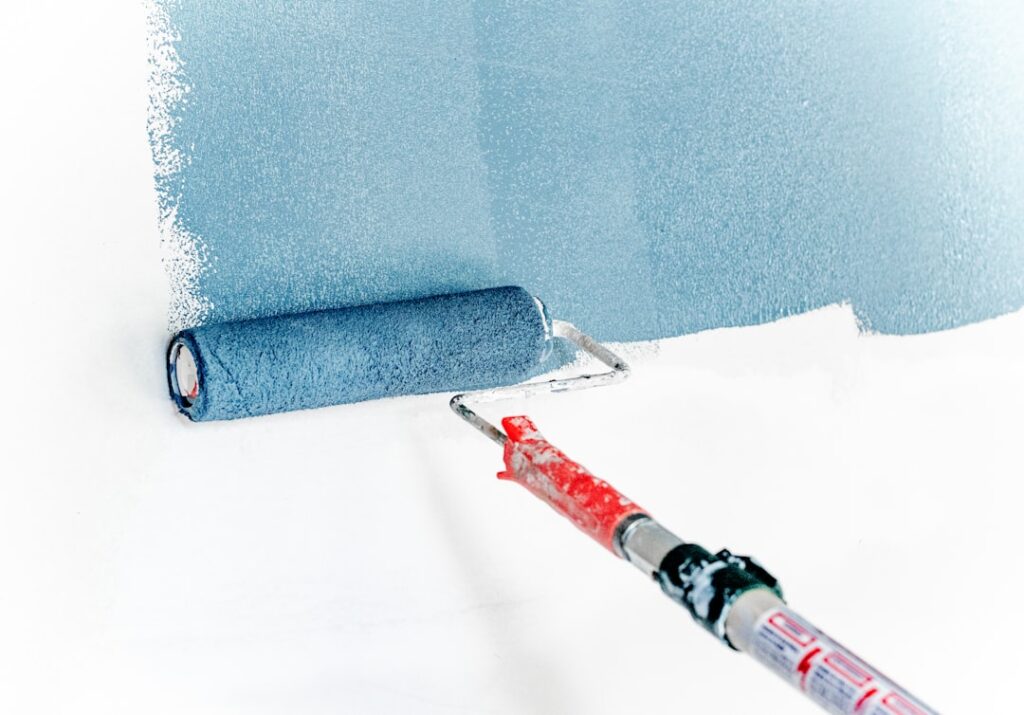
Lead paint was banned for residential use in the United States in 1978, but it remains on the walls, trim, and windows of millions of older homes. When it deteriorates into chips and dust, it poses a serious risk — especially to young children and pregnant women. Lead based paint testing is how a homeowner finds out whether a surface is hazardous before sanding, renovating, or letting a toddler crawl near a chipping windowsill. This guide summarizes EPA, HUD, and CDC guidance current as of 2026; consult a certified lead professional and your physician for any health concerns, because testing decisions and exposure questions should rest on confirmed data, not assumptions.
Part of our Lead Paint & Lead Testing guide — start there for the full picture →
Is this mold, asbestos, or water damage? Get a free instant screen
Upload a clear photo of the suspect area. You'll get an instant AI screening opinion and what to do next. This is screening guidance, not a professional determination.
Screening guidance only. AI can be wrong. Confirm asbestos, mold type, or lead with lab testing or a licensed professional before acting.
What is lead based paint testing and when do you need it?
Lead based paint testing determines whether paint on a surface contains lead above the federal hazard threshold. It is warranted any time a home built before 1978 has deteriorating paint, or before any renovation, repair, or painting that will disturb painted surfaces. The methods range from DIY swab kits and lab-analyzed paint chips to professional X-ray fluorescence (XRF) testing performed by a certified risk assessor. The EPA defines lead-based paint as paint containing lead at or above 1.0 milligram per square centimeter or 0.5 percent by weight.
Testing matters most where children live or visit, because lead exposure can impair brain development at low levels. The full picture of lead hazards in older homes — paint, dust, soil, and water — is mapped in the guide to asbestos and lead in pre-1978 housing.
The testing methods compared
Three approaches dominate, each with trade-offs:
- DIY swab kits: rub-on chemical swabs (rhodizonate or sodium sulfide based) that change color in the presence of lead. Cheap and instant, but they give a yes/no result, not a quantity, and can produce false negatives on coated or layered surfaces.
- Lab-analyzed paint chips: a small chip is scraped into a container and mailed to an accredited lab, which reports the precise lead concentration. More accurate than swabs and still affordable.
- XRF analysis: a certified inspector uses a handheld X-ray fluorescence device that reads lead through multiple paint layers without damaging the surface. It is the gold standard for whole-home assessment and is non-destructive.
For renovation decisions and quick checks, swabs and lab chips often suffice. For a comprehensive risk assessment — say, before buying a 1940s home with children — XRF by a certified professional is the most reliable. The DIY swab option is covered in more detail in the guide to the D-Lead test kit.
EPA-recognized test kits and their limits
The EPA recognizes certain DIY test kits for the purpose of determining whether regulated work practices apply to a renovation. Even recognized kits have limits: they confirm presence, not concentration, and they cannot reliably assess lead in dust or soil. A negative swab on one spot does not clear the whole house, since lead is often unevenly distributed across rooms, layers, and components.
For an authoritative, defensible result — for a real estate transaction, a rental, or a child with an elevated blood-lead level — a certified inspector or risk assessor performing XRF and dust-wipe sampling is the appropriate step. The broader inspection process is described in the guide to lead inspection.
There is a meaningful difference between a lead inspection and a lead risk assessment. An inspection identifies where lead-based paint is present throughout a home. A risk assessment goes further, evaluating which of those surfaces actually pose a hazard — deteriorating paint, lead dust on floors and sills, and bare soil — and recommending specific controls. A family with a young child who has tested high for lead typically needs the risk assessment, because it pinpoints the active exposure pathways rather than just cataloging where lead exists.
Beyond paint: dust, soil, and water
Paint is only one exposure route. Lead paint that deteriorates becomes lead dust on floors and windowsills — the most common way children are exposed. Soil near older homes can carry lead from decades of exterior paint shedding. And lead can leach into drinking water from older pipes, solder, and fixtures. A thorough assessment may include dust-wipe samples, soil samples, and a water test in addition to paint testing.
Each route has its own threshold and remedy. Water testing in particular is a separate process, explained in the guide to the water lead test kit, and worth running on any pre-1986 home where lead plumbing components may remain.
What lead paint testing costs
DIY swab kits run roughly $10 to $30 for a multi-test pack. Lab analysis of mailed paint chips typically costs $20 to $60 per sample. A professional XRF inspection or full risk assessment of a single-family home commonly ranges from a few hundred dollars to around $700 on the Front Range, depending on home size and how many components and dust-wipe samples are included. The professional route costs more but delivers a documented, room-by-room picture rather than a single spot check.
Match the method to the stakes. A quick swab before repainting one room is reasonable; a full risk assessment makes sense before purchasing an older home or when a child has an elevated blood-lead reading.
Who is most at risk and why testing matters
The CDC is clear that no safe blood-lead level has been identified in children. Young children are the most vulnerable group because their developing brains and nervous systems are highly sensitive to lead, and because normal hand-to-mouth behavior means they ingest the dust that settles on floors and windowsills. Pregnant women are also at elevated risk, since lead can cross the placenta and affect fetal development.
This is why testing before a renovation in an older home is not a bureaucratic box to check. Sanding a 1950s windowsill with a power sander can blanket a child’s bedroom in invisible lead dust in minutes. Testing identifies the hazard so the work can be done safely — contained, wet, and HEPA-cleaned — rather than turning a routine repaint into an exposure event. On the Front Range, the housing stock includes plenty of pre-1978 homes in older Denver, Boulder, and Pueblo neighborhoods where this risk is real.
Reading results and acting safely
If testing confirms lead, the next step is not panic but containment and qualified work. Under EPA’s Renovation, Repair, and Painting (RRP) Rule, contractors disturbing lead paint in pre-1978 homes must be certified and follow lead-safe work practices — containment, HEPA vacuuming, and wet methods. Homeowners doing their own work should never dry-sand, dry-scrape, or use a heat gun above safe temperatures on lead paint, all of which generate hazardous dust.
Intact, well-maintained lead paint is generally lower-risk than deteriorating paint. Options include encapsulation, enclosure, component replacement, or full removal by a certified professional. For symptoms or an elevated blood-lead result, consult a physician — testing tells you what is on the wall, but a doctor addresses exposure.
Reducing exposure while you plan
Between discovering lead and addressing it, simple interim measures cut a household’s exposure. Regular wet-cleaning of floors, windowsills, and window wells with a damp cloth or mop removes settled lead dust far better than dry sweeping or a standard vacuum, which can scatter fine particles. A HEPA-filter vacuum is the safer tool where dust is a concern. Frequent handwashing for children, especially before meals and after play, interrupts the hand-to-mouth pathway that drives most childhood exposure.
Keeping painted surfaces intact also matters. A chipping windowsill or a doorframe with flaking paint is an active source; covering or carefully stabilizing it — without sanding or scraping that creates dust — reduces what enters the air and settles on floors. Bare soil near an older home’s foundation, where exterior paint may have shed over decades, can be covered with mulch, grass, or ground cover to limit a child’s contact with contaminated dirt.
These steps are stopgaps, not solutions. They reduce exposure while a homeowner arranges proper testing and, if needed, certified work, but they do not remove the underlying hazard. A family with a young child who has tested high for lead should treat the situation with urgency and lean on their physician and local health department for guidance, since the combination of medical monitoring and hazard control is what actually protects the child. Testing identifies the hazard; interim cleaning limits exposure; certified work resolves it.
Put simply, lead testing is the inexpensive front end of a manageable problem. A swab pack costs a few dollars, a lab-analyzed chip a few tens, and even a full professional risk assessment is modest against the value of knowing exactly what is on the walls of a child’s home. The cost of skipping it — a renovation that fills a bedroom with lead dust, or years of low-level exposure no one measured — is far higher and far harder to reverse. For any pre-1978 home, especially one with children or a planned renovation, testing first is the step that turns an invisible, century-old hazard into a defined, solvable one.
Choosing the right method comes down to the stakes and the use. For a homeowner curious about one wall before a repaint, a recognized swab kit answers the basic question cheaply. For a documented result in a purchase, rental, or health investigation, lab-analyzed chips or a certified professional’s XRF and dust-wipe assessment give the authoritative answer that decisions can rest on. Matching the method to the need avoids both overspending on a simple question and under-testing where a child’s health or a real estate transaction is on the line.
Testing during a home purchase or rental
Lead paint testing intersects with two common transactions. In a home sale, federal law requires sellers and landlords of most pre-1978 housing to disclose known lead-based paint and provide the EPA’s lead-hazard pamphlet, and to give buyers a 10-day window to conduct a lead inspection or risk assessment if they choose. A buyer of an older home can use that window to bring in a certified inspector, particularly if young children will live there. The disclosure tells the buyer what the seller knows; the inspection tells the buyer what is actually present.
For renters and landlords, the same disclosure rules apply, and a landlord who renovates a pre-1978 rental must use lead-safe certified work practices. A tenant concerned about deteriorating paint can request the disclosure and, where a child’s health is at stake, ask the local health department about resources for testing. Documenting the condition protects both sides.
On the Front Range, older neighborhoods in Denver, Boulder, and surrounding communities include substantial pre-1978 housing, so this is not a fringe concern. A buyer touring a 1940s bungalow with charming original windows should remember that those windows are also the most common source of lead dust, because the friction surfaces grind paint into powder every time the sash moves. Folding a lead assessment into the inspection period costs a few hundred dollars and can shape both the purchase decision and the renovation plan. It is far cheaper to know before closing than to discover a hazard after a child has been exposed.
References
- Lead-based paint activities and testing — U.S. Environmental Protection Agency
- Lead hazard control in housing — U.S. Department of Housing and Urban Development
- Childhood lead poisoning prevention — Centers for Disease Control and Prevention
Front Range homeowners weighing lead paint testing on an older property can contact us here to be connected with a certified lead inspector.
Lead paint test kits
Instant swab kits flag lead on painted surfaces in minutes — useful before a renovation in any pre-1978 home.
| Product | Why | Buy |
|---|---|---|
 3M LeadCheck Swabs 3M LeadCheck Swabs | EPA-recognized instant swabs. | Amazon — $15.00 |
 Lead Test Kit (lab-based) Lead Test Kit (lab-based) | Mail-in for a documented result. | Amazon — $35.00 |