How Do You Get Rid of Asbestos: Homeowner Guide
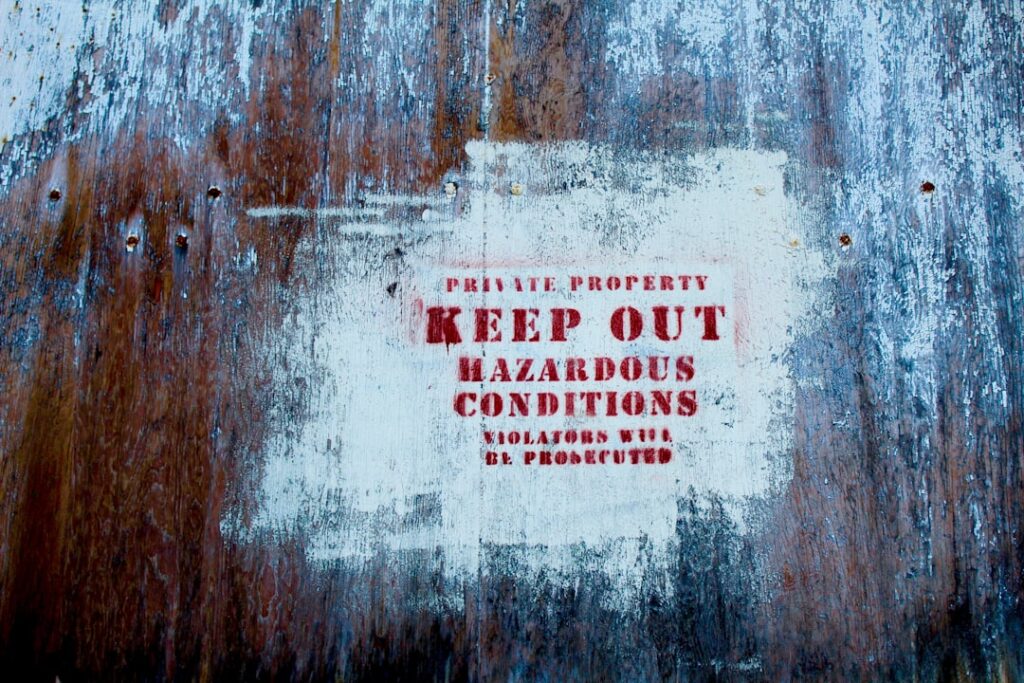
How do you get rid of asbestos in a house, attic, ceiling, or pipe lagging? The direct answer is that homeowners do not get rid of asbestos themselves. Federal and Colorado regulations route every meaningful removal job through a licensed abatement contractor working under the EPA’s National Emission Standards for Hazardous Air Pollutants (NESHAP) and, in Colorado, the Colorado Department of Public Health and Environment’s Air Pollution Control Division. This guide summarizes EPA and CDPHE guidance current as of 2026 and is informational only; consult a certified professional before any sampling or removal decision.
Part of our Asbestos in the Home guide — start there for the full picture →
Is this mold, asbestos, or water damage? Get a free instant screen
Upload a clear photo of the suspect area. You'll get an instant AI screening opinion and what to do next. This is screening guidance, not a professional determination.
Screening guidance only. AI can be wrong. Confirm asbestos, mold type, or lead with lab testing or a licensed professional before acting.
The honest answer: licensed abatement only
Asbestos is a hazardous air pollutant regulated under the federal Clean Air Act. NESHAP, codified at 40 CFR Part 61 Subpart M, governs how asbestos-containing material is identified, handled, removed, transported, and disposed. The rule applies to any disturbance of regulated asbestos-containing material (RACM) in a structure, and Colorado adopts NESHAP through CDPHE Regulation 8 Part B with several stricter additions. Both frameworks treat residential removal as a licensed-contractor activity once any threshold quantity is involved.
In Colorado the threshold above which a CDPHE-certified asbestos abatement contractor is required is 50 linear feet of pipe, 32 square feet of any surface, or one 55-gallon drum equivalent of waste. Below that threshold the work may technically be performed by a Colorado-certified Asbestos Building Inspector or trained homeowner, but practical reality is that most jobs hit the threshold quickly. A single bathroom of asbestos-containing floor tile, a basement run of pipe insulation, or a popcorn ceiling on one room all meet or exceed the thresholds.
What the licensed-removal workflow looks like
Before any removal can begin, a Colorado-certified Asbestos Building Inspector collects bulk samples and sends them to an NVLAP-accredited lab for analysis by polarized light microscopy (PLM). Once a positive result returns, the homeowner contracts with a CDPHE-licensed General Abatement Contractor (GAC). The GAC files a 10-day NESHAP notification with CDPHE and pays the per-project regulatory fee.
On the day of abatement, the crew sets up a containment zone using two layers of 6-mil polyethylene sheeting on every wall and the floor, with an airlock decontamination unit at the entrance. HEPA-filtered negative-air machines maintain the containment under negative pressure relative to the surrounding rooms, preventing fiber escape. Workers wear full Tyvek suits, respirators with P100 cartridges, and dispose of every consumable as asbestos waste. The whole process is documented step by step in the getting rid of asbestos walkthrough.
After removal, a third-party industrial hygienist performs clearance air sampling inside the still-sealed containment. Phase Contrast Microscopy (PCM) for total fiber count or, for friable material, Transmission Electron Microscopy (TEM) analyzes the samples. Clearance criteria require fiber concentrations below 0.01 fibers per cubic centimeter (PCM) or below 70 structures per square millimeter (TEM). Only after a passing clearance result may the containment be removed.
Why homeowner DIY removal is not the workflow
Homeowners sometimes search for DIY asbestos-removal techniques. Federal and Colorado regulations do not strictly prohibit a homeowner from removing asbestos from their own primary residence in some scenarios. The reasons not to attempt it are practical rather than legal. First, asbestos fibers are 5,000 to 10,000 times thinner than a human hair and cannot be seen or felt during disturbance. By the time the homeowner stops working, the entire home interior may be contaminated. Second, household HEPA vacuums do not match the airflow specifications required for safe cleanup. Third, the disposal pathway requires a CDPHE-certified solid waste landfill that accepts asbestos, and the homeowner must transport the double-bagged waste in a sealed leak-tight container with proper labeling.
Fourth, any subsequent home sale will be encumbered by the unsupervised removal. Buyers’ inspectors discover residual fiber-shed pathways, leading to renegotiation or full re-abatement at sale time. The cost of correcting an improper DIY removal is consistently higher than hiring a licensed contractor in the first place.
Cost and timeline expectations
Front Range asbestos abatement pricing is variable by scope, but typical 2026 ranges are: $1,500 to $3,000 for a small isolated removal (single pipe section or floor tile in one bathroom); $3,000 to $8,000 for a medium project (popcorn ceiling in one or two rooms, or pipe lagging in a basement); $15,000 to $30,000 for a whole-home removal (siding, roofing, or extensive interior). The cost includes containment setup, removal labor, waste transport and disposal fees, and the clearance air-sampling pass. Inspection and lab analysis are billed separately, typically $400 to $800.
Timeline for a single-room popcorn ceiling abatement is typically two days plus a one-day clearance turnaround. Pipe-insulation jobs are similar. Whole-home siding or roofing abatements run one to two weeks. Buyers should always require a written estimate that itemizes containment, labor, disposal, and clearance, because hidden cost variability among those categories is the most common source of dispute.
Asbestos in the Front Range housing stock
Colorado homes built before 1980 commonly contain asbestos in vinyl floor tile (especially 9 x 9 patterns), pipe insulation, popcorn ceilings (sprayed acoustic texture), exterior siding (transite or cement-asbestos board), HVAC duct tape and mastic, joint compound, and the felt backing of sheet vinyl. The 1973 EPA partial ban removed some products from the market, but stockpiles continued to be installed through the early 1980s. A 1978 cutoff is the practical screening date used by most Colorado contractors, mirroring the federal lead-paint disclosure cutoff.
What homeowners do during the abatement window
During the abatement window itself, the homeowner has limited role beyond contracting and observing. The CDPHE-licensed contractor takes full operational control of the abatement zone. Homeowners are typically asked to: vacate the property if the abatement zone is not fully isolatable from living space; shut down the HVAC system and seal supply and return registers in the abatement zone; remove or cover personal items in or near the work area to prevent fiber settlement on belongings; and remain available by phone for unexpected scope changes that arise during the work.
Some homeowners arrange to be on site during the first day of containment setup to observe the work and verify the contractor’s PPE practices. This is normal and contractors generally welcome reasonable observation. Photo documentation by the homeowner is acceptable and useful for personal records. The homeowner should not enter the active containment zone after work begins; the negative-pressure differential and the active fiber-release environment make that unsafe without proper PPE and credentialed entry.
What happens if asbestos is found during a renovation
A common Front Range scenario is asbestos discovered mid-renovation when a contractor uncovers pipe insulation in a wall cavity or finds suspect material on a basement ceiling that was previously covered. The renovation contractor’s correct response is to stop work immediately, post warning signs, isolate the area, and instruct the homeowner to contract with a Colorado-certified Asbestos Building Inspector for sampling. Continuing renovation work into suspect material violates federal and state regulations and creates significant liability for the renovation contractor.
If renovation contractors are pressured by homeowners to “just continue,” they should refuse. Insurance carriers exclude coverage for asbestos-related claims when work proceeded without proper sampling. Reputable Front Range renovation firms train their crews to recognize the most common suspect materials (pipe lagging with crinkled paper or air-cell insulation, vinyl floor tile in 9×9 patterns, transite siding, popcorn ceiling spray) and have protocols to halt work upon discovery. The get rid of asbestos process overview walks through how mid-renovation discovery typically unfolds.
When sampling alone is enough
In a small subset of cases, an inspector’s sample comes back negative for asbestos, and removal becomes a normal renovation activity. Negative PLM results below the 1-percent detection limit clear the material under NESHAP and most state regulations. However, friable materials with PLM detection in the 0.5 to 1 percent range sometimes warrant a confirmatory TEM analysis, since PLM can under-detect in finely ground or weathered samples. The licensed inspector recommends TEM follow-up where appropriate.
Front Range homeowners can also review the asbestos and lead pillar hub for the full pre-1978 hazard framework before deciding whether to sample, abate, or simply manage the material in place.
Common Front Range asbestos discovery scenarios
The Front Range housing stock includes large numbers of homes built between 1945 and 1980, the peak era of asbestos use in residential products. Specific scenarios that homeowners commonly encounter include: 1960s and 1970s ranch homes with original vinyl asbestos floor tile in 9×9 inch patterns, often in kitchens, bathrooms, and basement utility rooms; 1950s to 1980s homes with asbestos-containing popcorn ceiling spray (also called acoustic ceiling texture); 1940s through 1970s homes with asbestos pipe insulation on hot-water heating systems and HVAC distribution, particularly noticeable as crinkled paper or air-cell wrap; 1950s to 1970s homes with transite (cement-asbestos) exterior siding panels or roof shingles; and homes of any pre-1980 era with vermiculite attic insulation (the Zonolite brand) that may be contaminated with tremolite asbestos.
Each scenario has typical scope characteristics. Vinyl floor tile is widespread but non-friable and removable with relatively low complexity. Popcorn ceiling is friable and requires careful Class I containment. Pipe insulation is friable and requires glove-bag or full-containment removal. Transite siding is non-friable but requires careful wet-method handling to avoid breakage during removal. Vermiculite is the most challenging because it occupies attic spaces with limited access and fills wall cavities through pour-in installation. CDPHE-licensed contractors are familiar with each scenario and adjust pricing and timeline accordingly.
Pre-1978 disclosure during sale
Colorado does not require sellers to disclose suspected asbestos in pre-1978 homes by law, but the federal lead-paint disclosure rule under HUD Title X (Lead-Based Paint Hazard Reduction Act) does require disclosure of any known lead-based paint hazards. Asbestos and lead often coexist in homes of the same era, so the disclosure form’s discussion sometimes prompts conversations about asbestos as well. Reputable Front Range realtors guide sellers to disclose any known prior testing results or visible suspect materials, both to avoid post-closing disputes and because buyers will likely discover the materials anyway during inspection contingency.
The practical effect is that buyers of pre-1978 Front Range homes routinely include asbestos sampling in their inspection contingency. Sellers who proactively test before listing and have lab results in the disclosure packet often see smoother transactions than sellers who leave the question unanswered. The cost of pre-listing inspection ($400 to $800) is modest compared to the price impact of unresolved asbestos uncertainty during buyer inspection.
Manage-in-place as an alternative to removal
For some asbestos-containing materials in good condition and not subject to disturbance, manage-in-place may be a reasonable alternative to removal. The principle is that intact, undisturbed asbestos-containing material poses limited exposure risk because fibers are bound within the matrix and not airborne. Encapsulation (sealing the surface with a specialty coating) and enclosure (covering with a barrier such as new drywall over a popcorn ceiling) are two manage-in-place strategies that EPA and CDPHE both recognize as acceptable for non-friable or low-friability material in good condition.
Manage-in-place is appropriate when: the material is in good condition with no visible damage or deterioration, the material is not subject to mechanical disturbance during normal occupancy, the homeowner has no near-term plans to renovate the affected area, and a written operations-and-maintenance (O&M) plan documents the management approach. The O&M plan should include periodic visual inspection (typically annual), prohibition of any drilling or disturbance without proper sampling, and a plan for eventual removal if the material’s condition deteriorates. Front Range homeowners who choose manage-in-place often do so as a temporary measure pending future renovation or sale.
References
- EPA NESHAP asbestos regulations — U.S. Environmental Protection Agency
- CDPHE Regulation 8 Part B asbestos rules — Colorado Department of Public Health and Environment
- OSHA asbestos exposure standards — Occupational Safety and Health Administration
- NIOSH asbestos health hazard summary — Centers for Disease Control and Prevention
Front Range homeowners who want a connection to a vetted, CDPHE-licensed abatement contractor before scheduling any work can get in touch here.