What to Do If Exposed to Asbestos: A Plain Guide
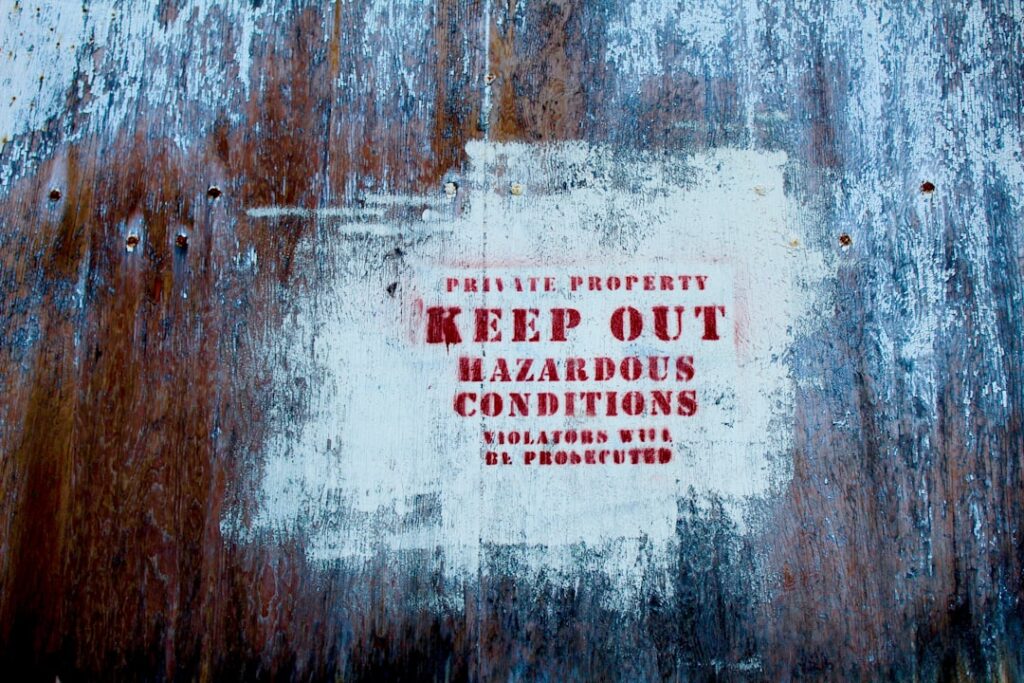
You were drilling into an old ceiling, pulling up vintage floor tile, or breaking apart a crumbling pipe wrap when the thought hit: that might have been asbestos. The first thing to know is that a single, brief exposure is not the same as the years of heavy occupational exposure that drove most asbestos disease, and panic helps no one. Knowing what to do if exposed to asbestos is mostly about a few calm, practical steps: stop the disturbance, contain the area, clean up correctly, and talk to a doctor about your situation. This guide summarizes EPA, CDC, and OSHA guidance current as of 2026 and is informational only; it does not diagnose any condition, and a physician should address your individual health questions. The sections below walk through the response in order.
Part of our Asbestos in the Home guide — start there for the full picture →
Is this mold, asbestos, or water damage? Get a free instant screen
Upload a clear photo of the suspect area. You'll get an instant AI screening opinion and what to do next. This is screening guidance, not a professional determination.
Screening guidance only. AI can be wrong. Confirm asbestos, mold type, or lead with lab testing or a licensed professional before acting.
What to Do If Exposed to Asbestos: First Steps
The moment you suspect you have disturbed asbestos, stop. Put down the tool, stop cutting, sanding, sweeping, or breaking the material, because continuing the activity is what keeps releasing fibers into the air. The single most useful action in the first minute is simply to halt whatever is generating the dust.
Next, leave the area and limit how many people enter it. Move yourself, family members, and pets out of the immediate space and close the door behind you. Do not run a fan or the HVAC system in a way that would blow the dust around or distribute it through the home; if the air handler is running and pulling from that room, turning it off helps keep fibers from spreading through the ductwork.
Then take stock calmly. Note what the material was, how much was disturbed, and for how long. A quick drill hole into one suspect tile is a very different event from an afternoon of dry-sanding old panels. That assessment, not alarm, guides the rest of the response, and it is the information a professional or doctor will ask about.
Isolate and Limit the Spread
Once everyone is out, the goal is to keep fibers from migrating to the rest of the home. Keep the door to the affected room shut. If it is practical and safe, you can seal gaps around the door with tape and plastic, the kind of containment professionals use, though for a small disturbance simply closing off the room is often enough until it can be cleaned properly.
Avoid tracking dust elsewhere. Fibers settle on clothing, shoes, hair, and skin, and walking through the house spreads them. The clothing you wore during the disturbance should be treated as contaminated. Do not shake it out, and do not toss it in the regular laundry with other clothes, since that can release fibers and contaminate the washer. The conservative approach is to bag the clothing for disposal or specialized cleaning and to shower, washing hair and skin to remove any fibers.
Do not reach for a household vacuum or a broom. A standard vacuum blows fine fibers right back into the air through its exhaust, and dry sweeping lofts them. If any cleanup is attempted before professional help, it should use wet methods, damp wiping with disposable cloths, never dry methods. Often the best move for anything beyond the smallest disturbance is to leave the dust in the sealed room and call a professional.
Clean Up the Right Way
For a minor disturbance that you decide to address yourself, the methods matter more than the effort. Everything should be wet. Lightly mist the dust and debris with water so fibers stay weighted down rather than airborne, then wipe surfaces with disposable damp cloths or paper towels. Place all debris, used cloths, and contaminated clothing into a sturdy plastic bag, seal it, and label it as asbestos waste. A second bag around the first adds a margin of safety.
Wear protection while doing this: a properly fitted respirator rated for asbestos, not a paper dust mask, along with disposable gloves and, ideally, disposable coveralls. The protective gear itself goes into the waste bag when finished. Asbestos waste cannot go out with ordinary household trash in Colorado; it must be disposed of at an approved facility, and a licensed contractor can handle this if the amount is more than trivial.
For anything beyond a very small, contained disturbance, the honest recommendation is to stop and bring in a licensed asbestos abatement professional rather than attempt a thorough cleanup yourself. Professionals have the containment, HEPA-filtered equipment, and disposal channels to do it safely, following the broader process described in our overview of removing asbestos. Spending money on a professional cleanup is far cheaper than spreading fibers through a home.
When a Single Exposure Matters
This is the part that helps most with the worry. Asbestos disease is overwhelmingly a function of dose and duration. The serious illnesses, asbestosis, lung cancer, and mesothelioma, are strongly associated with heavy, repeated exposure over years, typically in occupational settings like mining, shipbuilding, insulation work, and construction. A brief, one-time exposure from a home disturbance carries a much lower risk than decades of daily inhalation.
That does not mean a single exposure is meaningless, since health agencies note there is no firmly established safe level of asbestos, but it does mean a one-off event is not the catastrophe people fear in the moment. The factors that raise concern are the amount of fiber released, how long you breathed it, whether it happened repeatedly, and personal risk factors such as smoking, which multiplies the lung-cancer risk from asbestos. A single drill hole sits at the low end of that spectrum; repeated dry demolition over weeks sits at the high end.
The mechanism behind why asbestos is harmful, fibers lodging in lung tissue and causing chronic inflammation, is explained in our guide to why asbestos causes cancer. Understanding that the disease builds from cumulative fiber burden, not a single breath, is the clearest reason a one-time exposure does not warrant panic.
See a Doctor and Keep a Record
After any meaningful exposure, the right professional for your health questions is a physician, not a website. Tell your doctor what happened: the material involved, how much was disturbed, the duration, and any prior asbestos exposure you know of. The doctor can advise whether monitoring is warranted and what to watch for. There is no test that detects fibers from a recent exposure or that diagnoses anything in the immediate aftermath, because asbestos-related conditions take years to decades to develop; this guide does not diagnose any condition.
Keep a written record of the event, the date, the material, the circumstances, and any cleanup performed, since that documentation can matter for future medical monitoring or, in some cases, for legal and insurance purposes. If you experience respiratory symptoms at any point, mention the exposure history to your doctor so it informs their evaluation.
Finally, prevent a repeat. Have suspect materials tested by a certified inspector before any future project, and never disturb confirmed asbestos without professional abatement. For the broader picture of how asbestos and lead appear in older Front Range homes, the pre-1978 housing hazard guide ties prevention into the full inspection context. The measured response, stop, isolate, clean up wet or call a pro, then see a doctor, addresses both the immediate situation and the long-term peace of mind.
Protecting Children, Pets, and Others in the Home
One of the most reassuring things to keep in mind is that the same calm steps that protect you also protect everyone else in the household. After a disturbance, the priority is simply keeping others out of the affected room until it has been cleaned properly or assessed by a professional. Children and pets are worth moving first, not because a brief exposure is likely to cause harm, but because they are lower to the ground where settled dust concentrates and less able to follow precautions on their own.
Avoid the instinct to have family members help with a hurried cleanup. The fewer people who enter the dusty area, the fewer who have any exposure at all, and a single calm person using wet methods and proper protection is far better than several people working without it. Pets that may have walked through the area can carry dust on their fur and paws, so a gentle wipe-down with a damp cloth, rather than vigorous brushing that would loft fibers, is the measured approach.
None of this needs to become a source of fear for a family. The point is straightforward containment: keep people and animals out of the disturbed space, avoid tracking dust through the house, and let trained help handle anything beyond a minor cleanup. Treating the situation as a practical housekeeping problem to be managed methodically, rather than an emergency, is both the safest and the most sensible frame for the whole household.
Common Questions People Worry About
A few specific worries come up again and again after a possible exposure, and addressing them plainly tends to ease the anxiety. One is whether clothing and belongings have to be thrown away. For a minor disturbance, the conservative step is to bag the clothing worn during the event for disposal or specialized cleaning rather than running it through the household wash, but most other belongings in the room can simply be damp-wiped once the dust is controlled. There is no need for a wholesale discarding of possessions over a small event.
Another is whether the home is now permanently contaminated. In almost all cases the answer is no. A localized disturbance creates localized dust, and proper cleanup, whether done with wet methods for a tiny event or by a professional for anything larger, restores the space. The fibers do not multiply or spread on their own; they settle, and settled dust that is wetted and removed is gone. Keeping the room sealed until that cleanup happens is what prevents the dust from migrating elsewhere.
People also ask whether they will know if they were harmed. The honest answer is that there is no immediate test or symptom, because asbestos-related conditions develop over years to decades, not hours. This is not a reason for alarm but a reason to keep a written record of the event and to mention it to a physician, who can advise on whether any monitoring is appropriate for the individual situation. This guide does not diagnose any condition; its role is to point toward calm, practical steps and the right professionals.
Keeping the Event in Perspective
It helps to step back and place a single home exposure in context, because the worry it provokes is often out of proportion to the actual situation. The serious asbestos diseases are overwhelmingly the product of sustained, heavy exposure over years, the kind faced historically by insulation installers, shipyard workers, miners, and tradespeople who breathed fibers daily across a career. A homeowner who drilled into one suspect tile or pulled up a small patch of flooring is at the very low end of any exposure spectrum, and the measured response already covered, stop, isolate, clean up correctly or call a professional, addresses that situation fully.
None of this is a reason to be careless, since health agencies note there is no firmly established safe level, and that is precisely why the right steps matter. But it is a reason not to panic. The actions that protect you are practical and within reach, the cleanup is manageable, and the long-term concern is best handled by noting the event and discussing it calmly with a physician rather than by alarm in the moment.
The most constructive thing a homeowner can take from a scare is the resolve to prevent the next one. Having suspect materials tested before any future project, and never disturbing confirmed asbestos without professional abatement, turns an anxious experience into a lasting habit of caution. That shift, from worry about what already happened to confidence about how to handle the home going forward, is the healthiest outcome of the whole episode.
References
- Protect Your Family from Exposures to Asbestos — U.S. Environmental Protection Agency
- Asbestos Exposure and Health Effects — Centers for Disease Control and Prevention
- Asbestos and Lung Health — American Lung Association
Frequently asked questions
What should I do first if I think I disturbed asbestos?
Stop the activity immediately, since continuing releases more fibers. Leave the room, close the door, and avoid running fans or HVAC that would spread the dust. Then calmly assess how much was disturbed and for how long before deciding on cleanup or calling a professional.
Is a single asbestos exposure dangerous?
Asbestos disease is strongly tied to heavy, repeated exposure over years, usually occupational. A brief one-time home exposure carries much lower risk. There is no firmly established safe level, but a single event is not the catastrophe people often fear in the moment.
How do I clean up asbestos dust safely?
Use wet methods only. Mist the dust with water, wipe with disposable damp cloths, and bag all debris and clothing as asbestos waste. Never use a household vacuum or dry-sweep. For anything beyond a tiny disturbance, call a licensed abatement professional.
Should I see a doctor after asbestos exposure?
Yes, tell your physician what happened, including the material, amount, and duration. The doctor can advise on monitoring. No test detects recent fibers or diagnoses anything immediately, since asbestos conditions take years to develop. This guide does not diagnose any condition.
Front Range homeowners who have disturbed suspect material and want a professional assessment can connect with a vetted local inspector by getting in touch through our contact page.