Friable Asbestos: What Homeowners Need to Know
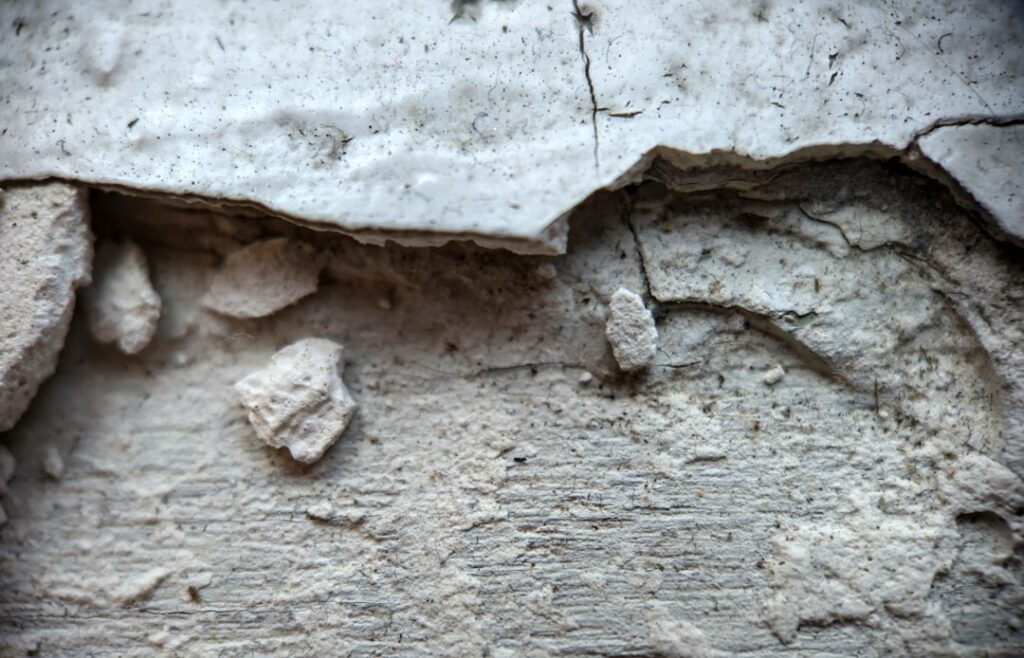
Not all asbestos carries the same risk. The single most important distinction homeowners can learn is the one between friable and non-friable material, because it predicts how easily fibers escape into the air. Friable asbestos is the crumbly, easily damaged form that releases fibers with the slightest disturbance, and it sits at the dangerous end of the spectrum. For owners of older Front Range homes, recognizing friable materials helps you decide what is urgent and what can wait. This guide reflects EPA and CDC guidance current as of 2026 and is informational only; confirm any suspect material through a certified inspector and an accredited lab before acting. The single idea to carry through this guide is that crumbly, easily damaged material is the form that releases fibers most readily, which is why it deserves the most caution.
Is this mold, asbestos, or water damage? Get a free instant screen
Upload a clear photo of the suspect area. You'll get an instant AI screening opinion and what to do next. This is screening guidance, not a professional determination.
Screening guidance only. AI can be wrong. Confirm asbestos, mold type, or lead with lab testing or a licensed professional before acting.
What Is Friable Asbestos?
Friable asbestos is asbestos-containing material that can be crumbled, pulverized, or reduced to powder by hand pressure when dry. That physical property is the whole definition, and it matters enormously. Because the material breaks apart so easily, the microscopic fibers inside it become airborne with little provocation.
Non-friable asbestos, by contrast, is bound tightly into a hard matrix like cement or vinyl. A floor tile or cement siding shingle holds its fibers in place unless it is cut, sanded, or smashed. Friable material needs no such aggressive action; bumping it, brushing against it, or simply letting it deteriorate can release fibers.
The EPA uses this friable versus non-friable distinction in its regulations precisely because airborne fibers are what cause harm. Material that readily becomes airborne is treated as higher risk. For the wider context of asbestos in older homes, the pre-1978 housing hazard guide ties this concept to specific building products.
Why Friable Asbestos Is the Higher-Risk Form
The danger of asbestos comes from inhaling its fibers, not from the material sitting in a wall. Friable material is dangerous because it crosses that threshold so easily. A damaged section of pipe insulation can shed fibers every time air moves past it.
Once airborne, the tiny fibers can stay suspended for hours and travel through a home on air currents. People breathe them in without any warning, since asbestos fibers are too small to see and have no odor. The CDC links inhaled asbestos to serious long-term lung and chest diseases, which is why limiting fiber release is the central goal of safe handling.
This is also why friable materials demand professional attention. A do-it-yourself approach that disturbs crumbly asbestos can contaminate an entire living space.
Where Friable Asbestos Hides in Homes
Friable materials tend to be the soft, fibrous, or sprayed products rather than the hard, molded ones. Knowing the usual locations helps you spot trouble.
- Pipe and boiler insulation, often white or gray wrapping that looks like corrugated paper or plaster
- Sprayed-on fireproofing and acoustic surfacing
- Deteriorating textured “popcorn” ceilings
- Old furnace and duct insulation
- Vermiculite attic insulation, especially from the Libby, Montana source
- Crumbling joint compound and plaster in poor condition
Several of these begin life as borderline cases. A solid popcorn ceiling may be only mildly friable when intact, but water damage or scraping can quickly turn it crumbly. That is why condition matters as much as material type.
Friable Versus Non-Friable: A Practical Comparison
It helps to picture the two categories side by side. Non-friable asbestos includes vinyl floor tile, the black mastic under it, cement siding, roofing shingles, and similar dense products. These generally stay safe while intact and undisturbed.
Friable asbestos includes pipe lagging, sprayed coatings, and deteriorating soft materials. These can release fibers with minimal disturbance and are regulated more strictly. Importantly, a non-friable material can become friable. Sanding a floor tile, grinding cement siding, or letting roofing rot can break the matrix and free the fibers. Our explainer on asbestos flooring shows how a normally low-risk product can shift categories during a careless removal.
How to Recognize a Problem
You cannot confirm asbestos by sight, but you can spot conditions that suggest friable risk. Look for soft, fibrous insulation that is torn, flaking, or shedding dust. Watch for crumbling ceiling texture, especially around water stains. Note any old pipe wrap that is cracked, peeling, or has loose material hanging from it.
The presence of dust or debris near suspect materials is a warning sign that fibers may already be releasing. If you see any of this in a pre-1990 home, the safest assumption is that the material could contain asbestos until a lab proves otherwise. Pay particular attention to basements, crawl spaces, and utility areas, where soft insulation tends to survive untouched and where damage from moisture, pests, or storage activity is common. These low-traffic spaces are exactly where deterioration goes unnoticed, so a deliberate look during any project that takes you down there is worthwhile.
Do not poke, prod, or sample friable material casually to satisfy your curiosity. Disturbing it is exactly what releases fibers.
What to Do If You Find Friable Asbestos
The first rule is restraint. Do not touch, sweep, vacuum with a regular vacuum, or attempt to clean up crumbly suspect material. Ordinary vacuuming can blow fibers around rather than capture them. Keep people and pets out of the area and avoid disturbing the material further.
Next, contact an accredited asbestos inspector to sample and confirm. If testing is positive and the material is friable or damaged, hire a licensed abatement contractor. Friable asbestos removal is regulated work that requires containment, special filtration, and proper disposal. It is not a job for a general handyman or a homeowner with a dust mask.
In Colorado, asbestos abatement is overseen by the state health department, and friable material above certain quantities triggers licensing and notification requirements. Following those rules protects both your household and anyone downwind of the work. The rules exist because friable material is so easy to disperse, and they are not optional formalities; skipping them risks both contamination and penalties. Treating a friable finding as a signal to call a professional, rather than a project to tackle alone, is the response that keeps everyone safe.
How Condition Changes the Risk Over Time
Friability is not always a fixed state. A material that starts out reasonably solid can become friable as it ages, gets wet, or suffers physical damage. This is why an annual look at known asbestos materials matters, even when you intend to leave them in place. A pipe wrap that was intact five years ago may be cracked and shedding today.
Several forces drive that deterioration. Water intrusion from a roof or plumbing leak can soften and crumble materials that were previously stable. Vibration from nearby equipment, foot traffic that bumps insulation, and ordinary aging all contribute. Once a material crosses into the friable range, its risk profile changes, and what was a leave-it-alone situation may become one that calls for professional attention. A material that was stable for years can shift after a single leak or a season of moisture, so condition, not just identity, determines how urgent the response should be.
Monitoring known asbestos is therefore a reasonable practice for owners of older homes. Note where suspect materials are, keep a simple record of their locations, check their condition periodically, and watch for new damage, dust, or debris that signals the material may have started to break down. Catching deterioration early lets you address it on your own timeline rather than reacting to a sudden release. If a previously intact material starts to crumble, treat that as a signal to bring in a professional rather than to investigate it yourself. The shift from stable to friable is gradual and easy to miss, so a periodic look at known materials is the simplest way to stay ahead of a problem before it becomes urgent.
Why Friable Material Triggers Stricter Rules
Regulators treat friable asbestos differently from non-friable for a concrete reason: the ease of fiber release. Federal and state rules distinguish between the two categories because friable material poses a higher chance of contaminating the air during handling, transport, and disposal.
In practice, that means friable asbestos above certain quantities triggers requirements that non-friable material may not. Projects often require licensed abatement contractors, advance notification to regulators, containment of the work area, specialized filtration, and disposal at facilities authorized to accept asbestos waste. These are not bureaucratic hurdles for their own sake; they reflect how readily friable material can put fibers into circulation.
For a homeowner, the takeaway is that finding friable asbestos generally means the work is not a do-it-yourself job. The handling, controls, and disposal involved are beyond what a typical homeowner can manage safely or legally. Recognizing a material as friable is, in effect, recognizing that it belongs in professional hands.
Front Range Context
Mid-century homes across the Denver metro and Front Range frequently contain the soft insulation and textured surfaces most likely to be friable. Basements and crawl spaces with old heating systems are common hiding spots, since pipe and boiler insulation often went undisturbed for decades.
Colorado’s older neighborhoods in Denver, Jefferson, Arapahoe, and Boulder counties have plenty of these systems still in place. If you are buying a home with an aging furnace and wrapped pipes, or planning a basement remodel, factor in the possibility of friable asbestos before any demolition. A pre-project assessment is far cheaper than cleaning up a contaminated home after the fact.
Cold winters keep these old heating systems in regular service, which means the insulation around them often survives untouched for decades rather than being removed during an upgrade. That longevity is part of why friable pipe and boiler lagging is still so common in Front Range basements. It also means the material has had a long time to age and deteriorate, so a wrap that was solid when installed may now be cracked and shedding. For a homeowner finishing a basement or replacing a furnace, treating any soft, fibrous insulation as a candidate for friable asbestos until tested is the cautious and correct default, and it prevents a routine improvement from becoming an avoidable exposure.
Encapsulation as an Alternative to Removal
Removal is not the only way to handle friable asbestos, and it is not always the best one. Encapsulation, which means sealing the material so its fibers stay bound and cannot become airborne, is a legitimate option in many situations and sometimes the preferred one. It avoids the dust and disturbance that removal generates.
For pipe and boiler insulation in reasonably stable condition, encapsulation can involve applying a sealant or installing a protective covering that locks the material in place. The principle is the same as with other asbestos products: if the fibers are contained and the material is not being disturbed, the risk stays low. Encapsulation can be faster and less expensive than full removal, and it keeps the material out of the waste stream.
That said, encapsulation is not appropriate for every case. Material that is already badly deteriorated, actively shedding, or in the path of a renovation often needs to be removed rather than sealed. The choice between encapsulation and removal depends on the material’s condition, its location, your plans for the space, and applicable rules, which is exactly the kind of judgment a licensed professional is equipped to make.
The broader takeaway is that finding friable asbestos does not automatically mean an immediate, expensive tear-out. Sometimes the safest and most economical path is to seal the material and leave it undisturbed, then monitor its condition over time. A professional assessment sorts out which approach fits your situation, and that assessment is the right starting point rather than a do-it-yourself decision.
References
- Learn About Asbestos — U.S. Environmental Protection Agency
- About Asbestos and Health Effects — Centers for Disease Control and Prevention
- Asbestos Standards and Worker Safety — Occupational Safety and Health Administration
If you have spotted crumbling insulation or damaged ceiling texture in an older Front Range home, reach out through our contact page to connect with a vetted local inspector before the material is disturbed.