Asbestos Ceiling Test Kit: 2026 Friable-Risk Guide
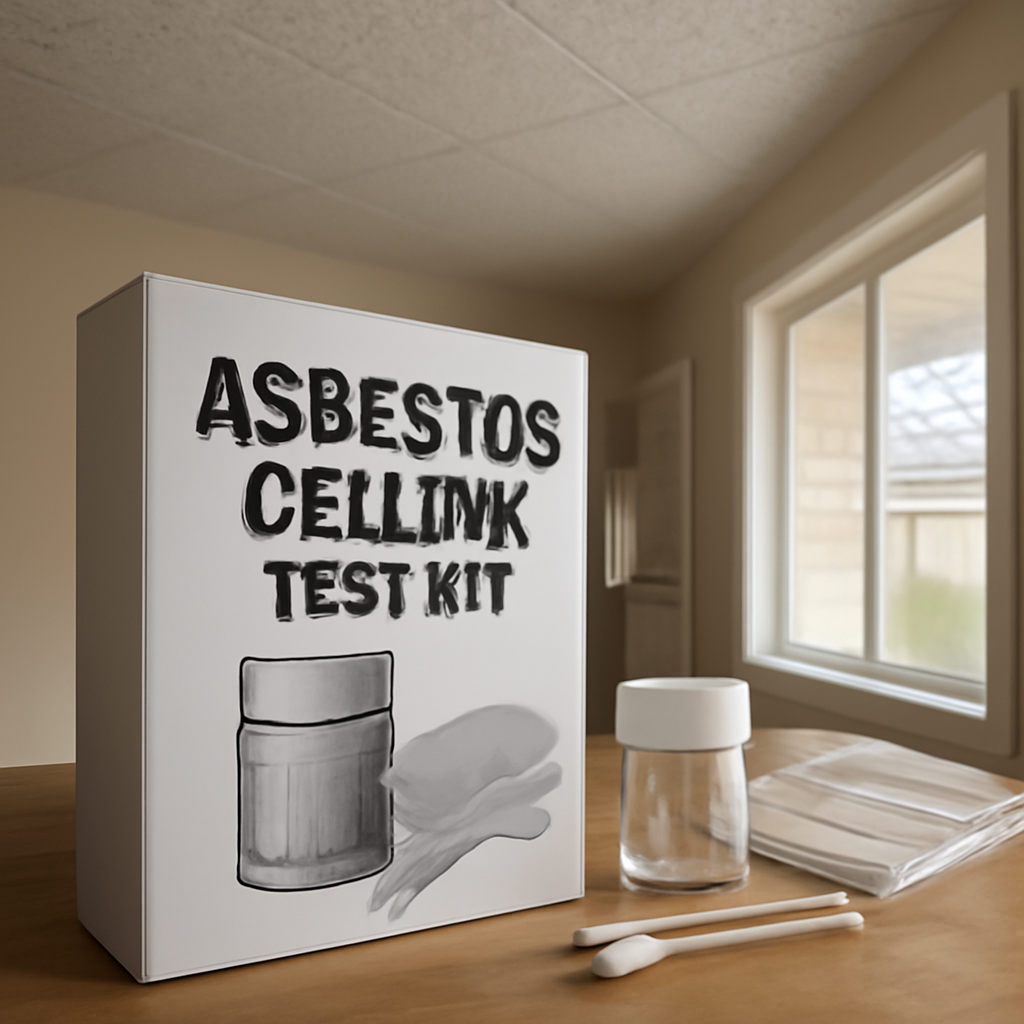
Ceiling testing is the higher-risk end of DIY asbestos sampling. Popcorn texture, acoustic ceiling tile, and old plaster ceilings all have higher friability than floor tile — meaning they shed fibers more easily when touched. An asbestos ceiling test kit is mechanically the same as any bulk-sampling kit, but the sampling protocol needs tighter wet-method discipline, better PPE, and a more careful judgment about whether to sample at all versus call a pro. This guide summarizes EPA, OSHA, and NVLAP guidance current as of 2026 — consult a licensed inspector for damaged or hard-to-reach ceiling materials and your physician for symptoms.
Part of our Asbestos in the Home guide — start there for the full picture →
Is this mold, asbestos, or water damage? Get a free instant screen
Upload a clear photo of the suspect area. You'll get an instant AI screening opinion and what to do next. This is screening guidance, not a professional determination.
Screening guidance only. AI can be wrong. Confirm asbestos, mold type, or lead with lab testing or a licensed professional before acting.
Asbestos Ceiling Test Kit: What Is Different About Ceilings
Three things make ceiling sampling distinct from floor sampling. First, friability. Popcorn texture and acoustic ceiling tile shed fibers under light touch. Floor tile does not. Second, overhead work. Sampling above your head means gravity moves dust toward your breathing zone unless the wet method is applied aggressively. Third, the suspect material category. Ceiling materials cover a wider range — popcorn texture, acoustic ceiling tile, plaster, joint compound, and drop-ceiling panels — each with different sampling considerations.
The kit itself is the same PRO-LAB AS108 or equivalent sold at Home Depot, Lowe’s, Amazon, and lab-direct channels. The difference is in protocol, PPE, and when to escalate to a professional.
Ceiling Material Categories
Popcorn Texture (Spray-Applied Acoustic Texture)
The lumpy, white spray applied to many residential ceilings from the 1950s through the late 1970s. Sometimes called acoustic texture or cottage cheese ceiling. Highest friability of common ceiling materials. Common chrysotile content: 2 to 10 percent in pre-1980 installations. Banned for new installation in residential construction in 1977, but stock inventories were used through the early 1980s.
Acoustic Ceiling Tile (Drop Ceiling)
The 2×2 or 2×4 panels in suspended T-bar grids common in 1950s through 1970s basements, schools, and commercial spaces. Material varies — pressed fiber, mineral wool, or vinyl-faced fiberglass. Some pressed-fiber panels contain chrysotile or amosite at 1 to 5 percent.
Joint Compound and Drywall Texture
The mud applied to drywall seams and the orange-peel or knockdown texture rolled over walls and ceilings. Pre-1980 joint compound frequently contains chrysotile at 2 to 5 percent. Smooth ceilings often have a thin texture coat that contains asbestos.
Plaster Ceilings
Pre-WW2 and some mid-century homes have lath-and-plaster ceilings. Asbestos was added to some plaster formulations for fire resistance and texture. Older plaster (pre-1930) rarely contains asbestos; 1940s through 1970s plaster sometimes does.
The PPE Upgrade for Ceiling Sampling
Standard wet-method PPE applies, but with extra emphasis on:
- P-100 or N-100 full-face respirator (not half-face) — overhead work means dust falls into eye area. Full-face respirator combines eye and respiratory protection in one piece.
- Disposable hooded coveralls — the hood catches falling debris before it reaches your collar.
- Larger plastic sheeting — extend at least 4 feet beyond the sample point in every direction to catch all falling material.
- Drop cloth or tarp covering nearby furniture — gravity moves debris away from the sample point.
Total PPE budget for ceiling sampling first-time: $75 to $150 because the full-face respirator costs more than the half-face used for floor sampling.
The Ceiling Sampling Protocol
Pre-Sample Setup
Turn off HVAC. Close all windows. Cover furniture and floors with plastic sheeting. Place a stepladder or platform near the sample point — sampling from a chair or stool is unsafe. Have a partner spot the ladder if possible.
Wet the Sample Site Aggressively
Spray the ceiling material with water plus a few drops of dish detergent. For popcorn texture, spray until visibly saturated and let water soak for a full minute — texture absorbs water slowly. For acoustic tile, spray the corner area to be sampled. For plaster, spray and wait 30 to 60 seconds.
Take the Sample
For popcorn texture, the easiest method is to press a piece of damp paper towel firmly against the wet texture and lift; a few popcorn nodules will stick to the towel. Place the entire towel and material in the sample bag. For acoustic tile, score a dime-sized piece from a corner and pry it out. For plaster, chip a small piece using a clean chisel from an inconspicuous spot.
Bag and Label
Double-bag with both bags labeled: location (room and exact ceiling location), date, material type (“popcorn texture,” “acoustic ceiling tile,” “joint compound + texture,” etc.). Chain-of-custody form filled out completely.
Cleanup
The plastic sheeting underneath catches most debris. Roll up the sheeting carefully (corners toward center) and bag it as waste. Wipe the ladder rungs and any tools with damp paper towels. Bag PPE and waste in a heavy-duty trash bag for disposal per local rules.
When DIY Ceiling Sampling Is Not the Right Move
Damaged or Water-Stained Ceiling
Friability is already high in damaged ceiling materials. Sampling without containment risks significant fiber release. Hire a licensed inspector. The piece on how to test ceiling for asbestos covers the safe-vs-pro decision.
Cathedral Ceilings or Two-Story Foyers
Ladder work above 6 feet with asbestos materials is high-risk. Hire a pro with extension equipment.
Crumbling Plaster
Old plaster that is already cracking and shedding cannot be safely sampled with home methods. The wet method does not work on already-disintegrating material.
Suspected Vermiculite
Vermiculite attic insulation is a different category from ceiling materials, but homeowners sometimes encounter it through ceiling-fixture penetrations. Almost always assume Libby Montana contamination and hire a pro. The piece on asbestos insulation testing covers vermiculite.
Lab Analysis Specifics for Ceiling Samples
Popcorn texture and acoustic ceiling tile both use PLM (Polarized Light Microscopy) at standard pricing of $25 to $50 per sample. Some popcorn texture samples come back with both asbestos and non-asbestos mineral fibers — the report identifies each. A common pre-1980 popcorn result: 2 to 5 percent chrysotile asbestos plus 10 to 30 percent non-asbestos mineral wool, vermiculite, or cellulose.
EPA NESHAP defines asbestos-containing material as >1 percent. Most positive popcorn texture meets this threshold. Trace results below 1 percent still trigger Colorado handling rules per CDPHE guidance.
What to Do With a Positive Ceiling Result
Manage in Place
The most common path. Intact, painted popcorn ceiling can be left alone. Avoid scraping, drilling, sanding, or pressure-washing. Routine cleaning with a soft duster on the longest pole you can manage is acceptable. Repainting is acceptable if done by spraying (no scraping or roller pressure).
Encapsulate
New drywall installed directly over intact popcorn ceiling encapsulates the asbestos without disturbance. This is a recognized abatement-alternative path. Some homeowners install a thin layer of drywall (1/4″ or 3/8″) over the existing texture rather than scraping.
Abate (Licensed Contractor Only)
Removal of popcorn texture in significant quantities requires a licensed asbestos abatement contractor. Self-scraping of asbestos-containing texture is illegal in most jurisdictions and creates significant exposure for the homeowner. Cost runs $3 to $10 per square foot for professional removal. The piece on residential asbestos removal covers contractor work.
Cost Bottom Line for Ceiling Testing
- Kit (PRO-LAB AS108 or equivalent): $10 to $50
- Lab analysis per sample: $25 to $50
- PPE upgrade (full-face respirator, hooded coveralls): $75 to $150 first-time
- Plastic sheeting and supplies: $15 to $25
- Total DIY for single sample, first-time: $125 to $275
- Licensed inspector site visit and sample: $200 to $500
For first-time samplers buying all the PPE, the licensed inspector path becomes price-competitive with DIY for a single sample. The kit pays off when multiple samples are needed or when PPE is already on hand. The piece on the asbestos home test kit category covers the broader kit landscape.
The Plastic Bag Method for Popcorn Texture
An alternative sampling method recommended by some EPA-affiliated guidance: tape a heavy-duty plastic bag directly under a small area of texture. Spray the texture inside the bag opening. Scrape a small amount of wet texture into the bag using a clean putty knife from inside the bag opening. Seal the bag. This method contains all dust within the bag itself. Useful for occupied rooms where minimizing release is critical. The piece on popcorn ceiling testing covers this approach.
When the Whole-House Survey Makes More Sense
Pre-1980 homes typically have multiple suspect ceiling materials: popcorn texture in living areas, acoustic tile in basement, joint compound in bedrooms. Testing each separately as DIY samples adds up to $150 to $300 in lab fees plus PPE. A licensed inspector’s whole-house survey at $300 to $1,500 includes all samples and a written report. The parent guide on asbestos and lead in pre-1978 housing covers the whole-house decision.
References
- Asbestos Program Overview — U.S. Environmental Protection Agency
- OSHA Asbestos Standards — U.S. Occupational Safety and Health Administration
- NIOSH Asbestos Topic Page — Centers for Disease Control and Prevention
- Popcorn Ceiling Asbestos Information — Asbestos.com
Frequently asked questions
Can I just paint over my popcorn ceiling without testing?
Yes, with caution. Spray-applied paint or roller paint with minimal pressure does not significantly disturb intact texture. Avoid scraping, sanding, or aggressive prep. Some homeowners paint over without testing because the manage-in-place outcome is identical regardless of test result.
Is acoustic ceiling tile in my basement asbestos?
Possibly, especially in installations from the 1950s through 1970s. Pressed-fiber acoustic tile sometimes contains chrysotile or amosite. Modern fiberglass-faced panels do not. Lab analysis is the only definitive method.
How dangerous is sampling popcorn texture myself?
Higher-risk than floor tile sampling because of friability. With proper wet-method protocol and PPE (full-face respirator, hooded coveralls, plastic sheeting), the risk is manageable. Without proper PPE, the sampling itself can create more exposure than the intact ceiling would in years of normal use.
Should I scrape my popcorn ceiling off?
Not yourself if it contains asbestos. Self-scraping of asbestos popcorn texture is illegal in most jurisdictions and creates significant exposure risk. Hire a licensed abatement contractor or live with the texture (manage in place) or encapsulate under new drywall.
Front Range homeowners weighing whether to sample popcorn texture themselves or hire a pro can reach out through our contact page for a referral to a vetted local sampler.
Asbestos test kits
Asbestos can only be confirmed by a lab. A mail-in kit gets you a sealed sample container and accredited analysis — never sand or disturb suspect material first.
| Product | Why | Buy |
|---|---|---|
 Asbestos Test Kit (mail-in lab) Asbestos Test Kit (mail-in lab) | Includes PPE + sealed mailer. | Amazon — $34.99 |
| Pro-Lab Asbestos Test Kit | Widely available; lab fee separate. | Amazon — $34.99 |