Asbestos Ceiling Removal Cost: Popcorn Pricing Guide
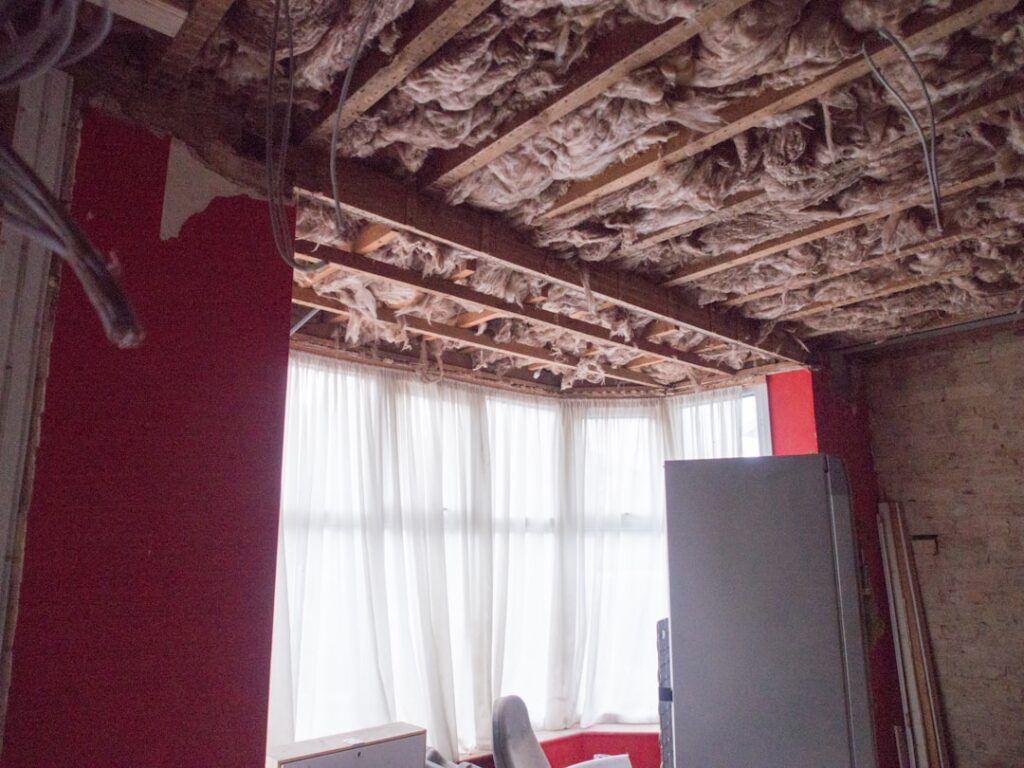
Asbestos ceiling removal cost is most commonly a popcorn-ceiling question. Sprayed acoustic textured ceilings — universally called popcorn ceilings — were popular in U.S. residential construction from the 1950s through about 1980 and frequently contained asbestos, typically chrysotile, at concentrations of 1 to 10 percent. Federal law restricted the practice in the late 1970s but did not require removal of existing installations, which is why pre-1980 popcorn ceilings still exist in millions of homes today. This guide summarizes EPA and OSHA guidance current as of 2026 and walks through the cost drivers for popcorn-ceiling abatement, the encapsulation versus removal choice, and the lab-testing step that must precede any cost decision.
Part of our Asbestos in the Home guide — start there for the full picture →
Is this mold, asbestos, or water damage? Get a free instant screen
Upload a clear photo of the suspect area. You'll get an instant AI screening opinion and what to do next. This is screening guidance, not a professional determination.
Screening guidance only. AI can be wrong. Confirm asbestos, mold type, or lead with lab testing or a licensed professional before acting.
Asbestos Ceiling Removal Cost: The Square-Foot Range
Popcorn-ceiling asbestos abatement typically runs $3 to $7 per square foot on the Colorado Front Range in 2026. That range covers full removal by a licensed asbestos abatement contractor, including containment setup, removal labor, debris disposal at a permitted landfill, post-abatement clearance testing, and contractor markup. The lower end of the range applies to larger, simpler projects (whole-home popcorn-ceiling removal in a single-story house, for example, where the contractor amortizes containment setup across hundreds of square feet). The upper end applies to small projects (a single 150-square-foot bedroom) where fixed setup costs dominate.
Why Pre-1980 Popcorn Ceilings Must Be Lab-Tested First
Not every popcorn ceiling contains asbestos. Industry estimates and EPA-cited data suggest 5 to 15 percent of pre-1980 popcorn ceilings test positive for chrysotile asbestos at confirmed concentrations. The proportion varies by geographic region, manufacturer, and installation date. A pre-1980 home is statistically more likely than not to have an asbestos-free popcorn ceiling, but a homeowner has no way to know without laboratory testing.
The mandatory first step before any abatement decision is collecting a small ceiling-scrape sample (typically a 1-square-inch area, scraped into a sealed sample bag) and sending it to an NVLAP-accredited laboratory for polarized light microscopy analysis. Lab cost runs $30 to $50 per sample with a typical three-sample minimum for representative coverage of any ceiling area larger than a single small room. Lab turnaround is one to three business days. The total pre-abatement testing investment is typically $90 to $200.
If the lab returns negative, the popcorn ceiling can be removed using ordinary drywall techniques — homeowner-DIY scraping is legal and reasonable for asbestos-free ceilings. If the lab returns positive, the ceiling becomes asbestos-containing material that must be either encapsulated, abated by a licensed contractor, or left undisturbed. Skipping the lab test and assuming a pre-1980 ceiling is safe to DIY-scrape exposes the homeowner and household to fiber release that may not produce immediate symptoms but increases long-term mesothelioma and lung-cancer risk. EPA specifically warns against DIY removal of pre-1980 popcorn ceilings until lab confirmation is in hand.
Cost Drivers for Popcorn-Ceiling Abatement
Several variables move the per-square-foot price up or down within the typical range.
Total Square Footage
Larger projects amortize fixed setup costs across more square footage. A 200-square-foot ceiling typically prices at $5 to $7 per square foot ($1,000 to $1,400 total). A 1,200-square-foot whole-home project typically prices at $3 to $4.50 per square foot ($3,600 to $5,400 total). The per-square-foot rate drops as project size grows.
Asbestos Concentration
Confirmed concentration affects disposal classification and sometimes labor handling. Most popcorn-ceiling samples that test positive register in the 1 to 5 percent chrysotile range, which is the standard residential abatement profile. Higher concentrations (rare but possible) may push the cost upward.
Ceiling Height and Accessibility
Standard 8-foot ceilings are the baseline. Vaulted ceilings, two-story foyers, and ceilings above stairwells require scaffolding, lift equipment, or extended-reach tools that add labor hours and rental cost. A two-story foyer popcorn ceiling can price 50 to 100 percent above the typical per-square-foot rate.
Encapsulation Versus Removal Choice
Encapsulation — sealing the ceiling in place with a specialized coating — typically runs $1.50 to $3.50 per square foot, roughly 30 to 60 percent of the cost of full removal. Encapsulation is appropriate for popcorn ceilings in good condition that will not be disturbed by planned renovation. Removal is required when the ceiling is damaged, when the homeowner wants a different ceiling finish, or when the room is being renovated in a way that will disturb the ceiling.
Post-Abatement Painting and Finishing
After asbestos abatement, the bare drywall ceiling typically needs joint-compound skim coat, sanding, primer, and paint to finish. Painting and finishing typically run $1 to $3 per square foot additional. The abatement contractor sometimes includes finish work in the bid; sometimes the homeowner contracts separately with a painter after clearance testing passes. Our asbestos pricing per square foot guide walks through these variables across material types.
Encapsulation Versus Removal: How to Choose
The encapsulation-versus-removal decision is the largest single cost lever the homeowner controls. The decision logic:
Encapsulate when the popcorn ceiling is in good condition (no peeling, no water damage, no cracking), when the homeowner is not renovating the room in a way that will disturb the ceiling, when budget is constrained, and when the homeowner does not plan to sell the home in the near term. Encapsulation is faster (typically a one-day project for a single room), lower-cost, and disturbs the home less.
Remove when the popcorn ceiling is damaged or showing signs of release, when planned renovation will require disturbing the ceiling regardless, when the homeowner intends to sell and wants a clean ceiling-condition disclosure, or when the asbestos concentration is unusually high. Removal is the more expensive option but eliminates the asbestos as a future concern.
One nuance: encapsulation does not remove the material — it seals it. Future renovation will still encounter the encapsulated asbestos and require abatement at that point. A homeowner who encapsulates today and renovates the room in five years will pay for abatement then.
Removal Process: What Actually Happens in the Home
A licensed popcorn-ceiling abatement project follows a defined sequence. Understanding the workflow helps homeowners plan around the disruption.
Day one is preparation. The abatement crew arrives, removes furniture from the work area (or moves it to one corner and double-bags it), installs plastic sheeting on floors and walls, builds containment around door and window openings, and sets up HEPA-filtered negative-pressure air machines. The home’s HVAC system is shut off and registers in the work area are sealed. A decontamination chamber is built at the work-area entrance so workers can suit up entering and decontaminate exiting.
Day one or two is the removal work itself. Workers wear full-face respirators with P100 filters, disposable Tyvek suits, and gloves. The popcorn ceiling is wet-sprayed with amended water (water plus a surfactant that holds fibers down during scraping) and scraped onto the plastic sheeting. Bagged debris is sealed, labeled with required hazardous-waste markings, and removed for disposal.
Day two or three is clearance. After visible debris is removed and the work area is HEPA-vacuumed, the contractor leaves. An independent clearance tester enters with air-sampling equipment, runs aggressive sampling (using fans to disturb any settled fibers), and submits samples to a lab for TEM analysis against the EPA 0.01 fibers per cubic centimeter clearance threshold. Clearance results return in one to three business days.
Day four or five (after clearance passes) is teardown. Plastic sheeting is removed, the HVAC system is reactivated, and the home is returned to the homeowner. Painting and finishing follow as a separate contract with a finish contractor.
What the Estimate Should Itemize for a Popcorn-Ceiling Project
A complete written estimate for popcorn-ceiling abatement should show separate line items for:
Pre-abatement sampling (if not already complete). Containment setup including plastic sheeting, HEPA-filtered negative-pressure air machines, and decontamination chamber. Labor hours and rate per worker. Materials including abatement equipment, suits, respirators, and disposal bags. Disposal volume in cubic yards and per-cubic-yard rate at the named permitted landfill. Post-abatement clearance testing by an independent third-party inspector. CDPHE notification fee (in Colorado, for projects above the residential threshold). Contractor overhead and profit markup.
Bids that bundle everything into a single number are common but make apples-to-apples comparison difficult. Homeowners should request itemized bids from at least three licensed contractors. For broader cost-decision context, see our asbestos and lead pillar guide.
DIY Popcorn Removal: Why It Is Not Recommended Pre-1980
Popcorn-ceiling removal is straightforward as a do-it-yourself project for asbestos-free ceilings. The standard technique — wetting the ceiling with a spray bottle and scraping with a wide-blade putty knife — produces a manageable mess that a single homeowner can complete in a weekend for a typical bedroom-size space.
The same technique applied to a pre-1980 popcorn ceiling that has not been lab-tested is dangerous. Wet-scraping releases asbestos fibers into household air at concentrations that may exceed OSHA limits even briefly, and the fibers settle into carpets, soft furnishings, HVAC ducts, and lung tissue. The danger is not immediate symptoms — asbestos exposure produces no acute warning signs — but cumulative long-term cancer risk that may not appear for decades. The dollar cost of lab testing ($90 to $200) is trivial compared to the cancer-risk exposure of DIY-scraping an untested pre-1980 ceiling.
Homeowners with confirmed-positive popcorn ceilings should engage a licensed asbestos abatement contractor regardless of whether they could “do it themselves.” Licensed abatement is the legal requirement in Colorado for any residential project above the CDPHE notification threshold, and the homeowner who self-performs abatement on a confirmed-positive ceiling assumes personal liability for any future exposure claims.
Insurance, Permits, and Selling Considerations
Homeowners insurance generally does not cover asbestos abatement unless the abatement is triggered by a covered loss (a kitchen fire that damages a popcorn ceiling, for example, where the post-fire cleanup includes abatement). Routine pre-renovation abatement is an out-of-pocket expense. Some Colorado counties offer modest energy-efficiency or healthy-homes rebates that touch on indoor-air-quality projects, though specific asbestos-abatement rebates are uncommon.
Sellers should be aware that confirmed-positive popcorn ceilings are a disclosable condition in most state seller-disclosure forms. A pre-listing abatement converts a disclosed condition into a clean ceiling and often supports a stronger listing price. Sellers who choose not to abate should still document the lab-confirmed condition and any encapsulation work performed.
When to Call a Professional
Pre-1980 popcorn-ceiling work requires three professional engagements in sequence: an accredited asbestos sampling inspector for laboratory testing, a licensed abatement contractor (only if the lab returns positive) for either encapsulation or removal, and an independent third-party clearance tester (after removal) for post-abatement verification. Pre-1980 homeowners considering any renovation that will disturb a popcorn ceiling should start with the sampling step and let the lab results drive the next decision.
References
- EPA asbestos in popcorn ceilings and homeowner guidance — U.S. Environmental Protection Agency
- OSHA asbestos worker protection standards — Occupational Safety and Health Administration
- Colorado asbestos residential abatement notification — Colorado Department of Public Health and Environment
- Asbestos.com homeowner resource on popcorn ceilings — asbestos.com nonprofit information center
Frequently asked questions
How much does it cost to remove an asbestos popcorn ceiling?
Typical Front Range pricing runs $3 to $7 per square foot for licensed abatement including containment, labor, disposal, and clearance testing. A 200-square-foot bedroom runs $1,000 to $1,400 total; a 1,200-square-foot whole-home project runs $3,600 to $5,400 because larger projects amortize fixed setup costs.
Do I have to test my popcorn ceiling for asbestos before removal?
Pre-1980 popcorn ceilings must be lab-tested before any removal decision because 5 to 15 percent of them contain asbestos. Three samples sent to an NVLAP-accredited lab cost $90 to $200 total and determine whether the ceiling is safe for DIY removal or requires licensed abatement.
Is encapsulation cheaper than full removal?
Yes — typically 30 to 60 percent of the cost of full removal. Encapsulation seals the asbestos in place with a specialized coating and works for ceilings in good condition that will not be disturbed by future renovation. Removal eliminates the asbestos but costs more and disturbs the home more during the work.
Can I scrape my own pre-1980 popcorn ceiling if I wear a respirator?
Not without lab confirmation that the ceiling is asbestos-free. A respirator alone does not protect household members, soft furnishings, or HVAC ducts from settled fibers. Testing first, then deciding the approach based on results, is the only safe path for pre-1980 popcorn ceilings.
Front Range homeowners considering popcorn-ceiling work in a pre-1980 home can reach out through our contact page for a referral to a credentialed inspector for sampling and a licensed abatement contractor short list.
Asbestos test kits
Asbestos can only be confirmed by a lab. A mail-in kit gets you a sealed sample container and accredited analysis — never sand or disturb suspect material first.
| Product | Why | Buy |
|---|---|---|
| Asbestos Test Kit (mail-in lab) | Includes PPE + sealed mailer. | Amazon |
| Pro-Lab Asbestos Test Kit | Widely available; lab fee separate. | Amazon |