Asbestos Ceiling Removal: What Homeowners Should Know
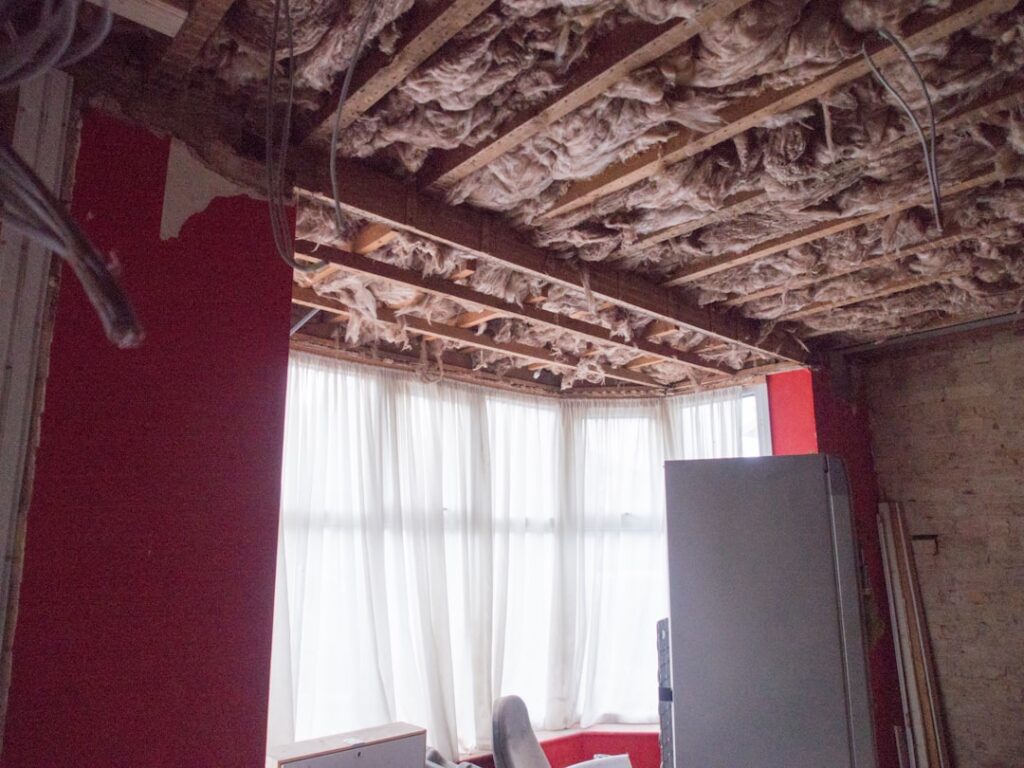
Popcorn and textured ceilings in older homes are one of the most common places asbestos still hides, and removing them carelessly can release fibers into the air a family breathes for years. Asbestos ceiling removal is not a typical weekend project; it is a regulated abatement task with real health stakes when the material tests positive. This guide summarizes EPA, OSHA, and CDC guidance current as of 2026 and is informational only, consult a certified asbestos professional before disturbing any suspect ceiling. Below: why testing comes first, what removal costs, how the process works, and when encapsulation beats removal.
Part of our Asbestos in the Home guide — start there for the full picture →
Is this mold, asbestos, or water damage? Get a free instant screen
Upload a clear photo of the suspect area. You'll get an instant AI screening opinion and what to do next. This is screening guidance, not a professional determination.
Screening guidance only. AI can be wrong. Confirm asbestos, mold type, or lead with lab testing or a licensed professional before acting.
Should You Remove an Asbestos Ceiling?
The first and most important rule: test before you touch. A textured or popcorn ceiling in a home built before the mid-1980s is suspect for asbestos, but only laboratory analysis of a sample confirms it. If the ceiling tests positive and is in good, intact condition, the safest choice is often to leave it alone or encapsulate it rather than remove it. Intact, undisturbed asbestos-containing material generally poses little risk; disturbing it is what releases fibers.
Removal becomes the right call when you plan to renovate, when the ceiling is damaged or deteriorating, or when you simply want the material gone. In every case, removal of confirmed asbestos should be done by a licensed abatement contractor following containment protocols, never by scraping it dry yourself. Understanding where asbestos lived in older homes is part of the broader picture covered in the asbestos and lead in pre-1978 housing guide.
Testing the Ceiling First
Confirmation starts with a certified asbestos inspector collecting a small bulk sample under controlled conditions and sending it to an accredited lab. Polarized light microscopy identifies whether regulated asbestos is present and at what percentage. Do-it-yourself test kits exist, but improper sampling can itself release fibers, which is why professional sampling is recommended for ceilings. A material is generally treated as asbestos-containing if it contains more than 1% asbestos.
Costs for testing are modest relative to removal, typically a per-sample lab fee plus the inspector’s visit. Many homeowners test multiple suspect materials at once, ceiling texture, old joint compound, and flooring, since they are sampling anyway. For homeowners in the Denver metro weighing where to send samples, the guide on asbestos testing in Denver outlines local lab and sampling options.
What Asbestos Ceiling Removal Costs
Asbestos ceiling abatement is priced by square footage, accessibility, and regional labor rates, and it costs substantially more than ordinary ceiling work because of containment, disposal, and licensing requirements. As a rough planning figure, abatement of textured or popcorn ceilings often falls in the range of several dollars to roughly ten-plus dollars per square foot, with small jobs carrying minimum fees and large or complex jobs costing more. A single room is far cheaper than a whole house.
Several factors push the price up: occupied homes requiring careful sealing, multi-story access, the need to remove and replace lighting or HVAC registers, and disposal at a licensed facility. The quote should include containment setup, HEPA filtration, removal, decontamination, waste disposal, and often post-abatement air clearance testing. Always get written, itemized estimates from more than one licensed contractor, and confirm what is and is not included. Homeowners comparing related pricing can review the cost of asbestos popcorn ceiling removal for a closer breakdown.
How Professional Abatement Works
Licensed abatement follows a defined sequence designed to keep fibers contained. The contractor seals the work area with plastic sheeting, shuts down HVAC, and establishes negative air pressure using HEPA-filtered machines so air flows into, not out of, the containment. Workers wear respirators and disposable suits.
Wetting and Removal
The ceiling material is thoroughly wetted with a fine spray to suppress dust, then gently scraped or removed while wet. Wetting is one of the most effective controls because damp fibers do not become airborne the way dry ones do. Removed material is bagged in labeled, leak-tight containers.
Decontamination and Clearance
The space is HEPA-vacuumed and wet-wiped, and waste is transported to a facility licensed to accept asbestos. Many jurisdictions require, and reputable contractors perform, post-abatement air sampling to confirm fiber levels are acceptable before the containment comes down. Only then is the ceiling refinished. This rigor is exactly why the process is what asbestos abatement actually involves rather than ordinary remodeling.
Encapsulation: The Alternative to Removal
Removal is not always the best answer. Encapsulation, sealing the asbestos-containing material in place with a specialized coating, is often a lower-cost, lower-disturbance option for ceilings in good condition. The EPA recognizes managing material in place as a legitimate strategy, and for an intact popcorn ceiling, covering it with a coating or even new drywall installed without disturbing the texture can be safer than aggressive removal.
Encapsulation works only when the material is sound and unlikely to be disturbed by future work. If you intend to remodel, run new wiring, or the ceiling is already flaking, removal is usually the better long-term choice. A certified professional can advise which path fits a specific ceiling, and that assessment should weigh condition, your renovation plans, and budget rather than defaulting to the most dramatic option.
Hiring a Licensed Abatement Contractor
Asbestos work is regulated, and most states require abatement contractors and their workers to be licensed and trained. Verify the contractor’s license, ask for proof of insurance, and confirm they follow EPA and OSHA requirements for containment, worker protection, and disposal. Keep the testing inspector and the abatement contractor as separate firms when possible, so the company finding the problem is not the one profiting from the fix.
Request a written scope that spells out containment, air monitoring, disposal manifests, and clearance testing. Be wary of any contractor who suggests dry-scraping a popcorn ceiling or skipping containment, that is unsafe and often illegal. Homeowners can use the same diligence framework that governs other hazard work; the overview of asbestos testing services explains how reputable providers structure their work and documentation.
Why Asbestos Ceilings Were So Common
Understanding why so many older homes have asbestos ceilings helps homeowners gauge their own risk. From the late 1940s through the 1970s, sprayed and troweled ceiling textures, the familiar “popcorn” or “cottage cheese” finish, were enormously popular because they hid imperfections in the drywall or plaster beneath, dampened sound, and went up quickly and cheaply. Manufacturers added asbestos to many of these products for its fire resistance and durability.
Federal action began phasing asbestos out of these products in the 1970s, but existing stock continued to be installed for years afterward, which is why the era of a home is a guide rather than a guarantee. A ceiling sprayed in the early 1980s might still contain asbestos if older inventory was used. This is the core reason testing, not the build date alone, is the only reliable way to know. The wider story of where asbestos appeared in homes of this period, floors, pipe insulation, siding, and ceilings, is laid out in the pre-1978 housing hazard guide, and ceilings are among the most frequently encountered.
Because the texture is applied overhead across an entire room, an asbestos ceiling represents a large surface area of potentially friable material. Friable means it can be crumbled by hand pressure, and sprayed textures are among the more friable asbestos products, which is exactly why aggressive removal without containment is so hazardous. The same property that made the texture easy to apply makes it easy to release fibers if it is scraped dry.
The Health Basis for Caution
The reason these precautions exist is the well-documented link between inhaled asbestos fibers and serious disease. The CDC and federal health agencies recognize that asbestos exposure can cause asbestosis, lung cancer, and mesothelioma, a rare and aggressive cancer of the lining around the lungs and abdomen strongly associated with asbestos. These diseases typically develop decades after exposure, which is part of what makes asbestos insidious: there is no immediate symptom to warn that fibers were released during a careless ceiling scrape.
There is no established safe level of asbestos exposure, and risk rises with the amount and duration of exposure. That framing explains the entire abatement philosophy. The goal is to prevent fibers from becoming airborne and to keep any that do contained and filtered out. Wetting the material, sealing the room, running negative-pressure HEPA machines, and verifying the air afterward all serve that single objective. A homeowner who understands the health basis is far less likely to be tempted by a quick dry scrape that could expose the family for years to come.
This is also why encapsulation is a legitimate, sometimes preferable, choice. Sound material that is sealed and left undisturbed does not release fibers, so the exposure pathway never opens. Removal is warranted when material is damaged or will be disturbed, but the health logic does not demand ripping out every asbestos ceiling, only managing it so fibers stay out of the air.
Living With an Asbestos Ceiling You Choose Not to Remove
Many homeowners decide, reasonably, to leave an intact asbestos ceiling in place. If that is the path, manage it deliberately. Avoid drilling into it for hooks or fixtures, scraping it during repainting, or letting water leaks from above soak and degrade it. Inspect it periodically for new cracks, sagging, or flaking, since deterioration is the trigger that changes a safe ceiling into a hazard. Paint, applied gently with a roller rather than aggressive prep, can sometimes help encapsulate a sound surface, though disturbing the texture during prep is the risk to avoid.
Plan future projects around the ceiling. Installing recessed lighting, running new wiring, or removing a wall that meets the ceiling all disturb the material and should trigger testing and, if positive, professional handling. When the time comes to sell, disclose what you know; many jurisdictions and the federal framework around older homes expect honest disclosure of known hazards. Buyers who understand the material is intact and managed often accept it readily, just as they would intact lead paint, when its history is documented. Keeping records of any testing and of your maintenance decisions, the same documentation reputable asbestos testing services generate, makes both ongoing management and an eventual sale far smoother.
Comparing Removal and Encapsulation Costs Over Time
When deciding between removal and encapsulation, homeowners should weigh more than the upfront price. Encapsulation, sealing or covering an intact ceiling, is typically far cheaper today and avoids the disruption of a full abatement, but it leaves the asbestos in the home. That is acceptable as long as the material stays sound and undisturbed, yet it carries an ongoing obligation: future remodels, wiring runs, or water damage will eventually force the question again, and the cost of removal later, possibly with additional damage to address, may exceed what removal would have cost today.
Removal is more expensive and disruptive now but resolves the issue permanently, eliminating both the hazard and the disclosure obligation. For a homeowner planning to renovate the space soon, paying once for removal often makes more sense than encapsulating and then disturbing the material a year later. For a homeowner with no renovation plans and a ceiling in good condition, encapsulation or in-place management can be the rational, lower-cost path for years. A certified professional who is not also selling the abatement can give the most objective advice, which is another argument for keeping testing and removal as separate engagements. Framing the decision as a long-term cost-and-disruption trade-off, rather than a one-time price comparison, leads to choices homeowners do not regret.
Whatever the choice, budget realistically. Whole-ceiling abatement across multiple rooms is a meaningful expense, and homeowners sometimes phase the work room by room as renovations proceed. Getting itemized estimates that separate testing, containment, removal, disposal, and clearance testing lets you compare contractors honestly and understand exactly what each line item buys.
References
- Protect Your Family From Exposures to Asbestos — U.S. Environmental Protection Agency
- Asbestos Abatement and Worker Protection Standards — Occupational Safety and Health Administration
- Asbestos Exposure and Health Effects — Centers for Disease Control and Prevention
- Asbestos Abatement Process Overview — The Mesothelioma Center at Asbestos.com
Frequently asked questions
Can I remove an asbestos ceiling myself?
It is strongly discouraged. Dry-scraping a confirmed asbestos ceiling releases fibers and is often illegal. Confirmed asbestos ceiling removal should be done by a licensed abatement contractor using containment, wetting, and HEPA filtration.
How much does asbestos ceiling removal cost?
Pricing runs by square footage, often several to ten-plus dollars per square foot, with minimum fees for small jobs. The quote should include containment, removal, licensed disposal, and post-abatement air clearance testing.
Is it better to remove or encapsulate an asbestos ceiling?
If the ceiling is intact and undisturbed, encapsulation or leaving it in place is often safer and cheaper. Removal makes sense when the material is damaged or when planned renovations would disturb it.
Do I need to test the ceiling before removal?
Yes. A certified inspector should collect a sample for accredited lab analysis to confirm asbestos and its percentage. Testing first determines whether removal, encapsulation, or no action is the right path.
Front Range homeowners with a suspect ceiling who want a vetted local inspector or abatement contactor can reach out through our contact page for a referral before any work begins.
Asbestos test kits
Asbestos can only be confirmed by a lab. A mail-in kit gets you a sealed sample container and accredited analysis — never sand or disturb suspect material first.
| Product | Why | Buy |
|---|---|---|
| Asbestos Test Kit (mail-in lab) | Includes PPE + sealed mailer. | Amazon |
| Pro-Lab Asbestos Test Kit | Widely available; lab fee separate. | Amazon |