Asbestos Cleaning: What to Do After Material Is Disturbed
A popcorn ceiling gets scraped before anyone thinks to test it. A water leak soaks old pipe wrap until it sags and crumbles. A floor tile cracks under a dropped appliance and leaves gritty debris across the kitchen. In each case the question is the same: how do you clean up material that might contain asbestos without making the problem worse? This guide walks through the first steps after a disturbance, the cleaning methods that federal agencies describe, the narrow situations in which a homeowner might handle a small amount of cleanup, and the much larger set of situations where only a trained and accredited professional should touch it. It draws on EPA and OSHA guidance current as of 2026 and on Colorado’s state framework in general terms. It is educational only: it does not replace a site assessment by an accredited asbestos professional, and any health concerns belong with a physician.
Part of our Asbestos in the Home guide — start there for the full picture →
Is this mold, asbestos, or water damage? Get a free instant screen
Upload a clear photo of the suspect area. You'll get an instant AI screening opinion and what to do next. This is screening guidance, not a professional determination.
Screening guidance only. AI can be wrong. Confirm asbestos, mold type, or lead with lab testing or a licensed professional before acting.
Why Asbestos Cleaning Is Different From Ordinary Cleaning
EPA describes asbestos as a mineral fiber that occurs in rock and soil and that was used in building materials for insulation and as a fire retardant because of its fiber strength and heat resistance. EPA’s list of places it may be found in homes includes vermiculite attic and wall insulation, vinyl floor tiles and the backing on vinyl sheet flooring and adhesives, roofing and siding shingles, textured paint and patching compounds on walls and ceilings, and hot water and steam pipes coated with asbestos material or wrapped in asbestos blanket or tape.
The key point is when it becomes a hazard. EPA states that exposure generally occurs only when asbestos-containing material is disturbed or damaged in some way that releases particles and fibers into the air. EPA lists three major health effects associated with asbestos exposure: lung cancer, mesothelioma and asbestosis, and notes that disease symptoms may take many years to develop. The guide to asbestos exposure symptoms covers what is known about those conditions and when to talk to a doctor.
That is why normal cleaning habits are the wrong instinct. Sweeping, dusting and household vacuuming are designed to move dust, and with fibers that are released by disturbance, moving dust means putting fibers back in the air. EPA’s homeowner guidance says plainly: do not dust, sweep or vacuum debris that may contain asbestos. OSHA’s construction standard for asbestos goes further for workplaces, listing dry sweeping, shoveling or other dry clean-up of dust and debris containing asbestos among prohibited work practices regardless of measured exposure levels.
First Steps After Asbestos Material Is Disturbed
The first few minutes matter more than the cleanup method. The aim is to stop making new dust, keep people out of the area, and stop air from carrying fibers elsewhere in the house.
Stop Work Immediately
If you were sanding, scraping, drilling, cutting or demolishing when you realized the material could contain asbestos, stop. Turn off power tools rather than finishing the pass. EPA lists the actions that can release fibers, including when material is damaged, removed improperly, repaired, cut, torn, sanded, sawed, drilled or scraped. Every additional minute of that work adds to the problem.
Keep People and Pets Out
Leave the area, close doors to it if you can, and keep children and pets away. EPA’s do’s and don’ts for homeowners include keeping activities to a minimum in any area with damaged material that may contain asbestos and limiting children’s access. Pets walking through debris can carry dust on paws and fur into other rooms, so keep them confined elsewhere until the area is assessed.
Turn Off Heating, Cooling and Fans
Forced-air heating and cooling systems move air from room to room through ductwork. Turning off the furnace or air conditioner, along with ceiling fans, bath fans and portable fans in the affected area, helps keep disturbed dust from being drawn into returns and spread through the house. This is a common-sense precaution rather than a specific EPA instruction, but it follows directly from EPA’s caution that air flow can release fibers from damaged material. If a return vent sits in the affected room, a professional may recommend sealing it with plastic and tape.
Do Not Track Debris Through the House
Change shoes and outer clothing before leaving the area if you were working in it, and avoid walking through the debris. EPA advises homeowners not to track material that could contain asbestos through the house, and, if walking through the area cannot be avoided, to have it cleaned with a wet mop. Clothes that may have dust on them should be handled gently and kept separate; ask your abatement contractor how they want them handled rather than shaking them out.
Confirm What the Material Is
You usually cannot tell by looking. EPA says you generally cannot tell whether a material contains asbestos simply by looking at it unless it is labeled, and that when in doubt you should treat the material as if it contains asbestos. EPA recommends that a trained and accredited asbestos professional take samples rather than the homeowner, because sampling done incorrectly can be more hazardous than leaving material alone. The guide to asbestos test results explains how lab reports describe asbestos type and percentage and what the numbers mean for next steps.
Best Asbestos Test Kit: our top 3 picks
| Product | Best for | Key features | Price | Buy |
|---|---|---|---|---|
| Seeml Labs Asbestos Inspector in a Box | Verifiable lab accreditation |
| $22.00as of Nov 4, 2026 6:40 pm GMT+0000 | Buy now →Check current price |
| SLGi 1-Pack (5 Day) | Single sample with return postage |
| $35.00as of Nov 4, 2026 5:32 pm GMT+0000 | Buy now →Check current price |
| Asbestos-Sampling.com 2-Sample | Type and percentage in the result |
| $59.95as of Nov 4, 2026 5:32 pm GMT+0000 | Buy now →Check current price |
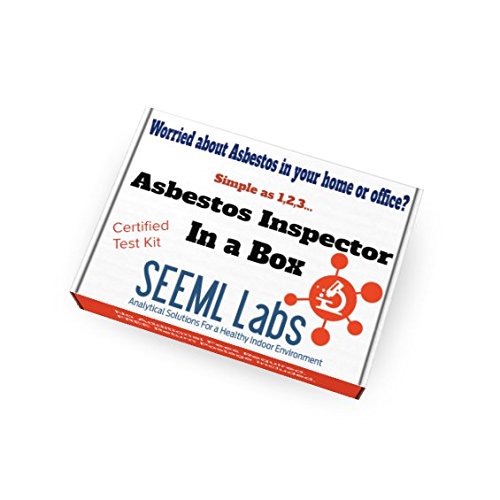

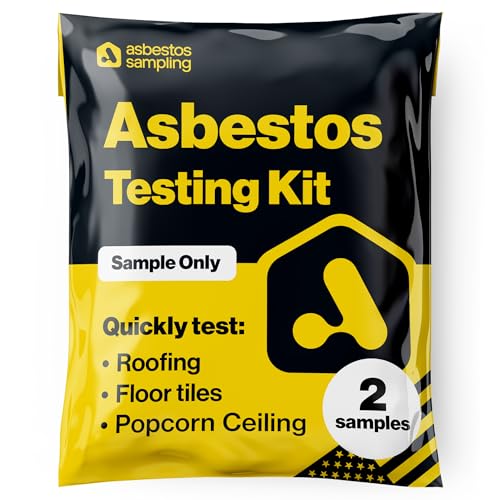
Prices are Amazon’s listed prices as of the time shown and change often; check Amazon for today’s price. As an Amazon Associate we earn from qualifying purchases.
Cleaning Methods: Wet Wiping, HEPA Vacuums and Bagging
Professional asbestos cleanup relies on a small set of methods designed to keep fibers wet, captured and contained. Knowing them helps you understand what a contractor is doing and why the household versions of those tools are not equivalent.
Wet Methods
OSHA’s standard requires employers to use wet methods, or wetting agents, to control employee exposure during asbestos handling, mixing, removal, cutting, application and cleanup, except where wet methods are shown to be infeasible. Wetting weighs fibers down and keeps them from becoming airborne. In practice, crews mist debris with water, often with a small amount of surfactant, and wipe surfaces with damp disposable cloths that are folded and bagged rather than rinsed and reused.
For a homeowner, the takeaway is limited. EPA’s guidance mentions a wet mop only for situations where material could be tracked through the house. Wet wiping is a technique for small amounts of settled dust, not a substitute for professional cleanup of a damaged area. It should not involve buckets of rinse water that splash or spread debris.
HEPA Vacuums
OSHA requires vacuum cleaners equipped with HEPA filters to collect all debris and dust containing asbestos in covered work, and its rules for Class 4 work specifically mention HEPA vacuums along with wet methods and prompt cleanup. That does not mean any vacuum marketed as having a HEPA filter is appropriate. A household vacuum may have leaks around seals, housings or the bag that let fine dust bypass the filter, and the canister must be emptied and disposed of without releasing dust. Professional asbestos vacuums are built and maintained for that task. Treat a home HEPA vacuum, including a shop vacuum fitted with a HEPA cartridge, as unsuitable for asbestos debris unless a qualified professional advises otherwise. The guide to HEPA vacuuming in mold remediation explains how HEPA filtration works and why equipment design matters, although asbestos raises the stakes considerably.
Bagging and Disposal
OSHA’s standard calls for prompt clean-up and disposal of wastes and debris contaminated with asbestos in leak-tight containers. Professionals commonly double-bag waste in heavy plastic, wet it first, seal and label the bags, and take them to a facility that accepts asbestos waste. Many landfills do not, and local rules govern packaging and transport. A homeowner should not put suspect debris in household trash or a dumpster. The guide to disposing of asbestos tiles covers how disposal typically works in Colorado and what to ask before hauling anything.
When Only a Professional Should Clean Up
EPA’s homeowner guidance draws the line clearly. If the material is from a damaged area or if a large area must be cleaned, EPA says to call an asbestos professional. It also says that if asbestos-containing material is more than slightly damaged, or if changes to the home might disturb it, repair or removal by a trained and accredited professional is needed. Removal, in EPA’s words, is complex and must be done only by a trained and accredited professional, because improper removal may actually increase exposure.
Situations that clearly call for a professional include:
- Friable debris, meaning material that crumbles or turns to powder under hand pressure, such as damaged pipe insulation, boiler wrap or popcorn ceiling texture.
- Any area larger than a small spot, or debris spread across a room or into other rooms.
- Material disturbed by power tools, where dust may have traveled farther than it appears.
- Debris that has entered ductwork, or a disturbance in a room with an HVAC return.
- Vermiculite attic insulation that has been moved, vacuumed or has spilled through ceiling fixtures.
- Any case where testing confirms asbestos and the material has been damaged.
EPA describes two main types of accredited professionals: inspectors, who assess conditions, take samples and can confirm that a contractor followed proper procedures including clean up and air monitoring, and contractors, who repair or remove the material. EPA recommends using different firms for those roles to avoid a conflict of interest. EPA also notes that federal law does not require people who inspect, repair or remove asbestos in detached single-family homes to be trained and accredited, but that some states and localities do. The guide to asbestos clean up outlines what a professional cleanup process involves from containment to clearance.
What a Professional Cleanup Usually Looks Like
Knowing the typical sequence helps you compare bids and spot shortcuts. Procedures vary with the material, the amount of debris and the applicable rules, so treat the outline below as a general picture rather than a specification.
Assessment and Written Plan
An inspector or consultant looks at the material, the extent of the debris and how far dust may have traveled, then takes samples if the material has not already been tested. EPA advises getting a written contract before work begins that specifies the work plan, the cleanup, and the federal, state and local regulations the contractor must follow, such as notification requirements and handling and disposal procedures. If a bid does not mention containment, wet methods, HEPA equipment or disposal, ask why.
Containment and Cleaning
For anything beyond a minor spot, crews commonly isolate the work area with plastic sheeting, seal vents and doorways, and may set up equipment that keeps air flowing into the work area rather than out of it. Debris is wetted, picked up and bagged, surfaces are wiped with damp disposable cloths, and HEPA vacuums collect remaining dust. Soft items that absorbed dust, such as rugs, upholstered furniture or stored cardboard, may need to be discarded rather than cleaned, depending on the contractor’s assessment.
Clearance and Written Assurance
EPA notes that an inspector may recommend and perform checks after the correction to confirm the area has been properly cleaned, and that an inspector can monitor the air to make sure there is no increase in asbestos fibers. At the end of the job, EPA advises getting written assurance from the contractor that all procedures have been followed. Keep that paperwork with the lab results; it is useful when you sell the house or plan future renovations.
Common Mistakes to Avoid
- Running the furnace or air conditioner to “clear the air” after a disturbance.
- Using a leaf blower, compressed air or a fan to push dust outside; OSHA prohibits compressed air for removing asbestos in covered work.
- Sweeping debris into a dustpan before testing.
- Putting suspect debris in the household trash or a construction dumpster.
- Washing dusty work clothes with the family laundry without first asking the contractor how to handle them.
- Hiring the same firm to test, remove and clear the area, which EPA flags as a potential conflict of interest.
Situation, DIY or Pro and Steps
The table below summarizes common household situations. It is general guidance; where it says DIY, the scope is very small and conservative, and a professional is always an acceptable choice.
| Situation | DIY or pro | Steps |
|---|---|---|
| Intact suspect material, undisturbed | No cleaning needed | Leave alone; watch for wear or damage; test before any remodel |
| Popcorn ceiling scraped before testing | Pro | Stop work, keep people out, turn off HVAC, test, hire an accredited contractor |
| Crumbling pipe or boiler insulation | Pro | Keep the area closed, do not touch, schedule repair or removal |
| Small amount of dust tracked into a hallway from a known area | Limited DIY, or pro | Wet mop or damp-wipe gently with disposable cloths, bag them, then have the source addressed |
| Broken suspect floor tile, a few small pieces, not sanded | Pro preferred | Mist, avoid crushing, keep traffic out, get tested and advice on cleanup and disposal |
| Debris spread across a room or into vents | Pro | Turn off HVAC, seal doors, call an accredited contractor and consider air clearance testing |
| Disturbed vermiculite insulation | Pro | Keep out of the attic, close fixtures and openings below, call a professional |
| Floor tile to be covered, not removed | Often DIY for the covering | Do not sand or level the tile; install new flooring over it if possible |
OSHA Classes and Where Cleanup Fits
OSHA divides construction-related asbestos work into four classes, which explain why professional crews treat cleanup as its own category of work. The guide explaining how work with asbestos is divided into four classes covers all four, but two matter most for cleanup.
OSHA defines Class 3 asbestos work as repair and maintenance operations where asbestos-containing material, including thermal system insulation and surfacing material, is likely to be disturbed. The standard requires that Class 3 work be performed using wet methods and, to the extent feasible, local exhaust ventilation.
OSHA defines Class 4 asbestos work as maintenance and custodial activities during which employees contact but do not disturb asbestos-containing material, and activities to clean up dust, waste and debris resulting from Class 1, 2 and 3 activities. The standard says Class 4 jobs must be done by employees who have completed asbestos awareness training, and that they must follow requirements mandating wet methods, HEPA vacuums and prompt cleanup of debris.
Those rules apply to employers and workers, not to homeowners cleaning their own houses. They are still a useful benchmark: if trained custodial workers must use wet methods and HEPA vacuums for routine cleanup of asbestos debris, a homeowner with a broom and a household vacuum is not using a safer method.
Colorado Rules, PPE and Testing First
Colorado’s Framework
Colorado regulates asbestos at the state level through its air quality rules, commonly referred to as Regulation No. 8, administered by the state health department. Those rules address inspection before certain renovation and demolition work, certification of inspectors and abatement personnel, and handling and disposal, with thresholds and specific provisions that apply to single-family homes. The details change and the exemptions are specific, so confirm current requirements with the state or a certified Colorado consultant before any work. The guide to asbestos abatement in Colorado walks through how the state framework generally applies to homeowners, and local building departments may add their own permit conditions.
Personal Protective Equipment
Protective equipment is part of any professional asbestos cleanup, and it is not something to improvise. Ordinary dust masks and many common disposable masks are not designed to protect against asbestos fibers, and respirators work only when they are the right type, fit the wearer and are used correctly. Disposable coveralls, gloves and shoe covers keep dust off clothing. The guide to masks for asbestos removal explains respirator types, filter ratings and fit in more detail. If you find yourself shopping for respirators to tackle a damaged area, that is usually a sign the job belongs with a professional.
Testing Before Cleaning
Testing first is the step that prevents most asbestos cleaning problems. If a remodel will disturb older materials, EPA suggests having the home inspected by a trained and accredited professional before work starts. If something has already been disturbed, testing tells you whether the cleanup must follow asbestos procedures or can proceed as ordinary dust cleanup. After a professional cleanup, the inspector may perform checks to confirm the area has been properly cleaned. For materials that will stay in place, sealing or enclosing them may be an option; the guide to asbestos encapsulation paint covers when that approach is considered, and EPA notes that sealing should be done only by a professional trained to handle asbestos safely.
The asbestos hub gathers the testing, abatement and disposal guides in one place, and the asbestos and lead pillar covers both hazards across older Colorado homes.
References
- U.S. EPA. Protect Your Family from Exposures to Asbestos
- U.S. EPA. Learn About Asbestos
- OSHA. 29 CFR 1926.1101, Asbestos (Construction Industry Standard)
Frequently asked questions
Can a regular vacuum be used to clean up asbestos dust?
No. EPA tells homeowners not to dust, sweep or vacuum debris that may contain asbestos. Professionals use specialized HEPA vacuums under OSHA rules, and a household vacuum, even one sold with a HEPA filter, can leak fine dust back into the room.
What should happen first after possible asbestos material is damaged?
Stop work, keep people and pets out, close the area off, and turn off heating, cooling and fans so air does not carry dust elsewhere. Then arrange testing by an accredited professional before any cleanup.
Is it safe for a homeowner to clean up asbestos debris?
Only in very limited cases. EPA mentions a wet mop for material that could be tracked through the house, but says to call an asbestos professional if the debris comes from a damaged area or a large area must be cleaned.
What is OSHA Class 4 asbestos work?
OSHA defines Class 4 as maintenance and custodial activities that contact but do not disturb asbestos material, plus cleanup of dust, waste and debris from Class 1, 2 and 3 work. It requires awareness training, wet methods, HEPA vacuums and prompt cleanup.
How is asbestos waste disposed of?
OSHA requires asbestos waste from covered work to go into leak-tight containers promptly. Professionals typically wet, double-bag, seal and label it for a facility that accepts asbestos. Local and Colorado rules govern disposal, so check before hauling anything.
Something got scraped or broken before anyone tested it? Tell us what happened and send a photo, and we will help you work out the safest next step.