How to Clean Mildew: A Plain-Language Guide
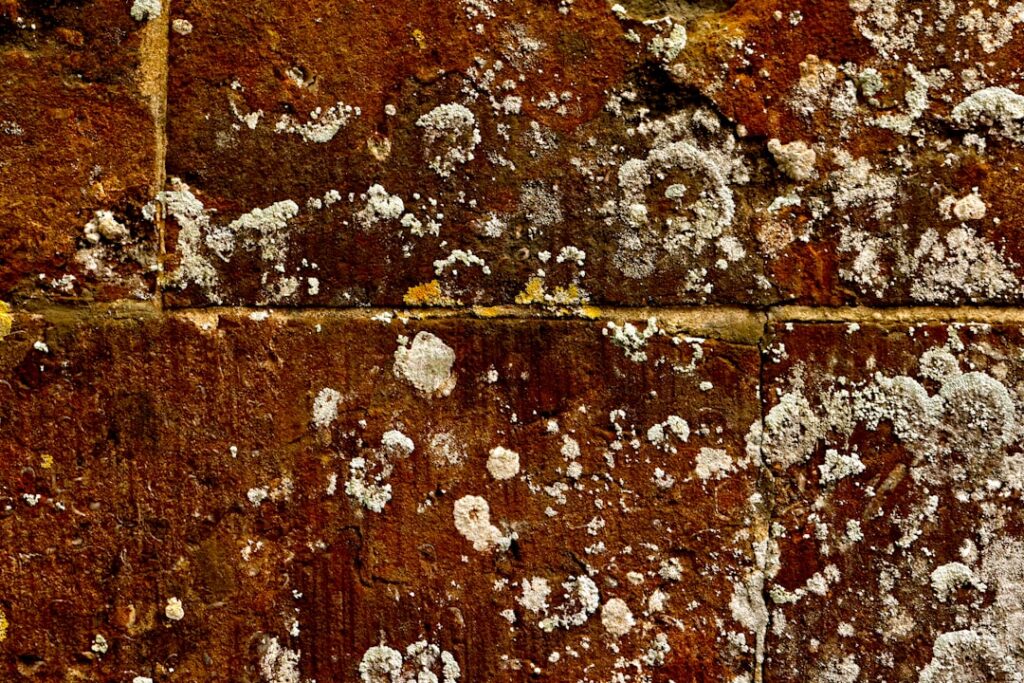
Mildew is the flat, powdery, gray-to-white surface growth that shows up on damp grout, shower curtains, window sills, and stored fabric. It is a form of mold, and while it is usually less destructive than the thick colonies that grow inside walls, it still signals excess moisture and can irritate sensitive lungs. The good news is that surface mildew is one of the easier household problems to clean if you act early. This guide summarizes EPA and CDC guidance current as of 2026 and is informational only — consult your physician about symptoms and a professional for large or recurring growth.
Is this mold, asbestos, or water damage? Get a free instant screen
Upload a clear photo of the suspect area. You'll get an instant AI screening opinion and what to do next. This is screening guidance, not a professional determination.
Screening guidance only. AI can be wrong. Confirm asbestos, mold type, or lead with lab testing or a licensed professional before acting.
How to clean mildew, step by step
For most hard, nonporous surfaces, the process is straightforward and uses ordinary household supplies. The EPA emphasizes that physical removal plus thorough drying — not harsh chemicals — is what actually eliminates surface growth.
1. Protect yourself. Put on an N95 respirator, rubber gloves, and eye protection. Open a window or run an exhaust fan so you are not breathing concentrated spores or fumes.
2. Make a cleaning solution. A mix of dish detergent and warm water handles most light mildew. For tougher stains on hard surfaces, white vinegar (used straight) or a solution of one cup household bleach per gallon of water works, though bleach is rarely necessary and should never be mixed with ammonia or other cleaners.
3. Scrub the surface. Apply the solution, let it sit a few minutes, then scrub with a stiff brush or scrubbing pad. Work the grout lines and corners where mildew clings.
4. Rinse and dry completely. Wipe away residue and dry the area thoroughly with a towel or fan. Lingering moisture is the single biggest reason mildew returns.
5. Ventilate afterward. Keep air moving until the surface and the room are fully dry.
One detail homeowners skip is testing whether the mark is actually lifting before reaching for a harsher product. Wipe a small section first; if the gray film comes away on the cloth and the surface lightens, the cleaner is working and patience plus scrubbing will finish the job. If nothing transfers to the cloth, the discoloration is likely a set stain rather than live growth, and escalating to bleach will not change that. Working in small sections also keeps the cleaning solution from drying on the surface before it has had time to do its job.
Cleaning mildew from different materials
Bathroom tile, grout, and caulk
Tile and grout respond well to scrubbing with vinegar or a baking-soda paste. Stained silicone caulk that will not come clean often needs to be cut out and replaced — mildew roots into the porous edges and keeps coming back. Our detailed walkthrough on cleaning mold in the bathroom covers caulk replacement and grout sealing.
Fabric, curtains, and upholstery
Shake or brush loose mildew outdoors first. Many washable fabrics can be laundered in the hottest water the fabric allows, with detergent and an optional cup of white vinegar. Sun-drying helps, as ultraviolet light suppresses growth. Heavily infested or non-washable items may not be salvageable.
Painted walls and ceilings
Wipe painted drywall gently with detergent solution — avoid soaking it, since saturated drywall can grow mold inside the board. If mildew keeps returning on the same wall, the problem is likely moisture behind the surface rather than on it.
Wood and trim
Sealed or painted wood can be wiped and dried. Raw wood that has absorbed moisture may need light sanding after cleaning. Deeply penetrated growth on structural wood is a job for a professional.
What products actually work on mildew
Marketing makes this confusing, so here is the practical reality. Detergent and water remove most light mildew. White vinegar is mildly effective and safe for many surfaces. Hydrogen peroxide (3%) lifts stains on grout and fabric. Bleach whitens stains but, per EPA guidance, is not required and does nothing extra on porous materials. Baking soda works as a gentle abrasive and deodorizer.
The honest takeaway: no product substitutes for scrubbing and drying. A comparison of common options in our guide to mold cleaning products can help you match a product to a surface without overspending.
Step-by-step for the most common mildew spots
Different surfaces in the home collect mildew for different reasons, and a targeted routine clears each faster.
Shower and tub area
Spray the walls and corners with white vinegar or a detergent solution, let it sit ten minutes, then scrub grout lines with a stiff brush and the corners with an old toothbrush. Rinse, squeegee the walls, and run the exhaust fan. Replace any caulk that stays discolored after scrubbing. Re-grout sealing every year keeps water out of the porous lines.
Window sills and frames
Condensation pools on cold sills in winter and feeds mildew on the paint and frame. Wipe with detergent solution, dry completely, and address the condensation by improving ventilation or reducing indoor humidity. Persistent sill mildew often means the window is sweating because indoor air is too humid.
Closets and stored items
Mildew on shoes, leather, and stored fabric thrives in still, humid closets. Remove items, brush off loose growth outdoors, clean washable goods, and improve airflow by leaving doors ajar and adding a moisture absorber. Avoid storing damp items in sealed bins.
Refrigerator and appliance seals
The rubber gaskets on refrigerators, front-load washers, and dishwashers trap moisture and grow mildew. Wipe the folds with a vinegar solution and dry them, and leave washer doors open between loads.
Common mistakes that make mildew worse
A few well-intentioned habits backfire. Soaking porous surfaces like drywall to clean mildew drives moisture into the material and can grow mold inside it. Mixing cleaning chemicals — especially bleach with ammonia-based products — creates toxic fumes and is never worth it. Painting over mildewed surfaces traps the growth, which bleeds back through. Relying on air fresheners or ozone treatments masks the smell while the growth and its moisture source continue. And cleaning without ever lowering the humidity guarantees the mildew returns, often in the same spot within days. The lasting fix always pairs removal with drying and ventilation.
Understanding why mildew chooses certain surfaces
Mildew is not random. It settles wherever three conditions overlap: a surface that stays damp, a temperature in the comfortable range mildew prefers, and a thin film of organic material to feed on. That food can be soap scum, body oils, skin cells, dust, or the cellulose in paper and natural fabric. This is why a glazed ceramic tile rarely grows mildew while the grout line beside it does — the grout is porous, holds water, and traps the organic residue that smooth glaze sheds.
Airflow is the other deciding factor. Still air lets a thin layer of humid air sit against a surface long enough to keep it damp, while moving air carries that moisture away before mildew can establish. This explains the pattern homeowners notice but rarely connect: mildew clusters in corners, behind furniture pushed against walls, inside closed closets, and in the lower corners of shower stalls — all places where air barely moves. A surface in the open path of a fan or an open window stays drier and cleaner even in the same room. Recognizing the airflow pattern often points directly at the fix, which is usually moving air rather than applying a stronger cleaner.
Reading the difference between active mildew and old staining
Not every gray or black mark is live mildew. After mildew is cleaned and the surface stays dry, a shadow or stain often remains in porous grout, caulk, or paint where pigment from the growth penetrated. Homeowners sometimes scrub repeatedly at a stain that is no longer alive, assuming the cleaning failed. A simple test helps: active mildew typically smells musty, may feel slightly slick or powdery, and lightens when wiped with a cleaning solution. A set stain has no odor, does not change when wiped, and stays put because it is embedded in the material rather than sitting on it. Set stains on grout or caulk are cosmetic; the practical fix is to seal or replace the material rather than keep scrubbing. Knowing which one you are looking at prevents wasted effort and unnecessary worry that the mildew “won’t die.”
Mildew versus mold: knowing when it’s more serious
Mildew stays flat and on the surface; it wipes away and the material underneath looks intact. Deeper mold often looks fuzzy, slimy, or black, penetrates the material, and may leave staining that does not scrub off. If a surface stays soft, smells strongly musty even after cleaning, or regrows within days, the issue is probably more than surface mildew. Growth covering more than about 10 square feet, or found inside walls and HVAC systems, moves beyond DIY territory. The broader mold inspection and testing resource explains how professionals tell the difference and when sampling is worthwhile.
Stopping mildew from coming back
Cleaning is only half the job. Mildew needs moisture, so prevention focuses on keeping surfaces dry.
Lower humidity. Keep indoor relative humidity between 30% and 50%, per EPA recommendations. A dehumidifier in damp basements and a hygrometer to monitor levels go a long way.
Ventilate wet rooms. Run bathroom and kitchen exhaust fans during and after use, and leave shower doors open to dry. Squeegee shower walls after each use.
Fix leaks fast. Repair dripping faucets, sweating pipes, and slow leaks before they feed growth.
Improve airflow. Pull furniture slightly away from exterior walls, open closet doors periodically, and avoid storing damp items in sealed bins.
Along Colorado’s Front Range, the dry climate keeps general mildew pressure lower than in the humid South, but cold-season window condensation and damp basements still create reliable mildew zones that benefit from these same habits.
Seasonal timing helps too. Mildew pressure rises whenever indoor humidity climbs — during humid summer stretches in most regions, and during winter in tightly sealed homes where moisture from cooking, showering, and breathing has nowhere to escape. Running exhaust fans, cracking a window briefly during cooking, and keeping the thermostat from creating large cold-surface temperature differences all reduce condensation. In basements, a dehumidifier set to maintain humidity below 50% does more to prevent mildew than any cleaner does to remove it.
Inspecting proactively also pays off. A quick monthly look at the usual trouble spots — shower corners, window sills, under sinks, behind the toilet, and inside appliance gaskets — catches mildew while it is still a wipe-away surface problem rather than something that has spread or penetrated. Early, small cleanups are easier, safer, and far cheaper than waiting until growth becomes extensive enough to need professional remediation.
Health considerations when cleaning mildew
The CDC notes that disturbing mildew and mold releases spores that can cause nasal congestion, throat irritation, coughing, wheezing, and eye irritation, with stronger reactions in people who have asthma, allergies, or weakened immune systems. Because mildew cleanup often happens in small, enclosed spaces like bathrooms and closets, the exposure can be concentrated during the work, which is why an N95 respirator and ventilation matter even for a quick job. The American Lung Association associates damp indoor environments with increased respiratory symptoms even in otherwise healthy occupants. Anyone in a higher-risk group is better off having someone else handle the cleaning, and persistent symptoms that ease away from the affected area are worth raising with a physician while the moisture is addressed.
When to call a professional
Most mildew is a weekend cleaning task. Call a remediation professional when growth keeps returning despite cleaning, covers a large area, has penetrated drywall or wood, appears in the HVAC system, or follows a flood or major leak. Persistent musty odor with no visible source also justifies a professional inspection, since the growth may be hidden. If anyone in the home has asthma, allergies, or a weakened immune system and symptoms flare indoors, consult a physician alongside addressing the moisture.
References
- Mold Cleanup in Your Home — U.S. Environmental Protection Agency
- About Mold and Health Effects — Centers for Disease Control and Prevention
- A Brief Guide to Mold, Moisture and Your Home — U.S. Environmental Protection Agency
- Mold and Dampness Indoors — American Lung Association
Front Range homeowners dealing with mildew that keeps returning or a musty smell they can’t trace can get in touch with a qualified local inspector here to rule out hidden moisture.