How to Kill Mildew: A Plain-Language Guide
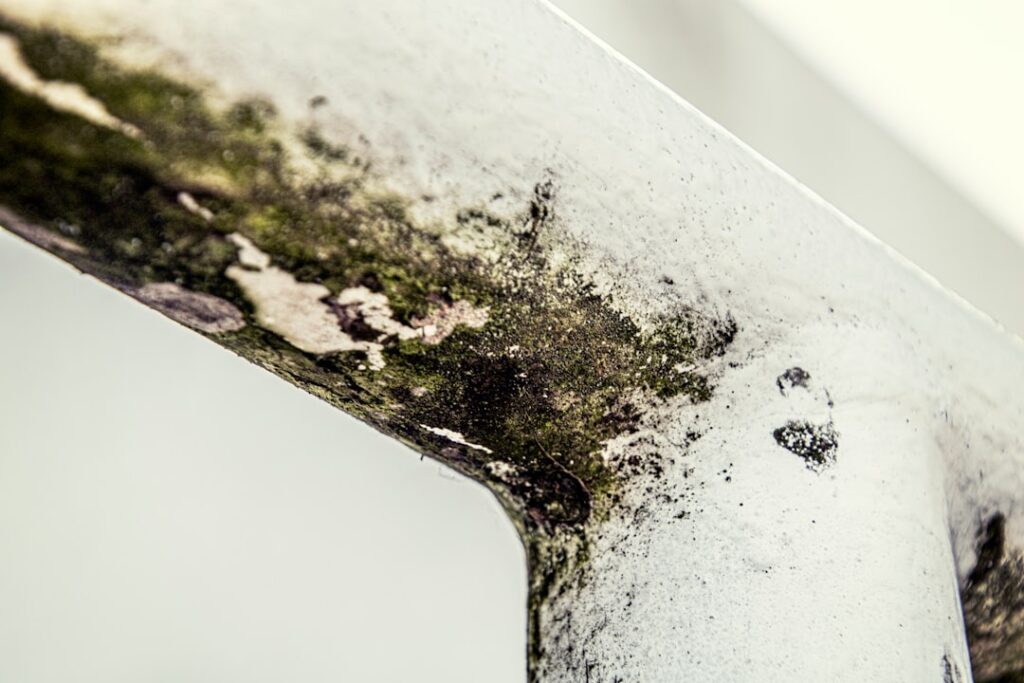
Mildew is the flat, gray-to-white surface growth most people notice in showers, on window sills, along grout lines, and on shaded siding. It’s a form of mold that tends to stay on the surface, which is good news: knowing how to kill mildew is usually a matter of the right cleaner, a little scrubbing, and — most important — drying the area so it can’t come back. This guide summarizes EPA and CDC guidance current as of 2026 and is informational only; consult a physician for health symptoms and a certified professional for large or recurring growth.
Part of our Mold Removal & Remediation guide — start there for the full picture →
Is this mold, asbestos, or water damage? Get a free instant screen
Upload a clear photo of the suspect area. You'll get an instant AI screening opinion and what to do next. This is screening guidance, not a professional determination.
Screening guidance only. AI can be wrong. Confirm asbestos, mold type, or lead with lab testing or a licensed professional before acting.
How to Kill Mildew: The Quick Answer
For most surface mildew, scrub the area with detergent and water, rinse, and dry it completely. That single sequence handles the majority of bathroom and kitchen mildew. For a stronger sanitizing step on non-porous surfaces such as tile, glass, fiberglass, and sealed countertops, follow the cleaning with a disinfecting solution and let it dwell for several minutes before wiping. The EPA emphasizes that physical removal plus thorough drying is the core of effective mildew control; the chemical is secondary to actually getting the growth off the surface and keeping it dry afterward. Skipping the drying step is the single most common reason mildew comes straight back.
Cleaners That Work on Mildew
Several products kill or remove surface mildew. Each fits a different situation, and choosing by surface type matters more than choosing the strongest chemical.
Detergent and Water
A simple dish-soap solution and a stiff brush remove most mildew from hard surfaces. This is the EPA’s baseline recommendation and is safe on nearly any material, which makes it the right first try before reaching for anything harsher.
Diluted Bleach (Non-Porous Only)
On tile, grout, fiberglass tubs, and other non-porous surfaces, a solution of roughly one cup of chlorine bleach per gallon of water sanitizes and lightens stains. Never mix bleach with ammonia or acidic cleaners, ventilate the room, and wear gloves and eye protection. Bleach is a poor choice for raw wood or drywall because it adds water without penetrating, leaving moisture behind that can feed regrowth.
White Vinegar
Undiluted white vinegar disrupts many mildew species and is a reasonable option for people who prefer to avoid bleach. Spray it on, let it sit for an hour, then scrub and rinse. It works more slowly than bleach and has a sharp odor that fades as it dries.
Hydrogen Peroxide
A 3 percent hydrogen peroxide solution lifts mildew and bleaches stains on many surfaces, including some fabrics, after a spot test. It breaks down quickly, so apply it fresh and discard what you don’t use. Peroxide is a useful middle ground when bleach is too harsh and detergent alone isn’t cutting through stubborn staining.
Commercial Mildew Removers
Ready-made bathroom mildew sprays combine surfactants with a sanitizing agent and are convenient for routine maintenance. Follow the label dwell time, ventilate the room, and never combine one product with another, since mixing cleaners can create dangerous fumes. These products clean effectively but, like every option here, they don’t replace drying and ventilation as the long-term control.
Killing Mildew in the Bathroom
Bathrooms are mildew’s favorite room because warm water and poor ventilation keep surfaces damp. Focus on grout lines, silicone caulk, shower corners, and the underside of bottles and mats. Scrub grout with a brush and your chosen cleaner; replace caulk that stays black after cleaning, since mildew grows into the silicone and won’t fully release. Run the exhaust fan during and for 20 to 30 minutes after every shower, squeegee the walls, and leave the curtain or door open to dry. A bathroom that dries out between uses simply doesn’t grow much mildew, which is why ventilation does more long-term work than any spray. Homeowners battling persistent ceiling spots often find the cleanup overlaps with guidance on black mold on a bathroom ceiling, where ventilation is again the lasting fix.
Mildew in Basements and on Outdoor Surfaces
Basement mildew usually signals high humidity rather than a single leak. A dehumidifier holding relative humidity under 50 percent, paired with surface cleaning, solves most cases. Pay attention to closets, the backs of furniture against exterior walls, and stored cardboard, all of which trap still, damp air. Outdoors, mildew and algae darken shaded siding, decks, and north-facing walls. A house-wash solution or oxygen bleach plus a soft brush removes it; pressure washing can drive water behind siding, so use moderate pressure and let surfaces dry fully afterward. For broader strategy on damp lower levels, the mold inspection and testing hub walks through moisture diagnosis before you reach for a cleaner.
Killing Mildew on Fabric and Soft Goods
Mildew on clothing, towels, shower curtains, and outdoor cushions is common and treatable, though heavily stained items may not fully recover. For washable fabrics, laundering in the hottest water the fabric allows, sometimes with an added cup of white vinegar or an oxygen-based bleach, removes most mildew and its odor; check the care label first and avoid chlorine bleach on colors. Dry items completely in the sun or a dryer, because residual dampness simply reseeds the growth. Fabric shower curtains and liners can be machine-washed or replaced when cheap to do so. For cushions and upholstery that can’t go in a washer, brushing off the surface growth outdoors, cleaning with a mild detergent solution, and drying thoroughly in sunlight is the usual approach. The musty smell that lingers after cleaning often means moisture remains, so prioritize complete drying over repeated washing.
Killing Mildew on Walls and Painted Surfaces
Mildew on painted drywall, behind furniture, and in poorly ventilated corners needs a gentler hand than tile. Mix a mild detergent solution and wipe the area with a sponge or soft cloth rather than soaking it, since drywall paper absorbs water and can be damaged or fed by it. For stubborn spots on a washable, sealed paint finish, a lightly diluted bleach or a dedicated mildew cleaner can work, but test an inconspicuous area first and avoid drenching the wall. Dry the surface immediately with a fan. If the paint or drywall is soft, stained through, or bubbling, the growth has likely penetrated the material, and that section may need to be cut out and replaced rather than cleaned. Once the wall is clean and fully dry, a mildew-resistant primer and paint can help discourage a return — but only after the moisture problem is solved, never as a way to cover active growth.
Natural and Low-Toxicity Options
Households that want to limit harsh chemicals have several effective choices. White vinegar, 3 percent hydrogen peroxide, and baking soda each handle light surface mildew on suitable materials, and tea tree oil diluted in water is sometimes used as a natural antifungal spray that’s left to dry rather than rinsed. These work best on small, early growth and on non-porous surfaces, and they reward patience and scrubbing more than the harsher products do. The trade-off is speed: vinegar and peroxide act more slowly than bleach and may need a second pass on tougher stains. None of them substitutes for drying and ventilation, which remain the deciding factors regardless of which cleaner you choose. For people with chemical sensitivities or young children at home, these gentler options paired with strong moisture control are a sensible route.
Mildew vs. Mold: Does the Distinction Matter?
“Mildew” generally describes flat, surface growth, while “mold” often refers to fuzzier, more deeply embedded colonies. In practice the CDC and EPA treat them the same way: both are fungal growth driven by moisture, and the response is identical — remove the growth and fix the water. You don’t need to identify the species. What matters is whether the growth is on a non-porous surface you can clean or has penetrated a porous material like drywall, ceiling tile, or carpet, which may need replacement. The naming debate makes no difference to the cleanup; the surface and the moisture do.
Stop Mildew From Coming Back
Killing mildew is the easy part; keeping it gone is about moisture control. The CDC states plainly that controlling moisture is the key to controlling indoor mold and mildew. Practical steps include keeping indoor relative humidity below 50 percent, running bathroom and kitchen exhaust fans, fixing leaks promptly, improving air circulation around furniture and in closets, insulating cold surfaces that sweat, and drying any wet material within 24 to 48 hours. In Front Range homes, winter condensation on cold window frames and exterior-wall corners is a common mildew trigger that ventilation and modest heat correct. A small hygrometer in problem rooms turns “it feels damp” into a number you can act on, which makes prevention far easier to sustain.
Common Mistakes That Let Mildew Return
Several habits undermine an otherwise good cleanup. Spraying a cleaner and wiping immediately, without letting it dwell or scrubbing, leaves living growth behind. Using bleach on porous wood or drywall adds water that feeds regrowth while the chlorine evaporates harmlessly off the top. Painting over a mildewed surface traps the growth, which bleeds back through the new paint within weeks. Closing a bathroom door on a wet room with no exhaust turns it into an incubator. And cleaning the visible spot while ignoring the leak, condensation, or humidity that caused it guarantees a repeat performance. The fix for each mistake is the same principle stated differently: remove the growth mechanically, dry the surface fully, and change the conditions that kept it wet. Mildew that “won’t go away” is almost always mildew that’s being cleaned but never dried.
Cleaning Grout and Caulk Without Damage
Grout and silicone caulk are where bathroom mildew digs in hardest, because both are slightly porous and stay damp. For grout, a paste of baking soda and a little water scrubbed in with an old toothbrush, followed by a vinegar or diluted-bleach rinse on non-porous tile, lifts most staining; sealing the grout afterward slows future growth. Caulk is tougher. Mildew threads grow into the silicone where surface cleaners can’t fully reach, so caulk that stays discolored after a thorough cleaning is best cut out and replaced with a fresh bead of mildew-resistant silicone. Replacing a strip of caulk takes an hour and a few dollars and often does more for a chronically mildewed shower corner than any amount of scrubbing. Keep the new caulk dry while it cures, and the corner usually stays clean far longer.
When to Call a Professional
Most mildew is a DIY job. Step back and consider professional help when growth covers more than about 10 square feet, when it returns repeatedly after cleaning, when it’s tied to sewage or contaminated water, or when it’s hidden inside walls or HVAC systems. Those situations point to a moisture or contamination problem that surface cleaning won’t resolve, and proper containment and drying matter for both the building and your health. People with asthma, allergies, or weakened immune systems should also lean toward professional help rather than disturbing growth themselves.
Recurring mildew across multiple rooms is itself a signal worth heeding. Isolated growth in one wet bathroom usually reflects a ventilation gap; mildew appearing in closets, on exterior-wall corners, in the basement, and on stored items at the same time points to a whole-house humidity or building-envelope issue that no spray bottle resolves. A professional can measure humidity and surface moisture, check for hidden leaks, and recommend targeted fixes such as added ventilation, dehumidification, or drainage work. Catching that pattern early is cheaper than repainting and re-cleaning the same surfaces season after season.
References
- Mold Cleanup in Your Home — U.S. Environmental Protection Agency
- About Mold and Your Health — Centers for Disease Control and Prevention
- Mold and Dampness — American Lung Association
- Mold and Indoor Air Quality — National Institute of Environmental Health Sciences
Frequently asked questions
What is the fastest way to kill mildew?
Scrub the surface with detergent and water, then sanitize non-porous areas with diluted bleach or vinegar and dry completely. Physical removal plus thorough drying is the core step; the cleaner is secondary.
Is vinegar or bleach better for mildew?
Bleach sanitizes and lightens stains on non-porous surfaces like tile and grout. Vinegar is a slower, bleach-free option that works on many surfaces. Avoid bleach on raw wood or drywall because it adds water without penetrating.
Why does mildew keep coming back in my shower?
Persistent shower mildew almost always means too much trapped moisture. Run the exhaust fan during and after showers, squeegee the walls, replace blackened caulk, and keep indoor humidity below 50 percent.
Is mildew dangerous to breathe?
Mildew can irritate the eyes, throat, and airways and trigger reactions in people with allergies or asthma. Clean it promptly and ventilate while you work. See a physician about persistent respiratory symptoms.
If mildew keeps returning across a Front Range home despite regular cleaning, the underlying moisture likely needs a professional eye. Reach out through our contact page to connect with a vetted local inspector who can pinpoint the source.