Clean Mold: What Homeowners Need to Know
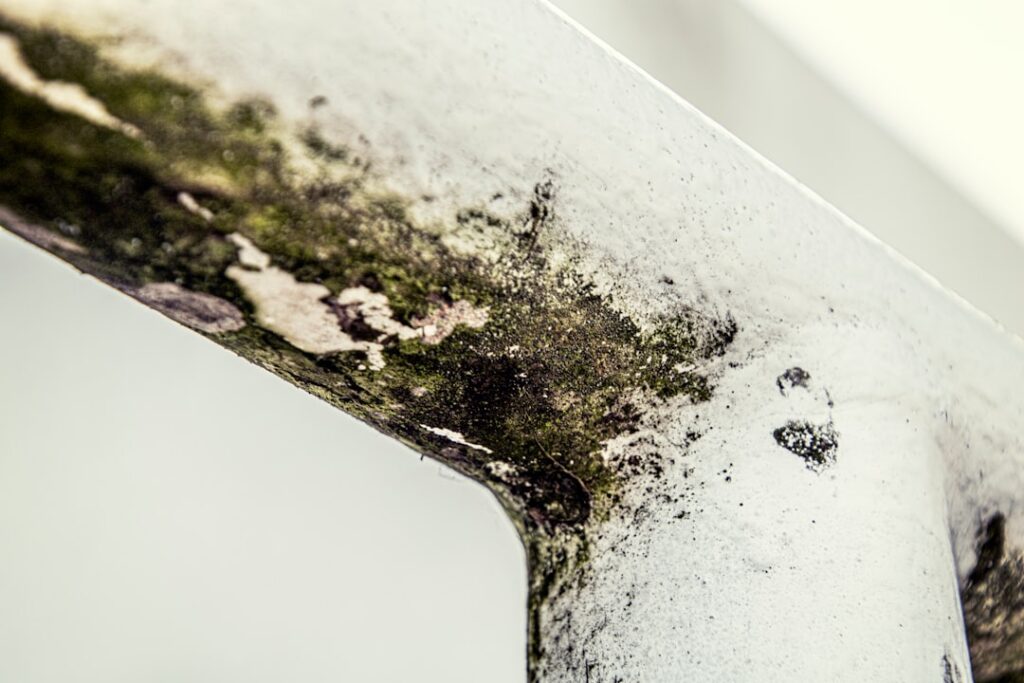
To clean mold safely, scrub small areas of growth on hard surfaces with detergent and water, dry the surface completely, and fix whatever moisture caused it — that last step is what keeps the mold from coming back. The U.S. Environmental Protection Agency says homeowners can generally handle contaminated areas smaller than about 10 square feet themselves, while larger or hidden growth calls for a professional. This guide summarizes EPA and CDC guidance current as of 2026; consult a certified professional for large or recurring mold and a physician for any health symptoms.
Part of our Mold Removal & Remediation guide — start there for the full picture →
Is this mold, asbestos, or water damage? Get a free instant screen
Upload a clear photo of the suspect area. You'll get an instant AI screening opinion and what to do next. This is screening guidance, not a professional determination.
Screening guidance only. AI can be wrong. Confirm asbestos, mold type, or lead with lab testing or a licensed professional before acting.
How to clean mold the right way
The core method is simpler than most product marketing suggests. The EPA’s guidance for routine household mold is to scrub it off hard surfaces with detergent and water and then dry the area thoroughly. Killing the mold is less important than removing it and eliminating the moisture, because dead mold spores can still trigger allergic reactions. The steps:
- Wear protection: an N95 respirator, gloves, and eye protection without vents.
- Scrub the surface with detergent and water (or a cleaner labeled for mold).
- Dry the area completely — moisture left behind invites regrowth.
- Discard porous materials that cannot be fully cleaned, such as soaked drywall, carpet, or ceiling tile.
- Fix the moisture source so the problem does not return.
That final point is the one homeowners most often skip. Cleaning visible mold without addressing the leak or humidity simply resets a clock. Our mold inspection and testing hub explains how to track down a hidden moisture source.
What products actually work
Several common products clean mold effectively on hard surfaces:
- Detergent and water. The EPA’s default recommendation for routine cleanup. Effective and low-risk.
- Diluted bleach. Works on hard, non-porous surfaces. The CDC notes bleach is not always necessary and warns never to mix it with ammonia, which produces toxic fumes. Use in a ventilated area.
- Hydrogen peroxide and white vinegar. Milder options that many homeowners prefer for routine surface mold.
One caution about bleach on porous materials: it does not penetrate well, so it can lighten surface staining while leaving root growth in the material. For drywall, the practical fix is often removal rather than repeated bleaching. Our guide on treating mold on drywall covers when a wall can be cleaned versus cut out.
Best Mold and Mildew Remover: our top 3 picks
| Product | Best for | Key features | Price | Buy |
|---|---|---|---|---|
| RMR-86 Instant Stain Remover | Fast mildew stain removal |
| — | Buy now →Check current price |
| Concrobium Mold Control | Mold control and prevention |
| — | Buy now →Check current price |
| 30 SECONDS Pro | Indoor and outdoor stains |
| $17.28as of Nov 26, 2026 3:43 pm GMT+0000 | Buy now →Check current price |


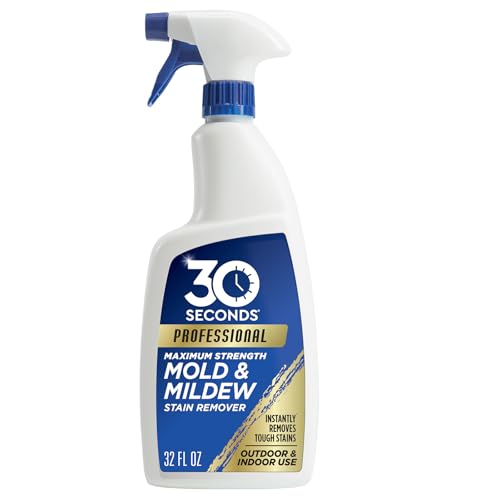
Prices are Amazon’s listed prices as of the time shown and change often; check Amazon for today’s price. As an Amazon Associate we earn from qualifying purchases.
When DIY cleaning is appropriate
DIY is reasonable when all of these are true: the area is small (roughly under 10 square feet), the surface is hard and non-porous, there is no contaminated or sewage water involved, and the occupants do not have asthma, allergies, or weakened immune systems. Bathroom tile, grout, sinks, and small patches on sealed surfaces are good candidates.
DIY is not appropriate for large areas, mold inside HVAC systems, growth following sewage backups, or households with respiratory sensitivity. In those cases the CDC and EPA both recommend professional handling, in part because disturbing a large colony without containment can spread spores throughout the home.
Cleaning by surface type
Bathrooms
Tile, grout, and fixtures clean well with detergent or a mold-specific spray. Persistent shower or ceiling growth usually points to a ventilation gap; running the exhaust fan during and after showers reduces recurrence.
Walls and ceilings
Painted, sealed drywall with a light surface film can sometimes be cleaned, but soaked or crumbling drywall should be removed. Mold on a ceiling can indicate a roof or plumbing leak above.
Concrete and masonry
Hard and non-porous enough to scrub, though staining can persist. Basement concrete mold often signals a moisture-intrusion problem worth investigating.
Fabrics and porous items
Washable fabrics can often be laundered; heavily contaminated, non-washable items are usually discarded.
Preventing mold from returning
Cleaning is only half the job. Prevention rests on moisture control: keep indoor relative humidity below 50 percent, the level the CDC associates with discouraging growth, using ventilation and dehumidification. Fix leaks promptly, direct gutter and grading water away from the foundation, and ventilate bathrooms and kitchens. On the Front Range, finished basements and seasonal humidity swings make a dehumidifier sized to the space a worthwhile investment. Dry any water intrusion within 24 to 48 hours to stop new colonies before they establish.
Protective gear and safe technique
Even a small cleaning job warrants basic protection, because disturbing mold releases spores. The CDC and EPA recommend wearing an N95 respirator, rubber gloves, and goggles without ventilation holes while cleaning. Open a window for ventilation, but avoid using a fan that would blow spores into other rooms. Work gently rather than aggressively scrubbing dry mold, which sends more spores airborne; dampening the surface first helps keep them down.
Bag and seal any removed materials before carrying them through the house, and clean tools and surfaces afterward. When finished, wash up and launder the clothes worn during the work. These steps are not overkill for a small job — they are the difference between removing mold and spreading it. Households with asthma, allergies, or weakened immunity should hand even small jobs to someone unaffected, or to a professional, since spore exposure is the main hazard.
Why killing mold is not the goal
Marketing for sprays and foggers often promises to “kill” mold, but the EPA frames the objective differently: remove it. Dead mold spores can still trigger allergic reactions, so a surface that has been disinfected but not physically cleaned can continue to cause symptoms. The practical implication is that scrubbing the growth off and disposing of unsalvageable porous materials matters more than the antimicrobial label on the bottle.
This also explains why bleaching a moldy porous surface is a weak fix. Bleach may lighten the visible stain on drywall while leaving the mold’s root structure — and the allergenic dead material — embedded below. Removal solves what disinfection alone cannot. For homeowners deciding whether a wall can be saved, our guide on treating mold on drywall walks through the cut-out-versus-clean decision.
Cleaning mold off belongings and HVAC
Mold reaches more than walls. Washable clothing and linens can often be laundered and dried thoroughly; heavily contaminated, non-washable items are usually discarded because porous fabrics are hard to fully clean. Hard-surface belongings — glass, metal, sealed plastics — wipe down easily. Books, papers, and upholstered furniture are difficult and frequently not worth saving once mold has penetrated.
One area homeowners should not tackle casually is the HVAC system. Mold on an evaporator coil or inside ductwork distributes spores throughout the home every time the system runs, and cleaning it properly requires specialized access and equipment. The EPA advises against running a contaminated system and recommends professional cleaning for HVAC mold. Surface cleaning a register cover is fine; opening up ducts is a job for a qualified contractor.
Cleaning after a small water event
A minor spill, overflow, or leak handled quickly often prevents mold cleaning from being necessary at all. The key is the 24-to-48-hour window the EPA associates with the onset of growth: water dried within that period rarely supports mold, while water left longer increasingly does. After a small event, remove standing water, dry the area thoroughly with fans and dehumidification, and pull up or open anything trapping moisture, such as wet baseboards or the backs of cabinets, so the cavity behind them can dry.
If growth has already appeared, treat it as a cleaning job sized to the area: small and on hard surfaces, DIY with protection and detergent; larger or porous, a professional. The mistake to avoid is assuming a dried surface means a dry cavity — water that wicked into a wall or under flooring can keep feeding growth even after the visible surface looks fine, which is why confirming the structure is dry, not just the surface, matters after any water event.
When to call a professional
Call a professional when the affected area exceeds roughly 10 square feet, when mold is inside HVAC equipment, when it follows contaminated water, or when occupants have respiratory conditions or weakened immunity. A professional inspection also makes sense when you smell mold but cannot find it, since hidden growth behind walls or under floors is common and harder to clean safely without proper containment. Cleaning what you can see is reasonable; chasing what you cannot is work for someone equipped to do it safely.
Common cleaning mistakes to avoid
Several well-intentioned habits make mold problems worse. Painting over mold is one of the most common: paint may hide the stain briefly, but it does not remove the growth or the moisture, and the mold reappears through the new coat. Mixing cleaning chemicals is another hazard — combining bleach with ammonia, which is present in some glass and surface cleaners, releases toxic chloramine fumes, a danger the CDC specifically warns against.
Dry-scrubbing or sanding moldy material without dampening it first sends a cloud of spores into the air, spreading the problem and increasing exposure. Running a fan that blows across the moldy area into other rooms does the same. And cleaning a large area without containment or protection can turn a localized issue into a whole-house one. The safe pattern is the opposite of these: protect yourself, dampen and gently remove the growth, contain the area on larger jobs, and never rely on paint or disinfectant to substitute for removal and moisture control.
How to tell mold from look-alikes before cleaning
Before reaching for cleaner, confirm what you are dealing with. Soot from candles or a furnace, mineral deposits and efflorescence on masonry, settled dust along baseboards, and ordinary dirt can all resemble mold. A few checks help: mold tends to grow in irregular, spreading patterns in damp spots and often carries a musty odor, while dust and soot do not. Mold may smear when wiped with a damp cloth; mineral deposits usually resist it. Texture varies, from fuzzy to slimy when wet.
Getting this right avoids wasted effort and unnecessary worry. A streak of soot needs ordinary cleaning, not mold protocol, while genuine growth needs the moisture source addressed. When growth keeps returning after cleaning or spreads across a surface, that recurrence is itself a clue that a moisture problem is feeding it. For homeowners weighing whether a stain is harmless residue or active growth, comparing appearance and texture against known examples helps build confidence in the call.
Building a routine that keeps mold away
Cleaning is a response; prevention is a routine. A few habits keep most household mold from establishing in the first place. Run bathroom and kitchen exhaust fans during and after moisture-generating activities. Wipe down shower walls and squeegee glass to cut standing water. Address any leak — under sinks, around the water heater, at window frames — within a day or two, before growth can start. Keep indoor relative humidity below 50 percent, the level the CDC associates with discouraging growth, using ventilation and dehumidification.
On the Front Range, finished basements and seasonal humidity swings make these habits especially valuable, and a dehumidifier sized to the space is a worthwhile addition. The payoff is fewer cleaning sessions and a lower chance that a small spot becomes a remediation project. Mold cleaning never fully ends in a damp environment, but a consistent prevention routine makes it rare and minor rather than frequent and costly.
More Questions About Cleaning Mold
How much does professional mold cleanup cost?
Professional mold cleanup typically costs from a few hundred dollars for a small surface job to several thousand dollars or more for whole-room or whole-house remediation, based on industry estimates. Small jobs, like a bathroom ceiling or window sill area, sit at the low end. Costs rise when drywall, insulation or flooring must be removed, when containment and air filtration are needed, or when the mold is in an attic, crawl space or HVAC system. Ask for written quotes that list containment, removal, cleaning and drying steps, and confirm whether moisture repairs are included.
How do you clean mold off wood?
Mold on wood is cleaned by vacuuming loose growth with a HEPA vacuum, scrubbing with detergent and water, and letting the wood dry completely. For finished or sealed wood, a damp cloth and mild detergent usually remove surface mold. Unfinished wood may need light sanding to lift stains from the grain, done while wearing an N95 respirator. Avoid soaking the wood, since added moisture feeds regrowth. Wood that is soft, crumbly or deeply stained may have rot and should be checked by a contractor before it is reused.
Can you clean mold in a shower without bleach?
Yes, mold in a shower can be cleaned without bleach using a detergent scrub, hydrogen peroxide or a household mold and mildew cleaner. Spray the grout, caulk and tile, let the product sit for the time on its label, then scrub with a stiff brush and rinse. On hard, non-porous tile, physical scrubbing does most of the work. Mold that has grown into silicone caulk usually cannot be cleaned out and the caulk should be cut out and replaced. Running the bathroom fan after every shower keeps the mold from returning.
How long does it take for mold to grow back after cleaning?
Mold can begin growing back within 24 to 48 hours if a cleaned surface gets wet again and stays damp. That is the same window in which mold starts on any wet material. Regrowth is often visible within a few weeks when the underlying moisture problem was not fixed. If cleaned areas stay dry and indoor humidity is kept below about 50 to 60 percent, mold usually does not return. Repeated regrowth in the same spot is a strong sign of a hidden leak, condensation or a ventilation problem.
Should you test for mold after cleaning?
Testing after cleaning is usually not needed for small, visible jobs a homeowner handled; a clean, dry surface with no odor is the practical check. The EPA notes that sampling is generally unnecessary when growth is visible and its cause is known. Post-cleanup verification makes more sense after professional remediation, during a home sale, or when occupants have health concerns. In those cases, an independent assessor who did not do the cleanup can perform a visual inspection and, if needed, air or surface sampling to confirm the work.
References
- Mold Cleanup in Your Home — U.S. Environmental Protection Agency
- About Mold and Your Health — Centers for Disease Control and Prevention
- A Brief Guide to Mold, Moisture, and Your Home — U.S. Environmental Protection Agency
Frequently asked questions
What is the best way to clean mold?
For small areas on hard surfaces, scrub with detergent and water, dry the surface completely, and fix the moisture source. The EPA emphasizes removing mold and controlling moisture over killing it, since dead spores can still trigger allergies.
Does bleach kill mold?
Bleach can clean mold on hard, non-porous surfaces, but the CDC notes it is not always necessary. It does not penetrate porous materials like drywall well, so removal is often better there. Never mix bleach with ammonia.
How much mold can I clean myself?
The EPA suggests homeowners can handle areas smaller than about 10 square feet on hard surfaces with proper protective gear. Larger areas, HVAC contamination, sewage water, or households with respiratory issues should use a professional.
How do I stop mold from coming back after cleaning?
Control moisture. Keep indoor humidity below 50 percent, fix leaks promptly, ventilate bathrooms and kitchens, and dry any water intrusion within 24 to 48 hours. Cleaning without fixing the moisture source only delays regrowth.
Can you clean attic mold yourself?
Attic mold can sometimes be cleaned by a homeowner if the area is small, but attics are hard to work in safely because of heat, insulation and limited footing. Large patches on roof sheathing usually point to ventilation or bathroom-fan problems and are often better handled by a professional who also fixes the cause.
Does vinegar or bleach work better on mold?
Neither vinegar nor bleach is the best first choice for mold; detergent and scrubbing remove most growth on hard surfaces. Bleach can lighten stains on non-porous surfaces but does little on porous materials. Vinegar works on some molds but more slowly. Never mix the two, because the combination releases harmful chlorine gas.
Is mold cleanup covered by renters insurance?
Renters insurance rarely covers mold cleanup in the unit itself, because the building belongs to the landlord. It may cover personal belongings damaged by mold that results from a sudden covered event, like a burst pipe. Renters should report mold to the landlord in writing, since repairs to the structure are usually the landlord's responsibility.
If a musty smell or recurring mold has you stumped on the Front Range, reach out through our contact page to connect with a vetted inspector who can trace the moisture source.