Chrysotile Asbestos: What Homeowners Need to Know
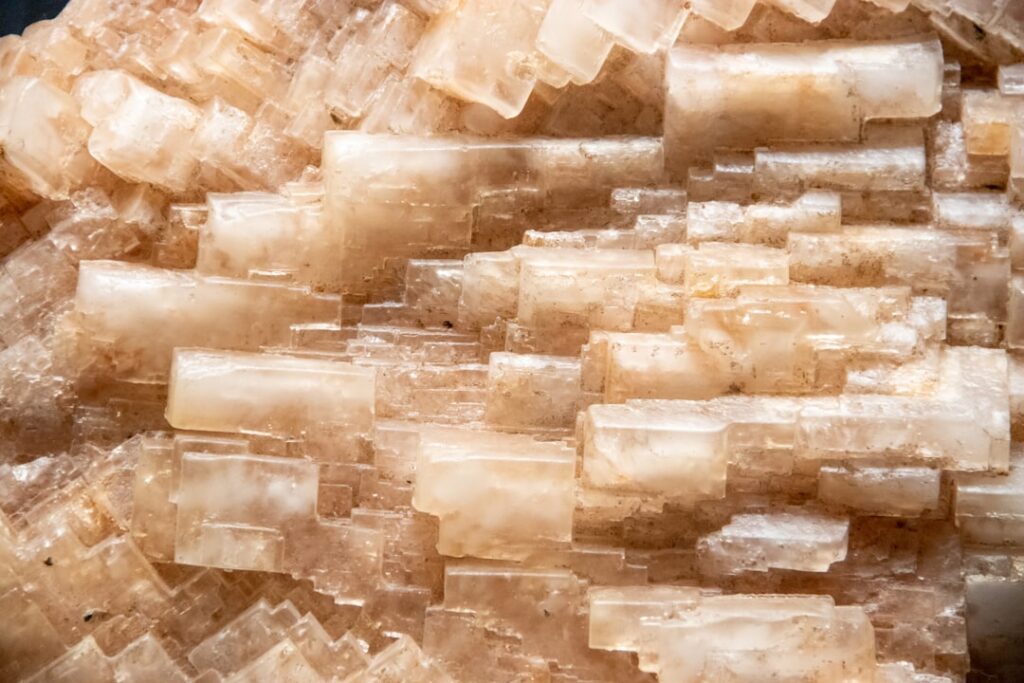
Most of the asbestos that ended up in American houses was one kind: chrysotile. It was woven into pipe wrap, mixed into floor tiles and joint compound, pressed into cement siding and roofing, and sprayed onto ceilings as popcorn texture. Because it was so common, a homeowner who gets a positive asbestos test on an older material in a Colorado Front Range house is very likely looking at a chrysotile result. Knowing what chrysotile asbestos is, how it differs from the other asbestos minerals, where it tends to show up and how federal agencies treat it helps turn a scary lab report into a practical plan. This guide covers the mineral itself, the products that often contained it, what OSHA and EPA say about its health effects, the 2024 EPA rule on ongoing chrysotile uses, and how laboratories identify it. It is general information, not medical, legal or regulatory advice, and any material in your own home should be judged on its condition and on testing rather than on age alone.
Part of our Asbestos in the Home guide — start there for the full picture →
Is this mold, asbestos, or water damage? Get a free instant screen
Upload a clear photo of the suspect area. You'll get an instant AI screening opinion and what to do next. This is screening guidance, not a professional determination.
Screening guidance only. AI can be wrong. Confirm asbestos, mold type, or lead with lab testing or a licensed professional before acting.
What Chrysotile Asbestos Is
Asbestos is not a single mineral. OSHA describes it as the name given to a group of naturally occurring minerals that resist heat and corrosion, and its list of regulated asbestos minerals includes chrysotile, amosite, crocidolite, tremolite, anthophyllite and actinolite, plus any of these that have been chemically treated or altered. Mineralogists split those six into two families based on crystal structure.
Chrysotile belongs to the serpentine group. Its fibers are curly, flexible and silky, which is a big part of why manufacturers liked it: it could be spun, woven and blended into products in ways that stiffer fibers could not. In the trade it is often called “white asbestos,” a nickname based on the color of the raw fiber rather than on how the finished product looks. A chrysotile floor tile can be black, green or marbled, and a chrysotile pipe wrap is usually grayish-white once it has aged. Color is never a reliable way to identify asbestos in a home.
The other five regulated minerals are amphiboles. Their fibers tend to be straighter, more needle-like and more brittle. Amosite, sometimes called “brown asbestos,” and crocidolite, sometimes called “blue asbestos,” were the amphiboles most used commercially. Tremolite, anthophyllite and actinolite were mined less often on their own, but they can show up as contaminants in other minerals, including some talc and vermiculite deposits.
The OSHA asbestos overview notes that epidemiologic evidence has increasingly shown that all asbestos fiber types, “including the most commonly used form of asbestos, chrysotile,” cause mesothelioma in humans. That single sentence captures the two points homeowners most need: chrysotile was the dominant type, and it is not a safe form of asbestos. The site’s asbestos and lead pillar covers the wider topic, and the asbestos hub gathers the material-specific guides.
Chrysotile Versus Amphibole Asbestos
The table below summarizes the main asbestos types and where they are commonly reported in houses. Product associations are generalizations from the building trades; any specific material can contain a different type, a blend of types or no asbestos at all, so treat the right-hand column as a list of possibilities rather than a diagnosis.
| Asbestos type | Mineral group | Typical home products (hedged) |
|---|---|---|
| Chrysotile (“white”) | Serpentine | Vinyl and asphalt floor tiles, sheet flooring backing, mastic, joint compound, popcorn texture, asphalt roofing, cement siding and shingles, pipe and duct wraps, furnace gaskets |
| Amosite (“brown”) | Amphibole | Often reported in some pipe and boiler insulation, insulating board and ceiling tiles, sometimes blended with chrysotile |
| Crocidolite (“blue”) | Amphibole | Less common in houses; sometimes reported in certain cement pipe, gaskets and high-heat insulation |
| Tremolite | Amphibole | Mostly as a contaminant, for example in some vermiculite or talc-based products |
| Anthophyllite | Amphibole | Rare in houses; may appear as a contaminant or in limited insulation products |
| Actinolite | Amphibole | Rare in houses; usually a contaminant rather than an added ingredient |
Why does the distinction come up at all? Partly because lab reports name the type, so homeowners see the word “chrysotile” and want to know what it means. And partly because of a long-running argument about relative hazard. Some argue that the curly serpentine fibers are cleared from the lungs faster than straight amphibole fibers and therefore carry lower risk per unit of exposure. Federal agencies do not use that argument to relax anything. OSHA regulates chrysotile under the same construction standard as the amphiboles, EPA’s 2024 action was aimed specifically at chrysotile, and both agencies treat all asbestos types as hazardous. For a homeowner deciding how to handle a damaged pipe wrap or a floor that needs to come out, the practical answer is the same regardless of fiber type: do not disturb it without proper controls.
Why chrysotile dominated the market
Chrysotile was abundant, relatively cheap and easy to process. Its flexible fibers blended well into vinyl, asphalt, cement and paper products, and its heat resistance made it useful in anything near a furnace, boiler or hot-water line. That combination is why it ended up in so many ordinary building materials, from the kitchen floor to the roof. The amphiboles had niche uses, especially in high-heat insulation, but by volume chrysotile was the workhorse.
Where Chrysotile Shows Up in Homes
The EPA’s Learn About Asbestos page lists places asbestos may be found in homes, including vinyl floor tiles and the backing on vinyl sheet flooring and adhesives, roofing and siding shingles, textured paint and patching compounds used on walls and ceilings, hot-water and steam pipes covered with asbestos material, blanket or tape, oil and coal furnaces and door gaskets, and attic and wall insulation produced with vermiculite. EPA does not break that list down by fiber type, but chrysotile is the type most often reported in many of these residential products. Here is a closer look at the usual suspects in older Front Range houses.
Floor tiles and mastic
The 9×9 and 12×12 vinyl and asphalt tiles common in mid-century kitchens, basements and hallways often contained chrysotile, and so did some of the black adhesive, or mastic, used to glue them down. The tile and the mastic are separate materials and can test differently, so labs and inspectors usually sample them separately. The guide to vinyl asbestos tile explains how to recognize the likely candidates, and the main rule is simple: intact tile that is not being disturbed is usually best left alone or covered.
Joint compound and popcorn texture
Drywall joint compound, patching compounds and sprayed-on acoustic or popcorn ceiling texture from roughly the 1950s through the 1970s sometimes contained chrysotile. These materials are a common surprise during remodels because they get sanded, scraped or cut. A small sanding job on an old wall can disturb far more material than a homeowner expects.
Roofing and siding
Asbestos-cement siding shingles, cement panels and some asphalt roofing products used chrysotile as reinforcement. Asbestos-cement products are usually fairly stable when intact, but breaking, drilling or power-washing them aggressively can release fibers.
Pipe wraps, duct wraps and furnace parts
Older heating systems are a frequent source. White or gray corrugated paper wrap on steam and hot-water pipes, tape and wrap on duct joints, and furnace door gaskets can all contain asbestos. Pipe insulation is often more fragile than flooring, especially where it has been bumped, wetted or partially removed. See the guides on asbestos-wrapped pipes and asbestos tape on ductwork for identification clues and handling options.
Vermiculite and other contaminated products
Loose-fill vermiculite attic insulation is a special case. EPA singles out asbestos-contaminated vermiculite on its asbestos pages, and the contamination concern with some vermiculite involves amphibole minerals rather than added chrysotile. It is a reminder that “asbestos” in a house is not always the same mineral, and a lab report is the only way to know what is actually present.
Health Effects: What OSHA and EPA Say
Asbestos is mainly a hazard when fibers become airborne and are inhaled. EPA’s Learn About Asbestos page says that, in general, exposure may occur only when the asbestos-containing material is disturbed or damaged in some way that releases particles and fibers into the air. It lists three major health effects: lung cancer; mesothelioma, a rare cancer of the thin lining of the lung, chest, abdomen and heart; and asbestosis, a serious, progressive, long-term non-cancer lung disease. EPA also notes that the risk of lung disease is made worse by smoking, that the greater the exposure the greater the chance of harmful effects, and that symptoms may take many years to develop.
OSHA’s overview describes the same picture from the occupational side. Breathing asbestos fibers can cause scar-like tissue in the lungs, called asbestosis, and loss of lung function that often progresses to disability and death. Asbestos also causes lung cancer and mesothelioma. And, as quoted above, OSHA states that the evidence has increasingly shown that all fiber types, chrysotile included, cause mesothelioma.
EPA’s chrysotile risk-management page frames its 2024 action as protecting people from lung cancer, mesothelioma, ovarian cancer, laryngeal cancer and other health problems caused by asbestos exposure. That is a federal agency describing chrysotile specifically, not asbestos in general, which is useful context when someone suggests that chrysotile is a “mild” form.
None of this means that a house with intact chrysotile flooring is an emergency. EPA’s homeowner guidance consistently emphasizes that undamaged material that will not be disturbed is generally best left alone. The hazard lies in damage and disturbance: sanding, scraping, cutting, drilling, demolition and deterioration. Anyone with health concerns about past exposure should talk with a physician; this article cannot assess individual risk.
The 2024 EPA Chrysotile Rule
Many homeowners are surprised to learn that chrysotile was still being used in the United States into the 2020s. The EPA risk-management page for asbestos, part 1: chrysotile asbestos explains that although there are several known types of asbestos, chrysotile is the only known form imported, processed or distributed for use in the United States, and that raw chrysotile was imported as recently as 2022 for use by the chlor-alkali industry. Certain asbestos-containing products, such as sheet gaskets, brake blocks, aftermarket automotive brakes and linings, other vehicle friction products and other gaskets, were also imported.
According to that page, in March 2024 EPA announced a ban of ongoing uses of chrysotile asbestos under the Toxic Substances Control Act. The rule sets different compliance deadlines for different uses. Import of asbestos for chlor-alkali use is banned immediately, with facilities given multi-year transition periods to convert away from asbestos diaphragms. Most asbestos-containing sheet gaskets are banned two years after the rule’s effective date, with longer phase-outs for a few specific uses, and asbestos in oilfield brake blocks, aftermarket automotive brakes and linings, other vehicle friction products and other gaskets is banned six months after the effective date. EPA also says it is requiring workplace protections during longer phase-out periods, proper disposal in line with OSHA requirements and the asbestos NESHAP, and recordkeeping.
The page also gives the background: EPA completed part 1 of its risk evaluation for chrysotile in December 2020, finding unreasonable risks to workers, occupational non-users, consumers and bystanders for all ongoing uses of chrysotile asbestos, and proposed the risk-management rule in April 2022.
What the rule does and does not mean for a house
The 2024 rule targets ongoing uses: products still being imported, made or sold. It does not require homeowners to remove chrysotile that is already installed in a house, and it does not change how existing materials should be handled during a remodel. Old floor tiles, pipe wraps and siding remain subject to the same practical rules as before: test before disturbing, leave intact material alone where possible, and use trained professionals for removal. State and local requirements, including Colorado’s asbestos program under Air Quality Control Commission Regulation No. 8, also continue to apply to renovation and demolition work, so check current state rules before planning any removal. For how other jurisdictions have handled bans over time, the guide on when asbestos was banned in California offers a useful comparison.
Testing and Lab Identification
There is no visual test for chrysotile. A tile, wrap or texture that looks exactly like an asbestos product can be asbestos-free, and a plain-looking material can contain it. The only way to know is to have a sample analyzed by a laboratory.
How labs identify chrysotile
The standard method for bulk building materials is polarized light microscopy, usually shortened to PLM. An analyst examines the sample under a microscope with polarized light and identifies asbestos minerals by optical properties such as shape, color under certain lighting and how the fibers interact with polarized light. Chrysotile has characteristic features that a trained analyst can distinguish from the amphiboles. The result is usually reported as the asbestos type or types found and an estimated percentage. Some materials, especially floor tiles where fibers are very fine and bound in vinyl, may be harder to resolve by standard PLM, and labs may offer additional preparation or other methods such as transmission electron microscopy when a result is inconclusive. The guide to reading asbestos test results walks through report terms like “chrysotile 3%,” “none detected” and “trace.”
Who should take the sample
EPA recommends that sampling be done by a trained and accredited asbestos professional, because cutting or breaking a material to collect a sample can itself release fibers. Mail-in kits exist, and the guide on asbestos tests compares the options, but a homeowner who chooses that route should understand the trade-off and follow wetting and containment steps carefully. For a remodel, a pre-renovation survey that samples all suspect materials in the work area is usually more efficient than testing one item at a time.
What a positive chrysotile result means
A positive result tells you the material contains asbestos. It does not, by itself, tell you the material is hazardous right now. Condition and planned disturbance matter most. A typical decision path looks like this:
- Intact and not going to be disturbed: leave it alone and keep a record of where it is.
- Slightly damaged or in a traffic area: consider repair or encapsulation by a trained professional. The guide on asbestos encapsulation paint covers when sealing makes sense.
- Badly damaged, or in the way of a remodel: plan for professional removal. Pricing varies widely by material and amount; the asbestos removal price guide breaks down the drivers.
Handling Chrysotile Materials Safely
OSHA’s construction asbestos standard, 29 CFR 1926.1101, groups asbestos work into classes by risk, from Class 1 work on thermal system insulation and surfacing material down to Class 4 custodial work. The guide explaining that work with asbestos is divided into four classes covers what each one involves. OSHA’s standard applies to employers and workers, but its work practices are a useful benchmark for what careful handling looks like: wet methods, no sanding, no dry sweeping, HEPA vacuums and removal of materials intact where possible.
Practical steps for homeowners living with chrysotile materials:
- Do not sand, scrape, drill, saw or power-strip suspect materials.
- Do not dry sweep or use an ordinary household vacuum on debris that might contain asbestos.
- Cover worn floor tile with new flooring rather than tearing it out, where the floor height allows.
- Keep pipe wraps from being bumped or wetted, and do not tear off loose sections.
- Tell contractors, before work starts, about any known or suspected asbestos materials in the work area.
- Keep lab reports and any abatement paperwork with the house records; they are useful at resale.
If a homeowner does need to be near a disturbed area briefly, an ordinary dust mask is not adequate protection. The guide to masks for asbestos removal explains respirator types and their limits, but respirators are a last line of defense, not a substitute for professional work on damaged material.
Chrysotile in Colorado Front Range Homes
Front Range housing stock includes a large share of homes built between the 1950s and the early 1980s, the period when chrysotile-containing building materials were most common. Ranch homes in older Denver suburbs, mid-century homes in Boulder and Fort Collins, and older houses in Colorado Springs and Pueblo can all have original floor tiles, joint compound, popcorn ceilings and heating-system wraps. Many have been partly remodeled, so a single house can have asbestos-free materials in one room and original chrysotile products in another.
Buyers sometimes discover suspect materials during a general home inspection. A home inspector may note suspect materials but typically does not sample or confirm asbestos as part of a standard inspection; confirmation requires separate testing. Sellers and buyers who want certainty before a remodel or closing should budget for an asbestos survey of the materials that matter to their plans. Colorado’s asbestos rules for renovation and demolition can require inspections, certified personnel and notification depending on the amount of material and the type of building, so confirm current state requirements before scheduling work.
Common Myths About Chrysotile
“Chrysotile is the safe kind.” OSHA states that all asbestos fiber types, including chrysotile, cause mesothelioma, and EPA’s 2024 rule was aimed specifically at chrysotile because of the cancers and other diseases it causes. Agencies treat it as a hazard.
“Asbestos was banned decades ago, so newer houses are fine.” Many asbestos products were phased out in practice long before any formal ban, but chrysotile was still imported into the United States until recently, according to EPA. Build date is a clue, not proof. Testing is the only confirmation.
“White pipe wrap is white asbestos.” The nickname “white asbestos” refers to the raw mineral, not to finished products. Color says nothing reliable about content.
“If it tests positive, it has to come out.” Intact material that will not be disturbed is often best left in place. Removal is one option, not an obligation, unless a remodel or damage requires it.
References
- Learn About Asbestos — U.S. Environmental Protection Agency
- Risk Management for Asbestos, Part 1: Chrysotile Asbestos — U.S. Environmental Protection Agency
- Asbestos: Overview — Occupational Safety and Health Administration
- 29 CFR 1926.1101, Asbestos (Construction) — Occupational Safety and Health Administration
Frequently asked questions
What is chrysotile asbestos?
Chrysotile is the serpentine form of asbestos, often called white asbestos. OSHA describes it as the most commonly used form of asbestos, and it was used widely in floor tiles, joint compound, roofing, siding and pipe wraps.
Is chrysotile less dangerous than other asbestos types?
Some argue that it is, but federal agencies treat all asbestos types as hazardous. OSHA states that evidence has increasingly shown all fiber types, including chrysotile, cause mesothelioma.
Did EPA ban chrysotile asbestos?
In March 2024, EPA announced a ban of ongoing uses of chrysotile asbestos under TSCA, with different compliance deadlines for different uses. The rule targets ongoing uses, not materials already installed in homes.
How do labs identify chrysotile in a sample?
Most labs use polarized light microscopy (PLM) for bulk building materials. The report usually lists the asbestos type found and an estimated percentage. Inconclusive samples may need additional preparation or another method.
Do chrysotile floor tiles need to be removed?
Not necessarily. Intact tiles that will not be disturbed are often best left alone or covered with new flooring. Removal is usually needed only when tiles are damaged or in the way of a remodel, and it should be done by trained professionals.
Planning a remodel in an older Front Range home? Send us a note through the contact page before any demolition starts.