Professional Black Mold Removal: What to Know
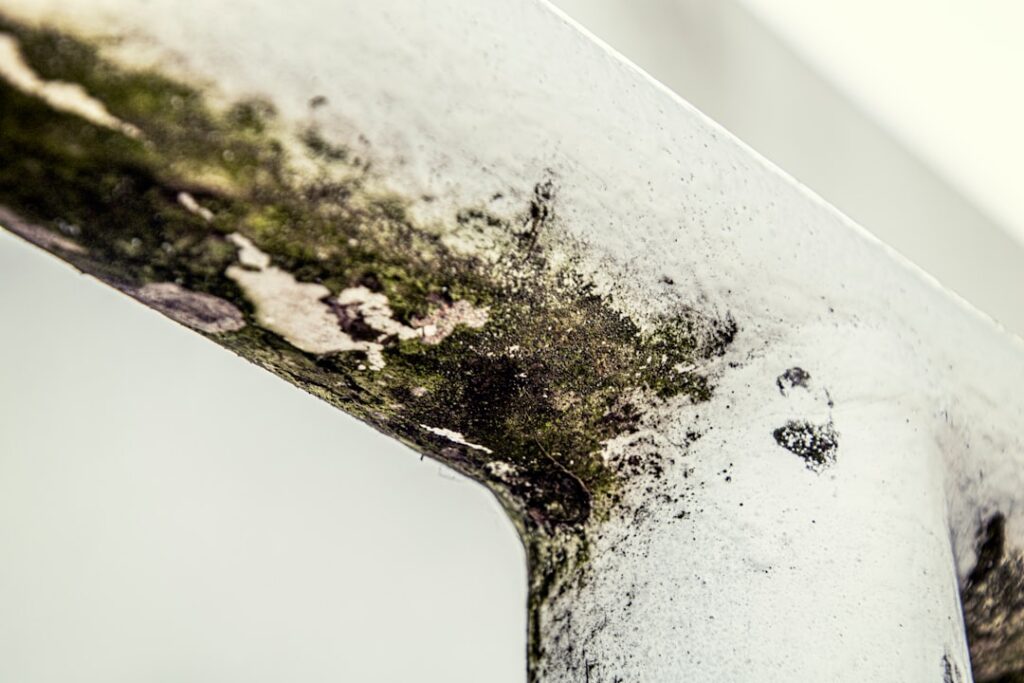
Some mold problems outgrow a weekend, a spray bottle, and a stiff brush. When black mold spreads across walls, hides inside a crawl space, or follows a flood, professional black mold removal brings the containment and equipment that DIY cleanup cannot match. Knowing when that line is crossed, and what a legitimate remediation looks like, protects both your home and your wallet. This guide summarizes EPA and CDC guidance current as of 2026; consult your physician for symptoms and a certified professional for testing decisions. Front Range homes with damp basements and older construction often reach this threshold faster than owners expect.
Part of our Black Mold & Your Health guide — start there for the full picture →
Is this mold, asbestos, or water damage? Get a free instant screen
Upload a clear photo of the suspect area. You'll get an instant AI screening opinion and what to do next. This is screening guidance, not a professional determination.
Screening guidance only. AI can be wrong. Confirm asbestos, mold type, or lead with lab testing or a licensed professional before acting.
What is professional black mold removal?
Professional remediation is the structured removal of mold by trained, certified crews using containment, filtration, and source repair. It goes well beyond surface scrubbing to address growth that has penetrated materials or spread through the air.
The process follows EPA remediation principles: assess the extent, contain the work area, remove contaminated materials, clean with HEPA equipment, dry the structure, and verify the result. The aim is not just a clean surface but a controlled, documented outcome.
When DIY is not enough
The EPA uses roughly 10 square feet as the line between a homeowner job and professional work. Beyond that, containment and specialized filtration become important to keep spores from spreading during removal.
Other triggers include mold inside walls or HVAC, growth following sewage or floodwater, and any situation where household members report symptoms a physician connects to the home. Our broader piece on how to remove black mold covers where DIY ends.
Is it really toxic black mold?
“Toxic black mold” usually refers to Stachybotrys, but you cannot confirm a species by appearance, and many dark molds are common, less concerning organisms. The CDC stresses that the presence of mold does not by itself prove mycotoxin exposure.
What matters for removal is not the exact species but the scope and the moisture. The response is the same: remove the growth and fix the water. A physician, not a mold report, addresses any health symptoms you may have.
What the remediation process involves
Crews begin with an assessment that maps growth and locates the moisture source. They seal the work area with plastic barriers and negative air pressure so spores do not migrate to clean rooms.
Porous materials like saturated drywall, insulation, and carpet are removed and bagged. Remaining surfaces are HEPA-vacuumed and cleaned, then the structure is dried. Verification, ideally by an independent assessor, confirms the area is clean before rebuilding.
Containment and air filtration
Containment is what separates professional work from scrubbing. Without it, disturbing a large colony scatters spores throughout the house, potentially spreading the problem. Plastic sheeting, sealed zones, and negative air machines keep the work area isolated.
HEPA air scrubbers capture airborne spores during removal, and HEPA vacuums clean surfaces afterward. This equipment is the practical reason large jobs belong with professionals rather than a homeowner with a shop vac.
The critical role of source repair
Removing mold without fixing the water that caused it guarantees a return. A reputable remediation firm identifies the moisture source, whether a leak, condensation, or grading problem, and either repairs it or coordinates the repair.
If a contractor never mentions the water source, that is a red flag. The EPA is explicit: fix the moisture problem or the mold comes back, making the remediation a temporary and expensive patch.
What it costs and what is included
Pricing scales with size, location, and access. A contained wall job might run a few thousand dollars; a whole-basement remediation with reconstruction can exceed five figures. A legitimate quote itemizes square footage, containment, removal and disposal, HEPA cleaning, and drying.
Be wary of firms that both test and remediate their own work, a built-in conflict of interest. Independent verification gives you an honest read. The mold inspection and testing hub explains how to use a third-party assessment.
How to choose a remediation firm
Look for certified technicians, written scopes of work, and references. Ask about their containment methods, how they handle the moisture source, and whether they will work alongside an independent assessor for verification.
Get at least two or three itemized bids. Wide price gaps usually reflect different scopes rather than different skill, so compare what each one actually includes before judging the number.
How long professional remediation takes
Timeline depends on scope. A contained single-room job might run one to three days: a day to set up and remove, time to dry, and a final cleaning and verification. Larger jobs spanning a basement or multiple rooms can stretch a week or more.
Drying is often the rate-limiting step, since the structure must reach normal moisture levels before rebuilding. Rushing that stage invites regrowth, so a reputable firm builds in adequate drying time rather than promising an unrealistically fast turnaround.
What happens to your belongings
Remediation usually requires clearing the work area. Hard, non-porous items can be cleaned and kept, while heavily contaminated porous belongings, like soaked upholstery, mattresses, or cardboard, may need disposal. A good crew helps you sort what is salvageable.
Contents handling is sometimes a separate line item from structural remediation. Ask upfront how the firm treats belongings, whether cleaning is included, and how they document items removed, especially if you plan to file an insurance claim.
The verification step that matters
The job is not done when the visible mold is gone. Verification confirms the area is genuinely clean and dry before walls go back up. Ideally an independent assessor, not the removal crew, performs this check, inspecting and sometimes sampling to confirm normal conditions.
This is where separating assessment from remediation pays off. A third party verifying the work has no incentive to overlook a missed spot, giving you confidence that the rebuild covers a clean, dry structure rather than a hidden problem.
Avoiding remediation scams
Mold attracts high-pressure sales. Be wary of firms that arrive with alarming claims about “toxic black mold,” push immediate expensive removal before any clear assessment, or both test and remediate while warning you only they can interpret the results.
Legitimate firms provide written scopes, explain findings plainly, and welcome independent verification. The CDC’s position, that the response to visible mold is the same regardless of species, is a useful check against scare tactics built around the word “toxic.”
Preventing a repeat after remediation
Even perfect remediation fails if the moisture returns. Make sure the firm identifies and addresses the water source, and follow through on any recommended repairs to roofing, plumbing, grading, or ventilation.
After the work, monitor humidity, watch the repaired area for recurrence, and keep up basic moisture habits. The combination of a thorough remediation and a corrected moisture source is what makes the result last instead of becoming a repeat invoice.
When to act
Move quickly when black mold covers more than about 10 square feet, hides in walls or HVAC, follows water intrusion, or pairs with health complaints. Delay only lets the affected area and the cost grow.
An independent assessment before hiring gives you a defensible scope and a baseline to verify the finished work against. That upfront step often saves money and prevents disputes on the back end.
The myth of toxic black mold
Few topics generate more fear and more sales pressure than “toxic black mold.” The phrase usually points to Stachybotrys, but the alarm around it outruns the science. The CDC is careful to note that the presence of any mold, including dark species, does not by itself prove harmful mycotoxin exposure, and you cannot confirm a species by sight.
What this means practically is that the response does not change with the name. Whether the growth is Stachybotrys or a common dark mold, the action is the same: contain it, remove it, fix the moisture, and verify the result. Firms that lead with toxicity scare tactics before any assessment are selling fear, and that is a reason for caution rather than urgency.
Containment in detail
Containment is the single feature that most distinguishes professional removal from a homeowner with a sponge. Crews seal the work area with plastic sheeting and tape, then run negative air machines that pull air out through HEPA filters, so any spores disturbed during removal flow into the filter rather than into the rest of the house.
Without this setup, aggressively disturbing a large black mold colony scatters spores everywhere, potentially turning a one-room problem into a whole-house one. The larger the job, the more critical containment becomes, which is precisely why the EPA’s roughly 10-square-foot threshold marks where professional methods start to matter.
What sets certified crews apart
The visible difference between a professional remediation and a homeowner’s scrub is equipment, but the deeper difference is method. Certified crews follow a documented process, containment, controlled removal, HEPA cleaning, drying, and verification, designed to keep spores from spreading and to confirm the result. That discipline is what you are paying for, more than the muscle.
Certification in mold remediation and water restoration signals that a firm understands these standards, including how to handle porous materials, how to set negative air pressure, and how long drying actually takes. It is not an absolute guarantee of quality, but paired with references and a written scope, it meaningfully improves your odds of a job done right the first time.
Coordinating remediation with repairs
Professional black mold removal almost never stands alone. The water source that caused the growth needs a plumber, roofer, or HVAC technician, and the materials removed need a contractor to rebuild. A reputable remediation firm either coordinates these trades or tells you plainly what falls outside its scope so nothing slips through the cracks.
Sequence is everything. Stop the water, remediate the mold, dry the structure, verify it is clean, then rebuild. Homeowners who let the drywall go back up before verification confirms a dry, clean cavity sometimes find themselves tearing it open again months later, paying twice for what proper sequencing would have caught the first time.
What it costs and how to compare
Professional black mold removal scales with size, location, and access, ranging from a few hundred dollars for a small contained patch into five figures for a saturated basement with reconstruction. A legitimate quote itemizes the affected area, containment, removal and disposal, HEPA cleaning, drying, and the moisture-source approach, rather than offering a single vague flat fee.
Compare bids by matching line items, not totals. A noticeably low quote usually omits containment, drying, or source repair, and those omissions become your next problem. Treat the most complete scope, ideally verified by an independent assessor, as the benchmark, and weigh price against what each firm actually commits to doing.
Setting realistic expectations
Professional black mold removal resolves the growth and, done properly, the conditions that caused it, but it is not magic. It cannot guarantee a particular health outcome, and no honest firm will promise one. What it delivers is a contained, documented removal, a dried structure, a corrected moisture source, and verification that the area is clean.
Going in with that understanding helps you judge firms fairly and spot the ones overselling. The reputable contractor focuses on scope, moisture, and verification; the questionable one leans on toxicity fears and urgency. Knowing what professional remediation can and cannot do keeps you in control of the project rather than driven by alarm.
References
- Mold Cleanup in Your Home — U.S. Environmental Protection Agency
- About Mold and Health — Centers for Disease Control and Prevention
- Mold Remediation Guidance — U.S. Environmental Protection Agency
- Mold and Indoor Air Quality — Colorado Department of Public Health and Environment
Frequently asked questions
When should I hire professional black mold removal?
Hire a pro when growth exceeds about 10 square feet, hides in walls or HVAC, follows sewage or floodwater, or comes with health complaints. These cases need containment and HEPA filtration that DIY cleanup cannot provide.
Is professional removal necessary for toxic black mold?
Scope matters more than species. You cannot confirm Stachybotrys by sight, and the response is the same for any mold: remove it and fix the moisture. Professional work becomes necessary based on size, location, and hidden growth, not the name alone.
What does professional black mold removal include?
Assessment, containment with negative air pressure, removal of porous materials, HEPA cleaning, structural drying, and verification of the result. A legitimate firm also identifies and addresses the moisture source so the mold does not return.
How do I choose a good remediation company?
Look for certified technicians, written scopes, and references, and ask how they handle containment and the moisture source. Avoid firms that test and remediate their own work, and get two or three itemized bids to compare scopes, not just prices.
If you are facing a large or hidden black mold problem in a Front Range home, reach out through our contact page and we will connect you with a vetted independent inspector before you hire a remediation firm.
Mold removal & cleanup picks
For a small, contained patch (under ~10 sq ft) these EPA-friendly removers handle surface mold. Larger or recurring growth warrants a professional assessment first.
| Product | Why | Buy |
|---|---|---|
 RMR-86 Instant Mold Stain Remover RMR-86 Instant Mold Stain Remover | Fast-acting on stains; ventilate and wear PPE. | Amazon — $29.99 |
 Concrobium Mold Control Concrobium Mold Control | No-bleach formula that also helps prevent regrowth. | Amazon — $11.26 |
 Mold Armor Mold & Mildew Remover Mold Armor Mold & Mildew Remover | Widely stocked bathroom/surface remover. | Amazon — $22.98 |