Asbestos Removal Specialist: Role and Credentials
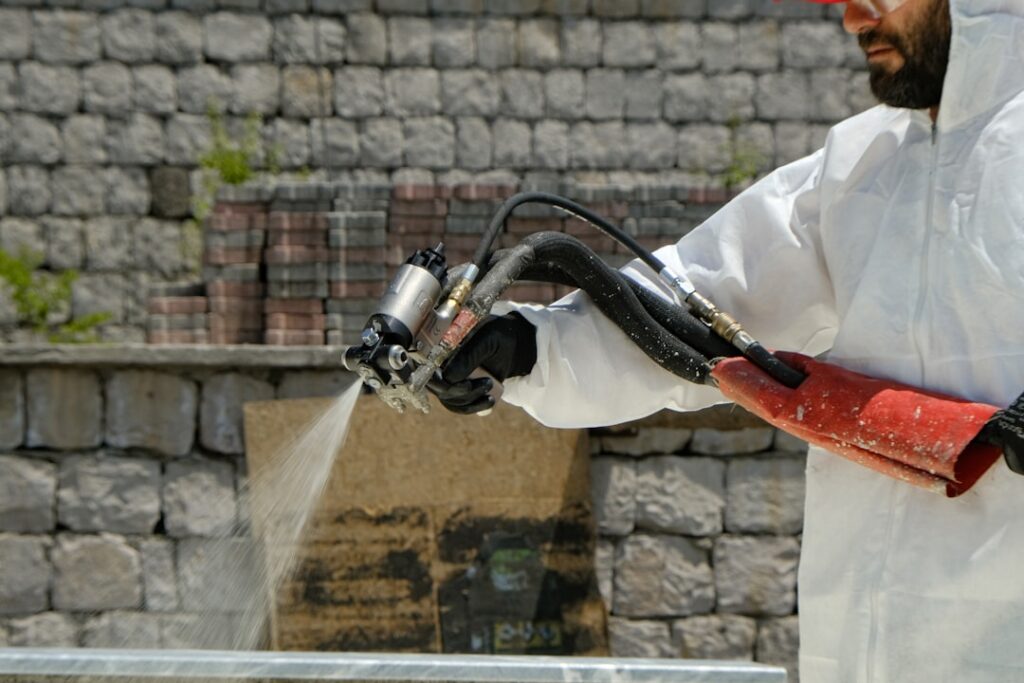
An asbestos removal specialist is a licensed professional trained to remove, encapsulate, or enclose asbestos-containing materials safely. This is highly regulated work, not a job for a general handyman, because disturbing asbestos can release microscopic fibers that pose serious long-term health risks. Knowing what a specialist does and what credentials they must hold helps you hire the right person.
Part of our Asbestos in the Home guide — start there for the full picture →
This article explains the role of an asbestos removal specialist, the credentials that qualify them, and why doing abatement yourself is strongly discouraged. It is informational only and not a substitute for professional advice. Health and safety decisions about asbestos should follow guidance from the EPA, CDC, and qualified, accredited professionals.
Is this mold, asbestos, or water damage? Get a free instant screen
Upload a clear photo of the suspect area. You'll get an instant AI screening opinion and what to do next. This is screening guidance, not a professional determination.
Screening guidance only. AI can be wrong. Confirm asbestos, mold type, or lead with lab testing or a licensed professional before acting.
What an Asbestos Removal Specialist Does
An asbestos removal specialist, often called an abatement worker or contractor, performs the physical work of controlling asbestos hazards. The job goes far beyond pulling out old material. It is a controlled procedure designed to keep fibers from spreading and to protect both workers and occupants.
- Containment setup. Sealing the work area with plastic sheeting and establishing negative air pressure so fibers cannot escape.
- Wet removal. Wetting materials to suppress dust while removing or stripping them carefully.
- Personal protection. Wearing respirators and disposable protective clothing rated for asbestos work.
- Waste handling. Bagging and labeling waste and transporting it to an approved disposal facility under regulatory requirements.
- Decontamination. Cleaning the area with specialized equipment such as HEPA vacuums and arranging clearance air sampling before reoccupancy.
Specialists may also encapsulate or enclose material rather than remove it when that approach is safer or more practical. The goal in every case is to manage the hazard, not simply to make the material disappear.
Required Credentials and Training
Asbestos abatement is governed by federal and state rules, and specialists must hold specific credentials to work legally. The federal asbestos NESHAP rules, administered by the EPA, set requirements for how regulated asbestos materials are handled and disposed of, and most states layer on their own licensing.
A qualified asbestos removal specialist typically holds the following.
- State licensing. Most states require abatement contractors and workers to be licensed or certified, with training that meets federal standards.
- Accredited training. Completion of an EPA-recognized training course, often delivered under the Asbestos Hazard Emergency Response Act framework, with regular refreshers.
- OSHA compliance. Adherence to OSHA worker-protection standards covering respirators, exposure limits, and decontamination.
- Insurance. Liability coverage appropriate to hazardous-material work.
Before hiring, ask for proof of the state license, training certificates, and insurance in writing. A legitimate specialist provides these without hesitation and can explain how they meet NESHAP and OSHA requirements.
Why DIY Asbestos Abatement Is Discouraged
It is tempting to view asbestos removal as a demolition task you could handle yourself, but the risks make that a poor decision. Asbestos fibers are invisible, odorless, and stay airborne for hours after material is disturbed. Once released, they can settle throughout a home and be inhaled long after the work is done.
The CDC and other health authorities link asbestos exposure to serious diseases that may take decades to appear. Without proper containment, negative air pressure, respiratory protection, and HEPA cleanup, an untrained person can contaminate their living space and expose their family. Improper disposal also violates regulations and can carry penalties.
A specialist brings the equipment, training, and legal compliance that DIY cannot match. They contain the work area, control fibers, document the process, and arrange clearance testing to confirm the space is safe. The cost of professional abatement is small next to the health and liability risks of doing it wrong. Our guide to the asbestos abatement process shows what proper removal involves.
When to Call a Specialist
You need a specialist whenever asbestos-containing material is damaged, deteriorating, or will be disturbed by a project. Renovation, demolition, water damage, and aging insulation are the most common triggers. Intact, undisturbed material can sometimes be left in place and monitored, but that decision should follow a professional assessment.
The right sequence is to test first, assess the condition, and then bring in a specialist only if removal or encapsulation is warranted. Keeping your testing independent from your abatement contractor avoids a conflict of interest, since a removal company has a financial reason to recommend removal. Our overview of asbestos inspection explains how assessment fits ahead of abatement.
How to Choose the Right Specialist
Compare more than price. Verify licensing and training, confirm the company follows EPA NESHAP and OSHA requirements, and ask how they handle containment, air monitoring, and disposal. Request references from recent projects and confirm the company carries proper insurance.
A trustworthy specialist provides a written scope, explains the containment and clearance process, and arranges independent air testing after the work. Clear documentation at every step is the mark of a professional who takes the hazard seriously. For a broader view of safe practices, explore our asbestos and lead resources before you commit to a contractor.
What to Expect During an Abatement Project
Knowing how a professional abatement project unfolds helps you understand what you are paying for and why DIY cannot replicate it. A specialist follows a structured sequence designed to control fibers at every stage.
Before work begins, the specialist reviews the assessment, plans containment, and notifies the proper authorities where required by NESHAP rules for larger jobs. They seal the work area with plastic sheeting, shut down HVAC to prevent fiber spread, and set up negative air pressure using HEPA-filtered machines so air flows inward and contaminated air cannot escape.
During removal, workers wet the materials to suppress dust and carefully remove or strip them while wearing respirators and disposable suits. The waste is double-bagged, labeled as asbestos, and sealed for transport. Nothing is dry-swept or thrown in ordinary trash, because that would release fibers and violate disposal rules.
After removal, the team performs a thorough decontamination using HEPA vacuums and wet wiping, then leaves the containment in place for clearance testing. An air sample confirms fiber levels are within acceptable limits before the space is reoccupied. Only then is containment dismantled and the area returned to use. Each step exists to protect health, and each is difficult or impossible to replicate without training and equipment.
Cost Versus Risk of Hiring a Specialist
The fee for professional abatement reflects specialized labor, equipment, protective gear, regulated disposal, and clearance testing. While it is not trivial, weighing it against the alternative makes the value clear.
Improper handling can contaminate an entire home with fibers that linger for years, potentially requiring far more extensive cleanup later. It can also expose your family to a recognized health hazard whose effects may not appear for decades. Beyond health, improper removal and disposal can violate federal and state regulations and carry financial penalties.
A specialist absorbs these risks through training, insurance, and compliance. They document the project, arrange independent clearance testing, and leave you with proof the work was done safely. When you compare the fee to the cost of remediating a botched DIY job or the value of protecting your household, hiring a qualified professional is the sound choice. The work is too consequential to treat as a weekend project.
Removal, Encapsulation, or Enclosure
A specialist does not always remove asbestos. Depending on the material and situation, the safest answer may be to seal it rather than take it out. Understanding the three main approaches helps you follow a specialist’s recommendation.
Removal physically takes the asbestos material out of the building and disposes of it under regulated procedures. It permanently eliminates the source but is the most disruptive and costly option, and it temporarily raises the risk of fiber release, which is why containment is essential.
Encapsulation coats or seals the material so fibers cannot escape, binding them in place. Enclosure builds an airtight barrier around the material, such as covering it with a sealed structure. Both can be appropriate when material is in good condition and unlikely to be disturbed, and they often cost less than full removal.
A qualified specialist evaluates the material’s condition, location, and your plans for the space before recommending an approach. Beware of any contractor who insists on removal in every case without considering whether sealing the material would be safer and more practical. The right method depends on the specifics, not a one-size answer.
This is another reason to keep testing and assessment independent from the company that performs removal. A specialist whose income depends on abatement has a natural incentive to recommend the most extensive option, even when encapsulation or simply leaving intact material in place would serve you better. Having an independent inspector assess the material first gives you an unbiased basis for the decision. Then, when you do bring in a specialist, you can weigh their recommendation against that independent assessment and choose the approach that genuinely fits your home rather than the one that maximizes the contractor’s invoice.
If you need help finding accredited testing or a qualified abatement professional, get in touch through our contact page.
Verifying a Specialist’s Credentials
Confirming credentials before hiring an asbestos removal specialist is the single most important step you can take, because the consequences of unqualified work are serious and long-lasting. A few minutes of verification protects your health and your legal standing.
Begin with the state license. Most states require abatement contractors and workers to be licensed or certified, so ask for the license number and confirm it is current with the issuing authority rather than taking a website logo at face value. Ask to see training certificates showing completion of an EPA-recognized course, along with evidence of regular refresher training, since standards and methods evolve.
Next, confirm insurance appropriate to hazardous-material work, including liability coverage. Ask the specialist to explain how their work meets EPA NESHAP rules for handling and disposal and OSHA standards for worker protection. A professional answers these questions readily and can describe their containment, air monitoring, and clearance procedures in plain terms.
Request references from recent projects and, where possible, keep your testing and assessment independent from the company performing removal. That separation removes the conflict of interest that comes when a contractor profits from recommending removal. Finally, insist on a written scope and on independent clearance testing after the work. A specialist who provides documentation at every step, from credentials through final air clearance, is demonstrating the accountability that makes asbestos work safe.
Preparing Your Home for Abatement
While the specialist handles the technical work, a few steps on your part help an abatement project go smoothly and safely. Preparation reduces delays and keeps your belongings protected from the containment process.
Before the crew arrives, clear the work area of furniture, personal items, and anything that can be moved out of the room entirely. The specialist will seal off the space, so removing your possessions in advance protects them and gives the crew room to set up containment properly. Ask the specialist what they need cleared and whether any items must stay sealed inside.
Plan for the space to be off-limits during the work and until clearance testing confirms it is safe to reoccupy. For larger projects, you may need to arrange to be out of the home for a period. Discuss the timeline up front so you can make arrangements for pets, children, and daily routines without disruption.
Confirm details like access, parking for equipment, and where waste will be staged before transport. A brief walkthrough with the specialist before work begins clears up these logistics. Good preparation lets the specialist focus on doing the job safely, and it shortens the time your home is disrupted, getting you back to normal sooner once clearance confirms the air is safe.
Frequently asked questions
What does an asbestos removal specialist do?
A specialist sets up containment, removes or encapsulates asbestos materials using wet methods and protective equipment, handles waste under regulatory rules, decontaminates the area, and arranges clearance air sampling before reoccupancy.
What credentials should an asbestos specialist have?
Look for state licensing, EPA-recognized accredited training with refreshers, compliance with OSHA worker-protection standards and EPA NESHAP rules, and appropriate liability insurance. Ask for proof in writing.
Why is DIY asbestos removal discouraged?
Disturbed asbestos releases invisible fibers that linger in the air and are linked to serious disease. Without containment, respiratory protection, and HEPA cleanup, DIY work can contaminate your home and expose your family, plus improper disposal violates regulations.
When do I need to call a specialist?
Call one when asbestos material is damaged, deteriorating, or will be disturbed by renovation or demolition. Test and assess first, then hire a specialist only if removal or encapsulation is warranted.
References
- EPA asbestos laws, NESHAP, and regulations
- OSHA asbestos worker-protection standards
- CDC and NIOSH on asbestos health hazards
Asbestos test kits
Asbestos can only be confirmed by a lab. A mail-in kit gets you a sealed sample container and accredited analysis — never sand or disturb suspect material first.
| Product | Why | Buy |
|---|---|---|
 Asbestos Test Kit (mail-in lab) Asbestos Test Kit (mail-in lab) | Includes PPE + sealed mailer. | Amazon — $34.99 |
| Pro-Lab Asbestos Test Kit | Widely available; lab fee separate. | Amazon — $34.99 |