Where Asbestos Can Be Found: 2026 Pre-1980 Housing Guide

Pre-1980 housing in the United States commonly contains asbestos in multiple locations because the mineral was used as a flame retardant, insulator, and binder across dozens of residential building products. The peak use period ran from roughly the 1930s through the late 1970s. Although EPA began phased-in restrictions in the late 1970s and tightened them through subsequent rulemakings, no full federal ban exists, and legacy asbestos remains in tens of millions of older homes. This guide summarizes EPA, OSHA, and American Lung Association guidance current as of 2026 and is not medical advice. Homeowners suspecting active asbestos exposure should consult a pulmonologist or occupational medicine specialist for evaluation.
Part of our Asbestos in the Home guide — start there for the full picture →
Is this mold, asbestos, or water damage? Get a free instant screen
Upload a clear photo of the suspect area. You'll get an instant AI screening opinion and what to do next. This is screening guidance, not a professional determination.
Screening guidance only. AI can be wrong. Confirm asbestos, mold type, or lead with lab testing or a licensed professional before acting.
Where asbestos can be found in pre-1980 homes
Asbestos turns up in pre-1980 homes in flooring, ceilings, walls, insulation, plumbing, HVAC systems, roofing, and exterior siding. The mineral was added to products that needed heat resistance, fire resistance, durability, or fibrous binding. Manufacturers favored it because it was abundant, inexpensive, and chemically stable. The result is that a single pre-1980 house can contain asbestos in floor tile in the kitchen, popcorn ceiling in the living room, vermiculite insulation in the attic, pipe wrap on the basement boiler, plaster on interior walls, and transite siding on the exterior, all from different manufacturers and installation eras.
The dangerous quality of asbestos comes from fiber friability. Intact asbestos in good condition rarely releases fibers. Damaged, deteriorating, or disturbed asbestos releases respirable fibers that lodge in lung tissue and cause asbestosis, lung cancer, and mesothelioma decades after exposure. Identifying where asbestos lives in a home is the first step toward managing it without disturbing it unnecessarily.
Floor tile and flooring
Vinyl-asbestos floor tile is one of the most common asbestos-containing materials in residential properties built between roughly 1940 and 1980. The classic 9-by-9-inch tiles in kitchens, bathrooms, basements, and laundry rooms frequently contained 10 to 20 percent asbestos as a binder. 12-by-12-inch tiles from the late 1970s and into the early 1980s sometimes contained asbestos but increasingly used synthetic alternatives. The black mastic adhesive used to install these tiles often contained asbestos independently of the tile itself, which complicates removal.
Sheet vinyl flooring and the felt backing beneath it also commonly contained asbestos. The felt backing was particularly fiber-rich and friable when disturbed. Homeowners considering removal of pre-1980 vinyl flooring should commission asbestos sampling before tearing it up. The pre-1978 housing hazard hub covers the integration of asbestos surveying into broader renovation planning.
Best Asbestos Test Kit: our top 3 picks
| Product | Best for | Key features | Price | Buy |
|---|---|---|---|---|
| Seeml Labs Asbestos Inspector in a Box | Verifiable lab accreditation |
| $22.00as of Nov 19, 2026 7:41 pm GMT+0000 | Buy now →Check current price |
| SLGi 1-Pack (5 Day) | Single sample with return postage |
| $26.60as of Nov 19, 2026 7:54 pm GMT+0000 | Buy now →Check current price |
| Asbestos-Sampling.com 2-Sample | Type and percentage in the result |
| $59.95as of Nov 19, 2026 7:54 pm GMT+0000 | Buy now →Check current price |
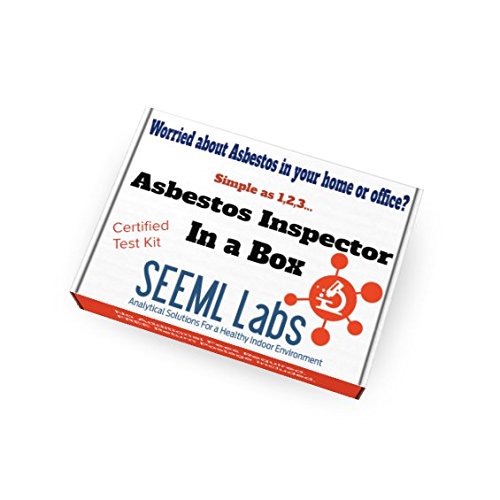

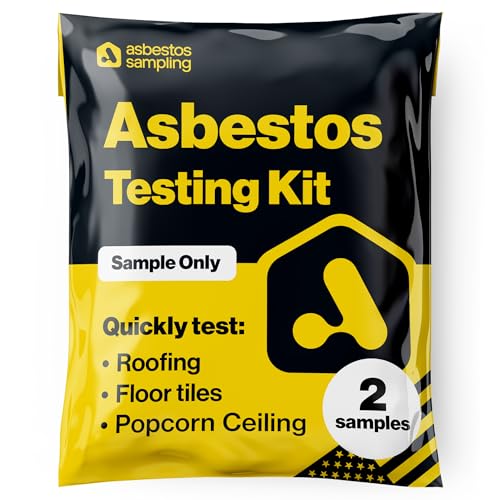
Prices are Amazon’s listed prices as of the time shown and change often; check Amazon for today’s price. As an Amazon Associate we earn from qualifying purchases.
Popcorn ceiling and acoustic spray
Popcorn ceiling, sometimes called acoustic ceiling or cottage cheese ceiling, was sprayed on residential ceilings from the late 1950s through the late 1970s. The texture often contained asbestos until the 1978 EPA ban on asbestos in spray-on building applications. Older homes with original popcorn ceiling almost always warrant testing before any disturbance. Painting over the texture is generally safe and is common practice when test results show low asbestos content in stable material. Scraping or sanding the texture without proper containment releases fibers into the breathing zone of anyone in the home.
The popcorn ceiling asbestos testing guide covers the sampling methodology specific to this material category. Even popcorn ceiling installed in the early 1980s warrants testing because manufacturers shipped existing asbestos-containing stock through retail channels for several years after the federal restrictions took effect.
Vermiculite insulation
Loose-fill vermiculite insulation in attics is a flagged asbestos hazard because most U.S. vermiculite mined between 1923 and 1990 came from the Libby, Montana mine operated by W.R. Grace. The Libby vermiculite ore was contaminated with tremolite asbestos, a particularly dangerous amphibole form. Vermiculite looks like small, lightweight, gold-brown or silver-gray pellets that resemble unpopped popcorn. It was sold under brand names like Zonolite and was poured loose between attic joists in millions of homes.
EPA recommends treating all loose-fill vermiculite as if it contains asbestos unless laboratory testing proves otherwise. The mineral itself is not asbestos, but the Libby source contamination affected the vast majority of U.S. supply during the building boom decades. Homeowners with vermiculite in the attic should avoid disturbing it and consult an asbestos professional before any attic renovation, additional insulation installation, or access work.
Pipe wrap and HVAC insulation
Pipe wrap insulation on hot water heating pipes, steam pipes, and boiler-system feeds frequently contained asbestos when installed before 1980. The white or gray fibrous wrap, sometimes with a corrugated cardboard appearance, was a primary use of asbestos in residential plumbing. Damaged or deteriorating pipe wrap is among the most friable asbestos materials in older homes and releases fibers easily when disturbed. Homes with original mid-century boiler systems often retain the original pipe wrap.
HVAC duct tape, duct gaskets, and duct insulation also frequently contained asbestos in pre-1980 installations. The white cloth tape wrapping duct seams and the gasket material at register boots are common locations. Whole-house HVAC replacement in pre-1980 homes warrants asbestos surveying of these components before demolition.
Plaster, joint compound, and texture
Interior plaster walls and ceilings built before 1980 sometimes contained asbestos as a strengthening additive. Joint compound used to finish drywall seams also frequently contained asbestos through the 1970s. The white powder mixed with water and applied over seams and screws was one of the most widely distributed asbestos products in residential construction. Skim-coat textures, popcorn texture, swirl texture, and rosebud texture applied with joint compound or texture sprays may all contain asbestos.
Renovation involving wall demolition, drywall removal, or sanding of joint compound in pre-1980 homes warrants asbestos sampling. Sanding is the highest-risk activity because it generates respirable dust. Owners doing DIY renovation on older homes should pause before sanding any pre-1980 wall or ceiling surface and commission testing first.
Exterior siding and transite
Cement-asbestos siding, often sold under the trade name Transite, was widely used on residential exteriors from the 1920s through the 1970s. The siding looks like cement-board shingles or panels and was valued for fire resistance and durability. Pre-1980 transite siding is one of the most easily identifiable asbestos-containing exterior materials. The siding in good condition is generally stable. Cutting, drilling, or pressure-washing the siding releases fibers and is regulated under EPA NESHAP and many state asbestos rules.
Asbestos-cement was also used in some chimney flues, exterior trim boards, and soffits. Replacement of these components on pre-1980 homes warrants proper handling. OSHA’s asbestos guidance covers worker-protection rules that apply to contractors performing exterior renovation involving these materials.
Roofing materials
Asbestos was used in roofing felts, certain shingles, and roofing mastics through the 1970s. Cement-asbestos roof shingles were common in some regions, including parts of the Mountain West. The shingles were durable but become friable when broken or cut. Roofing felt underlayment beneath shingles sometimes contained asbestos. Roof tear-off on pre-1980 homes warrants checking whether asbestos materials are involved, particularly when the roof has not been replaced since original construction.
Other less-common locations
Asbestos also appears in unexpected places in older homes. Window putty and glazing compound from the 1950s and 1960s sometimes contained asbestos. Spray-on fireproofing on structural steel beams in older multi-family buildings contained asbestos. Stove and fireplace insulation, oven mitts, ironing board pads, and certain appliance components contained asbestos through the mid-1970s. Old electrical wiring with cloth-and-asbestos insulation around individual conductors appears in some homes wired before the 1950s.
Homeowners commissioning a comprehensive asbestos survey should ask the consultant to cover these less-common categories in addition to the major ones. Survey sampling protocols vary; comprehensive surveys cover 20 to 40 distinct sampling locations on a typical single-family home. Limited surveys cover only the materials slated for disturbance in a specific renovation scope. The right scope depends on the homeowner’s planning horizon.
Insulation other than vermiculite
Several insulation products beyond vermiculite contained asbestos through the mid-1970s. Block-form pipe insulation, common on hot water and steam piping in commercial-style residential boiler systems, frequently contained asbestos. Loose-fill insulation made from rock wool or mineral wool sometimes contained asbestos contamination. Spray-on fireproofing applied to structural steel beams in older multi-family buildings or basement areas contained asbestos through the 1970s. Each of these warrants testing before disturbance in pre-1980 housing. Casual identification by appearance is unreliable because many insulation products share visual characteristics regardless of asbestos content.
The popcorn ceiling asbestos testing guide covers sampling methodology that applies equally to other suspect insulation materials. The basic approach involves wetting the material with a fine mist, collecting a small representative sample, double-bagging it in zip-lock bags with chain-of-custody labeling, and shipping it to an NVLAP-accredited laboratory for analysis. The cost per sample is $30 to $75 with three-to-five-business-day turnaround. Multi-sample testing for a complete pre-renovation survey of a single-family home typically runs $300 to $700 depending on the number of suspect materials and sample density.
Geographic variation in asbestos prevalence
Asbestos prevalence in pre-1980 housing varies by region based on local construction practices, climate, and historic supply chains. Mountain West homes including those across Colorado’s Front Range commonly contain vermiculite from the Libby, Montana mine because Colorado was within the primary distribution radius. Coastal California homes more commonly contain cement-asbestos siding because the material weathered well in saline air. Midwest homes commonly contain pipe wrap on heating systems because long heating seasons drove demand for thermal insulation. Southeast homes commonly contain asbestos-containing roofing felts because heat resistance was a selling point.
None of these regional patterns is universal. Individual properties vary based on the original builder, the materials available at construction, and any renovation history. The general rule is to assume pre-1980 housing contains asbestos somewhere and to test before any disturbance that could release fibers.
When to test versus leave alone
The general rule for asbestos in pre-1980 homes is that intact, well-maintained, undisturbed asbestos in stable condition is best left in place and managed in-place. Testing is warranted when renovation is planned that will disturb a suspect material, when the material shows visible damage or deterioration, when the home is being sold and disclosure is in question, or when a homeowner’s risk tolerance favors knowing rather than not knowing. CDC asbestos guidance emphasizes that exposure risk depends on fiber release, which depends on disturbance.
Connecting with an asbestos professional
Homeowners in pre-1980 housing planning renovation or with active concerns about visible deterioration of suspect materials can reach a vetted asbestos consultant through our contact page. A certified consultant can perform sampling, recommend in-place management or removal, and refer to licensed abatement contractors when removal is the right path.
More Questions About Where Asbestos Hides
Can asbestos be found in old household appliances and items?
Yes, asbestos can be found in some older household items, including pre-1980s hair dryers, ironing board covers, oven mitts, toasters, stove and oven gaskets, heat-resistant pads and some older crockpots and space heaters.
Most of these items are low risk while intact, but worn heat-resistant fabrics and crumbling insulation can shed fibers. Vintage appliances are better kept as display pieces than used daily. If you are clearing out an older relative’s home, avoid tearing apart old heat-resistant items and dispose of them through household hazardous waste programs when unsure.
Is there asbestos in older fireplaces and wood stoves?
Yes, older fireplaces and wood stoves can contain asbestos in several places: door gaskets and rope seals, cement board heat shields behind stoves, flue pipe connectors, fireplace insulation, mortar and, in some older homes, artificial ashes and embers in gas log sets.
Gas log embers made with asbestos were banned in 1977, but older sets may remain. Heat shields that look like gray cement board are a common suspect. Have a sample tested before removing a stove or fireplace insert, and leave intact materials alone.
What should you do if you accidentally disturb asbestos?
If you accidentally disturb a material that may contain asbestos, stop work right away and limit the spread of dust:
- Leave the area and keep others and pets out
- Turn off heating, cooling and fans that could move dust
- Do not sweep or vacuum with a regular vacuum
- Bag work clothes and shower
- Call an asbestos professional to test and clean up
A single brief exposure carries a low risk, but cleanup by trained workers prevents ongoing exposure.
Does window glazing or caulk contain asbestos?
Some older window glazing compounds and caulks contain asbestos, mostly in homes built before the 1980s. Asbestos fibers were added to improve strength and weather resistance, especially in commercial-grade products.
Glazing that is cracked and crumbling can release fibers when it is scraped out during window restoration. Window putty from the same era may also contain lead, so testing for both before restoring old windows makes sense. Intact caulk and glazing can be left in place.
Can stucco contain asbestos?
Yes, some stucco and exterior textured finishes applied before the 1980s contain asbestos, which was added to strengthen the mix. Asbestos in stucco is less common than in siding shingles or roofing, but it occurs.
Cutting, drilling or demolishing stucco produces dust that can contain fibers. Test stucco before adding windows, doors, vents or additions to an older home. Intact stucco in good repair is not a hazard and does not need to be removed.
References
- Asbestos Laws and Regulations — U.S. Environmental Protection Agency
- Asbestos Safety and Health Topic — Occupational Safety and Health Administration
- Asbestos and Your Health — Centers for Disease Control and Prevention
- Asbestos in Indoor Air — American Lung Association
Frequently asked questions
Where is asbestos most commonly found in homes?
The most common residential locations are 9-by-9-inch vinyl-asbestos floor tile, popcorn ceiling spray, attic vermiculite insulation, pipe wrap on heating systems, plaster and joint compound, cement-asbestos siding (transite), and certain roofing materials. Pre-1980 homes often contain asbestos in multiple of these categories simultaneously.
How do I know if my home has asbestos?
The only reliable confirmation is laboratory analysis of samples collected by a certified asbestos professional. Visual identification can suggest probable presence based on material type and age, but lab testing is required for confirmation. Homes built before 1980 should be considered likely to contain asbestos somewhere in the structure.
Is asbestos always dangerous?
No. Intact, undisturbed asbestos in good condition rarely releases fibers and poses minimal exposure risk. The danger arises when materials become friable from damage, deterioration, or disturbance. The general rule is to leave intact asbestos in place and manage it without disturbance when possible.
What if I find vermiculite in my attic?
Do not disturb it. Most U.S. vermiculite sold between 1923 and 1990 came from a mine in Libby, Montana that was contaminated with tremolite asbestos. EPA recommends treating all loose-fill attic vermiculite as if it contains asbestos unless laboratory testing proves otherwise.
Can asbestos be found in a garage?
Yes, garages in older homes may contain asbestos in cement wall board, ceiling panels, floor tiles, roofing and old brake parts stored on shelves. Detached garages built before the 1980s often used asbestos cement sheets. Test before demolition or remodeling.
Can asbestos be found in household dust?
Asbestos can be found in household dust when nearby asbestos materials are damaged or were disturbed during past renovations. Dust testing is not a routine check; lab analysis of settled dust is done by asbestos professionals when contamination is suspected.
Do landlords have to tell tenants about asbestos?
Federal law does not require landlords to tell residential tenants about asbestos in most cases, but state and local laws may. Tenants should ask about known asbestos before renovations and report damaged suspect materials in writing.
Homeowners planning renovation in pre-1980 housing or concerned about visible deterioration of suspect materials can connect with a certified asbestos consultant through our contact page for survey and management guidance.